
Hybrid Battery Replacement Cost: What Owners Actually Face
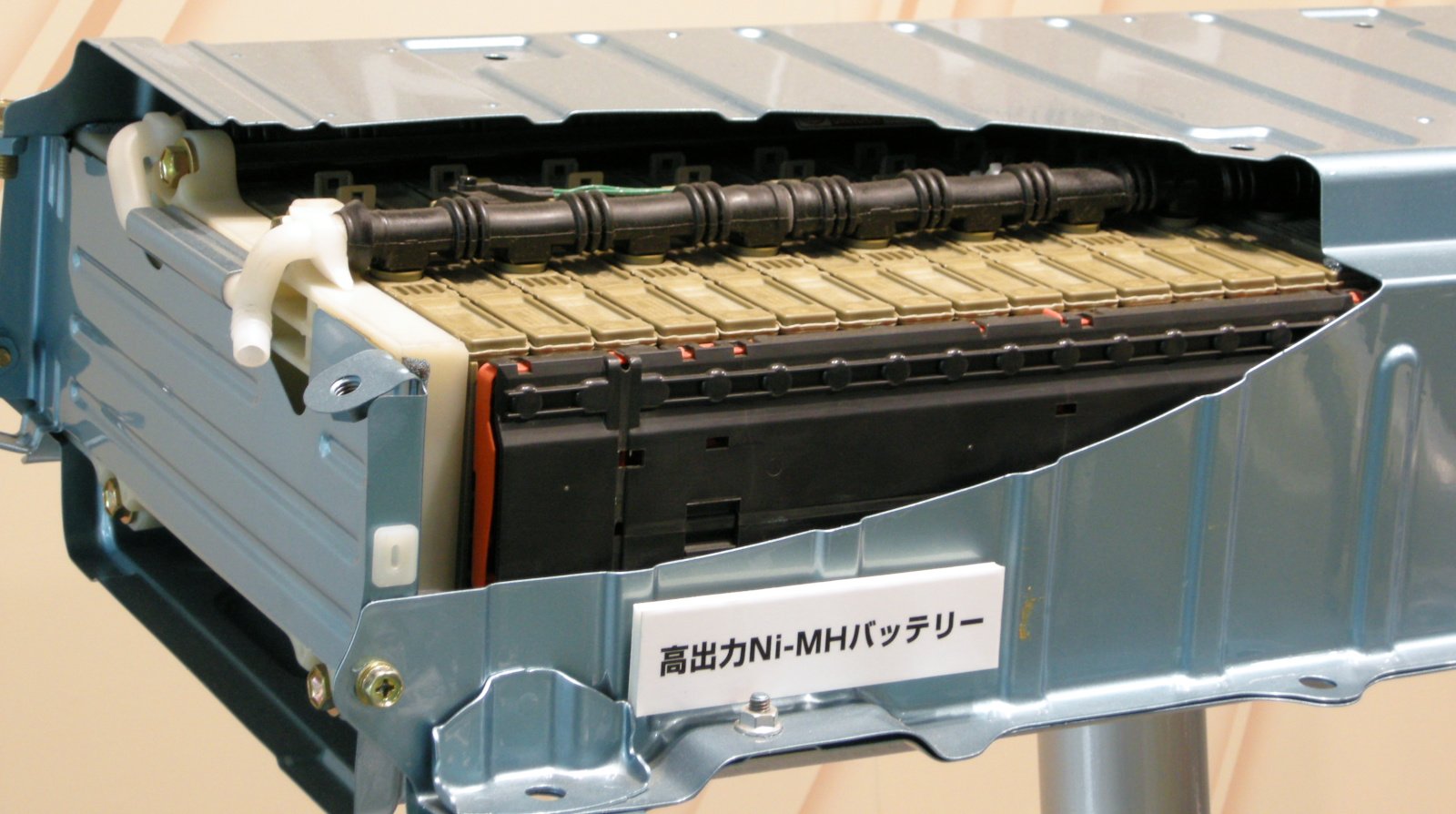
The hybrid battery is the most feared part on the car — this guide sets out the cost to replace a hybrid battery honestly (dealer, independent, refurbished) against the warranty that usually pays first.
Key Takeaways
- Check the warranty before pricing anything: coverage runs 8 years or 100,000 miles as standard, and Toyota's 2020-and-newer hybrids carry 10 years or 150,000 miles.
- A specialist's remanufactured pack runs about $1,250 to $2,500 installed on common models — roughly half the dealer's $3,500 to $6,000 for a new factory pack.
- Typical pack life is 150,000 to 200,000 miles, and a warning light is not proof of a dead pack: the fault is often the 12-volt battery, a cooling fan or a sensor.
- Battery coverage transfers to later owners, so verify a used hybrid's in-service date and pay for a cell-level battery health check before buying.
One subject runs through this whole guide: hybrid battery replacement cost. What follows explains it in plain English, with the numbers attached. Ask a room of car owners which repair they fear most and the hybrid battery wins easily — usually quoted as a five-figure catastrophe that totals the car. The fear is a decade out of date. Replacement packs have a mature refurbished market now, prices have fallen on every channel, and the most common outcome for an owner whose battery fades is not a bill at all: it is a warranty claim, because modern hybrid batteries are covered far longer than most owners realize. This guide prices all three routes honestly — dealer, independent specialist, refurbished — and puts the warranty first, where it belongs.
Hybrid Battery Replacement Cost at a Glance
| Route | Typical installed cost, common models | What you get | Coverage on the repair |
|---|---|---|---|
| Dealer, new OEM pack | About $3,500–$6,000 | New factory pack, dealer labor and calibration | Factory parts warranty |
| Independent specialist, remanufactured pack | About $1,250–$2,500 | Tested, rebalanced pack with replaced weak cells | Typically 1–4 years from the specialist |
| Independent, new aftermarket pack | About $1,500–$2,500 plus labor | New cells from a third-party maker | Varies by maker, often 2–4 years |
Ranges are for high-volume hybrids such as the Prius, Camry Hybrid and RAV4 Hybrid, drawn from published specialist and dealer pricing; larger SUV and plug-in hybrid packs sit above these ranges, and every figure here is a range to budget against, not a quote. The full sourcing sits in this draft's header record.
The Warranty That Usually Pays First
Before pricing anything, check coverage — because for most owners reading this, the battery is still the manufacturer's problem. The long-standing standard is 8 years or 100,000 miles of hybrid battery coverage. In California and the states that follow its emissions rules, that rises to 10 years or 150,000 miles. Toyota goes further still: its 2020-and-newer hybrids carry a 10-year, 150,000-mile battery warranty everywhere in the country, and Hyundai covers its hybrid batteries for 10 years or 100,000 miles. Coverage runs from the car's in-service date, not its model year, and it transfers to later owners — so a used hybrid can carry years of battery protection the seller never mentioned.
Two honest limits apply. Battery warranties cover defects and failure, and manufacturers generally treat gradual capacity loss as wear rather than a defect; a pack that has faded but not failed may not qualify. And the warranty answer is model- and state-specific, which is why our guide to EV battery warranties explained is worth reading alongside this one before you accept any quote. The practical rule: a battery concern on a hybrid under ten years old starts at the dealer with a coverage check, not at a parts counter with a credit card.
How Long Hybrid Batteries Actually Last
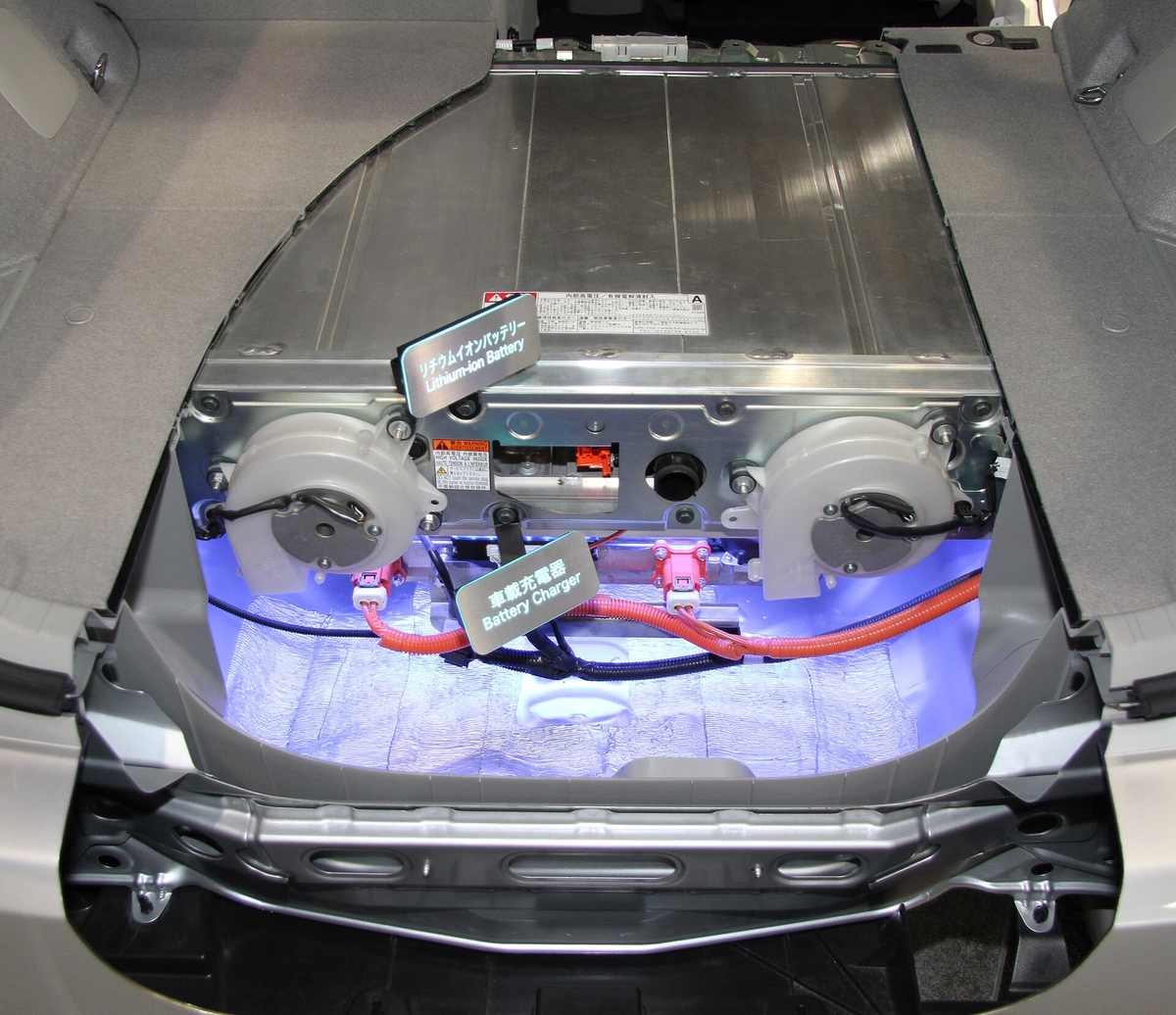
The warranty lengths above are a clue to the engineering: manufacturers do not guarantee parts for 150,000 miles that routinely die at 90,000. Published specialist experience puts typical Toyota hybrid pack life around 150,000 to 200,000 miles, with many packs going further. Failure, when it comes, is usually a fade rather than a sudden death — fuel economy slides, the charge gauge swings oddly, the gasoline engine runs more often, and eventually warning messages appear. Heat is the main accelerant, which is why the battery's cooling fan and intake filter matter: a clogged filter on a car that carries dogs is a quiet pack-killer, and cleaning it is cheap.
Diagnosis deserves its own warning. A "check hybrid system" light is a reason to diagnose, not proof the pack is dead — specialists report cars quoted for full packs that needed a 12-volt battery, a cooling fan, a sensor or inverter work instead. Any shop that quotes a pack without cell-level diagnostics is guessing with your money. Cold weather also mimics decline: as our guide to EV range loss in winter shows, every electrified powertrain gives back performance in the cold and recovers in spring, hybrids included.
The Three Ways to Pay, Compared
How much is a hybrid battery replacement? It depends on the route. The dealer route buys a new factory pack, factory calibration and a factory parts warranty — at the highest price, commonly quoted around $4,000 to $6,000 for mainstream models. It makes the most sense on a newer, otherwise-valuable car you plan to keep for many years, and it is the only route some owners will trust for a plug-in hybrid's large pack. The independent specialist route is where the market has moved: hybrid-focused shops install remanufactured packs — cases rebuilt with tested, balanced cells and the weak modules replaced — for roughly $1,250 to $2,500 installed on common models, about half the dealer figure, with warranties commonly running one to four years. The budget route, a used pack or cell-level reconditioning, costs least and risks most: a single replaced cell in an aged pack often buys months, not years, because the remaining cells are the same age. It suits a car near the end of its life, not one you depend on.
Plug-in hybrids sit above all of these ranges. Their packs are several times larger than a conventional hybrid's, parts are scarcer, and remanufactured supply is thinner — one more reason the hybrid vs plug-in hybrid decision should include a look at long-term pack economics before you buy.
Replace the Pack or Replace the Car?
The honest test is the car around the battery. A $2,000 specialist pack in a sound 140,000-mile hybrid with good tires, brakes and suspension buys years of low-cost miles — against the running costs in our EV maintenance costs vs gas cars comparison, that math usually wins easily. The same quote on a car that also needs a transmission, tires and suspension work is money chasing money. Get the pack diagnosed properly, price the specialist route before the dealer route, and judge the total against the car's value and condition — not against the scare figure.
Buying a Used Hybrid? Check the Pack Before You Pay
Everything above cuts the other way when you are the buyer, and it is good news. Because battery coverage transfers to subsequent owners and runs as long as ten years or 150,000 miles on the cars that carry it, a used hybrid's most feared part is often still the manufacturer's problem — provided you verify the in-service date rather than trusting the model year. Before buying any high-mileage hybrid, pay a specialist for a battery health check: a scan that reads the charge balance cell by cell and shows whether the pack is aging evenly or hiding weak modules. Judge what you find against the ranges in this guide, not against the folklore figure. A car with a fading pack and a sound everything-else is a negotiating opportunity with a known price — a specialist remanufactured pack at the ranges above — not a car to fear, and certainly not a car worth paying a "new battery" discount on for the seller's benefit.
Frequently Asked Questions
How much does it cost to replace a hybrid battery?
For common models, the published hybrid battery replacement price puts a remanufactured pack from an independent specialist at roughly $1,250 to $2,500 installed, and a new pack at a dealership around $3,500 to $6,000. Large SUVs and plug-in hybrids cost more. These are budgeting ranges from published parts and service pricing, not quotes — your model's pack size and local labor rates decide the real number.
Is a hybrid battery covered under warranty?
Usually for longer than owners think. The standard coverage is 8 years or 100,000 miles, rising to 10 years or 150,000 miles in California-rule states; Toyota's 2020-and-newer hybrids carry 10 years or 150,000 miles nationwide, and the coverage transfers to subsequent owners. Warranties cover defects and failure; gradual capacity loss is generally treated as wear.
How long does a hybrid battery last?
Specialist experience with high-volume models puts typical life around 150,000 to 200,000 miles, often more. Most packs fade gradually rather than failing outright, and heat plus a clogged cooling filter shortens life — keeping the battery's air intake clean is the cheapest life-extender there is.
Can just the bad cells be replaced instead of the whole pack?
Yes, and shops do it — but treat it as a short-term fix. The remaining cells are the same age as the failed ones, so another weak cell often follows within months. A properly remanufactured pack, with all cells tested and balanced and the weakest replaced, is the durable version of the same idea.
The Bottom Line on Hybrid Battery Replacement Cost
The five-figure hybrid battery replacement cost horror story belongs to the early Prius era. Today the sequence for a fading hybrid battery is: check the warranty first, because 10-year, 150,000-mile coverage is now common and transfers to you; get a real diagnosis, because the fault is often something cheaper; then price the specialist's remanufactured pack — roughly half the dealer figure on common models — before deciding anything. Feared part, manageable bill. That is the complete picture on the cost to replace a hybrid battery — know it before you negotiate, and the rest of the deal gets easier. Start at MyCarDiscount.com.

Get the number dealers start from.
Invoice, estimated true cost, out-the-door — before any dealer hears your name.