
Hybrid vs Gas Car: Fuel Savings vs Purchase Price Maths
Gas car vs hybrid, in short: the hybrid burns less fuel, so it wins — until you price the badge: the purchase premium set against five years of fuel savings, with a break-even rule you can run in a minute.
Key Takeaways
- Hybrids typically cost more to buy than their gasoline counterparts — the premium must be earned back in fuel.
- Judge the trade over the years you will actually own the car, on stated assumptions.
- Where you drive matters as much as how far — hybrids save most in stop-and-go use.
- The break-even rule in this guide runs on any two cars in about a minute.
The hybrid vs gas car decision looks simple — the hybrid burns less fuel, so it wins — until you price the badge. Hybrids typically cost more to buy than their gasoline counterparts, and the only honest way to judge the trade is to compare that purchase premium against the fuel it saves over the years you will actually own the car. This guide builds that comparison over five years on fully stated assumptions, works through what changes it, and ends with a break-even rule you can run on any two cars in about a minute.
Hybrid vs Gas Car: The Five-Year Comparison, Assumptions Stated
Every number in this section comes from one illustrative example, and the assumptions are the example. Take two versions of the same mainstream SUV: the gasoline version rated at 30 mpg combined, the hybrid version rated at 40 mpg combined — a gap in line with the EPA combined ratings fueleconomy.gov publishes for gas and hybrid versions of the same nameplate. The hybrid costs $2,000 more to buy. Fuel costs $3.50 a gallon. You drive 12,000 miles a year.
On those assumptions, the gasoline car burns 400 gallons a year (12,000 divided by 30), costing $1,400. The hybrid burns 300 gallons, costing $1,050. The fuel saving is $350 a year — $1,750 over five years — which does not quite repay the $2,000 premium inside five years. That is the honest headline most hybrid advertising skips: at average mileage and mid-range fuel prices, the fuel math alone is close, not a landslide.
Change the assumptions and the answer moves, which is exactly why any hybrid compared to gas car comparison belongs on your numbers, not ours:
| Illustrative scenario (30 mpg gas vs 40 mpg hybrid, $2,000 premium) | Fuel saving per year | Saving over 5 years | Break-even on fuel alone |
|---|---|---|---|
| 12,000 miles a year, fuel at $3.50/gal | $350 | $1,750 | About 5.7 years |
| 15,000 miles a year, fuel at $3.50/gal | $438 | $2,188 | About 4.6 years |
| 20,000 miles a year, fuel at $3.50/gal | $583 | $2,917 | About 3.4 years |
| 12,000 miles a year, fuel at $4.50/gal | $450 | $2,250 | About 4.4 years |
The break-even rule is simply the premium divided by the annual saving. Miles driven and the price of fuel are the two levers, and both are personal: a 20,000-mile commuter and a 7,000-mile retiree are not buying the same proposition even at the same dealership. Our guide to the best cars for commuters looks at the high-mileage end of that question in more depth, and our calculator lets you run your own mileage and fuel price through the same comparison.
Where You Drive Matters as Much as How Far
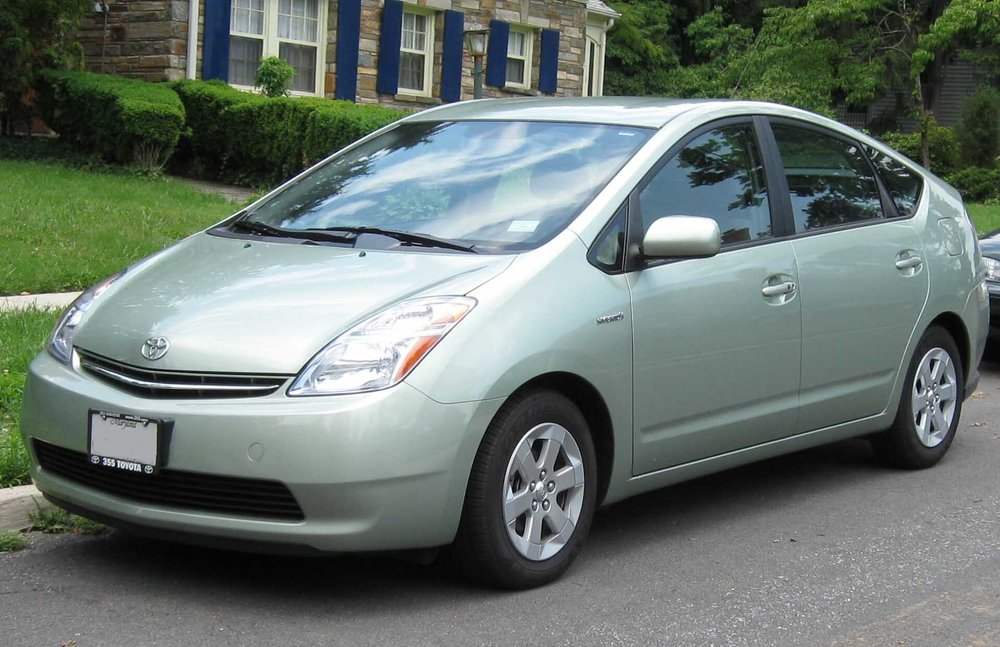
The EPA gap between a hybrid and its gasoline twin is not a fixed number in real life, because the two cars save fuel in different places. A hybrid's advantage is largest in stop-and-go driving, where regenerative braking recovers energy a gasoline car throws away as brake heat, and where the gasoline engine can shut off at lights. On a steady highway run the gap narrows — sometimes to a few mpg — because the hybrid is carrying a battery and motor it barely uses.
That is why the US Department of Energy's guidance treats driving pattern as a first-order variable. A city driver can beat the combined rating's implied saving; a driver whose miles are mostly 70-mph highway can fall well short of it. Before you run the break-even rule, weight your own driving honestly: mostly urban miles argue for the hybrid more strongly than the table above does; mostly highway miles argue the other way.
There is also a middle option this guide's title leaves out. A plug-in hybrid you charge nightly can cover a commute on electricity and behave like a hybrid beyond it, which rewrites the fuel line entirely for the right driver — and a full EV, covered in our electric car buying guide, removes the gasoline line altogether for drivers who can charge at home.
Maintenance, Resale and the Costs Beyond Fuel
Fuel is the biggest term, but it is not the only one, and the smaller terms mostly lean the hybrid's way:
- Brakes. Regenerative braking does much of the slowing, so hybrid brake pads and rotors commonly last considerably longer than on the gasoline version.
- Routine maintenance. Oil, tires and filters cost roughly the same; hybrids have no starter motor or alternator belt in the traditional sense, but they do carry a hybrid battery and power electronics the gasoline car does not.
- Battery risk. Hybrid batteries are covered by long factory warranties — the federal floor for electrified-vehicle batteries and each brand's own terms are covered in our guide to EV battery warranty explained, which applies to hybrids and plug-in hybrids as well as full EVs. Out-of-warranty replacement is a real but uncommon cost on modern hybrids.
- Resale. Hybrids have historically held value well, and a stronger resale price at year five quietly repays part of the premium the fuel math did not. Treat any specific resale figure as model-specific — it varies by nameplate and by fuel prices at the time you sell.
Add those together and the fair summary is: the gasoline car is cheaper to buy and simpler; the hybrid is cheaper to run, gentler on brakes, and often stronger at resale, with a battery the warranty covers for most of a normal ownership span. Our true cost of owning a car guide lays out the full cost stack both cars sit inside.
The Break-Even Rule, and How to Use It on Any Pair
You do not need our example; you need the method. For any two versions of a car:
- Find both EPA combined ratings on fueleconomy.gov.
- Divide your annual miles by each rating to get gallons per year for each car; the difference is your annual gallon saving.
- Multiply by the fuel price you actually pay to get the annual dollar saving.
- Divide the hybrid's price premium by that saving. The answer is your break-even in years.
If the break-even is comfortably shorter than you plan to keep the car, the hybrid wins on cost before resale even counts. If it is longer than your ownership — common for low-mileage drivers at low fuel prices — the gasoline car is the rational buy, and there is no shame in it: you are paying for exactly the fuel you use. Where a dealer is discounting one version harder than the other, the premium in the rule is the difference between the two out-the-door prices, not the two stickers — compare those on our invoice pricing page and read our methodology for how we build the estimates behind it.
Frequently Asked Questions
How long does a hybrid take to pay for itself?
In our illustrative example — a $2,000 premium, 30 mpg versus 40 mpg, $3.50 a gallon, 12,000 miles a year — about 5.7 years on fuel alone. Higher mileage or higher fuel prices shorten it sharply (about 3.4 years at 20,000 miles a year); low mileage stretches it past a typical ownership. Run your own numbers with the break-even rule above.
Does a hybrid save money if I mostly drive on the highway?
Less than the combined ratings suggest. Hybrids gain most in stop-and-go driving through regenerative braking and engine shut-off; at a steady highway cruise the advantage narrows. A highway-heavy driver should use a conservative mpg gap — or test both cars on their actual route — before trusting the break-even result.
Are hybrids more expensive to maintain than gas cars?
Routine maintenance is comparable, and brake wear is usually lower because regenerative braking does much of the slowing. The hybrid-specific risk is the battery and power electronics, which carry long factory warranties; see our EV battery warranty explained guide for the terms.
Is a hybrid or a plug-in hybrid the better buy?
It depends on charging. If you can plug in nightly and your daily driving fits the electric range, a plug-in hybrid can cut fuel use far below any conventional hybrid. If you cannot charge at home, a plug-in hybrid you never plug in is just a heavier hybrid — the conventional hybrid is the better buy.
Conclusion: Hybrid vs Gas Car, Decided by Your Numbers
The hybrid vs gas car contest has no universal winner, and any source that names one without asking your mileage is selling something. On stated, illustrative assumptions, the hybrid's fuel saving repays a $2,000 premium in roughly three and a half to six years depending on how far you drive and what fuel costs — sooner once resale and brake wear count, later if your miles are few and mostly highway. Divide the premium by your own annual saving and let that one number decide — price the car first with our hybrid vs gas car invoice pricing guide, then run the break-even in our gas car vs hybrid calculator. Start at MyCarDiscount.com.


Get the number dealers start from.
Invoice, estimated true cost, out-the-door — before any dealer hears your name.