
Plug-In Hybrid Guide: When a PHEV Beats a Full EV Today
A guide to plug in hybrids, in short: two compromises welded together — a battery too small to go everywhere and an engine you carry anyway — that, for the right driver and the right charging habit, become the smartest car on the lot.
Key Takeaways
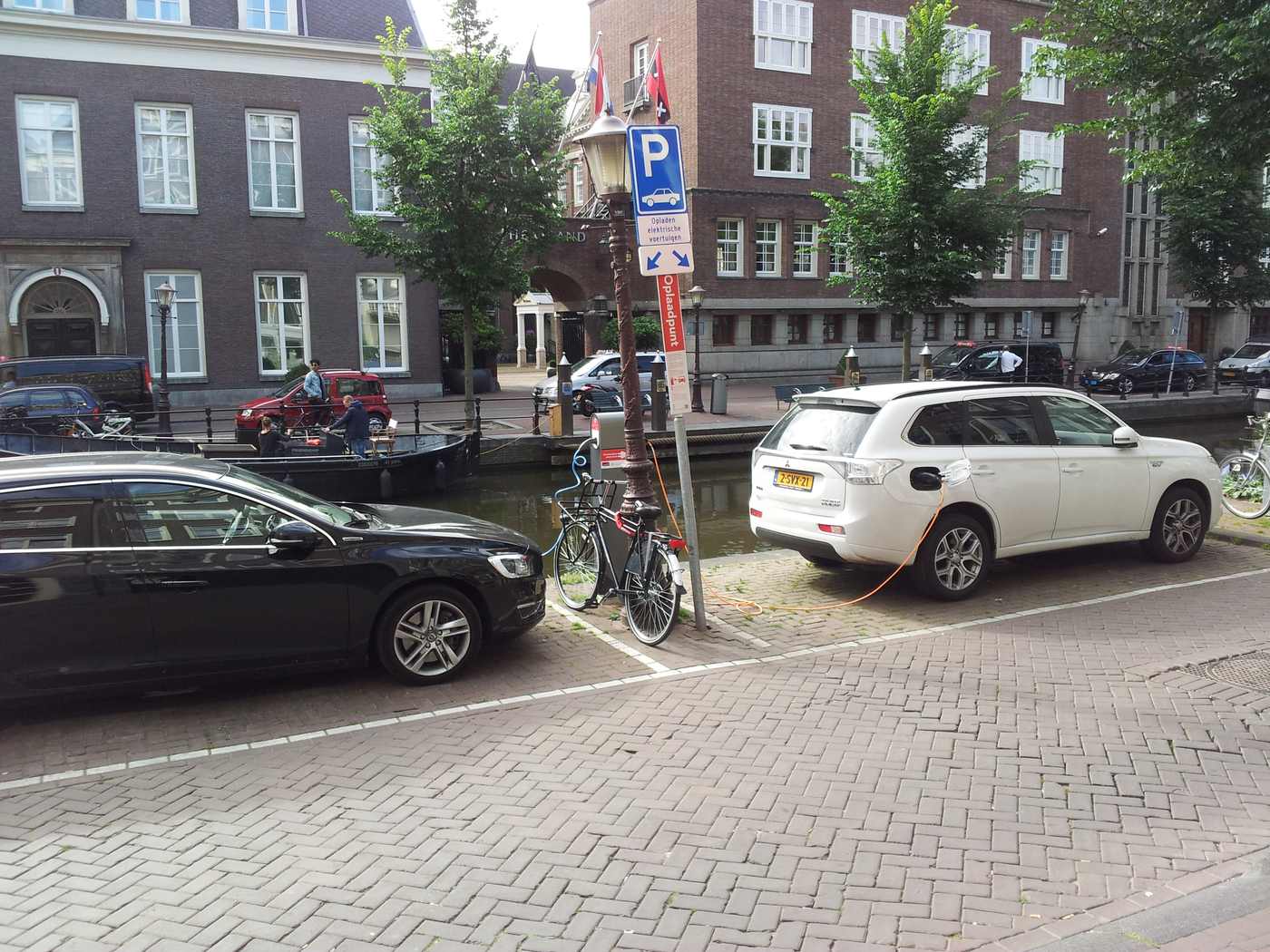
- A plug-in hybrid drives its first 30 to 50 miles on electricity alone, then runs as an ordinary hybrid as far as the tank lasts.
- The whole proposition depends on the charging habit — a PHEV that is never plugged in is just a heavier hybrid.
- A PHEV beats a full EV for drivers who need long-range flexibility without charging-network dependence.
- The lineup has shrunk after recent exits — check which models are still on sale.
Every plug-in hybrid guide should start by admitting the technology is two compromises welded together — a battery too small to go everywhere on electricity, and an engine you carry even when you don't need it — and then explain why, for the right driver, that weld is the smartest car on the lot. A plug-in hybrid (PHEV) charges from a wall like an EV, drives its first 30 to 50 miles on electricity alone, and then runs as an ordinary hybrid for as far as the fuel tank lasts. This guide explains how that range really behaves, the charging habit the whole proposition depends on, which models still exist after a year of quiet exits, and the drivers a PHEV genuinely beats a full EV for.
Plug-In Hybrid Guide: The Current Lineup, After the Exits
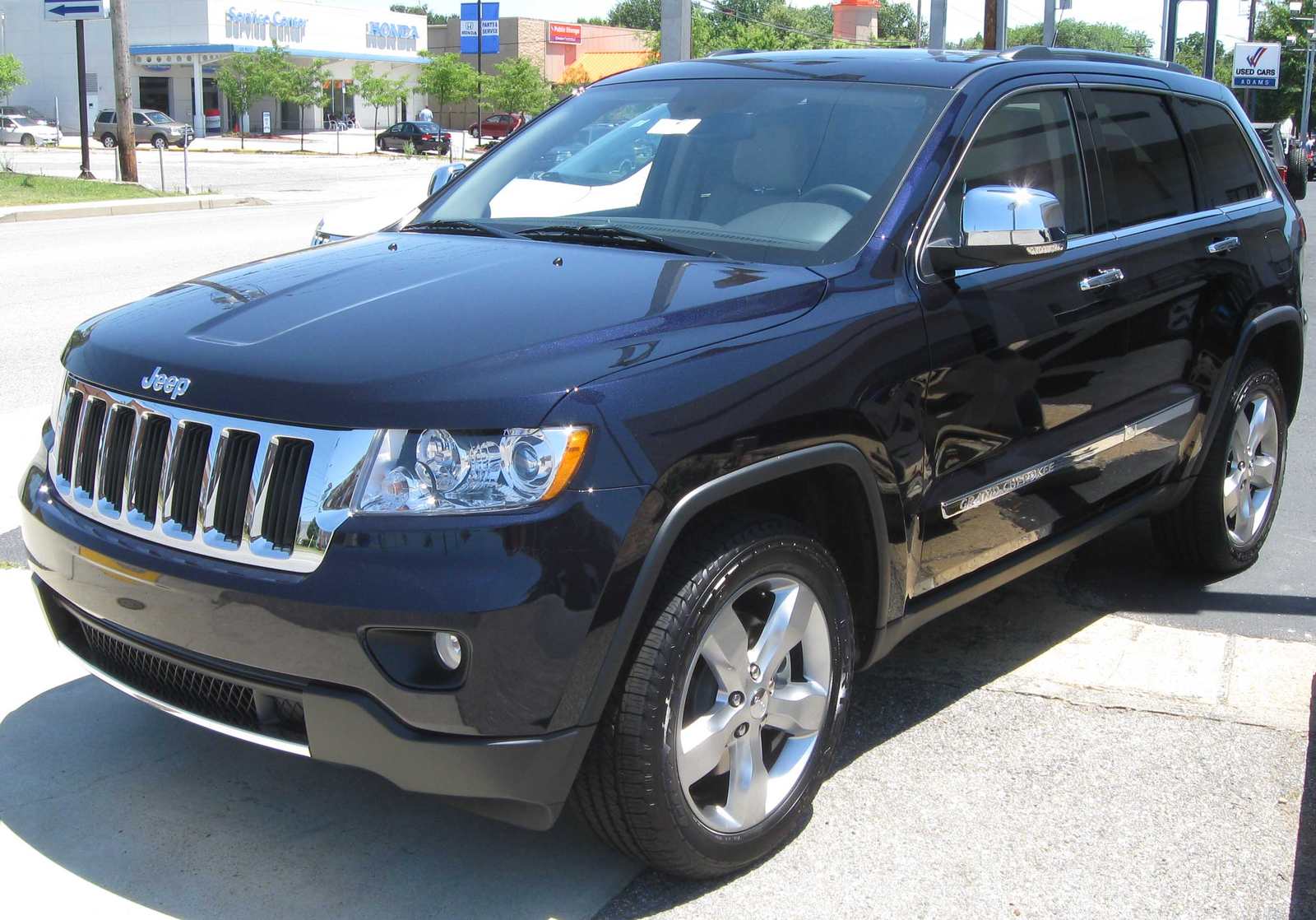
The PHEV field shrank before it settled. The federal tax credit that once subsidized many plug-in hybrids — including through leases — ended in September 2025, as our EV tax credit explained guide documents, and Stellantis then discontinued all of its North American plug-in hybrids from the 2026 model year: the Jeep Wrangler and Grand Cherokee 4xe and the Chrysler Pacifica Hybrid all ended after 2025, and what remains of them is leftover stock, which our Jeep buying guide treats on those terms. What is left is a smaller, more serious field from brands still building them:
| Current plug-in hybrid (2026) | Type | EPA electric range (about) |
|---|---|---|
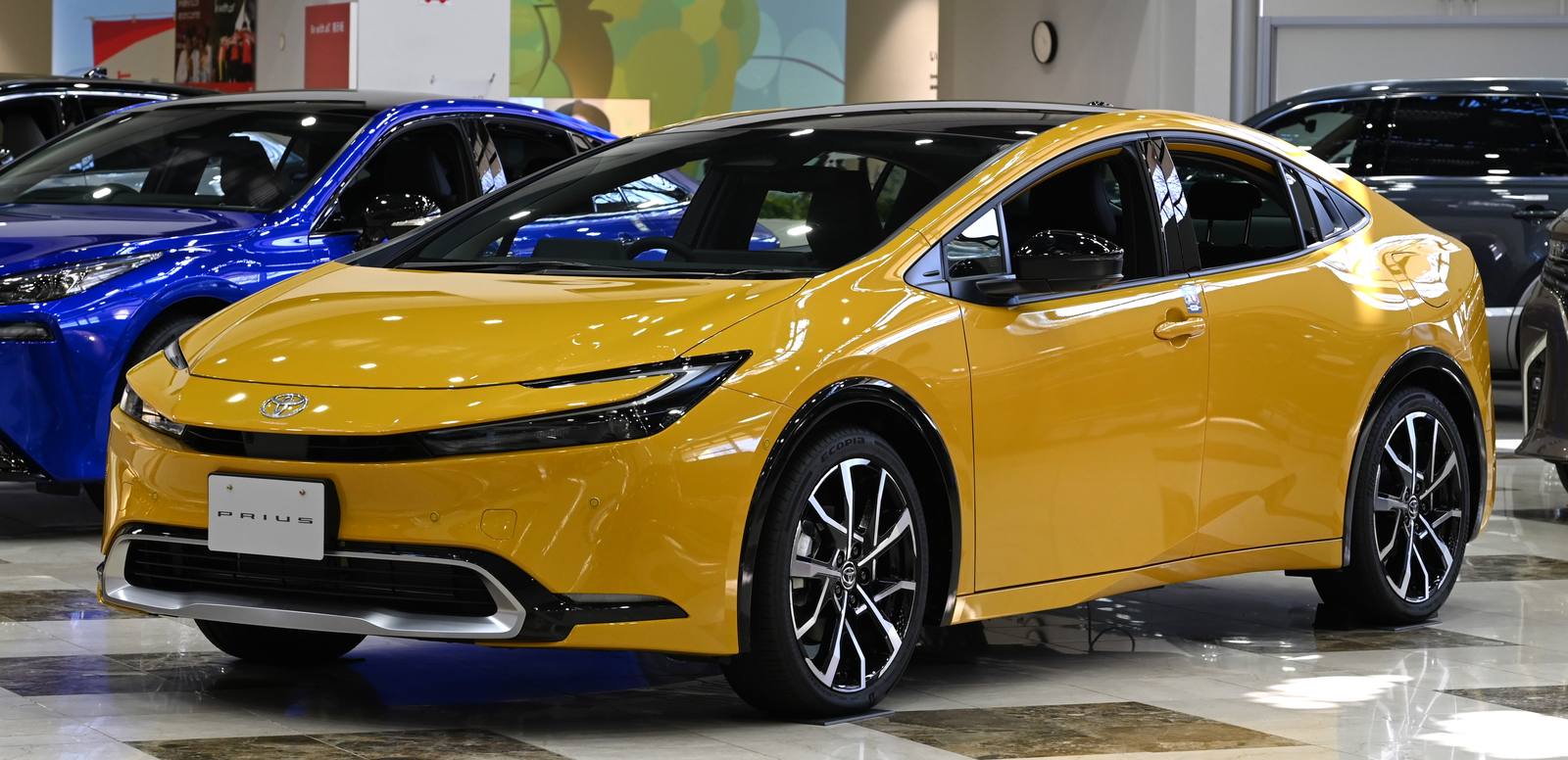
| Toyota Prius Plug-In Hybrid | Sedan | 44 miles |
| Toyota RAV4 Plug-In Hybrid | SUV | 50 miles |
| Kia Niro Plug-In Hybrid | Small crossover | 33 miles |
| Hyundai Tucson Plug-In Hybrid | SUV | 32 miles |
| Kia Sportage Plug-In Hybrid | SUV | 34 miles |
| Mitsubishi Outlander PHEV | Three-row SUV | 45 miles |
| Kia Sorento Plug-In Hybrid | Three-row SUV | 31 miles |
| Volvo XC60 and BMW X5 xDrive50e | Luxury SUVs | 35–39 miles |
Range figures are EPA ratings that vary a little by trim and year; treat them as planning numbers, not promises. The pattern across the table matters more than any single figure: a modern PHEV covers a typical commute entirely on electricity, and none of them asks you to think about range beyond that.
The Charging Habit the Whole Proposition Depends On
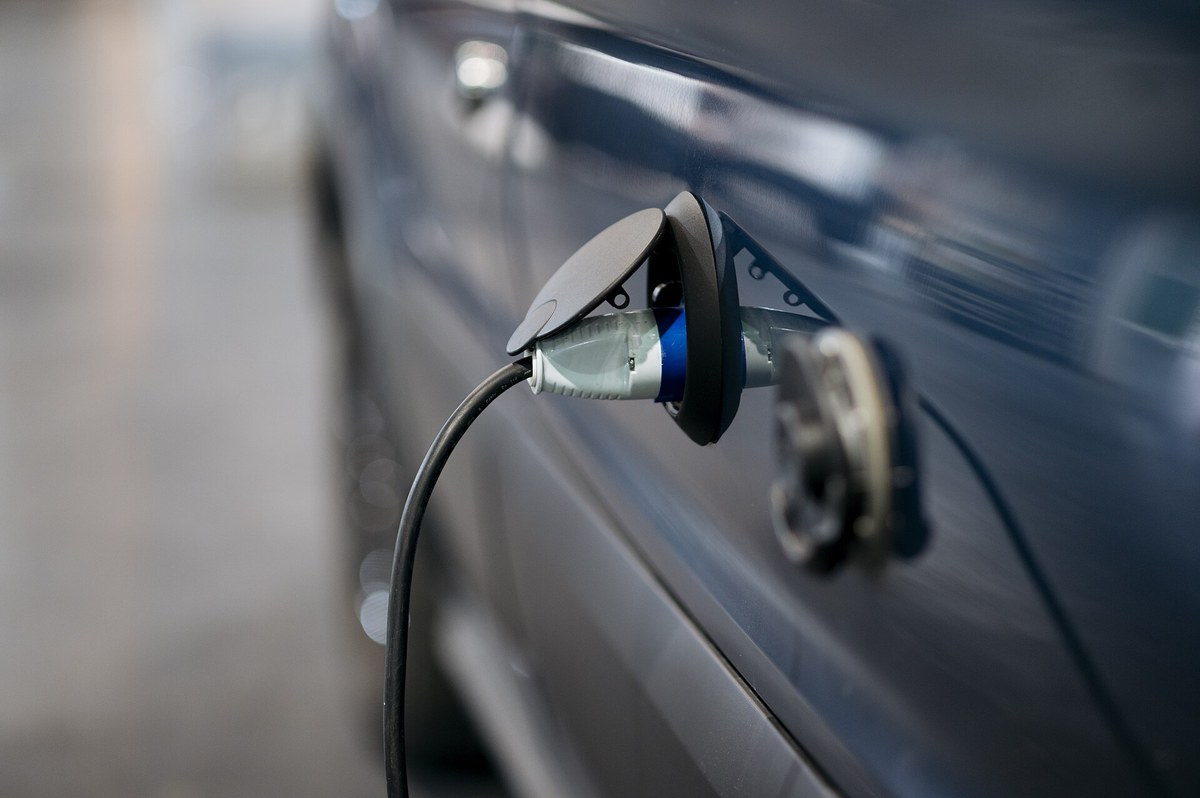
Here is the plug-in hybrid explained in one sentence: it is a behavior before it is a technology. Plugged in nightly, it runs your commute on electricity at home-charging prices, and the gasoline engine becomes a range extender you use on weekends and road trips. Never plugged in, it is a conventional hybrid carrying a bigger, heavier battery — its fuel economy on gasoline alone is merely hybrid-grade, and you paid a premium for a capability you are not using. The US Department of Energy's guidance makes the same point: a PHEV's real-world fuel use is set mainly by how often it charges.
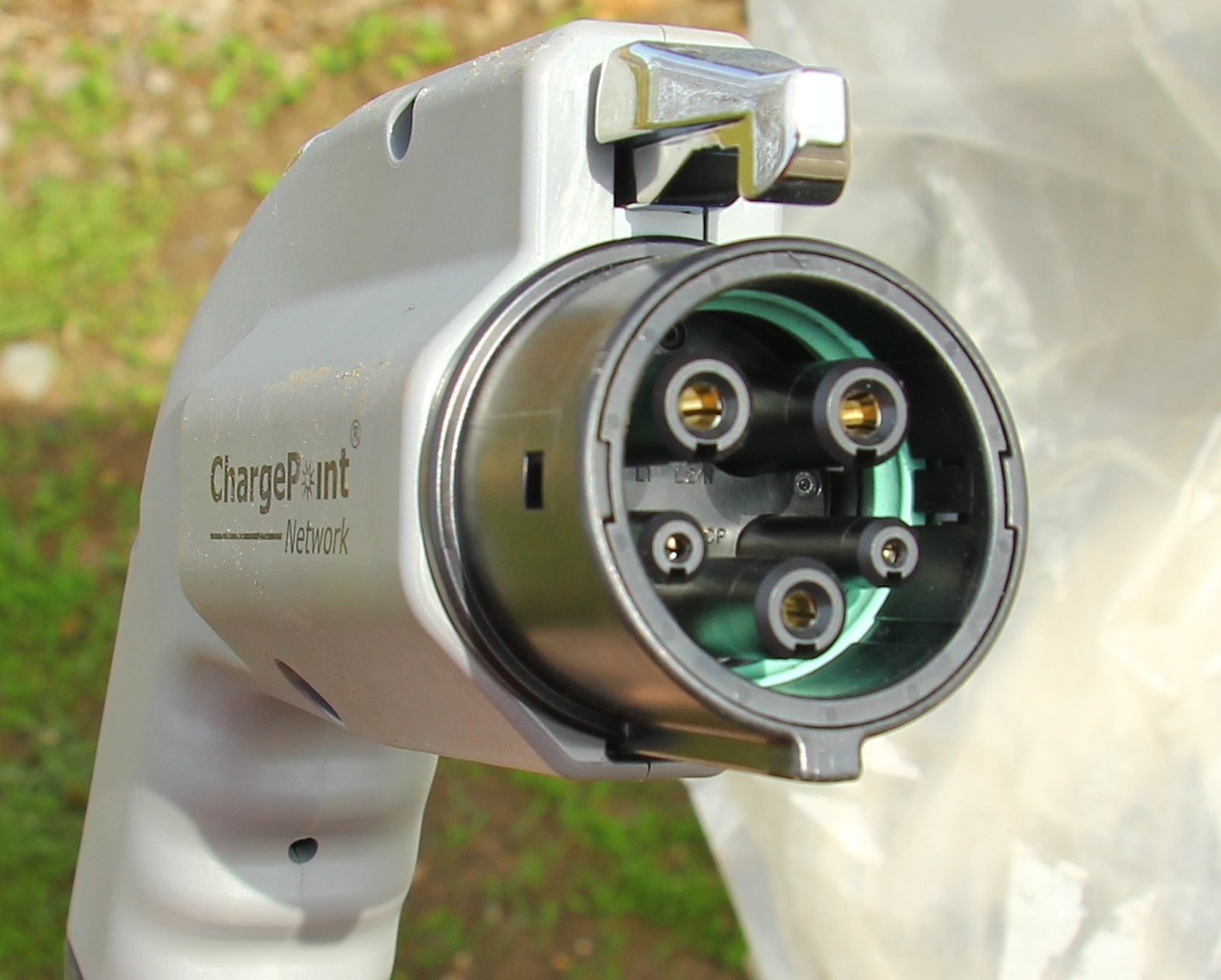
The saving grace is how little charging infrastructure that habit needs. PHEV batteries are small — most refill overnight from a standard outlet, and a Level 2 charger fills one in roughly two to three hours. Our home EV charging guide covers both levels; for a PHEV, the honest advice is to start with the outlet you already have and upgrade only if the car is not full by morning. Battery longevity follows the same logic as a full EV's, and the warranty floor and degradation terms in our EV battery warranty explained guide apply to these smaller packs too.
When a PHEV Beats a Full EV
Against the best affordable electric cars, a plug-in hybrid wins in specific, recognizable situations:
- One car, two lives. Your weekdays are a 25-mile round trip; your weekends are 400-mile drives to places with no fast chargers. A PHEV electrifies the first life completely and makes the second a non-event. A full EV handles the first just as well and asks you to plan the second around charging stops.
- You can plug in at home but not upgrade. A PHEV thrives on a plain outlet or a modest circuit. A large-battery EV is livable that way too, but refills slowly; the PHEV's small pack is full every morning regardless.
- Towing and cold. Electric range falls in winter and under load in any EV. In a PHEV the engine absorbs both penalties; in a full EV they come straight off your range.
- Charging deserts and uncertain moves. If your housing, job or region may change, the PHEV never depends on a charger existing at the other end.
And the honest counterweight: if you can install proper home charging and your longest regular day fits inside a modern EV's range with margin, a full EV is the simpler, cheaper-to-run answer — one powertrain, no oil, no engine maintenance at all. Our electric car buying guide works through that decision from the EV side.
PHEV vs Hybrid vs EV: Placing the Plug-In Hybrid
It helps to see the PHEV as the middle rung of a ladder rather than a rival to everything. A conventional hybrid — the comparison in our hybrid vs gas car guide — never plugs in and saves fuel everywhere, a little at a time. A plug-in hybrid adds a chargeable battery big enough to erase fuel use on short days entirely, at the cost of a higher price and the discipline of plugging in. A full EV erases the engine entirely, at the cost of depending on charging for every mile.
Price the middle rung the way you would any of them: a PHEV carries an invoice price, holdback and incentives like any dealer-sold car, so the numbers behind a quote can be checked on our invoice pricing page and the out-the-door totals compared in the calculator.
Frequently Asked Questions
How far can a plug-in hybrid go on electricity alone?
Current models are EPA-rated at roughly 30 to 50 miles of electric range, depending on the model — the Toyota RAV4 Plug-In Hybrid sits at the top of that span at about 50 miles, and most compact PHEV crossovers cluster in the low-to-mid 30s. Cold weather, highway speeds and a heavy right foot all shorten the real figure.
What happens when a plug-in hybrid's battery runs out?
It becomes a hybrid. The gasoline engine and electric motor work together exactly as they do in a conventional hybrid, at hybrid-grade fuel economy, for as far as the fuel tank lasts. There is no point at which a PHEV is stranded by an empty battery while it still has fuel.
Do I need a Level 2 charger for a plug-in hybrid?
Usually not to start. PHEV batteries are small enough to refill overnight from a standard outlet, and Level 2 becomes a convenience — a two-to-three-hour refill — rather than a necessity. Start with the outlet, and upgrade only if your routine outruns it.
Are Jeep 4xe and Chrysler Pacifica Hybrid models still on sale?
Not as new current models. Stellantis discontinued all of its North American plug-in hybrids after the 2025 model year, so the Wrangler and Grand Cherokee 4xe and the Pacifica Hybrid exist now only as leftover dealer stock and used cars. Shoppers set on one should price it as the end of a line — and weigh the brands still building PHEVs, listed in the table above, before committing.
Conclusion: The Plug-In Hybrid Guide in One Paragraph
A plug-in hybrid guide comes down to one question: does your life split cleanly into short electric days and long gasoline ones? If it does — and you will plug in nightly, which is the whole bargain — a PHEV from the brands still building them delivers most of an EV's running-cost advantage with none of its range planning. If it doesn't, buy the hybrid or the EV and skip the middle. Price the finalists first with our plug-in hybrid guide invoice pricing guide, then run the running-cost maths in our guide to plug in hybrids calculator. Start at MyCarDiscount.com.
Get the number dealers start from.
Invoice, estimated true cost, out-the-door — before any dealer hears your name.