
Home EV Charging Guide: Level 1, Level 2 and Install Costs
Home EV charging explained, in short: the cheapest, most convenient fuelling most drivers will ever have — once you match Level 1 or Level 2 to how far you drive and what your electrical panel can handle.
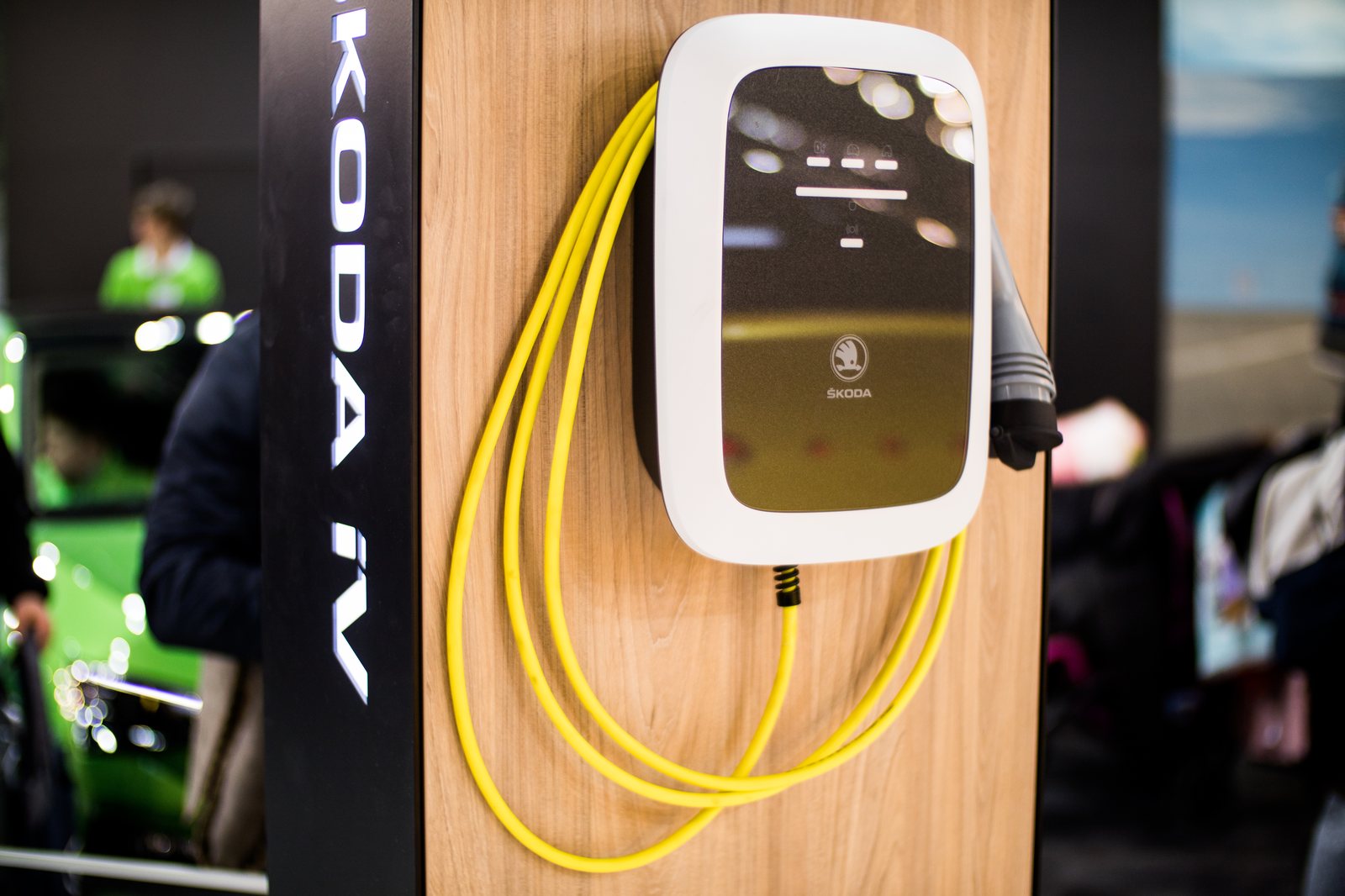
This home EV charging guide answers the question every first-time EV buyer asks after the test drive: how to charge an EV at home, and what it will cost to set up? The good news is that home charging is the cheapest and most convenient fueling most drivers will ever have. The honest news is that the right setup depends on how far you drive, what your electrical panel can handle, and whether a standard outlet is enough. This guide walks through Level 1 versus Level 2, panel capacity, installation costs, running costs, and the charging habits that protect your battery.
Home EV Charging at a Glance
| Item | Level 1 | Level 2 |
|---|---|---|
| Power source | Standard 120-volt household outlet | 240-volt circuit, like an electric dryer |
| Range added | Roughly 5 miles per hour of charging (US Department of Energy) | Around 25 miles per hour at typical amperages, more on larger circuits |
| Equipment | Usually the portable cable supplied with the car | A dedicated wall-mounted or plug-in charging unit |
| Installation | None, if a suitable outlet is nearby | Electrician install, permit and inspection in most areas |
| Best for | Low daily mileage, plug-in hybrids, second cars | Daily drivers, longer commutes, larger batteries |
Home EV charging guide: Level 1 vs Level 2 charging speeds
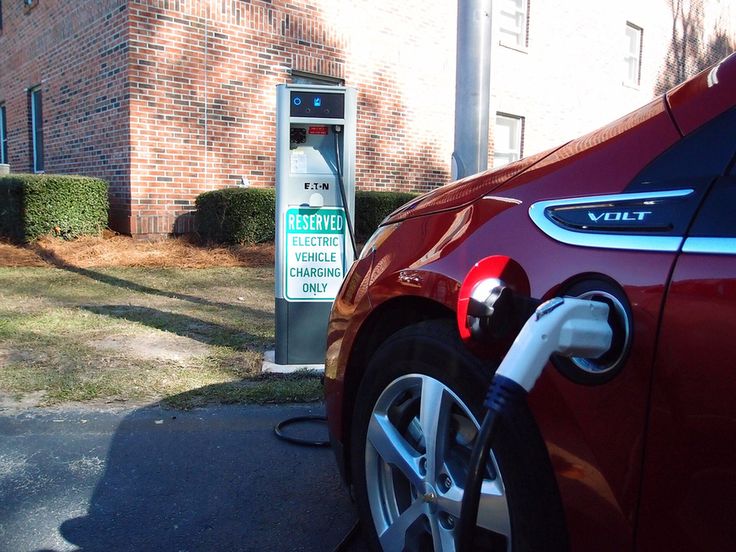
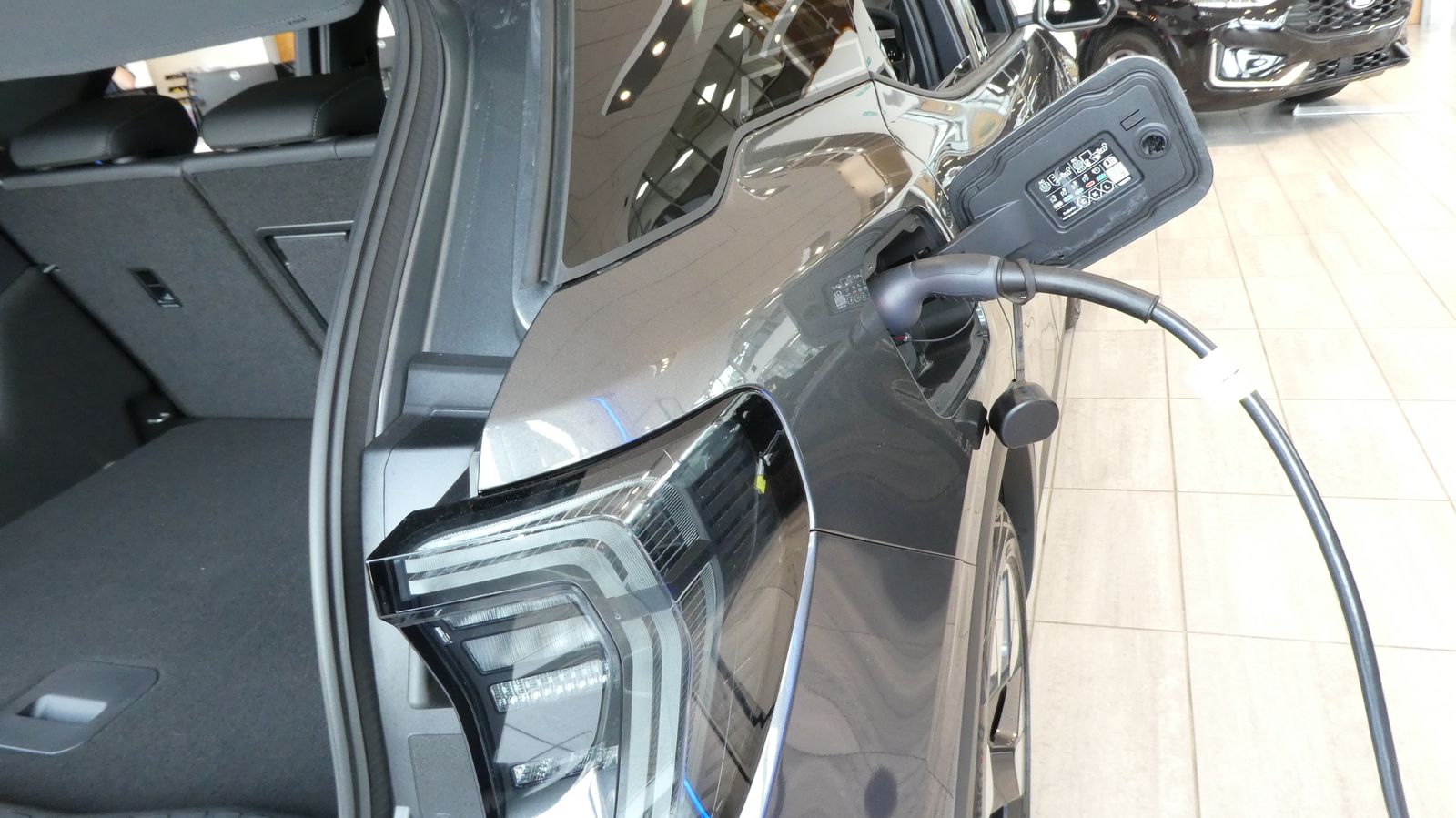
Level 1 is the cable that comes with most EVs, plugged into an ordinary outlet. According to the US Department of Energy, it adds roughly 5 miles of range for every hour of charging. That sounds slow, and it is — but do the math against your real life. A car parked for ten hours overnight gains around 50 miles of range, which covers the daily driving of a large share of commuters. If that describes you, Level 1 may be all you need, at least to start.
Level 2 uses a 240-volt circuit and a dedicated charging unit. A typical home setup adds around 25 miles of range per hour, and higher-amperage units add more. A depleted battery refills overnight with room to spare, and a two-hour top-up adds meaningful range rather than a token gesture. Level 2 is the right answer if you drive long distances daily, share one EV between drivers, have a large-battery vehicle, or simply want the flexibility to arrive home empty and leave full.
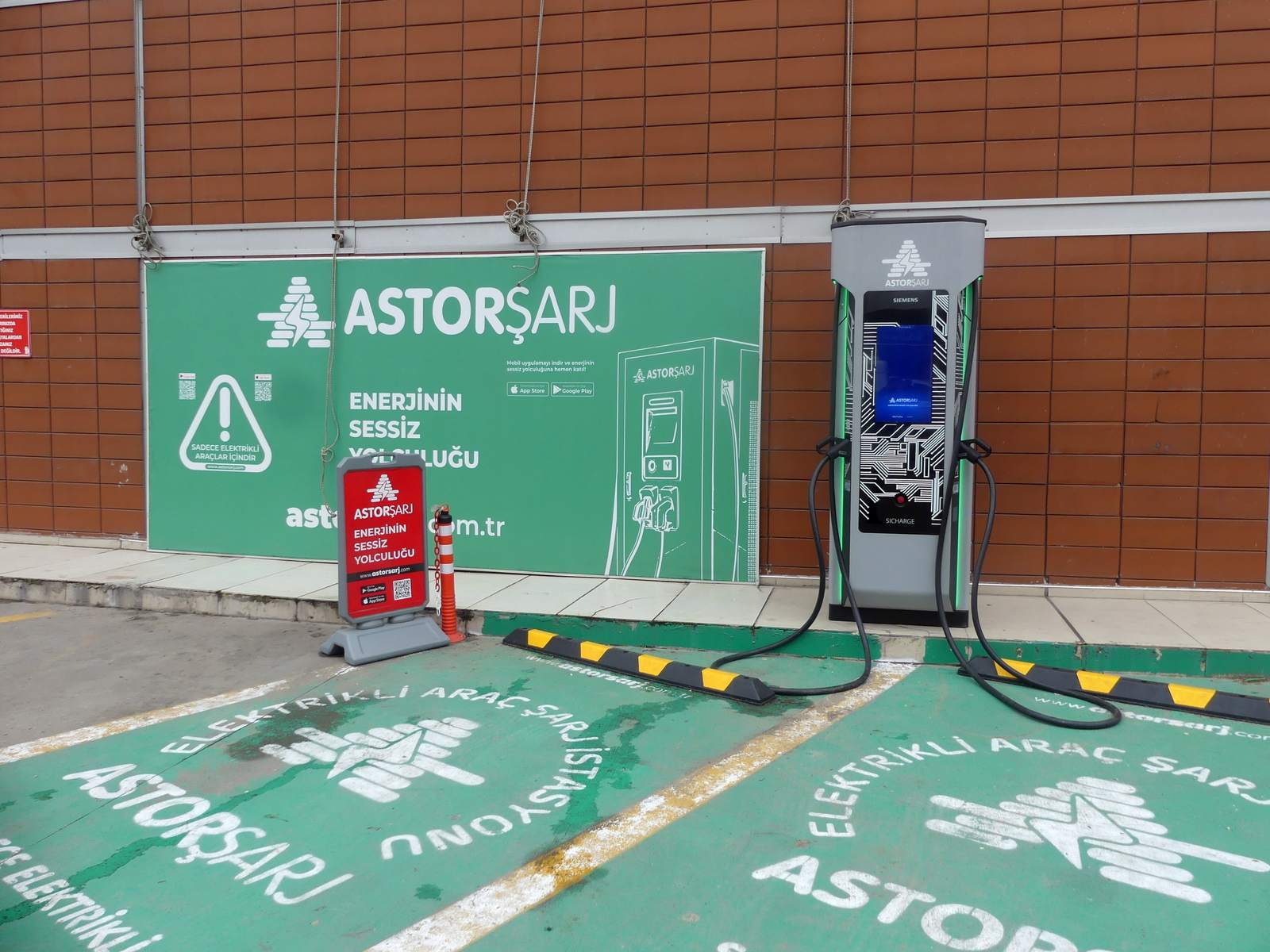
DC fast charging is not a home option — it requires commercial-grade power and equipment — so the home decision is genuinely just these two levels.
Will your electrical panel cope?
The charger is the easy part. The real question is your home's electrical service. A Level 2 charger typically needs a dedicated 40- to 60-amp circuit. Homes with 200-amp service usually absorb that without drama. Homes with 100-amp service — common in older properties — may already be running near capacity once the stove, dryer, water heater and air conditioning are counted.
An electrician performs a load calculation before quoting. If the panel is full, your options are a panel upgrade, a lower-amperage charger matched to the spare capacity, or a load-management device that pauses charging when the house is drawing heavily. None of these is a reason to abandon Level 2, but they change the price, which is why install quotes for identical chargers vary so much between houses.
Renters and condo owners face a different problem: permission. Charging at a multi-unit building usually needs landlord or association approval, and the cost-sharing rules vary. Settle that before you buy the car, not after.
What a Level 2 install really costs
Treat every figure in this section as a labeled illustrative range, not a quote: hardware for a home Level 2 unit commonly runs a few hundred dollars, a straightforward installation near an existing panel with spare capacity commonly runs in the high hundreds to low thousands, and a job involving a panel upgrade, a long cable run or trenching to a detached garage can reach several thousand. Your three itemized electrician quotes — always get more than one — replace these ranges with your real number.
Two cost points are easy to miss. First, permits and inspection are part of a proper install in most jurisdictions; a quote that skips them is a warning sign, not a saving. Second, do not budget around a federal charger tax credit. The Section 30C refueling property credit covered some home charging equipment in eligible areas, but it terminated for property placed in service after June 30, 2026. State and utility rebates for chargers and panel work still exist in many places and are worth checking with your utility before you sign an install contract — they are now the main incentive left for home charging.
Running costs: the per-mile math
Charging cost is consumption multiplied by your electricity rate. This worked example is illustrative only: take a car that uses 30 kWh per 100 miles and a home rate of $0.15 per kWh. One hundred miles costs 30 × $0.15 = $4.50. Over 12,000 miles a year that is 3,600 kWh and $540. A gasoline car at an illustrative 30 mpg and $3.50 a gallon costs about $11.67 per 100 miles, or roughly $1,400 over the same year.
Your numbers will differ. The US Energy Information Administration's data shows residential electricity prices vary widely by state, and many utilities offer EV or time-of-use plans that cut the overnight rate further in exchange for charging off-peak. Run your own rate and mileage through our home ev charging guide calculator when you compare an EV against a gasoline model, and read how the battery itself is covered in our guide to EV battery warranty explained.
Home EV charging guide habits that protect your battery
How you charge matters as much as where. For daily driving, most manufacturers advise charging to around 80 percent rather than 100, and reserving a full charge for trips — lithium batteries age fastest when held at very high or very low states of charge. Use the car's scheduled-charging feature so charging finishes near your departure time instead of sitting full all night.
Heat is the other enemy. A car that charges in a shaded garage ages its battery more gently than one baking on a driveway, and preconditioning the cabin while still plugged in spends wall power instead of battery range. None of this requires obsession: plug in when you get home, let the car manage the schedule, and avoid leaving the battery near empty for weeks. Our explainer on Tesla prices covers how direct-sale EVs handle the purchase side; the charging side in this guide applies to every brand.
Frequently asked questions
Can I charge an EV from a normal household outlet?
Yes. That is Level 1 charging, using the portable cable supplied with most EVs. It adds roughly 5 miles of range per hour, which is enough for low-mileage drivers who park overnight. The outlet should be in good condition and the circuit should not be shared with other heavy loads.
Do I need a panel upgrade for Level 2 charging?
Not always. Homes with 200-amp service usually have room for a 40- to 60-amp charging circuit. Homes with 100-amp service may need an upgrade, a lower-amperage charger, or a load-management device. Only an electrician's load calculation can tell you which applies to your house.
How long does a Level 2 installation take?
The charger itself typically goes in within a few hours once an electrician is on site. The slower parts are scheduling, permits and inspection, and any panel work. From first quote to charging at home, plan on days to a few weeks rather than a single afternoon.
Is home charging always cheaper than public charging?
Almost always, per mile driven. Home electricity at a residential or off-peak rate costs a fraction of public fast-charging prices, and you pay no session fees. Public charging wins on speed during trips; home charging wins on cost and convenience for the other 95 percent of your miles.
Conclusion: the home EV charging guide in one paragraph
A home EV charging guide really comes down to three decisions: whether Level 1 covers your daily miles, whether your panel supports the Level 2 setup you want, and which off-peak rate you will charge on. Answer those with an electrician's load calculation and itemized quotes, charge to around 80 percent for daily use, and home charging becomes the cheapest, calmest part of EV ownership — before you buy, check the car itself with our home EV charging explained guide. Start at MyCarDiscount.com.
Get the number dealers start from.
Invoice, estimated true cost, out-the-door — before any dealer hears your name.