
State EV Incentives After the Federal Credit: What Remains
State EV rebates: the federal credit is gone but a patchwork of state rebates, utility perks and fee breaks remains — this guide maps the major state programs and how to stack them with dealer discounts.
Key Takeaways
- The federal credit is gone for vehicles acquired after September 30, 2025 — and solo EV carpool-lane access ended with it, every decal invalid from October 1, 2025.
- Live state money includes Massachusetts MOR-EV at $3,500 (stackable to $6,000), Colorado's credit up to $3,250, New Jersey up to $4,000 and New York at $500 to $2,000.
- Programs run out of money: Oregon's window closes November 4, 2026 with funds already low, so verify live status and funding on the day you shop, not after.
- State money stacks on a negotiated price rather than replacing negotiation: negotiate first, then apply the incentive, and get it as a line item on the buyer's order.
The federal clean vehicle credit ended for vehicles acquired after September 30, 2025, and with it went the simple national math of EV buying — walk in, take $7,500 off, drive out. What replaced it is a patchwork: a shrinking Colorado tax credit, a Massachusetts rebate with income adders, an Oregon program that literally closes in November, and more than half the states offering nothing at the point of purchase at all. Some states have even moved the other way, charging EVs extra annual fees. This guide maps the major state EV incentives still live as checked on October 23, 2026, with the deadlines and funding warnings attached — because in the post-federal era, when a program is open matters as much as what it pays.
State EV Incentives at a Glance
| State | Program | What you can get | Status at October 23, 2026 check |
|---|---|---|---|
| California | Clean Cars 4 All / MyFirstEV | Up to $12,000 plus $2,000 for charging (income-qualified, retire an older car); $3,500 first-time-buyer instant rebate | Open; the old statewide CVRP rebate closed in 2023 |
| Colorado | Innovative Motor Vehicle Credit | $750, or $3,250 total if MSRP is under $35,000 | Open for 2026; credit is assignable to the dealer at sale |
| Massachusetts | MOR-EV | $3,500 on a new EV; income and old-car trade-in adders | Open; apply at the dealer or within 90 days |
| New Jersey | Charge Up New Jersey | $1,500, up to $4,000 with the income-qualified bonus | Renewed July 1, 2026; point of sale while funds last |
| New York | Drive Clean Rebate | $500–$2,000, tiered by electric range | Open; point of sale at participating dealers |
| Oregon | Clean Vehicle Rebate / Charge Ahead | $2,000 standard (new BEV); up to $7,500 income-qualified | Window closes November 4, 2026; funds low, waitlist forming |
| Illinois | EV Rebate | $2,000–$4,000 | Paid in funding rounds as appropriations allow |
| Maryland | Excise tax credit | $3,000 | Funding-contingent; historically exhausted mid-cycle |
Amounts are the published program terms at the check date in the right-hand column; every program below carries eligibility rules — residency, MSRP caps, income bands — that decide real-world value.
What Ended, and What Quietly Ended With It
Start with the obituaries, because stale information is expensive here. The Section 30D federal credit — up to $7,500 on a new qualifying EV — is gone for any vehicle acquired after September 30, 2025, and the federal used-EV credit ended on the same schedule; our EV tax credit explainer carries the full history in the past tense it now deserves. California's statewide Clean Vehicle Rebate Project, once the country's flagship rebate, closed back in 2023. And one perk many drivers still assume exists does not: solo carpool-lane access for EVs is over everywhere in the United States. The federal authority behind Clean Air Vehicle decals expired September 30, 2025, every decal became invalid the next day, and no state can issue new ones. If a listing or a salesperson dangles HOV access as an EV benefit in 2026, it is a benefit that no longer exists.
The Programs Still Writing Checks
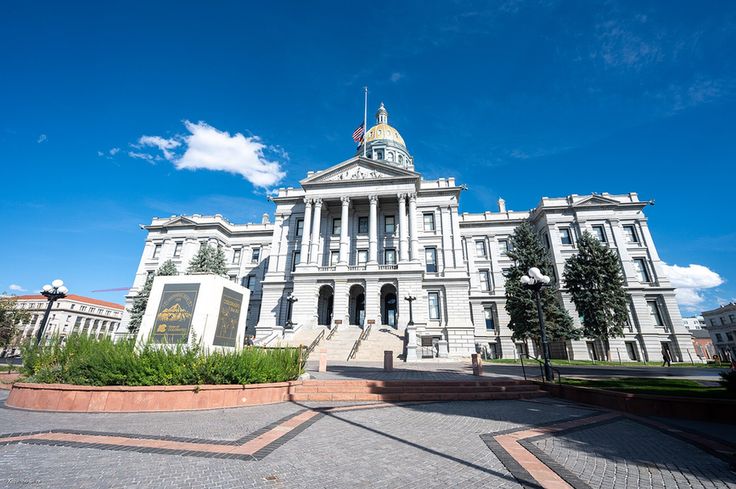
Colorado still runs the most stackable credit, but it is a shadow of its peak: the innovative motor vehicle credit, $5,000 in 2023–24 and $3,500 in 2025, pays $750 for a 2026 purchase, with a $2,500 bonus if the MSRP is under $35,000 — up to $3,250 — and it remains refundable and assignable to the dealer, so it can still come straight off the price at signing. Income-qualified Coloradans retiring an old, high-emitting vehicle can layer Vehicle Exchange Colorado on top, worth up to $9,000 toward a new EV. Massachusetts MOR-EV pays a flat $3,500 on an eligible new EV at or under a $55,000 MSRP, adds $1,500 for income-qualified buyers through MOR-EV+, and a further $1,000 for trading in a qualifying gasoline car at least 12 years old — a genuinely stackable $6,000 ceiling. New Jersey renewed Charge Up for its fiscal 2027 on July 1, 2026: $1,500 at the point of sale, plus $2,500 for buyers who prequalify as income-qualified. New York's Drive Clean Rebate remains the steadiest of the set — $500 to $2,000, tiered by range, applied at the dealer with no income test. California's surviving money is targeted rather than universal: Clean Cars 4 All pays income-qualified residents up to $12,000 toward a replacement clean vehicle plus $2,000 for charging when they retire an older car, and a MyFirstEV instant rebate ($3,500 new, $1,750 used) launched in August 2026 for first-time zero-emission buyers at participating automakers. And Oregon is the urgency case: its 2026 window opened August 25 and closes November 4, 2026, paying $2,000 on a new BEV ($1,500 PHEV) under a $50,000 cap, or up to $7,500 for income-qualified Charge Ahead buyers — with the state already warning that funds are running low and late applicants face a waitlist paid in spring 2027.
The Other Direction: EV Fees and Utility Perks
Balance the map honestly. Roughly half the states levy an extra annual registration fee on EVs to replace lost fuel-tax revenue — the Tax Foundation's July 2026 table puts most between about $100 and $275 a year, with Texas at $200 and Georgia near $274 — so an EV in a no-incentive, high-fee state can carry a small annual penalty where a neighboring state offers a rebate. The durable money in those states is local: utilities widely offer home-charger rebates and off-peak charging rates, and those survive precisely because they are utility programs, not appropriations. When you total an EV's costs honestly, pair the one-time incentive picture here with the running-cost side in our guides to what charging costs and EV maintenance versus gas cars — and if winter range matters to your math, the winter EV range guide quantifies the cold-weather haircut before it surprises you.
How to Verify Yours Before You Buy
Programs open, close and exhaust funds on budget calendars that ignore your shopping schedule — Oregon has suspended and reopened repeatedly, and Illinois pays in rounds — so treat every figure in this guide as a pointer, not a promise. Before you sign: check your state energy office or clean-vehicle program page for live status and the current eligible-vehicle list; confirm whether the program runs through the dealer at the point of sale (New York, New Jersey, Massachusetts, Oregon) or through your tax return (Colorado's credit, unless assigned) or a post-purchase application with a deadline (Massachusetts allows 90 days); and make the dealer put any point-of-sale incentive as a line item on the buyer's order, because a rebate the program later denies is a dispute you want documented. Stacking is generally allowed — state money sits on top of the negotiated price and manufacturer offers, not instead of them — which is why the order of operations is negotiate first, then apply the incentive, never the reverse. Buyers weighing a plug-in hybrid against a full EV should also read hybrid versus plug-in hybrid, since several programs pay the two powertrains differently.
Frequently Asked Questions
Is there still a federal EV tax credit in 2026?
No. The Section 30D new-vehicle credit ended for vehicles acquired after September 30, 2025, and the federal used-EV credit ended on the same schedule. Any advertisement still leading with a federal $7,500 credit is describing a program that no longer exists; what remains is state, local and utility money only.
Which states still offer EV incentives after the federal credit?
As checked on October 23, 2026, the substantial live programs include Colorado (credit up to $3,250), Massachusetts (rebate up to $6,000 stacked), New Jersey (up to $4,000), New York ($500–$2,000), Oregon (up to $7,500 income-qualified, window closing November 4, 2026), California's income-qualified and first-time-buyer programs, plus funding-contingent programs in Illinois and Maryland. Most other states offer utility-level perks only, and many charge EVs an extra annual registration fee instead.
Can state EV incentives be combined with dealer discounts?
Generally yes. State rebates and credits apply on top of the negotiated selling price and manufacturer incentives — they are government money, not dealer money — and point-of-sale programs come straight off the buyer's order at signing. Negotiate the vehicle price first as if no incentive existed, then stack the program on the result.
Do state EV rebates run out of money?
Regularly. Oregon's program has paused and reopened repeatedly and warned on October 17, 2026 that funds were running low, with late applicants waitlisted until spring 2027; Illinois pays in funding rounds, and Maryland's credit has historically exhausted its appropriation. If a state incentive is part of your budget, verify its live status and funding before you buy — not after.
The Bottom Line on State EV Incentives
The federal era is over, and what replaced it — state EV incentives — rewards homework: a few thousand dollars in Colorado, Massachusetts or New Jersey, a deadline-driven scramble in Oregon, steady small money in New York, and in much of the country nothing but utility perks and an extra registration fee. Verify your state's program on the day you shop, stack it on a properly negotiated price, and get it in writing on the buyer's order. That is the complete picture on EV incentives by state — know it before you negotiate, and the rest of the deal gets easier. Start at MyCarDiscount.com.
Get the number dealers start from.
Invoice, estimated true cost, out-the-door — before any dealer hears your name.