
How to Negotiate From Invoice Price, Not Down From MSRP
Learning to negotiate from invoice price beats haggling down from a sticker built to be discounted: build your offer up from dealer cost and let competing quotes set the price.
Most buyers negotiate down from the sticker and celebrate whatever discount they are given. This guide teaches the opposite discipline: how to negotiate from invoice price, building your offer up from what the car costs the dealer and letting competition — not showroom stamina — set the final number. The method takes an evening of preparation and a few emails. It works because every figure in it can be checked.
How to Negotiate From Invoice Price: The Method in One View
The logic is simple. MSRP is the manufacturer's suggestion, and the gap to invoice varies by thousands between models, so a discount target like "8% off sticker" is a guess dressed as a rule — the full anatomy is in MSRP vs invoice price. Invoice, by contrast, is anchored to cost. Beneath it sit holdback and, on some models, dealer cash; that stack is your estimate of the dealer's true cost (is invoice price the dealer cost builds it layer by layer). Your offer is that estimate plus a margin you consider fair for the dealer's work. Every dealer you approach then answers the same question — can you beat this total, out the door? — and their answers, not your debating skill, find the market price.
Consumer Reports has advised exactly this preparation for years: learn the invoice price, holdback, customer rebates and dealer incentives, and calculate a fair deal before facing a trained negotiator. So how do you negotiate from invoice price in practice? The steps below operationalise that advice.
Step 1: Fix the Exact Car and Its Invoice Figure
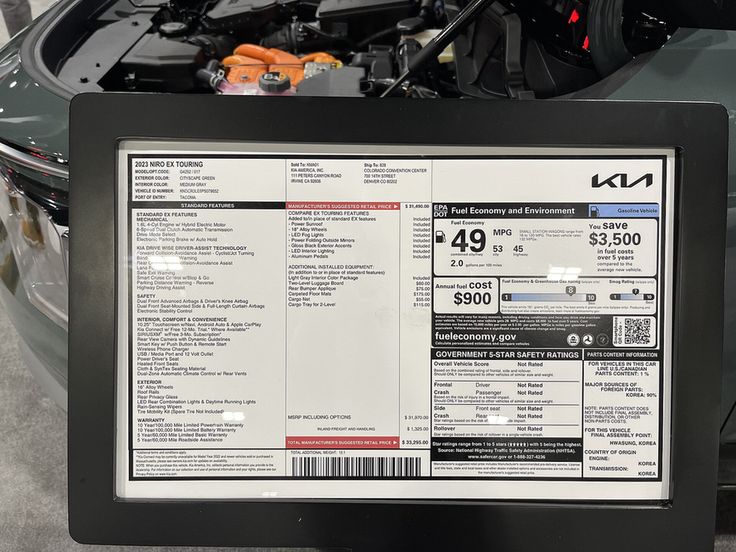
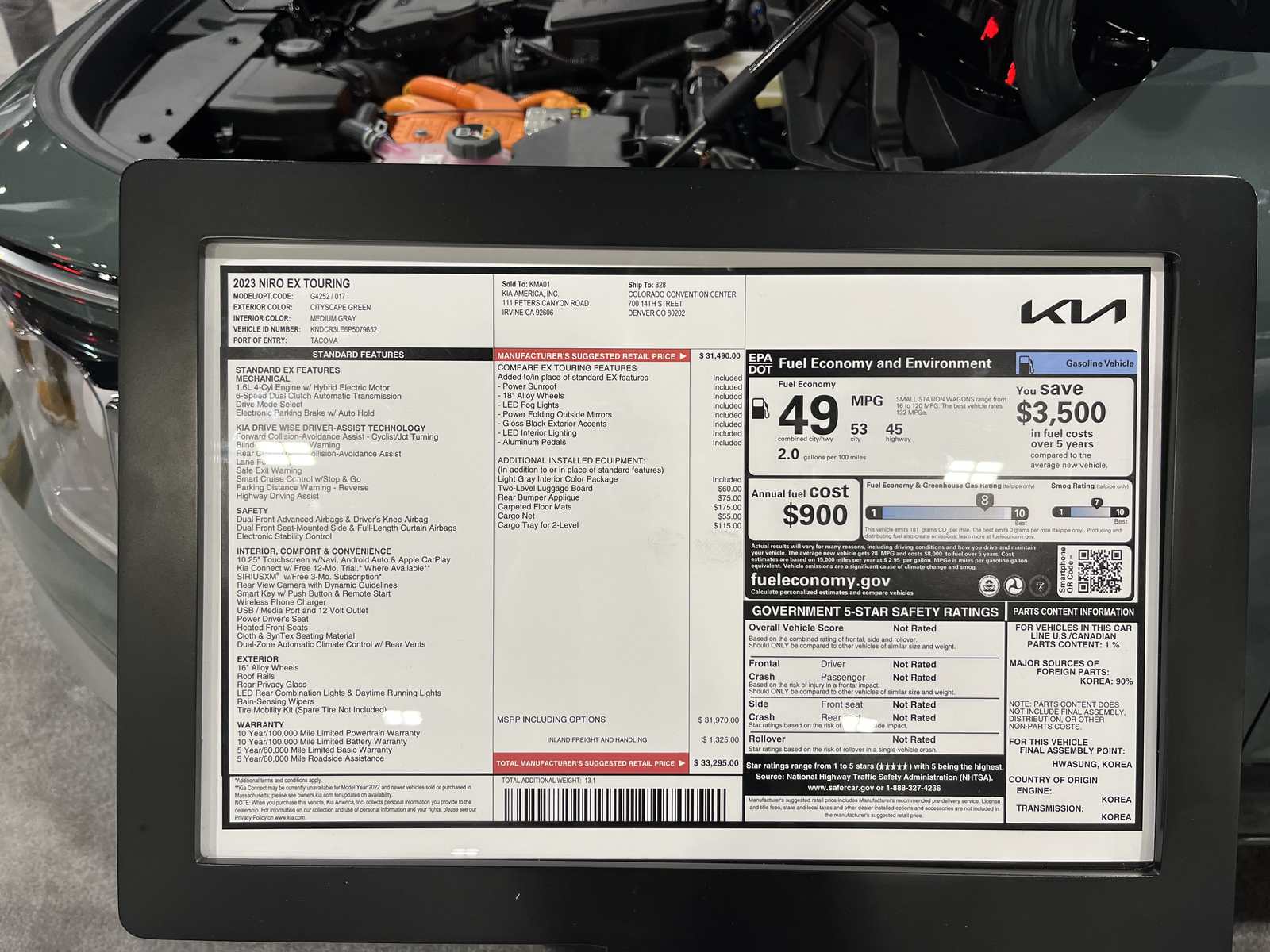
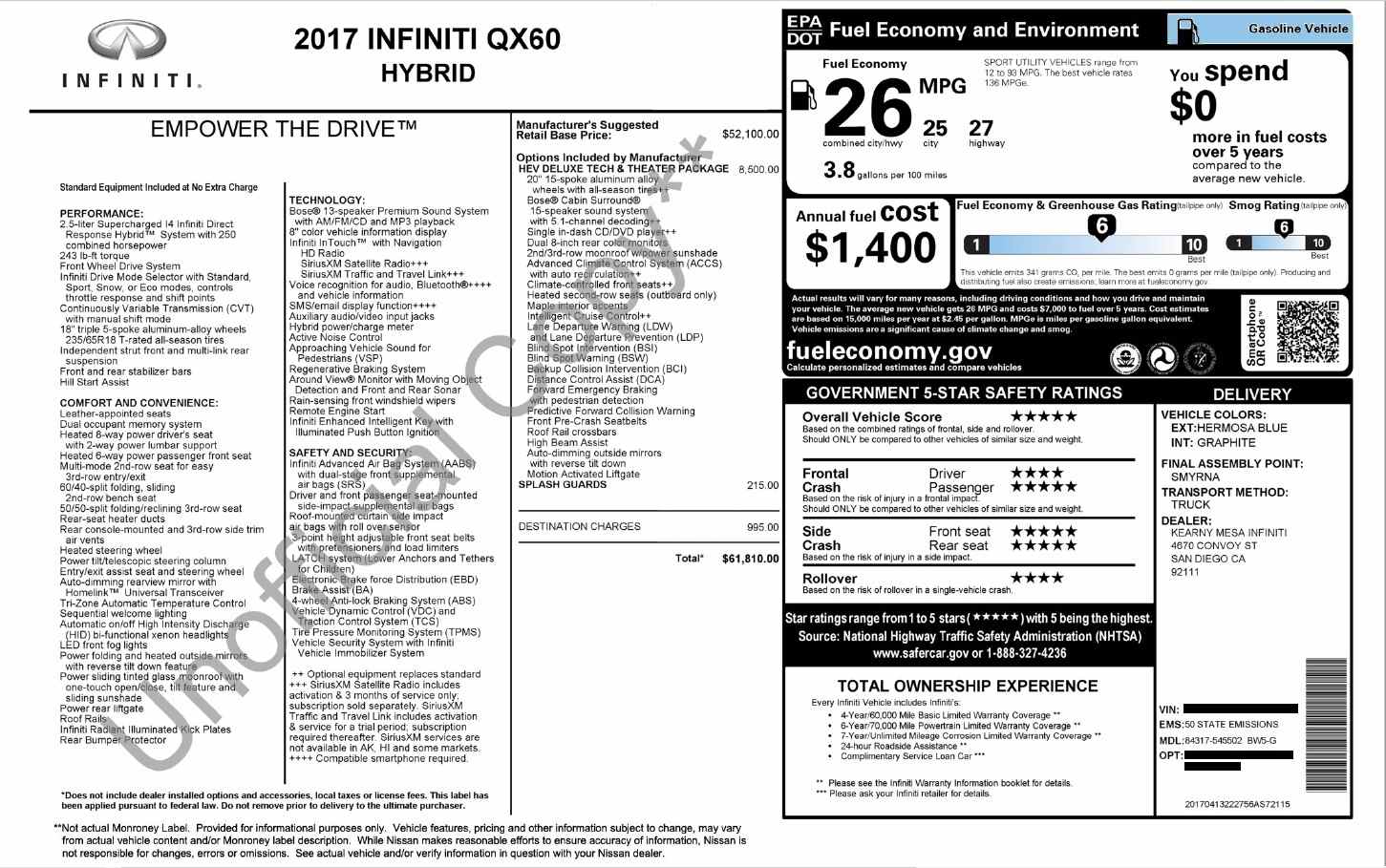
Negotiation collapses when the car keeps changing, so lock the specification first: make, model, trim, drivetrain and the factory options you actually want, identified by stock number or VIN at each dealer. Then get the invoice figure for that exact build — not the model's starting invoice, because options carry their own margins. How to find invoice price on a car covers the sources; the fastest is our invoice pricing tool, and brand-level context lives on the makes hub. Write down the MSRP from the window sticker of a real car in stock: if a dealer's "MSRP" does not match the Monroney label for that VIN, stop and resolve that before discussing price at all.
Step 2: Build Your Target From Estimated True Cost
Take the invoice figure, subtract your holdback estimate (use the typical 1–3% of MSRP range for the brand if you have no better source, and say so in your notes), subtract any dealer cash you have credible evidence for — and then stop subtracting. Customer incentives you qualify for come off your price later and are factory money, so list them separately. What remains is your estimated true cost. Add the margin you are willing to pay on top — on a mainstream car, many buyers target a few hundred dollars to around 3% over estimated true cost; on a scarce model you may need to offer more, and on a heavily supported model you may credibly offer cost itself. The table shows the arithmetic on an illustrative car (invented round numbers, not a real vehicle):
| Step | Illustrative amount |
|---|---|
| Total MSRP (sticker) | $38,000 |
| Invoice price for the exact build | $35,700 |
| Less estimated holdback at 2% of MSRP | −$760 |
| Estimated true cost | $34,940 |
| Your chosen margin over cost | +$500 |
| Your target selling price (before incentives, tax and fees) | $35,440 |
Now convert that target into the only number you will actually negotiate: the out-the-door total — target price, minus your qualifying customer incentives, plus tax, title, registration and the dealer's documentation fee. Our out-the-door calculator does that conversion; ask each dealer to quote against it directly.
Step 3: Get Competing Out-the-Door Quotes in Writing
Email or message three or more dealers who have the car (or an identical build) with one short, identical request. A template that works:
"I am buying this week. Please quote your best out-the-door price — selling price, every fee itemised, plus tax and registration — for stock #[number], VIN ending [digits]. I am asking the same of two other dealers and will buy from the lowest total. I do not need financing or a trade valuation to decide."
Written quotes are the heart of the method. The Consumer Financial Protection Bureau confirms that vehicle price, dealer fees and add-ons are all negotiable — and a written, itemised quote is how you tell which parts moved. If a quote arrives with unrequested accessories, a "market adjustment" that was never mentioned, or an incentive you do not qualify for baked into the price, reply once asking for a corrected itemisation. A dealer who will not itemise in writing is telling you how the signing appointment will go.
Step 4: Run One Clean Counter Round
Take the lowest credible out-the-door total to the other dealers once — "Dealer A is at $X out the door, itemised. If you can beat it on the identical car, I will buy from you today." One round is enough; endless auctions exhaust goodwill and invite games at signing. Keep trade-in and financing out of this round entirely. The CFPB's auto loan shopping worksheet makes the underlying principle concrete for the financing step that follows: compare total cost across offers, never the monthly payment in isolation. Get your own loan pre-approval before visiting, agree the car's price first, settle your trade-in as a separate transaction second, and only then let the dealer try to beat your financing.
Step 5: Hold the Line at Signing
Most of the money lost in car buying is lost in the last hour, on products added after the price was settled. Service contracts, GAP cover, paint and fabric protection and similar products are optional, and their prices are negotiable if you genuinely want them — the CFPB states this plainly in the same guidance. Compare the buyer's order line by line against the winning written quote: selling price, fees, tax, and nothing else unless you asked for it. If a new charge appears, the correct response is a question — "which line of my quote is this?" — not an argument. And if the deal on paper is not the deal you won, your walk-away number from Step 2 is still yours. The readiness to leave, used rarely and politely, is what makes every earlier step believable.
How to Negotiate From Invoice Price: FAQs
What if a dealer refuses to discuss anything but MSRP or monthly payments?
Treat it as information: that dealer is choosing not to compete on transparent totals, and other dealers usually will. Thank them, leave your written request and your number, and move on — refusals often soften when a salesperson realises a real buyer with a real quote is walking to a rival store.
How far below invoice can I reasonably open?
Open at your built target, not at a theatrical lowball. On a well-supported model that may sit near estimated true cost; on a scarce model it may sit above invoice. An opening anchored to a visible cost stack reads as serious and informed; a random number thousands below cost reads as a waste of the dealer's time and gets treated as one.
Should I tell dealers I know the invoice price and holdback?
Yes to invoice — citing the figure for the exact build signals preparation and anchors the conversation on cost. Holdback is better used quietly: it informs your target, but quoting an unverifiable per-brand percentage as fact invites a side-argument you cannot win. Let your target number carry the knowledge.
Does this method work for ordering a car that is not in stock?
Yes, with one adjustment: agree the pricing formula in writing at order time (for example, a fixed amount over the factory invoice for the car as built, plus named fees), because incentives and even invoice figures can change between order and delivery. Get the deposit's refund terms in the same document.
The Bottom Line on How to Negotiate From Invoice Price
Learning how to negotiate from invoice price replaces a performance with a process: fix the exact car, build a target from its estimated true cost, collect itemised out-the-door quotes in writing, run one counter round, and hold the paperwork to the quote at signing. Start by pulling the invoice figure for your build — how to negotiate from invoice prices begins with the invoice pricing tool — then run your negotiate from invoice price target through the calculator, and let dealers compete for a buyer who already knows the numbers.
Get the number dealers start from.
Invoice, estimated true cost, out-the-door — before any dealer hears your name.