
How to Find Invoice Price on a Car Before You Negotiate
Knowing how to find invoice price on a car takes the right route, ranked here: the figure is printed nowhere on the car — it belongs to one exact trim with one exact set of options.
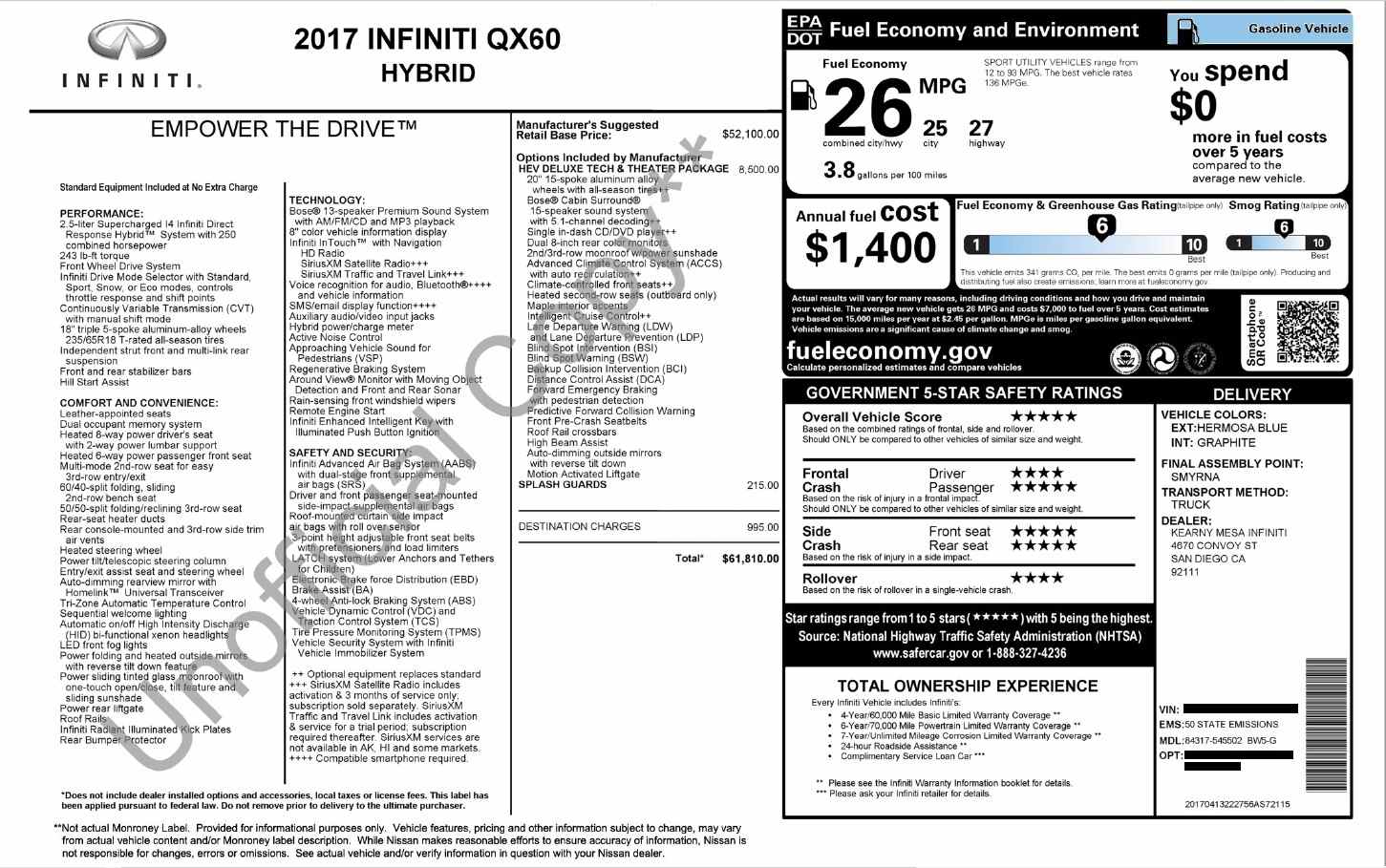
Knowing how to find invoice price on a car changes every conversation that follows it. Without the figure, you negotiate against a sticker price designed to be discounted; with it, you negotiate against the dealer's own billed cost for that exact vehicle. The catch is that invoice price is not printed on the car, not posted in the showroom, and not one single number — it belongs to a specific trim with specific options. This guide ranks every legitimate way to get it, and flags the traps in each.
How to Find Invoice Price on a Car: What You Need First
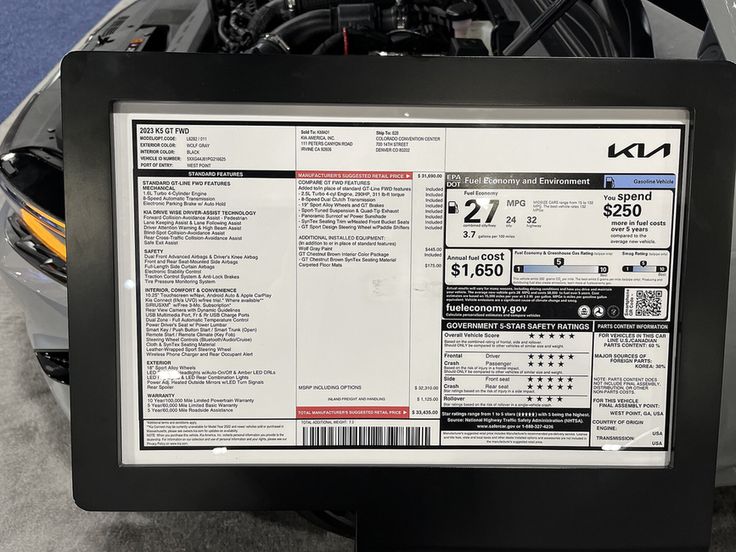
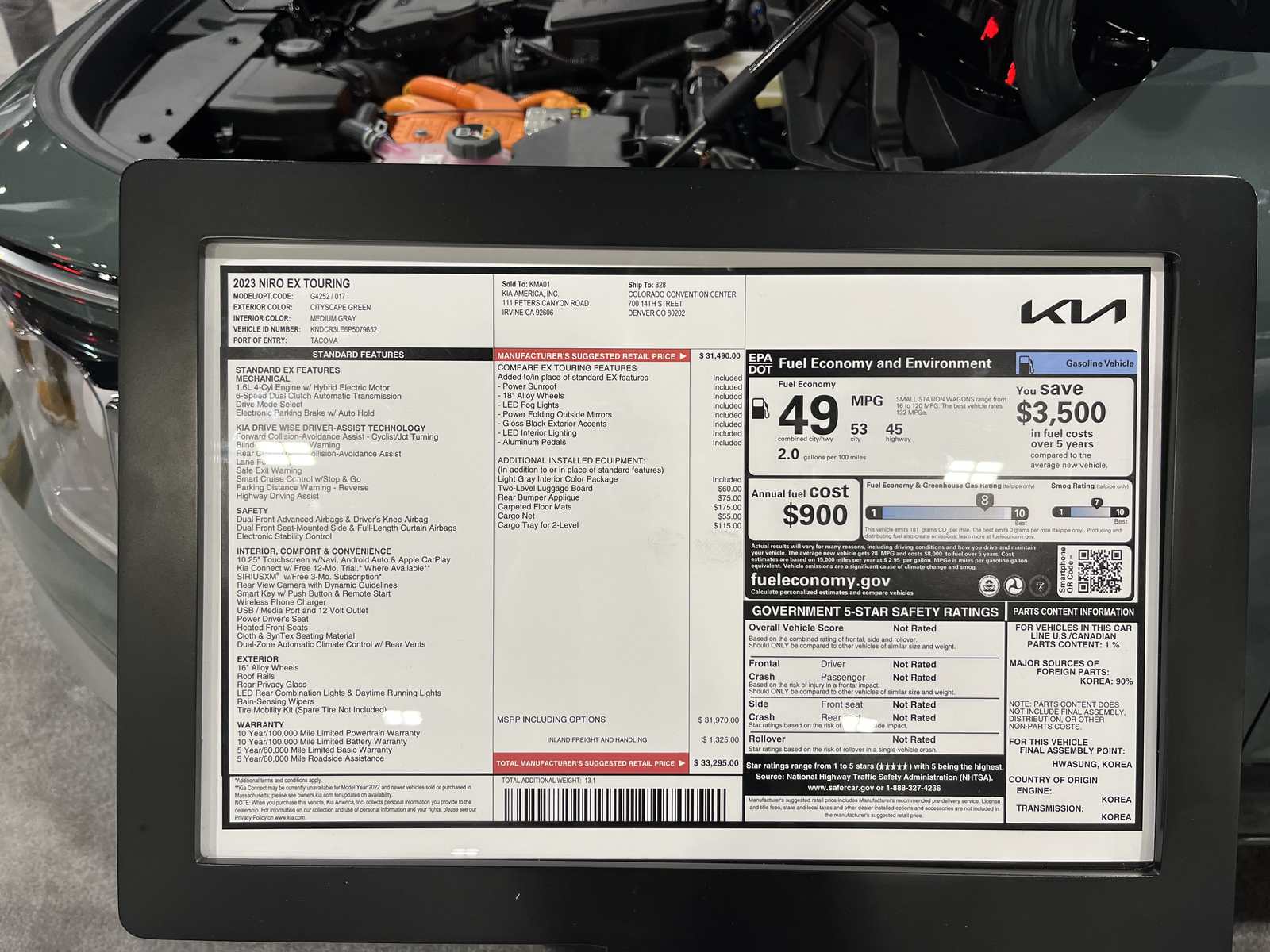
Invoice data is only as good as the specification behind it, so gather four things before you search anywhere. First, the exact trim — the difference between adjacent trims is routinely larger than the whole negotiating margin on the car. Second, the drivetrain and any factory options or packages you genuinely want, because each option has its own invoice price alongside its retail price. Third, the model year, since an outgoing year often has different pricing and factory support than the incoming one. Fourth, a real window sticker for a car in stock — the Monroney label fixes the MSRP side of the comparison and lists the equipment the invoice must match.
If you are still choosing between trims, start at the makes hub and work through the brand and model pages first; a precise question gets a precise figure. The anatomy of the two numbers themselves is in MSRP vs invoice price.
Method 1: Use a Dedicated Invoice Pricing Tool
How do you find invoice price on a car quickly? For anyone asking how do I find invoice price on a car, the fastest route is a tool built for the purpose: enter the make, model, trim and options, and get the invoice figure for that build. Our invoice pricing tool follows the rule this whole site is built on — the number comes first, before any contact details, because a price you only receive after a sales process is not research, it is a lead form. Wherever you get the figure, judge the tool by three tests. Does it price your exact trim and options rather than a base-model approximation? Does it state whether the destination charge is included in the total? And does it name or date its data? Exact trim-level invoice data originates in manufacturer systems and reaches websites through licensed data feeds, so a source that cannot say where its numbers come from, or when they were updated, is asking for trust it has not earned.
Once you find invoice price on a car, run the resulting figure through the out-the-door calculator straight away, so you see the invoice in the context of the total you would actually pay.
Method 2: Read Per-Model Invoice Pages and Pricing Reports
Printed and online pricing reports have published invoice figures for decades, and the discipline behind them is sound: Consumer Reports advises buyers to learn the dealer invoice price, holdback, customer rebates and dealer incentives from pricing information available before facing a trained negotiator, and to bring that research into the showroom. Per-model invoice pages — including the model pages linked from each brand on our makes hub — serve the same purpose for a single car: MSRP and invoice side by side for each trim, so you can see how the gap moves as options are added.
The watch-outs are staleness and scope. A report or page is only useful if it covers the current model year and your market, and if its figures are for the trim you want rather than the trim that makes the gap look dramatic. Check the date on the page before you trust the number in the negotiation.
Method 3: Ask the Dealer to Show You the Factory Invoice
Dealers have the actual document, and many will show it — particularly once a deal is close, or when a salesperson believes transparency will win your business over a rival store. Ask directly, and then verify what you are shown. The equipment, options and VIN on the invoice should match the window sticker of the car you are buying exactly; totals should include the destination charge; and you should be looking at the factory invoice itself, not a worksheet the store printed from its own system with extra lines folded in. Advertising fees appear on genuine factory invoices for many brands, so their presence alone is not a red flag — a mismatch in the car itself is.
Understand the document's limits, too. As Car and Driver's reporting (via MotorBiscuit) notes, the invoice figure is essentially an estimate of the dealer's cost, because holdback and incentives sit underneath it — which is why this figure is your negotiating anchor, not the dealer's final cost. That layer is explained in what is dealer holdback.
The Methods Compared
| Method | What you get | Cost | Main watch-out |
|---|---|---|---|
| Invoice pricing tool (e.g. ours) | Trim-and-options invoice figure for your build | Free on MyCarDiscount | Data must be licensed, current and state whether destination is included |
| Per-model pages / pricing reports | MSRP vs invoice by trim, plus context on holdback and incentives | Free to low-cost reports | Staleness — check model year and date on the page |
| Dealer shows the factory invoice | The genuine document for one specific car | Free, but inside a sales process | Verify VIN, equipment and totals against the window sticker |
| Percentage rules of thumb | A rough estimate range only | Free | Not the car's invoice — orientation, never a negotiating fact |
What to Do When You Cannot Get an Exact Figure
Sometimes the exact figure is not available to you — a just-launched model, an unusual build, or a brand whose data a source does not carry. Fall back honestly, in this order. First, estimate a range from the closest comparable trim using the typical gap for that class of vehicle (secondary explainers commonly put invoice roughly 5–10% below MSRP on mainstream models), and label it an estimate in your own notes and at the desk. Second, shift weight to competition: request itemised out-the-door quotes from several dealers on the identical car, because converging quotes reveal the market's real floor even when the cost stack is hidden — the Consumer Financial Protection Bureau backs the same discipline of negotiating price, fees and add-ons explicitly. Third, negotiate the total rather than the anatomy: an out-the-door figure you can compare is worth more than a contested invoice claim you cannot verify. Then run the winning method in how to negotiate from invoice price.
How to Find Invoice Price on a Car: FAQs
Is the invoice price the same for every dealer?
For the same car — same model, trim, options and destination charge — the factory invoice is set by the manufacturer and is generally the same nationwide, because the destination charge is standardised rather than distance-based. What differs between dealers is the selling price they offer you, not the invoice underneath it.
Why do two websites show different invoice figures for the same car?
Usually because they are pricing different things: a different trim, options included on one and not the other, or a total that excludes the destination charge. Occasionally one is simply stale. Reconcile the specification line by line first; if the builds truly match and the figures still differ, trust the source that names and dates its licensed data.
Can I find the invoice price from the VIN?
Not directly. A VIN identifies the exact vehicle — model, trim and factory equipment — which is the specification you need, but the invoice itself lives in manufacturer and dealer systems and the licensed feeds built on them. Use the VIN to pin the build, then price that build through a tool or the dealer document.
Is it legal for a dealer to refuse to show the invoice?
Yes. There is no general rule requiring a dealer to disclose their factory invoice; the window sticker (MSRP) is the disclosure the law mandates. Some dealers share the invoice as a sales practice, others decline — which is exactly why independent sources, gathered before you visit, matter.
The Bottom Line on How to Find Invoice Price on a Car
Learning how to find invoice price on a car is mostly a discipline of precision: exact trim, exact options, a dated source, and the destination charge accounted for. Get the figure before any dealer conversation — start with how to find dealer invoice price on a car for your exact build, cross-check it on the model pages via the makes hub, and convert it into an out-the-door target on the calculator. Then negotiate from knowledge, not from the sticker.
Get the number dealers start from.
Invoice, estimated true cost, out-the-door — before any dealer hears your name.