
Hybrid vs Plug-In Hybrid: Which One Fits Your Driving?
Hybrid vs plug-in hybrid compared: both burn less fuel; only one needs a plug to earn it. This comparison prices the hardware difference and matches each powertrain to the driving pattern it suits.
Key Takeaways
- The only real difference is battery size: a hybrid's small battery never plugs in; a plug-in's 14 to 23 kWh pack drives 32 to 52 miles on electricity alone.
- The plug-in step costs $7,875 to $9,600 on the same model line, and the federal credit that once softened it ended for vehicles acquired after September 30, 2025.
- Fuel savings alone do not repay the step: each electric mile saves roughly 2 cents over a hybrid, so a $9,600 premium needs about half a million electric miles.
- Match the pattern instead: nightly charging and short trips suit the plug-in; long commutes or no home charging make the cheaper hybrid the outright winner.
This hybrid vs plug-in hybrid comparison is decided on the numbers and the ownership costs, not the badge — here is how the two stack up. A hybrid and a plug-in hybrid look like the same idea at two sizes, and on the showroom floor they often sit in the same model line, a few thousand dollars apart. The difference is one sentence: a hybrid charges its small battery from its own engine and brakes and never plugs in; a plug-in hybrid carries a battery several times larger, charges it from a wall, and drives real distance — typically 30 to 50 miles — on electricity alone before its engine wakes up. That one difference rearranges the price, the fuel bill and the daily routine. This comparison prices the hardware gap on two current model lines, runs the break-even math honestly, and then matches each powertrain to the driving pattern it actually suits. For background on each technology alone, see our plug-in hybrid guide and hybrid vs gas car comparison.
Hybrid vs Plug-in Hybrid at a Glance
| Hybrid | Plug-in hybrid | |
|---|---|---|
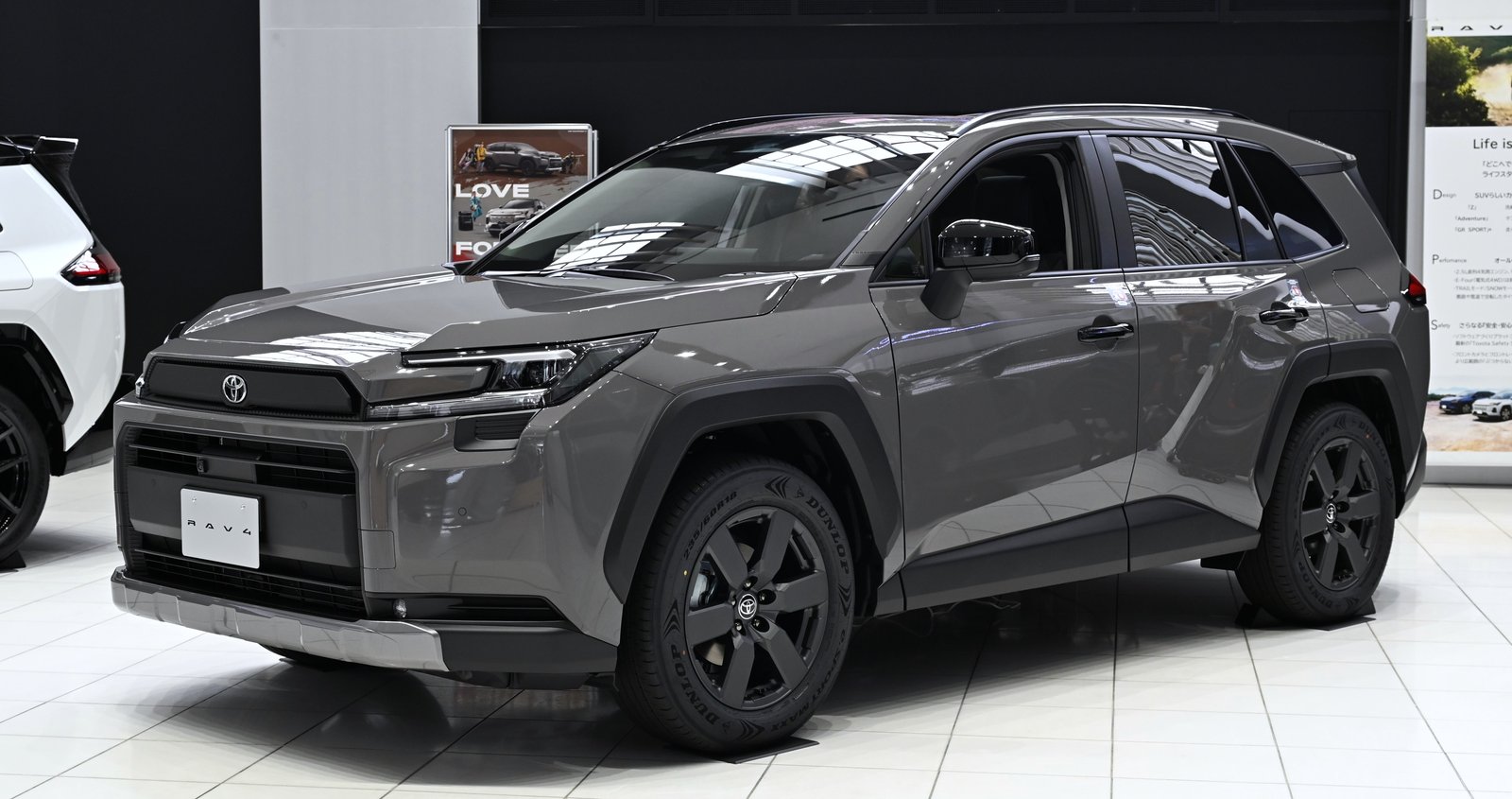
| Example: 2026 Toyota RAV4 | From $31,900 (LE) | From $41,500 (Plug-in Hybrid SE) |
| Price step on the same model line | — | +$9,600 (RAV4); +$7,875 (Hyundai Tucson) |
| Battery | Small (about 1-2 kWh) | Large (about 14-23 kWh) |
| Electric-only driving | Feet, at parking speeds | 32-52 miles (EPA, examples above) |
| Needs a plug | Never | To earn its price back, nightly |
| Fuel economy with the battery unused | 43 mpg combined (RAV4 Hybrid) | 40 mpg combined (RAV4 PHEV, gas mode) |
The Hardware Difference Is the Battery
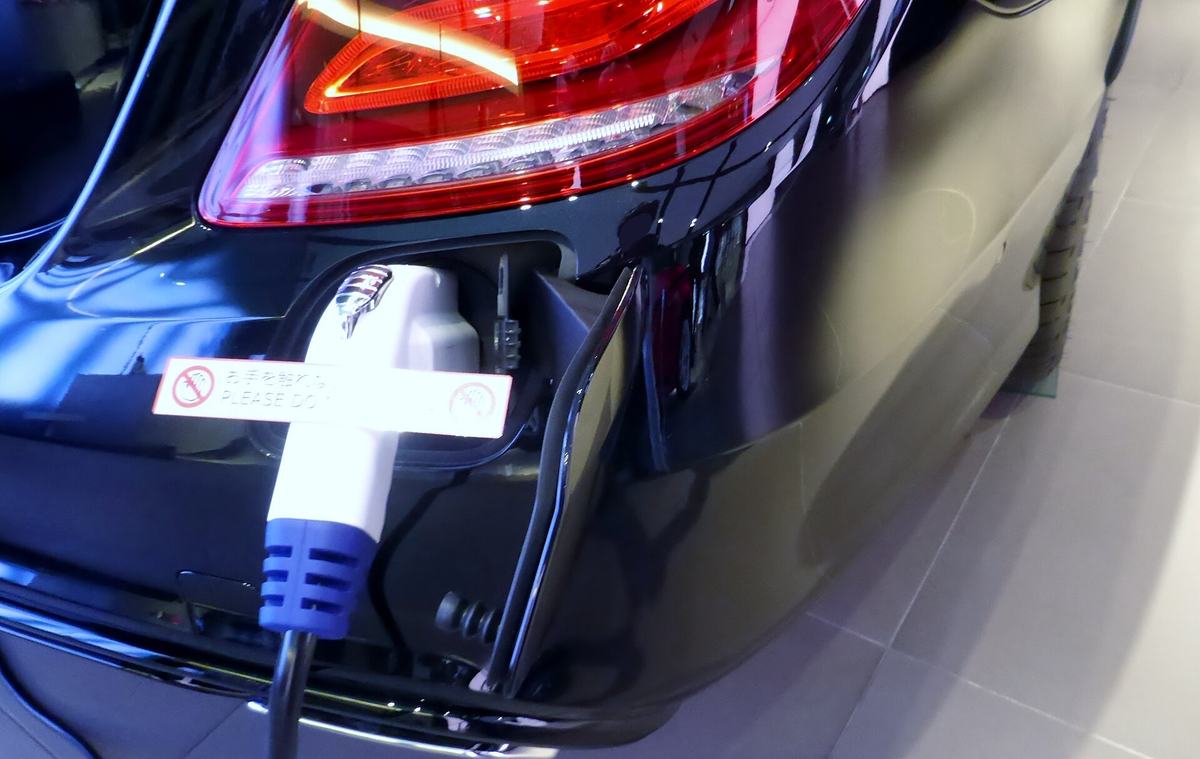
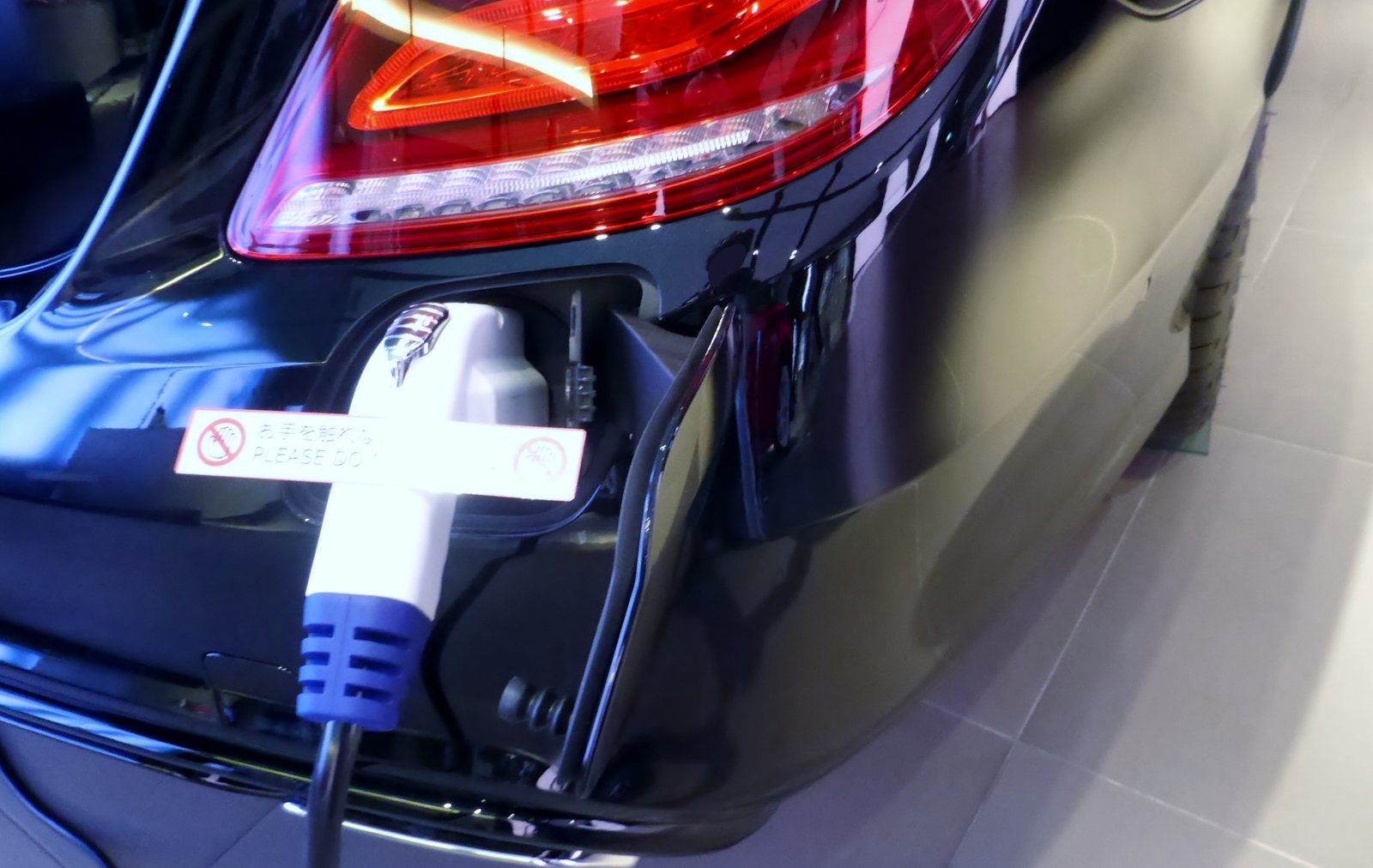
Everything follows from battery size. A conventional hybrid's battery is a buffer — big enough to capture braking energy and assist the engine, small enough to add little cost or weight. A plug-in's battery is a fuel tank: the Hyundai Tucson Plug-in Hybrid carries 13.8 kWh, the RAV4 Plug-in Hybrid over 20 kWh, and that capacity is what you are paying the step for. In exchange you get three things a hybrid cannot do: a full commute on electricity for most drivers, electric torque that usually makes the plug-in the faster version (the RAV4 plug-in makes 324 horsepower), and the option value of choosing your energy source per mile. You also get the obligations: the plug-in is heavier, often gives up a little cargo or spare-tire space to the battery, and — the point buyers miss — driven uncharged it is simply a heavier hybrid, carrying its premium as dead weight. The federal clean-vehicle credit that once softened the step ended for vehicles acquired after September 30, 2025, so the math below is the full, unsubsidized version.
The Break-Even Math, Run Honestly
Price the fuel saving per electric mile. A RAV4 Hybrid at 43 mpg burns a gallon every 43 miles; at an illustrative $3.00 a gallon, that is 7.0 cents of gasoline per mile. An electric mile charged at home costs about 5.2 cents (0.30 kWh at the EIA's 2025 average residential price of 17.3 cents). So each mile the plug-in covers electrically instead of as a hybrid saves roughly 1.8 cents — and repaying a $9,600 price step at 1.8 cents a mile takes about 533,000 electric miles. Nobody drives that. Against a gasoline-only car at 30 mpg (10 cents a mile), the electric mile saves 4.8 cents and the same step repays in about 200,000 electric miles — still beyond most ownerships.
That arithmetic is not a dismissal of the plug-in; in any honest hybrid compared to plug-in hybrid comparison, it is a correction to the usual sales pitch. The plug-in's case is not that fuel savings repay its sticker — at typical gas and electricity prices, against an efficient hybrid, they do not. Its case is that a large share of your driving becomes electric driving: quieter, torquier, and insulated from gas prices, with home-charging convenience our home EV charging guide covers. Buyers who value that, or whose driving is so plug-friendly that nearly every mile is electric for a decade, can justify the step with open eyes. Buyers cross-shopping purely on cost should see the number plainly — which is also why the hybrid, not the plug-in, anchors most of the field in our best hybrid SUVs ranking.
Match the Powertrain to the Pattern
- Mostly short trips, home charging available: the plug-in's home ground. A commute inside its electric range means weekday driving is effectively electric, with the engine reserved for weekends and trips. This is the only pattern where the plug-in is used as designed.
- Long highway commutes: the hybrid. Beyond the battery's range, the plug-in's advantage shrinks to a slightly worse gas-mode rating (40 mpg against the hybrid's 43 in the RAV4 pair) while carrying more weight. The hybrid's lower price wins the spreadsheet outright.
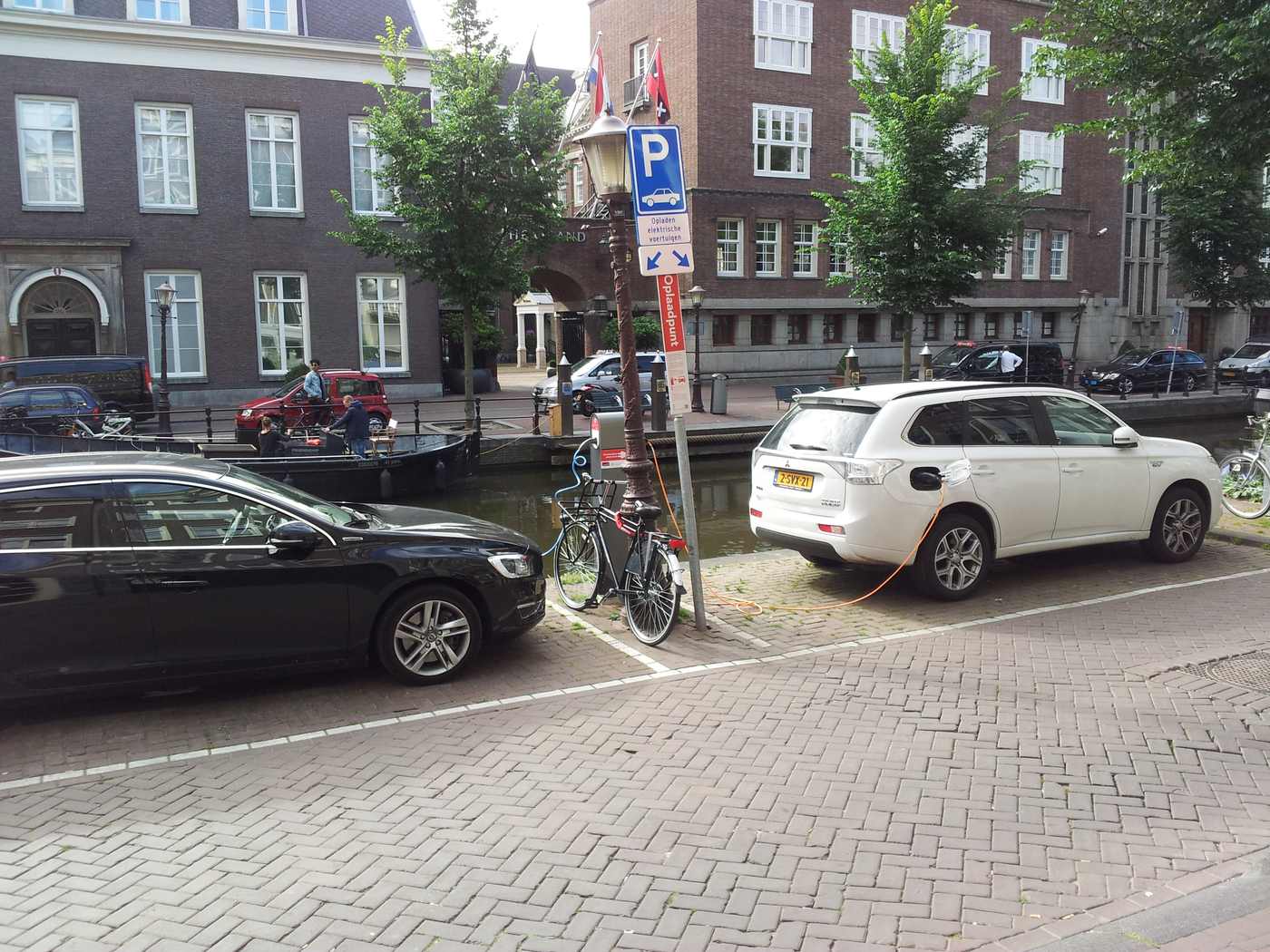
- No home charging — apartment, street parking, rented garage: the hybrid, and it is not close. A plug-in you cannot charge nightly is an expensive hybrid with a bigger battery to haul. Public charging at daytime prices also erases the per-mile saving that justifies plugging in, as our charging cost guide prices out.
- Mixed driving with occasional long trips: genuinely contested. If your daily miles fit the battery and the long trips are rare, the plug-in covers the year on very little gasoline. If your week is unpredictable, the hybrid's indifference to charging is worth money in convenience alone.
Frequently Asked Questions
Is a plug-in hybrid worth the extra money?
On fuel savings alone, usually not against the hybrid version of the same car: the price step runs roughly $7,900 to $9,600 on current model lines, while each electric mile saves only about 2 cents over the hybrid's gasoline mile at home electricity prices. It is worth it to buyers who will charge nightly, drive mostly inside the electric range, and value electric driving itself — not as a money-saving device.
What happens if you never plug in a plug-in hybrid?
It drives as a hybrid — the engine and regenerative braking keep the battery at a working minimum — but a slightly inefficient one, because it hauls a much larger battery than a hybrid does. In the RAV4 pair, the plug-in's gas-mode rating is 40 mpg combined against the hybrid's 43. An uncharged plug-in hybrid is the worst of both worlds: hybrid fuel bills at a plug-in price.
How many miles do you need to drive for a plug-in hybrid to pay off?
Against the equivalent hybrid, the fuel saving per electric mile is roughly 2 cents at $3.00 gasoline and average home electricity prices, so a $9,600 step needs on the order of half a million electric miles — beyond any realistic ownership. The honest reasons to buy one are the driving experience, home-charging convenience and gas-price insulation, not payback.
Which is better for the environment, a hybrid or a plug-in hybrid?
It depends on how the plug-in is used. Charged nightly and driven mostly on electricity, a plug-in hybrid covers most miles without burning gasoline and comes out ahead. Rarely charged, it is a heavier hybrid and its advantage disappears. The hybrid's footprint is the same regardless of the owner's habits, which is its quiet virtue.
The Bottom Line on Hybrid vs Plug-In Hybrid
Choose by pattern, not by technology. If your days fit inside 30 to 50 miles and a plug waits where you park, the plug-in turns most of your driving electric and its premium buys an experience, not a payback. If your miles are long, irregular or plug-free, the hybrid delivers nearly all of the efficiency for thousands less, with nothing to plug in and nothing to manage. Either way, settle hybrid vs plug-in hybrid by pricing both versions of the exact model you want before you decide. That settles the hybrid or plug-in hybrid question on the evidence: pick the one that fits your life, then negotiate as if the other one were still on the table. Start at MyCarDiscount.com.
Get the number dealers start from.
Invoice, estimated true cost, out-the-door — before any dealer hears your name.