
Best New Cars Under $35000: Room, Safety and Real Value
Top new cars under 35000 sit in the bracket where mainstream lineups offer roomy crossovers, proper midsize sedans and full safety kit at prices a typical household can finance sensibly.
If you are shopping for the best new cars under 35000 dollars, you are shopping in the bracket where a new car stops feeling like a compromise. Below it, every dollar saved costs you space, equipment or refinement. Above it, you pay for badges and features you may rarely use. At $35,000, mainstream lineups offer roomy crossovers, proper midsize sedans and strong standard safety equipment at prices a typical household can finance sensibly. This guide ranks the current US models that make the strongest case, honestly about what "under $35,000" means once taxes and fees are added.
Why $35,000 is the sweet spot
Step up from the cars in our guide to the best new cars under $30,000 and the difference is not cosmetic. The extra headroom buys roomier compact crossovers instead of subcompact ones, midsize sedans with adult-sized rear seats, stronger standard driver-assistance equipment and, on several nameplates, a hybrid option.
Resale character helps, too. Mainstream models in this bracket are the cars used buyers want most, so they tend to hold value in an orderly way. That matters because this bracket is for a specific buyer: someone keeping the car six to ten years who wants equipment they will not outgrow in year three — a screen that does not feel dated, safety technology that stays current, space that still works when life changes. If your budget stretches further, our guide to the best new cars under $40,000 covers the next step.
"Under $35,000" means starting MSRP — not out the door
This is the honesty rule for the whole list, and it is non-negotiable. Every price here is a starting MSRP for the base trim, before destination. Destination, dealer fees, tax and registration go on top. The Federal Trade Commission makes the same point: taxes and fees are extra, and the figure that matters is the out-the-door price, in writing.
So do the arithmetic before you fall for a headline. A car starting at $34,000 is a purchase of roughly $37,000 or more in many states once destination and tax are added. If your all-in budget is a hard $35,000, shop models starting in the high $20,000s to around $31,000, depending on your state's tax rate. Our explainer on the out-the-door price walks through each line item.
Best new cars under 35000: the ranked picks
We ranked current US models from our catalogue starting under the ceiling, judging safety equipment, feature content per dollar, warranty, running costs and resale character. Starting points are approximate base MSRPs before destination.
| Rank | Model | Body style | Starting point | Why it ranks | Honest compromise |
|---|---|---|---|---|---|
| 1 | Honda CR-V | Compact SUV | Around $30,000 | Complete family package: space, safety kit, strong resale | Base trim is sensible rather than generous |
| 2 | Toyota RAV4 | Compact SUV | Around $31,900 | Default family SUV; hybrid-only on current models; orderly resale | Cabin feels workmanlike next to rivals |
| 3 | Toyota Camry | Midsize sedan | Around $28,500 | Hybrid-only on current models; roomy, economical to run | No hatch; less cargo flexibility |
| 4 | Honda Civic | Compact sedan | Around $24,000 | Most budget headroom; feels a class above its price | Road noise on typically equipped cars |
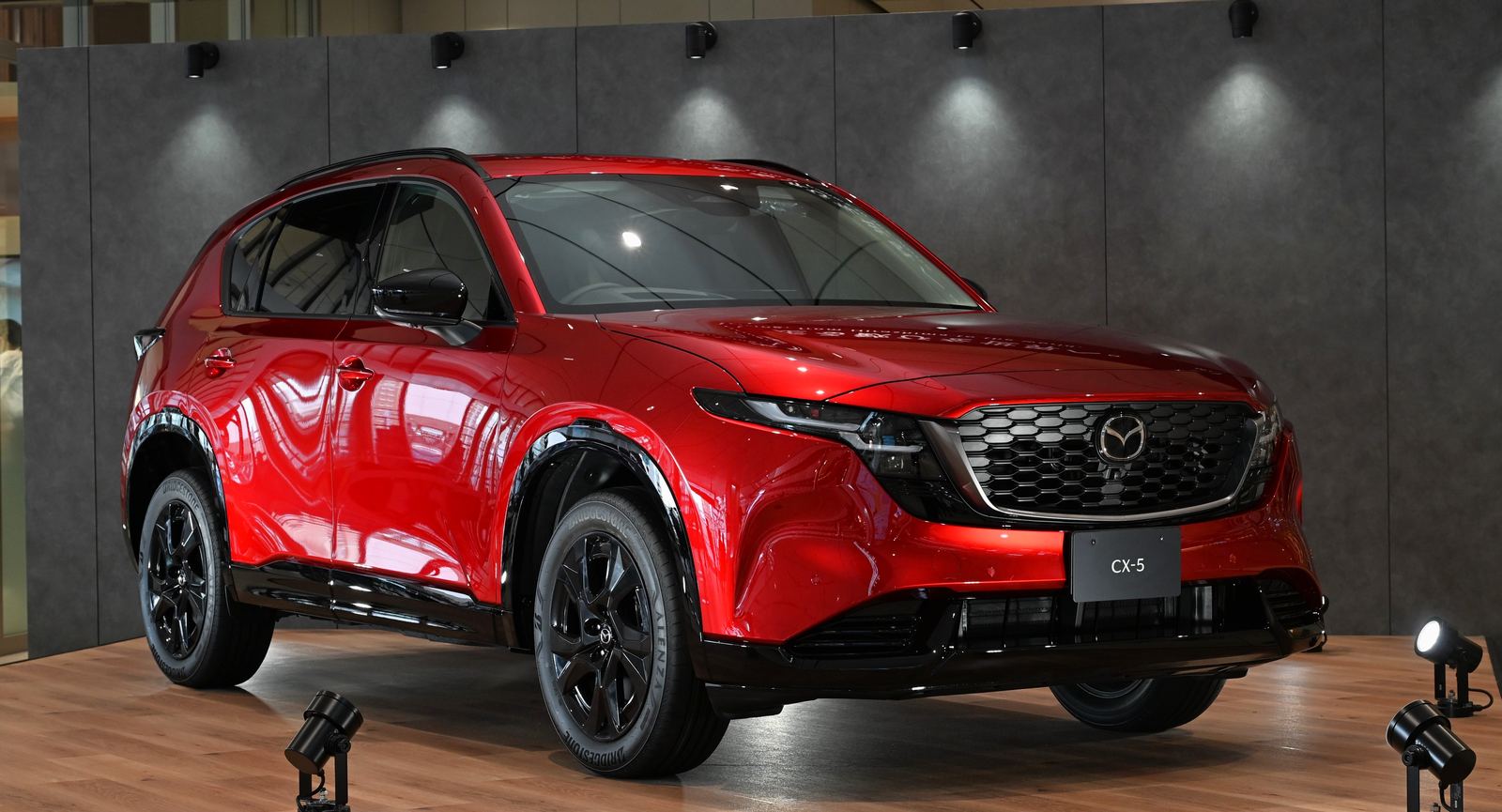
| 5 | Mazda CX-5 | Compact SUV | Around $29,000 | Driver's pick: interior quality and steering feel | Rear seat and boot trail CR-V and RAV4 |
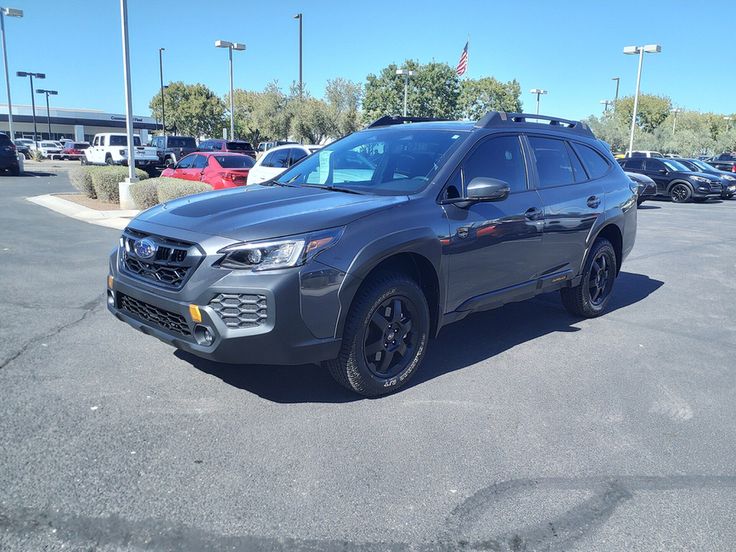
| 6 | Subaru Crosstrek | Subcompact SUV | Around $26,000 | Standard all-wheel drive; genuine rough-road ability | Modest power; smaller cabin |
| 7 | Hyundai Tucson | Compact SUV | Around $29,000 | Generous equipment; notably long warranty | Resale a step behind Honda and Toyota |
1. Honda CR-V — the complete family answer. A compact SUV for families and anyone who wants one car to do everything. The value trim is the step above base, typically adding the bigger screen, fuller driver-assistance items and interior upgrades; on current models it generally still starts under the ceiling, though confirm the trim price first. Warranty is conventional, running costs modest, resale among the strongest here. The compromise: the base trim is merely sensible, so budget for that step.
2. Toyota RAV4 — the safe default. A compact SUV for buyers who value easy ownership over excitement. The current model is hybrid-only, starting at $31,900, suiting high-mileage drivers who want lower fuel costs. The value trim is one step up from base, typically bringing the equipment owners use daily; check pricing, as options can push a mid-trim build toward the ceiling. Warranty is typical; the proposition rests on durability and orderly resale. The compromise is ambience: the cabin prioritises durability over design.
3. Toyota Camry — the sedan that makes sense. A midsize sedan for buyers who do not need an SUV's height or cargo box but do need rear-seat room. On current models it is hybrid-only, giving commuters a running-cost advantage with family-car space. The value trim is the mid-level grade, where screen, safety suite and comfort items come together; price it first rather than assuming it sits under the ceiling. Warranty is conventional. The compromise: a saloon boot cannot swallow what a hatch or SUV can.
4. Honda Civic — maximum headroom. A compact sedan for singles, couples and small families who would rather spend less and keep the difference. Starting around $24,000, it leaves more room beneath an all-in budget than anything else here, yet typically includes a proper safety suite and a cabin that feels a class up. The value trim is the mid grade, where the larger screen and comfort upgrades land; even after fees and tax, a sensible Civic should sit within an all-in $35,000 budget in most states. Running costs are low, resale strong. The compromise: more road noise than the midsize cars above it.
5. Mazda CX-5 — the driver's pick. A compact SUV for buyers who still enjoy driving. Interior quality and steering feel sit above the bracket norm, and standard equipment is generous. The value trim is the mid grade, typically adding the interior materials and screen upgrades that justify the car; confirm its starting price against the ceiling, as the trim walk is closely spaced. Warranty cover is conventional, running costs average, resale solid rather than class-leading. The compromise: rear-seat and boot space trail the CR-V and RAV4.
6. Subaru Crosstrek — all-weather value. A subcompact SUV for outdoor-minded buyers and anyone whose roads turn poor in winter. Standard all-wheel drive is the headline, and it is rare at this price. The value trim is the step above base, typically adding roof rails, screen and safety items; it generally starts comfortably under the ceiling on current models. Warranty is conventional, running costs reasonable, resale in snow-belt markets strong. The compromise: acceleration is modest and the cabin a size down.
7. Hyundai Tucson — equipment per dollar. A compact SUV for buyers who want the longest kit list for the money. Standard equipment is generous even at base level, and the value trim one step up typically adds the screen and comfort features that make it feel complete while starting under the ceiling. The standout is warranty character: Hyundai's cover is notably longer than the class norm, suiting the six-to-ten-year keeper. Running costs are typical. The compromise is resale: respectable, but a step behind Honda and Toyota.
How we chose these cars
Our method is deliberately narrow: current US models in our own catalogue starting under $35,000, judged on safety equipment, feature content per dollar, warranty, qualitative running costs and resale character — not headline discounts. Read the full approach on our methodology page.
How to buy well in this bracket
Do not chase a single advertised price. Pick your model and value trim, then request same-spec, itemised out-the-door quotes from several dealers and compare the totals line by line, as our guide to how to negotiate a new car price sets out. That comparison is the negotiation. When our licensed data launches, our top new cars under 35000 invoice pricing tool will show the figures behind those quotes; until then, be sceptical of any site quoting a per-model invoice price.
Frequently asked questions
What is the best car to buy under $35,000?
For most buyers, the Honda CR-V, ranked first here: it balances space, safety equipment, running costs and resale with the fewest compromises. If you do not need an SUV, the Camry and Civic deliver the same balance for less.
Can I really buy a car for under $35,000 out the door?
Yes, but shop by starting price, not headline. Destination, dealer fees, tax and registration sit on top of MSRP, so an all-in $35,000 budget usually means a model starting in the high $20,000s to around $31,000, depending on your state. The Civic and Crosstrek leave exactly that room.
Is a midsize sedan or a compact SUV better value under $35,000?
It depends on what you carry. A sedan like the Camry typically gives more rear-seat room and lower running costs; an SUV like the CR-V or RAV4 gives cargo flexibility and a higher driving position. Match the body style to your weekly life, not your occasional one.
Should I buy the base trim or step up one trim?
Usually step up one. On most models here, the trim above base brings the larger screen, fuller safety suite and interior upgrades — the equipment that keeps a car feeling current across six to ten years. Just confirm that trim's starting price still fits your all-in budget.
Conclusion: best new cars under 35000 reward the patient buyer
The case for this bracket is simple: the best new cars under 35000 give you the room, equipment and resale character most buyers need, at a price that leaves your budget intact. Choose the body style that fits your life among the best new cars under 35000 compared here, target the value trim, and judge every offer on its itemised out-the-door total. Do that, and the sweet spot delivers: a car you can keep happily for the better part of a decade.



Get the number dealers start from.
Invoice, estimated true cost, out-the-door — before any dealer hears your name.