
How to Negotiate a New Car Price by Email and Phone
How much can you negotiate off a new car depends on how you ask: negotiate remotely, in writing, before you visit anyone — collect comparable out-the-door totals side by side and only travel once the price is already agreed.
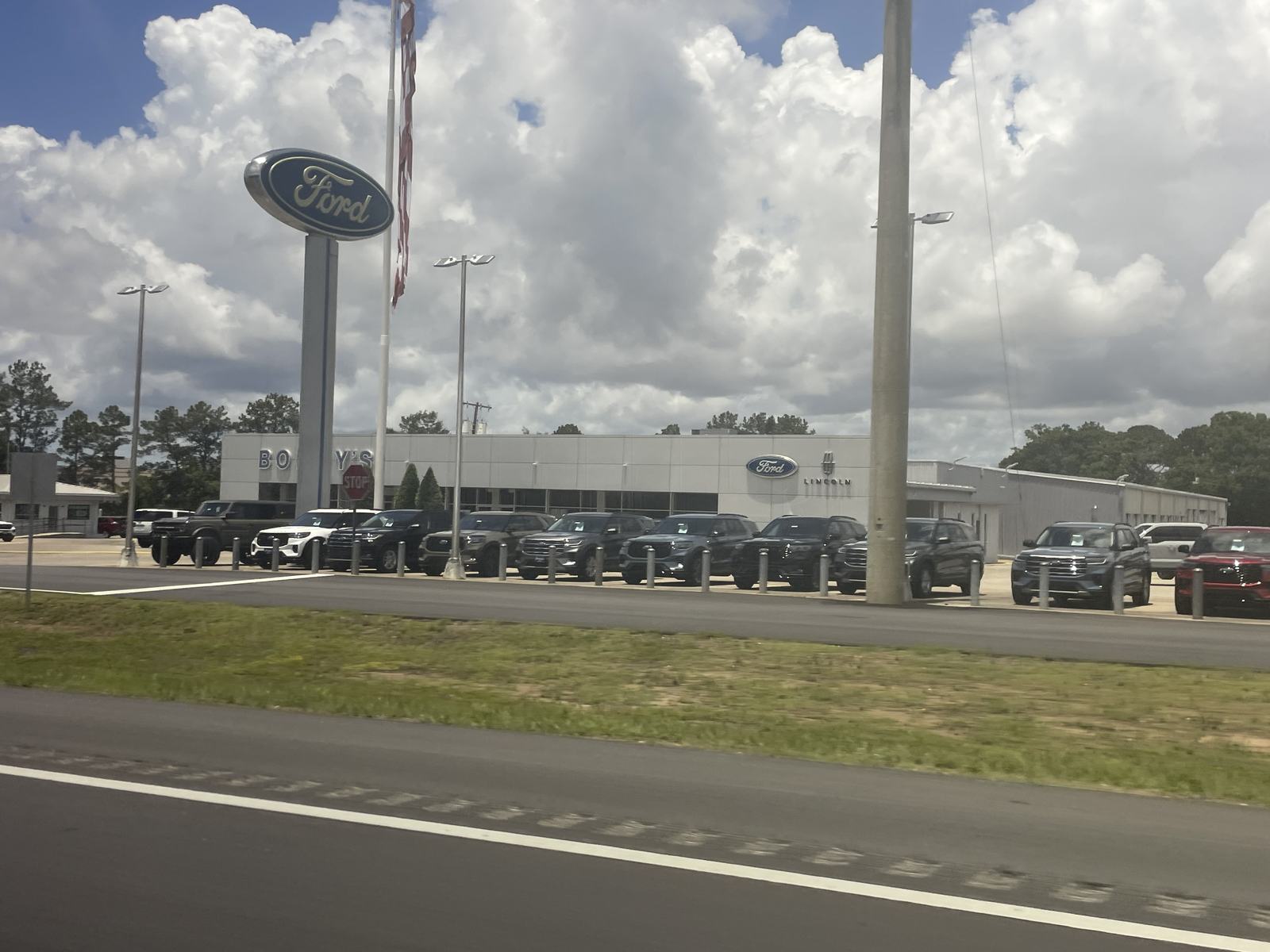
If you want to learn how to negotiate a new car price without spending a Saturday hopping between showrooms, negotiate remotely, in writing, before you visit anyone. Instead of reacting to one offer at a time under time pressure, you collect written quotes from several dealers, compare the same totals side by side, and only visit when the price is already agreed. This guide covers the preparation, the email script, how to run competing quotes, and the phone rules that keep everything documented.
How to Negotiate a New Car Price Without Stepping Into the Showroom
Remote negotiation wins for three reasons. First, it keeps the conversation on numbers in writing: a written quote can be checked, saved, and compared; a verbal promise cannot. Second, it removes showroom time pressure — you respond when ready, rather than deciding while someone waits across a desk. Third, it lets several dealers work in parallel, instead of driving from lot to lot.
This is not a fringe tactic. The Federal Trade Commission guidance on buying a new car points buyers who have financing pre-approved toward asking dealers for a written out-the-door price, comparing offers without spending time in the dealership, and getting answers in writing. The Consumer Financial Protection Bureau's Ask CFPB guidance on what you can negotiate also confirms that the vehicle price, fees, and add-ons are negotiable — which is why an itemised quote matters: you cannot negotiate parts of a price you cannot see.
Before You Write: The Short Setup

A vague request gets a vague reply, so prepare first. Know the exact specification: year, make, model, trim, and the options that matter. Note where you are flexible, especially on colour, because flexibility widens the pool dealers can quote on.
Include your ZIP code in every request. Tax is calculated where the car will be registered, and tax and some fees vary by state, so a quote built on the wrong ZIP is not comparable.
Sort financing before you start, or decide to consider dealer financing later as a separate step: a pre-approval keeps the price conversation a price conversation. Finally, understand the price landscape via our guide to MSRP vs invoice price and the invoice pricing research for your make, so you can recognise a strong quote when replies arrive.
Your ceiling for how much can you negotiate off a new car starts with the invoice, so check it before you write.
The Email Script for How to Negotiate a New Car Price
Copy the script below, replace the bracketed placeholders, and send it unchanged to each dealer. It is polite, specific, and clear that you are a ready buyer comparing written quotes. It asks for everything in a set order so replies are easy to compare, and it keeps trade-in and financing out of this quote entirely.
Subject: Written out-the-door quote request — [Year] [Make] [Model] [Trim]
Hello,
I am ready to buy a [Year] [Make] [Model] [Trim] and I am comparing written quotes from several dealers before I visit. The car I am interested in is [stock/VIN if known]. I am flexible on colour if that helps availability.
Please could you reply in writing with the following, in this order:
- An itemised out-the-door price for this exact car, as a single total figure.
- The selling price broken out separately from taxes and every fee, with each fee listed by name.
- Confirmation that this car is in stock and available for me to buy.
- Which rebates or incentives are included in your figure, and what each one requires me to qualify for.
- Confirmation that this quote includes no trade-in and no financing — I will discuss both separately, later, if I proceed.
- How long this quote remains valid.
My ZIP code for tax and fee calculation is [ZIP]. I plan to decide based on the written out-the-door totals I receive, so a complete itemised reply is genuinely helpful. Thank you for your time.
Regards
Notice what the script does not do: it names no target price, threatens no walk-away, and claims no other offer. It makes it easy for a serious dealer to give a serious answer, and hard to hide costs inside one unexplained number.
What Each Part of Your Request Protects You From
If a reply is missing any row below, ask for that piece before you compare it with anything else. You can also use the calculator to sense-check totals as they arrive.
| What to ask for in the request | What it protects you from |
|---|---|
| An itemised out-the-door total in writing | A low selling price that grows once taxes and fees are added |
| Selling price broken out from taxes and every fee | Hidden or padded fees you cannot question because you cannot see them |
| Confirmation the car is in stock and available | Negotiating hard on a car that does not exist or is already sold |
| Rebates and incentives listed, with their requirements | A headline figure built on incentives you do not qualify for |
| No trade-in and no financing in this quote | Your car's value or a loan being used to disguise the new car's price |
| How long the quote is valid | A total that changes between your email and your visit |
Running the Bid: Making Dealers Compete Fairly
Send the identical request to several dealers on the same day — same specification, same ZIP, same six questions — so any difference in replies is a difference in price, not in what you asked for.
When a lower written total arrives, give the others one chance to beat it. Share the competing total and ask for their best written total: a vague "can you do better?" invites a vague gesture, while a clear "can you beat this total, in writing?" gets a usable yes or no.
Compare only out-the-door totals — a dealer can win on selling price and lose once fees are added. Our explainer on the out-the-door price shows why. Never invent a competing offer: a fabricated quote burns credibility the moment a dealer asks to see it, and someone eventually will. For the method in depth, read how to get dealers to compete.
Phone Rules: Logistics and a Final Number Only
Use calls for logistics — confirming the car is still there, arranging a visit, clarifying a line in a written quote — and for one live question near the end: is that your best out-the-door number in writing?
Then get the answer back in writing. If a salesperson agrees a better total by phone, ask for email confirmation before you travel. Nothing agreed by phone exists until it is in writing; this protects both sides from misunderstanding about which car, fees, or incentives were included. If the email differs from the call, clarify before you visit, not after. Keep calls short and friendly.
Sequencing Discipline: Price, Then Trade-In, Then Financing
Keep three negotiations separate and in order: price first, trade-in second, financing last. Blending them lets a dealer move money between them so the deal looks better while costing the same, or more.
The classic blend is the monthly payment conversation: once everything is one monthly figure, you cannot tell whether you won on the car, lost on your trade-in, or overpaid on the loan. Settle the out-the-door total in writing first, then your current car's value, then financing including your pre-approval. If a dealer merges the steps early, politely return to the step you are on.
When you negotiate a new car price in stages, total each stage in the out-the-door calculator before you agree to it.
Red Flags That Should End the Conversation
A refusal to quote in writing means there is no deal to be done on your terms. "Come in and we'll beat any price" is the same answer in friendlier words: an unpriced promise that requires your time before their number.
Watch for a quote missing fees, because an incomplete total cannot be compared and usually grows later. Check every reply for bait spec — an attractive quote for a different, cheaper trim than you asked about. Finally, treat payment-first questions as a warning: if a dealer asks what monthly payment you want before any total exists, redirect them to the written quote, and if they will not provide one, move on.
Frequently Asked Questions
How many dealers should I email?
Enough to get several complete written quotes you can compare. Contact dealers within a distance you would actually travel, send the identical request the same day, and judge replies on total and completeness, not speed.
What if a dealer will only talk on the phone?
Take the call, keep it to logistics, and ask them to confirm any price by email afterwards. If they will not put a total in writing at all, you have no quote to compare and nothing to rely on when you visit, so focus on dealers who will.
Should I tell dealers the lowest quote I have received?
Yes, when giving them a chance to beat it — sharing the real written total makes the request concrete. Only share figures you actually have in writing, and share the total, not a partial selling price.
When do I discuss my trade-in and financing?
After the new car's price is agreed in writing, discuss the trade-in separately, and financing after that, so each figure must stand on its own.
Conclusion: How to Negotiate a New Car Price on Your Terms
Learning how to negotiate a new car price remotely is simple discipline: prepare, ask every dealer the same specific questions, and accept only complete out-the-door totals in writing. Run a fair bid between real quotes, keep the phone for logistics and a final best number, and hold price, trade-in, and financing apart. Dealers who quote clearly in writing earn your visit. Start at MyCarDiscount.com, send the email, and let the written totals do the negotiating.
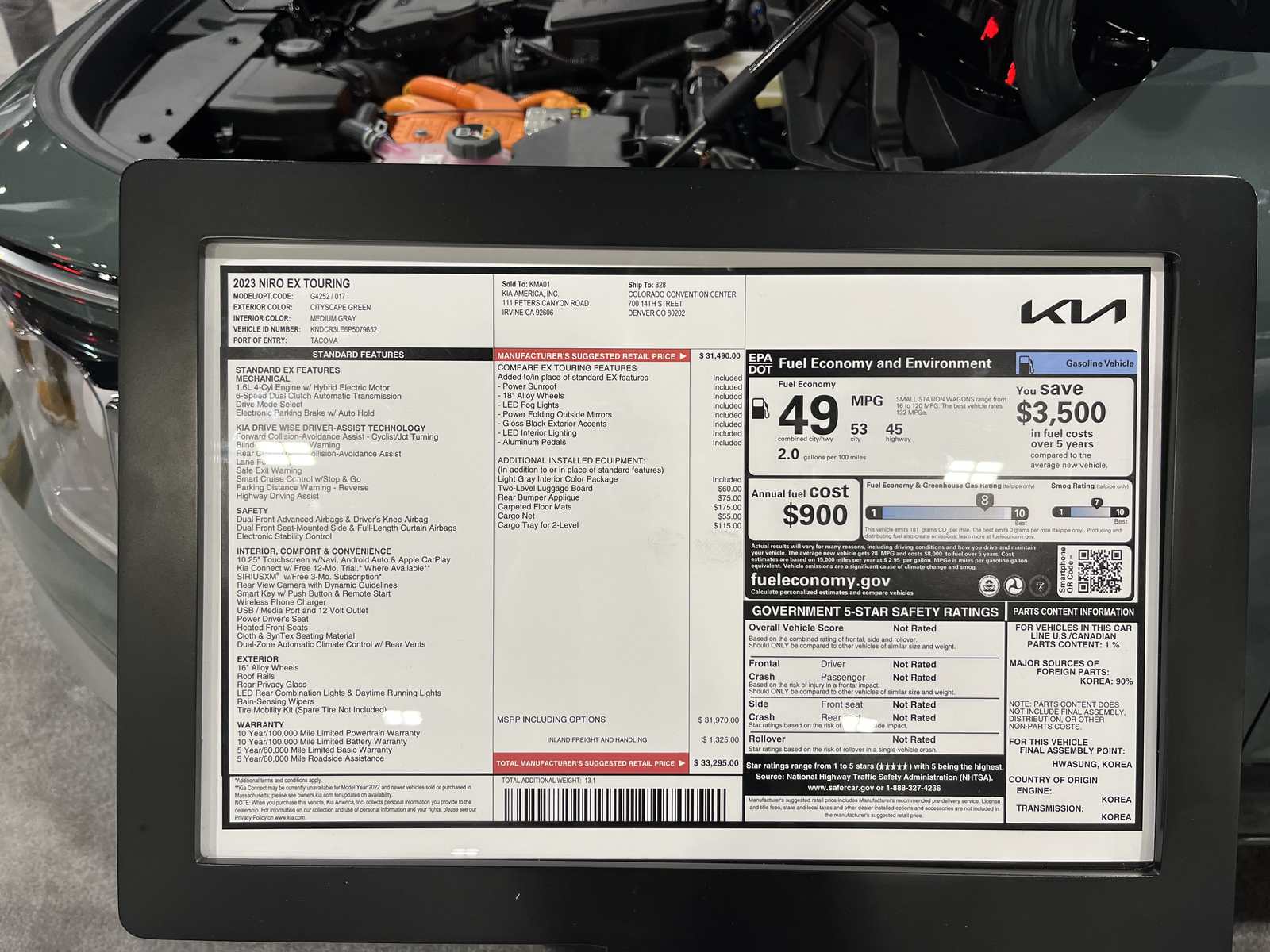



Get the number dealers start from.
Invoice, estimated true cost, out-the-door — before any dealer hears your name.