
How to Get Dealers to Compete: The Written-Quote Method
Get dealers to compete, in short: when three stores quote one identical car in writing, each knowing the others are quoting, the market sets your price instead of a salesperson's opening number.

The single most reliable way to lower a new-car price is not a clever line at the sales desk — it is knowing how to get dealers to compete for the same car, on the same terms, in writing. When three stores quote one identical vehicle and each knows the others are quoting too, the market sets your price instead of a salesperson's opening number. This guide gives you the exact method: fix the specification, send one identical request, and compare out-the-door totals.
Why Learning How to Get Dealers to Compete Beats Haggling
Haggling inside one showroom is a negotiation against someone who does it all day, anchored to a sticker price chosen to leave room to move. Competition changes the structure entirely. Each dealer is no longer negotiating against your inexperience; they are bidding against rival stores for a buyer who is ready to buy. That is why the prices move: a salesperson protecting a margin against an uninformed shopper behaves very differently from a salesperson who knows a named competitor is $400 lower (illustrative figure, not a live price) on the identical car.
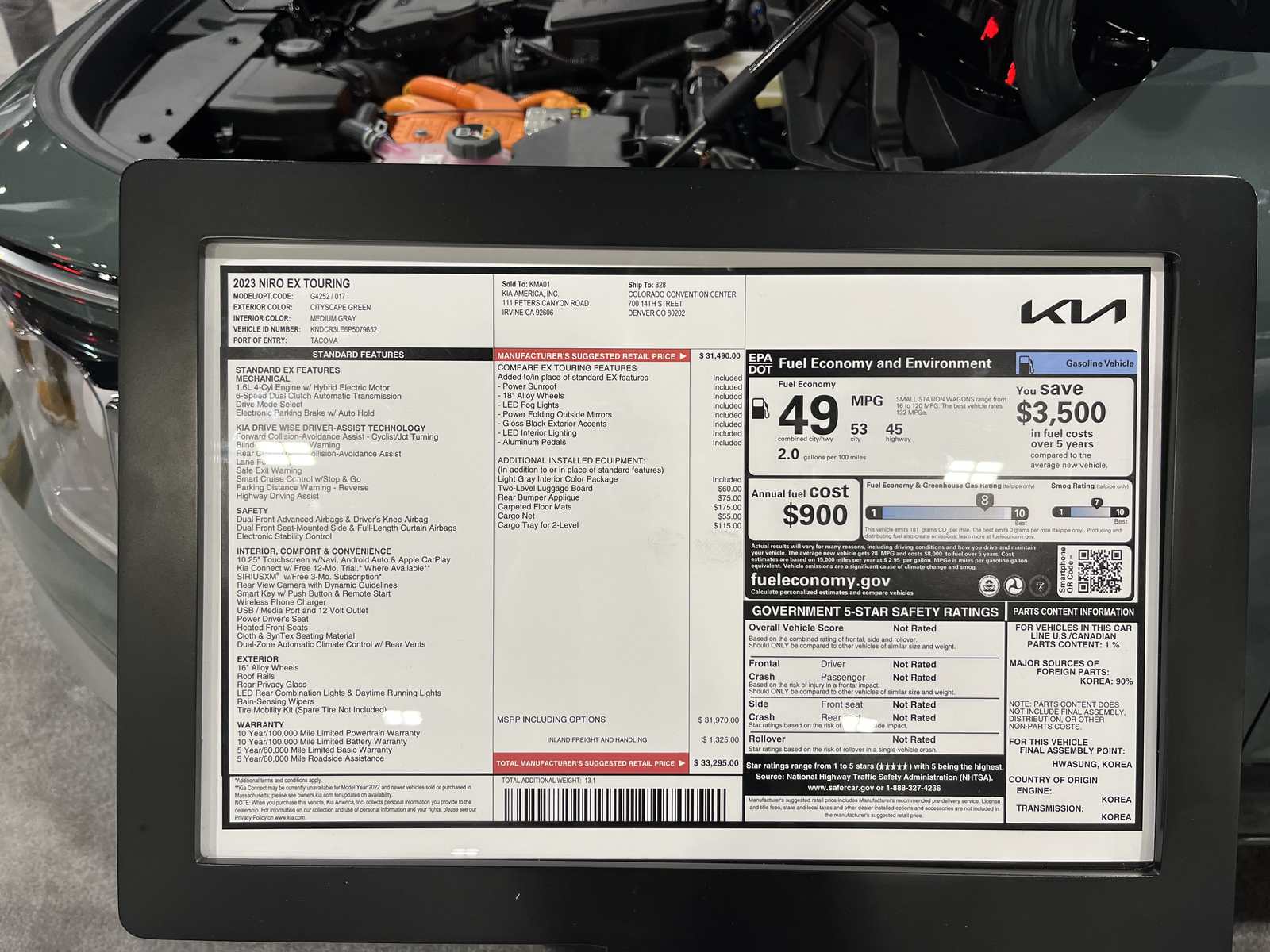
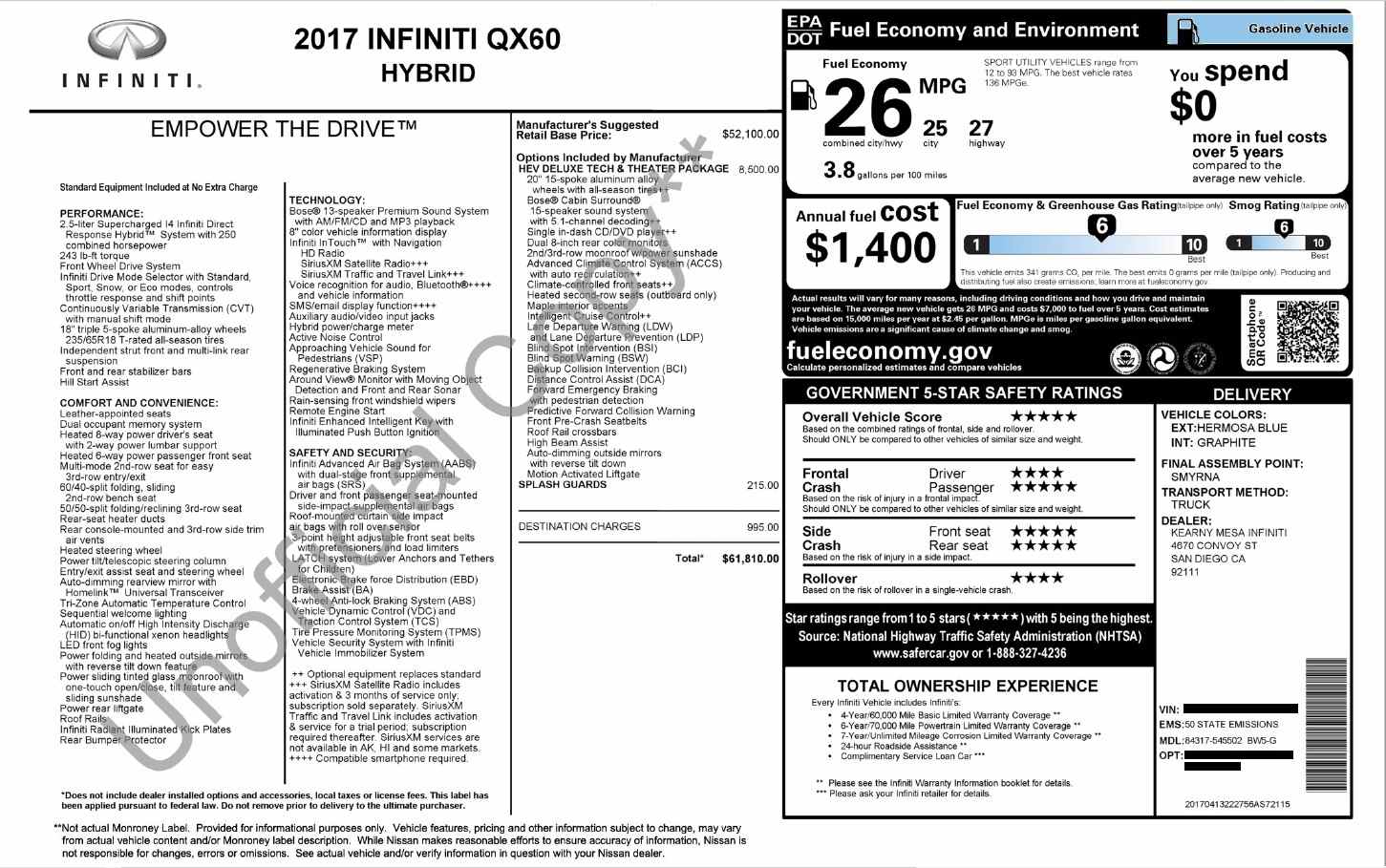
The method also fixes the information problem. Before you send a single request, you should know the car's two reference numbers: the MSRP on the window sticker and the invoice figure beneath it. MSRP vs invoice price explains how those two numbers relate, and how to find invoice price on a car shows where to get the invoice figure for your exact build. With those in hand, incoming quotes stop being mysterious numbers and become positions you can judge: above invoice, at invoice, or into the territory where holdback and factory money live.
Step 1: Freeze the Specification Before Anyone Quotes
Competition fails when the car keeps changing, because no two quotes are then comparable. Lock the build first: make, model, trim, engine or drivetrain, and the factory options you genuinely want. Then find that exact car — or an identical build — in stock at several dealers, and note each stock number or VIN. Colour flexibility is your one sanctioned variable: naming two acceptable colours widens the pool of cars dealers can quote without changing the specification that matters for price.
Write the specification down as a single line you will reuse verbatim in every request. If a dealer wants to quote a different trim or an options package you did not ask for, that is a different car and a different conversation. The discipline sounds rigid; it is what makes the quotes at the end of the process worth the paper they are printed on.
Step 2: Send One Identical Request to a Handful of Dealers

In practice, how do you get dealers to compete? Choose three to five dealers who have the car, close enough that you would genuinely buy from each. Then send every one of them the same short request, by email or the store's own contact form. Keep it to one message, along these lines:
Subject: Written quote request — [year, make, model, trim], your stock #[number]
"Hello — I am purchasing by [day/date], and I am collecting written quotes from a small number of dealers on this exact car before I choose where to buy. Please reply to this email with your complete out-the-door total for stock #[number], split into the selling price, each individual fee, and tax and registration, with nothing added that I have not asked for. Two ground rules, so the quotes stay comparable: totals only — a monthly-payment figure, or a price quoted 'before fees', cannot be weighed against the others, so I will have to set it aside — and email only, please, as I will not be taking sales calls while I compare. The lowest complete total earns the trip in to sign. Thank you."
Notice what the request does. It states a deadline, which makes you a real sale rather than a research project. It demands the out-the-door total, which prevents the classic shell game of a low selling price padded with fees — dealer fees explained decodes the lines to watch. And it names the process honestly: dealers who know they are in a small, fair competition quote their real number early, because there is no second chance to be vague.
Step 3: Compare the Quotes on One Table
Quotes arrive in different formats, with different things emphasised. Normalise them onto a single comparison before judging any of them. The table below shows the layout — the figures are an illustrative example with invented round numbers, not prices for any real vehicle:
| Line to compare | Dealer A | Dealer B | Dealer C |
|---|---|---|---|
| Selling price (illustrative) | $34,900 | $34,450 | $34,600 |
| Documentation fee (illustrative) | $699 | $399 | $499 |
| Add-ons you did not request | $895 protection package | None | $299 VIN etch |
| Out-the-door total before tax (illustrative) | $36,494 | $34,849 | $35,398 |
Two lessons hide in the example. Dealer C's selling price undercuts Dealer A's by $300, and even carrying a $299 VIN etch that nobody requested, C's total still beats A's by $1,096 — because A's $895 protection package and $699 doc fee do far more damage than C's add-on. Yet C still loses: Dealer B's total is another $549 lower, built from the lowest selling price of the three, the smallest doc fee and no add-ons at all. The gaps between the totals bear little resemblance to the gaps between the selling prices, which is why the bottom line is the only number worth comparing. The Consumer Financial Protection Bureau's guidance to car buyers makes the same point from the financing side: compare total cost across offers, never a single attractive figure in isolation. If a quote arrives with an incentive you do not qualify for baked into the price, or a rebate counted twice, send it back once for a corrected itemisation.
Step 4: Run One Counter Round — Then Stop
Take the lowest credible out-the-door total to the other dealers exactly once: "Dealer B is at $X out the door, itemised, on the identical car. If you can beat it, I will buy from you today." One round respects everyone's time and produces genuine best offers; endless auctions teach dealers that your "final" number is not final, and the games migrate to the signing desk instead. When the round closes, take the winner. Chasing a further $100 (illustrative figure, not a live price) across another week of emails costs more in time and goodwill than it returns.
Hold a few ground rules throughout. Keep your trade-in out of the competition entirely — settle the car's price first, then value the trade as a separate transaction, because a generous trade allowance can quietly repay itself in the selling price. Keep financing separate too: arrive with your own pre-approval and let the winning dealer try to beat it afterwards if they wish. And never share your phone number more widely than you mean to. The whole point of this method is that you run the process; a request sent on your terms should produce quotes, not a week of follow-up calls from stores you never chose.
What This Looks Like When a Site Does It For You
Everything above is deliberately do-it-yourself, and it works today with nothing but an email account. It is also, frankly, an evening of admin — which is why MyCarDiscount is being built around exactly this pattern: you will pick the car and see its invoice and estimated true cost first, then choose a small number of named dealers — never more than three — to request offers from, with every offer compared on the out-the-door total. That offer service is not live yet, and we will not pretend otherwise; the methodology page explains how our numbers are built, and the invoice pricing tool is where the process will start. Until then, the manual method in this guide is the honest version of the same idea, and it costs nothing.
How to Get Dealers to Compete: FAQs
How many dealers should I ask for quotes?
Three to five is the productive range. Fewer than three and you have no real market; more than five and you spend your time managing replies while dealers discount your seriousness. Every dealer you approach should be one you would actually buy from at the right number.
Should I tell each dealer the others' prices?
Yes, in the single counter round — a named total on the identical car is the information that moves prices. Share the out-the-door figure, not a screenshot of a rival's paperwork, and give each dealer one clear chance to beat it rather than dribbling numbers back and forth.
What if a dealer refuses to quote in writing?
Treat the refusal as their answer. A store that will not itemise a quote in writing is reserving the right to change it in person, and the CFPB is clear that price, fees and add-ons are all negotiable items — a written quote is simply how you verify which parts moved. Thank them and work with the dealers who quoted.
Does this work on scarce or high-demand models?
Partially. On a car with waiting lists, dealers may all quote at or above MSRP and decline to bid against each other; the method still protects you, because identical written quotes expose market adjustments and padded add-ons even when nobody will discount. Knowing the honest market price quickly is worth something even when the honest price is high.
The Bottom Line on How to Get Dealers to Compete
Knowing how to get dealers to compete is a procedure, not a personality trait: freeze the specification, send one identical written request to a handful of dealers, compare itemised out-the-door totals on a single table, run one counter round, and stop. The preparation starts with the numbers themselves — pull the invoice figure for your build in the get dealers to compete invoice pricing tool, check your target with the how to get dealers to compete calculator, and read how to negotiate from invoice price for the offer-building method that pairs with this one.

Get the number dealers start from.
Invoice, estimated true cost, out-the-door — before any dealer hears your name.