
Dealer Fees Explained: Doc Fees, Add-Ons and What to Refuse
Dealer fees on a new car, in short: you negotiated the car; page two of the contract is where deals leak — doc fees, filing charges and protection packages sorted into what you owe, what is custom, and what is pure profit.
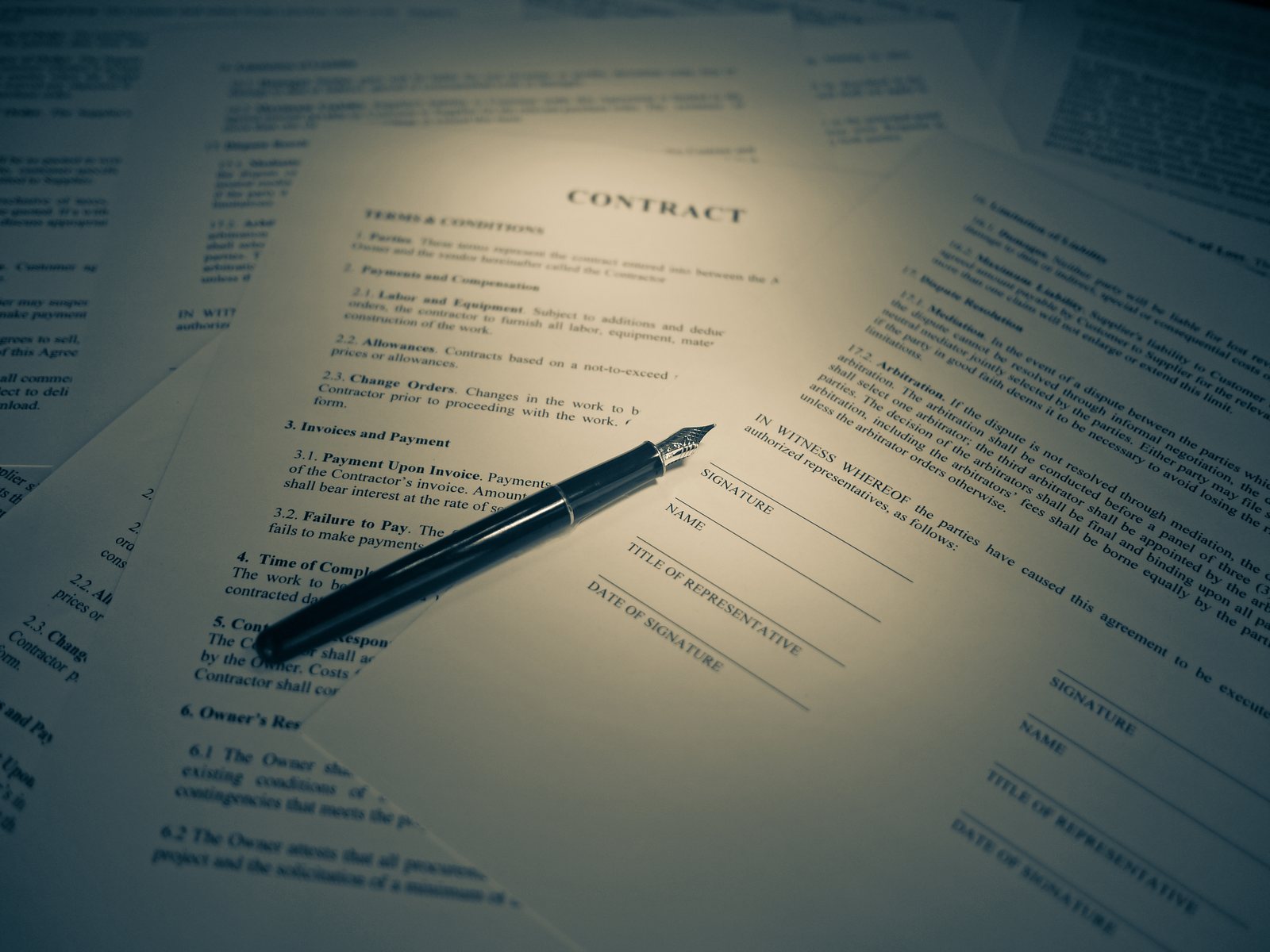
Get car dealer fees explained before you sit down at a finance desk, because the purchase contract is where good deals quietly leak money. The car itself you negotiated. Then page two arrives: a documentation fee, an electronic filing charge, a protection package you never asked about, maybe a market adjustment — and a total several thousand dollars above the price you agreed. Some of those lines are law. Some are custom. Some are pure profit with a official-sounding name. This page sorts every common charge into the three buckets that matter: government charges you owe whoever you buy from, dealer charges you can offset or refuse, and add-ons you should almost never pay for.
Dealer Fees Explained: The Three Buckets
Every line on a purchase contract belongs to one of three buckets. Government charges — sales tax, title, registration and small state-mandated inspection or tyre fees — are set by your state and locality, collected by the dealer, and owed identically no matter which dealer you buy from. Dealer charges are set by the dealership itself: above all the documentation fee, plus assorted processing, filing or preparation lines. Optional products are things the dealer sells you — protection packages, accessories, service contracts — none of which are required to buy the car.
The sorting matters because each bucket has a different rule. Government charges: verify the arithmetic, then pay. Dealer charges: rarely deleted, but real money you can claw back through the price of the car. Optional products: decline, in writing, before you sign. Most fee horror stories come from treating bucket three as if it were bucket one.
The Contract, Line by Line
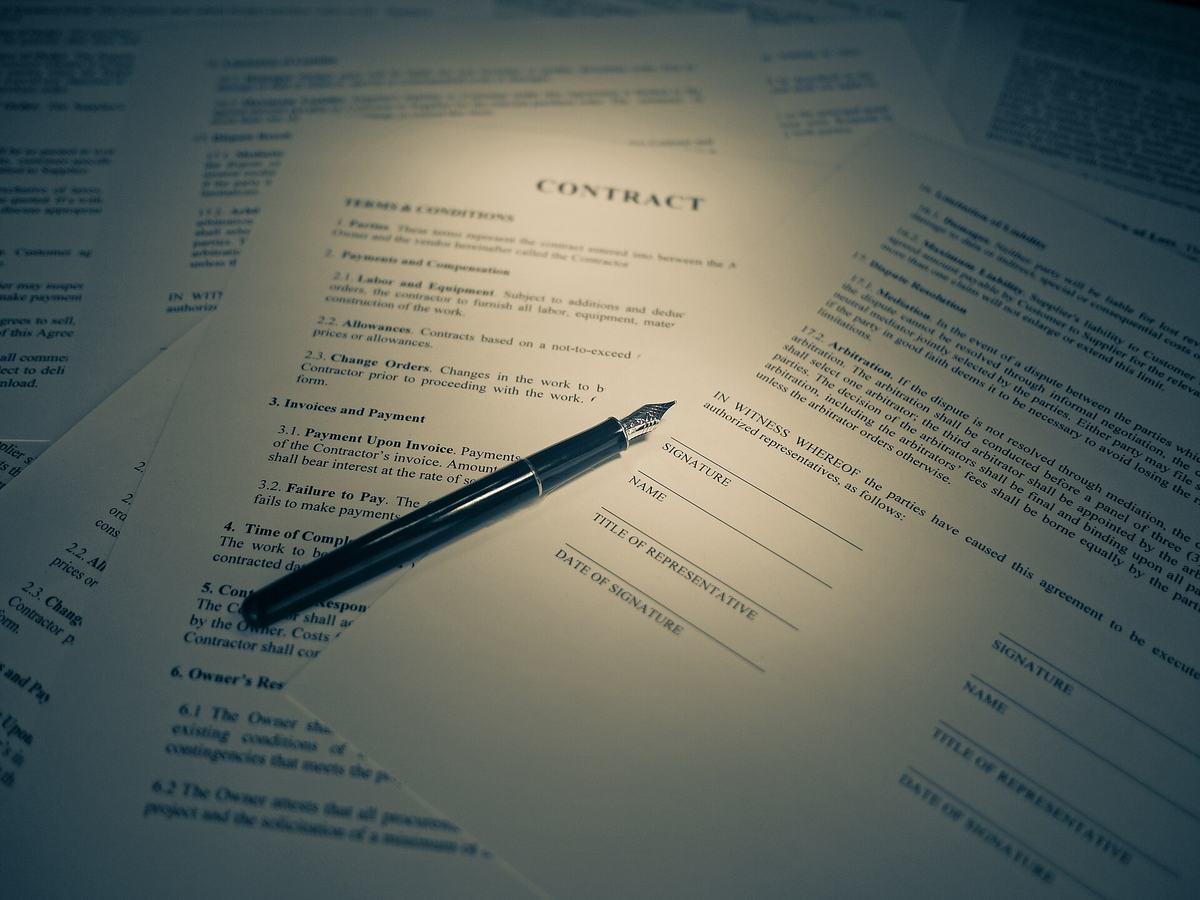
| Charge | What it is | Your move |
|---|---|---|
| Sales tax | State/local tax on the transaction | Verify the rate and the taxable amount; not negotiable |
| Title & registration | Government charges to title and plate the car | Pay; check they match your state's schedule |
| Destination charge | Manufacturer's transport fee, already inside MSRP | Pay once — challenge any second "freight" or "delivery" line |
| Documentation (doc) fee | Dealer's charge for preparing and filing the paperwork | Rarely removed; negotiate an equal amount off the car's price |
| Electronic filing / processing fee | Dealer's charge for electronic submission of documents | Question it; often duplicates what the doc fee covers |
| Dealer preparation fee | Charge for getting the car ready for delivery | Refuse — preparation is part of selling a new car |
| Market adjustment (ADM) | Markup above MSRP on high-demand models | Negotiate or walk; it is pure price, not a fee |
| Add-on packages (paint/film protection, nitrogen, VIN etching) | Optional dealer-installed products | Refuse; buy later from a third party if you want them at all |
The destination row deserves emphasis because it is the most common double-charge in the business. Destination is set by the manufacturer and already included in the total MSRP on the window sticker, as what does MSRP mean explains in full. If the contract then adds a separate delivery, freight or handling line, you are being charged twice for the same transport. That line should come off, entirely, every time.
The Doc Fee: The Charge That Varies Most by State
Car dealer doc fees go by many names — documentation fee, processing fee, dealer administrative fee; the names rotate — and pay for preparing the sales contract and filing the paperwork, and in many states they have also become a profit centre in their own right. Two facts explain almost everything about it. First, it is set by the dealer, not the government: as Edmunds notes, a handful of states limit the amount a dealership can charge, but the majority have no caps, leaving the figure to the dealer's discretion. Second, the spread is enormous. Using dealer data collected nationwide, Edmunds calculated 2025 state median doc fees of $899 in both Florida and Virginia — the highest in the country — against $75 in New York and $85 in California, the two lowest, in states where limits apply.
Practical consequences follow. In a high-doc-fee state, a dealer advertising the lowest price in town may simply be moving margin into the fee; that is why all comparisons in this guide are out-the-door. Most dealers will not strike the doc fee itself — many are advised that charging it inconsistently creates legal exposure, and some states require it to be charged uniformly — but the fee is not a wall. Buyers ask the question in two forms — are dealer doc fees negotiable, and are car dealer doc fees negotiable — and the answer is the same either way: the line itself almost never moves, but its cost is fully negotiable through the price of the car. If the doc fee is far above your state's median, that is a reason to press harder on price or to widen your search, exactly as you would for any other line. Ask for the dealer's doc fee early — before you invest an afternoon — so it is priced into every quote you request, which is the method used in how to get dealers to compete.
Add-Ons and Market Adjustments: What to Refuse
Bucket three is where the contract goes to be creative. The usual cast: paint and fabric protection, paint-protection film, nitrogen-filled tyres, VIN etching, wheel locks, door-edge guards, theft-deterrent systems and bundled "protection packages" combining several of them at a package price. Their common traits: they were never part of the manufacturer's price, they are installed or promised by the dealer, their markups are typically the highest of anything on the contract, and you can buy almost all of them later, elsewhere, for far less — if you want them at all. The correct response is a flat no, delivered before the contract is printed. Add-ons already installed on a specific car are the dealer's choice, not your obligation; a car without them exists at another dealer.
The market adjustment is a different animal wearing fee clothing. Labelled ADM, additional dealer markup or market adjustment, it is not a charge for anything — it is the dealer pricing a scarce car above MSRP, which is legal because MSRP is a suggestion (see how to buy a new car below MSRP for when sub-sticker deals are realistic instead). You cannot "refuse" it line by line; you negotiate the total price or you walk. Timing is your ally here — the best day to buy a car logic of quota cycles applies doubly to marked-up stock a dealer needs to move.
One more category sits between the buckets: products sold in the finance office after the price is agreed — extended service contracts, tyre-and-wheel plans, GAP cover. Some have genuine value for some buyers; none should be bought under time pressure at the desk. Ask for the price and terms in writing, compare after the purchase if you want them, and remember the Consumer Financial Protection Bureau counts fees and add-ons among the negotiable parts of the deal. The Federal Trade Commission's standing advice to car buyers is the same in spirit: read the contract and challenge any charge you did not agree to before signing.
Dealer Fees Explained in Practice: Negotiate the Total
Are car dealer doc fees negotiable as a line item? Almost never — which is why this section negotiates the total instead of the lines. Arguing line by line is exhausting and dealers know it. The stronger method is to negotiate one number: the out-the-door total, inclusive of the car, every fee and tax, for the exact vehicle. Ask each dealer for that figure in writing, run competing quotes through our dealer fees calculator, and let the dealer allocate the total internally however they like. A $500 line for car dealer doc fees inside the lowest out-the-door quote costs you nothing extra; a $75 doc fee inside a high quote is no bargain (illustrative figures, not live prices).
Ground the total in the car's real economics first — its invoice price and any incentives running on it — so the fee conversation starts from a price that already makes sense. What is a good price for a new car shows that build-up, and new car rebates and incentives covers the factory money that should be reducing your total before any fee is added. Then, before signing anything, read the final contract top to bottom and reconcile it against the agreed out-the-door figure. Any line that was not in the quote is a conversation, not a surprise you absorb.
Dealer Fees Explained: FAQs
Are dealer doc fees negotiable?
The fee line itself is rarely removed — many dealers apply it uniformly, and some states effectively require consistent charging. Its cost, however, is fully negotiable: ask for an equal reduction in the price of the car. Judged as part of the out-the-door total, a high doc fee offset by a lower price is the same money.
What are dealer doc fees?
What are dealer doc fees, exactly? They are the documentation charge a dealer adds for preparing the sales contract and filing the paperwork — the same charge this guide calls the doc fee throughout. The names vary by dealer and state, but the charge is the same: a dealer-set line for paperwork, not a government fee.
Do I have to pay dealer doc fees?
Do I have to pay dealer doc fees in full? In practice, usually yes — the line is charged to every buyer at that dealer, and refusing the line itself rarely works. What you do not have to do is absorb it: negotiate the same amount off the car's price, so the out-the-door total is unchanged.
Are dealer doc fees taxable?
Are dealer doc fees taxable themselves? No — the fee is a dealer charge, not a tax, and sales tax appears as its own line on the contract. Whether the fee is included in the amount sales tax is calculated on depends on your state, so check the tax line on your buyer's order rather than assuming.
Are dealer doc fees legitimate?
Are dealer doc fees legitimate charges? Yes, in the sense that they are a real, legal dealer charge in most states — only a handful cap the amount — but legitimate does not mean unchallengeable: verify the fee against your state's cap where one exists, and offset it through the car's price.
Are dealer doc fees required?
Are dealer doc fees required by law? No — no law requires a dealer to charge one, and no law requires you to accept a fee you did not agree to. But a dealer that charges the fee charges every buyer the same amount, so expect the line to stay and recover the money through the price instead.
Why are dealer doc fees so high?
Why are dealer doc fees so high in uncapped states? Because nothing caps them: the dealer sets the figure, and in high-demand markets the market tolerates a large one. The defence is the same everywhere — compare out-the-door totals and offset the fee through the price.
Can a dealer charge whatever doc fee it wants?
In most states, largely yes: only a handful of states cap the amount, per Edmunds' state-by-state data, and elsewhere the figure is the dealer's choice — which is why 2025 medians ran from $75 in New York to $899 in Florida and Virginia. Even where it is capped or customary, verify the fee before you negotiate the car, not after.
Which dealer fees should I always refuse?
Dealer preparation charges, duplicate freight or delivery lines (destination is already in MSRP), and pre-installed add-on packages such as paint protection, nitrogen and VIN etching. None are required to buy the car, and each can be declined or shopped for elsewhere. Market adjustments are not fees but markups — negotiate the total or walk away.
Are extended warranties and service contracts dealer fees?
No — they are optional products sold at the finance desk, not fees for buying the car. Some suit some buyers, but they should be priced in writing, compared against third-party options, and never accepted simply because they were pre-printed on the contract. You can usually buy them later; you cannot easily remove them once financed.
The Bottom Line on Dealer Fees
Get the dealer fees on a new car explained once and contracts stop being intimidating: government charges you verify, dealer doc fees you offset through the price, add-ons you refuse, and markups you negotiate as price. Everything else is noise designed to move money from the negotiated column to the fine-print column. Set your target from the invoice side with our dealer fees explained invoice pricing tool, compare dealers on the out-the-door total, and read our methodology for how we source every figure we publish.

Get the number dealers start from.
Invoice, estimated true cost, out-the-door — before any dealer hears your name.