
What Is a Good Price for a New Car? Fair Price Benchmarks
A good price for a new car, in short: forget the percentage off sticker your friend quotes — a fair price is a position relative to invoice, live incentives and how much local supply is sitting on lots.
Ask what is a good price for a new car and you will get folklore: a percentage off sticker, a number a friend's cousin paid, a monthly payment that "felt right." None of that survives contact with a specific car in a specific month. A good price is not a universal discount — it is a position relative to three things you can look up: the car's invoice price, the factory incentives running on it, and how much local supply your dealers are sitting on. Build your target from those three, and you will know a fair price when a dealer writes one down.
What Is a Good Price for a New Car? Start With Three Numbers
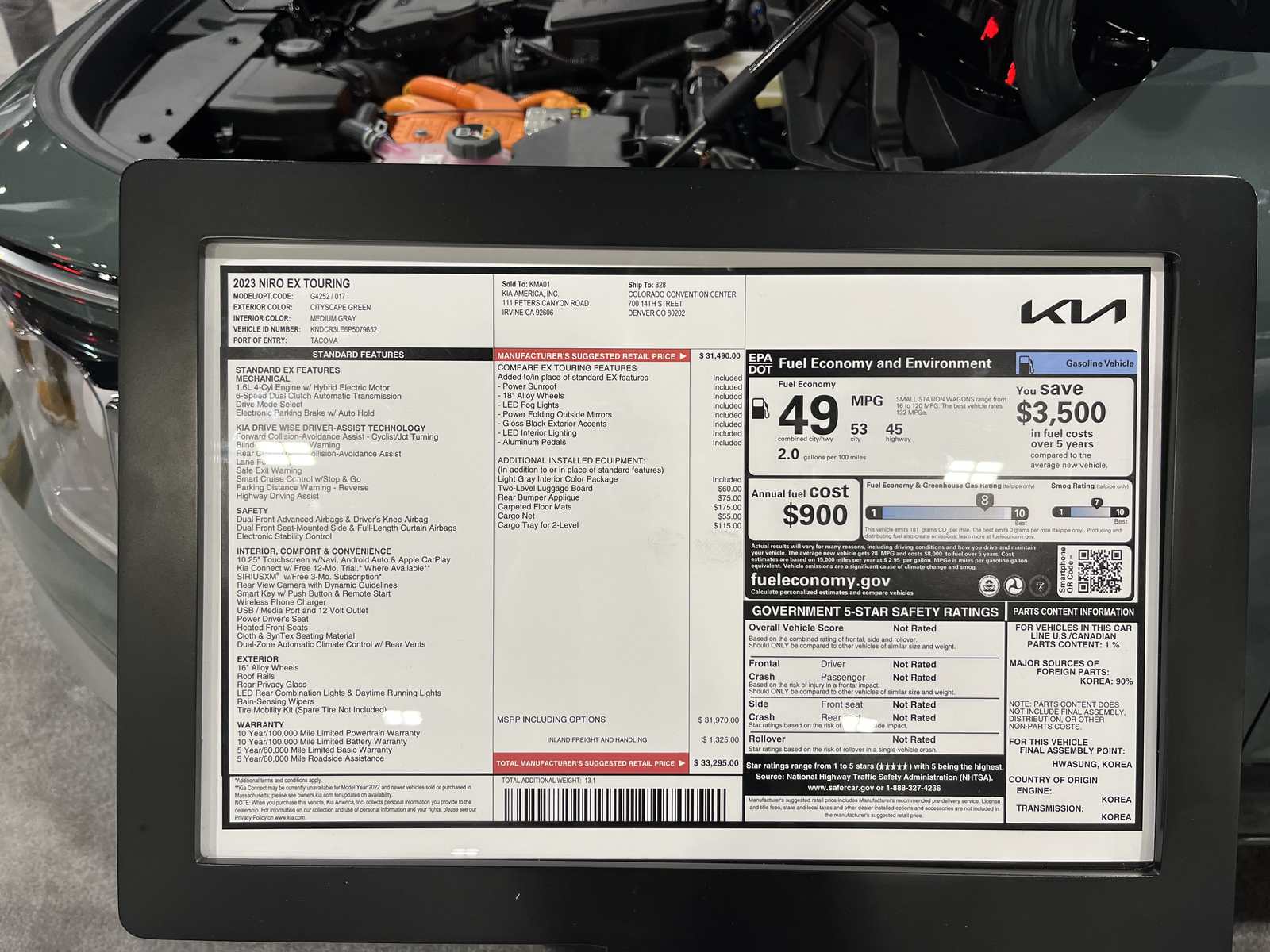
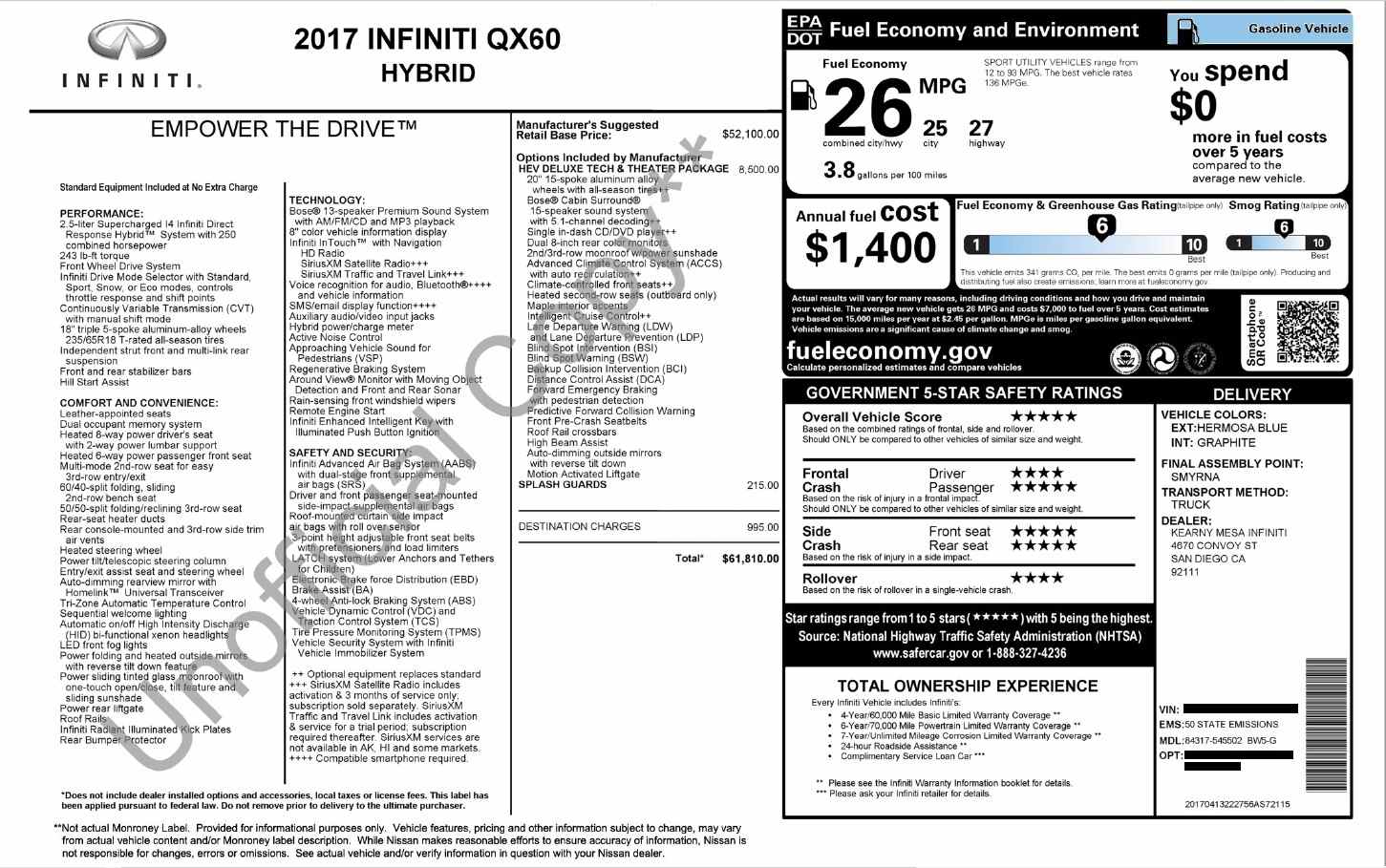
The first number is invoice price: what the manufacturer billed the dealer for that exact vehicle, including its factory options and destination charge. MSRP vs invoice price explains how the two figures are built, but the short version is that invoice is the dealer's visible starting cost, and every serious target price is anchored to it. If you do not have the invoice figure for your trim yet, how to find invoice price on a car covers every legitimate way to get it.
The second number is the incentive stack. Customer rebates, loyalty and conquest cash, and subsidised finance offers all reduce what a fair price looks like this month, and they change monthly. Our guide to new car rebates and incentives explains which types stack and which force a choice. A car with $1,500 of customer cash behind it (illustrative figure, not a live price) should transact lower than the identical car without it — if your target ignores incentives, you will overpay on exactly the cars the factory is trying to move.
The third number is not printed anywhere: local supply. A model your three nearest dealers each have twenty of is a buyer's market. A model with a waiting list is not. Supply is why no honest benchmark can be a single percentage — and why the same target that is fair in one ZIP code is fantasy in another.
Fair Price Benchmarks, by Market Situation
Because supply decides so much, benchmarks work best as zones tied to the situation, not as one magic figure. The table below describes where a fair target usually sits relative to invoice for each situation. It is a method, not market data: it tells you where to aim once you know the invoice and the incentives on your specific car.
| Market situation | Where a fair target usually sits | Why |
|---|---|---|
| Well-stocked mainstream model, incentives running | Between invoice minus your incentives, and invoice | Dealer margin is thin, factory money does the discounting, and rival dealers hold the same stock |
| Average model, normal stock, no big incentives | Between invoice and a few percent over it | The dealer keeps some visible margin; holdback still sits beneath invoice |
| High-demand or low-supply model | At MSRP, sometimes above | Scarcity, not dealer stubbornness, sets the price; the benchmark is availability |
| Leftover prior model year | At or below invoice, before incentives | The car is ageing on the lot and the factory often supports clearing it |
Two cautions. First, "invoice" here means the real factory invoice for the exact car — same trim, same options — not a number a salesperson quotes from memory. Second, the zones describe the selling price, before taxes and government fees. Your out-the-door total sits above whichever zone you land in — compare offers out-the-door, as covered below.
Beneath all of this sits one more layer: dealer holdback — money, typically around 1–3% of MSRP depending on the brand, that the manufacturer pays the dealer back after the sale. Holdback is why a dealer can accept an at-invoice or below-invoice deal and still profit, and why invoice price is not the dealer's true cost. You do not need to "take" the holdback; you need to know it exists so an invoice-price offer does not feel like a favour.
Build Your Target Price in Four Steps
First, get the invoice price for the exact trim and option set you want — not a nearby trim. Options carry their own margins, so the wrong trim's invoice produces the wrong target. Start with our invoice pricing tool or the per-brand pages in the makes hub.
Second, subtract every incentive you qualify for. Customer cash comes straight off your target. Loyalty or military and first-responder bonuses count only if you qualify — building a target on a rebate you cannot claim is how negotiations collapse.
Third, sanity-check the result against the situation table above. If the model is well stocked and your arithmetic lands you below invoice, that is a credible opening position, not an insult. If the model is scarce, accept that your target may be MSRP and shift your energy to fees and competing offers instead.
Fourth, convert the target into an out-the-door number before you contact anyone. Add your state and local tax, title and registration, and a realistic documentation fee — Edmunds puts 2025 median doc fees anywhere from $75 in New York to $899 in Florida and Virginia, so this line alone can move your total by hundreds. Run the arithmetic on our calculator so the number you negotiate is the number you will actually pay. This build-up method — invoice, minus holdback effect, minus rebates and incentives — is the same one Consumer Reports has long recommended for setting a target price.
Why the Same Car Has Different Good Prices
Two identical cars, two honest "good prices," sometimes thousands apart. Model-year timing explains part of it: a car bought during a changeover, when next year's model is landing, carries factory support the same car lacked two months earlier — which is part of why the best day to buy a car follows quota and model-year cycles rather than superstition. Regional demand explains more: all-wheel-drive crossovers command stronger money where it snows; convertibles move differently in February in Phoenix than in Minneapolis.
This is also why "average transaction price" headlines mislead individual buyers. An average mixes trims, regions and months into a number that describes no actual car you can buy. Your benchmark has to be built from your car, your month, your ZIP — which takes an hour of homework, not a headline.
Prove Your Number With Competing Offers
A target price built from a spreadsheet is a hypothesis. Competing offers are the test. Ask at least three dealers for an out-the-door quote on the identical vehicle — same trim, same options, ideally the same car by VIN — and compare the totals, not the selling prices. Our walkthrough of how to get dealers to compete gives the exact same-spec request format, and how to negotiate from invoice price covers the conversation once quotes arrive.
Read the results plainly. If two or three dealers land within a few hundred dollars of each other, you have found the market price. If one quote is dramatically lower, check it line by line: a missing option, a rebate you do not qualify for, or a swollen doc fee are the usual explanations. The Consumer Financial Protection Bureau reminds buyers that the vehicle price, fees and add-ons are all negotiable — so negotiate the total, in writing, before financing or trade-in muddy it.
What a Good Price Is Not
It is not a fixed percentage off MSRP. Ten percent off a heavily optioned truck and ten percent off a base economy car are entirely different amounts of dealer margin, because the invoice gap scales with price and options. It is not a monthly payment either: any selling price can be made to "fit" a payment by stretching the loan term, which is how buyers overpay while feeling they got a deal. And it is not the lowest number ever posted online — a screenshot from another state, another month and another incentive set proves nothing about your car today. If you want the sub-MSRP playbook itself, how to buy a new car below MSRP takes the method further.
What Is a Good Price for a New Car? FAQs
Is invoice price always a good price for a new car?
Usually it is a fair one, but not automatically the best available. On a well-stocked model with customer incentives running, a good price often sits below invoice once those incentives are applied. On a scarce model, invoice may be unobtainable and MSRP is the honest price. Invoice is the anchor, not the answer.
How much below MSRP should I aim for?
There is no universal percentage, because the MSRP-to-invoice gap varies by model, trim and options. Aim relative to invoice instead: find the invoice figure, subtract the incentives you qualify for, and judge the result against local stock. A target built that way is defensible in any negotiation; a percentage off sticker is a guess.
Should I compare prices before or after taxes and fees?
Always after. Compare out-the-door totals for the identical car, because dealer fees — especially the documentation fee — vary enough to erase an apparent saving. Two quotes with the same selling price can differ by hundreds of dollars out the door.
Does a good price change during the month?
It can. Incentives are set monthly, and dealer quota pressure builds toward month-end and quarter-end, which is when some dealers sharpen prices to hit volume targets. The invoice anchor does not move, but the incentives and the dealer's motivation around it do.
The Bottom Line on What Is a Good Price for a New Car
So, what is a good price for a new car? It is the price you can defend with three numbers: the invoice on the exact car, the incentives running on it this month, and the out-the-door quotes of dealers who actually have it in stock. Build your target from those, verify it with competing offers, and you will never need folklore again. To find a good price for a new car, start with the invoice pricing tool, run your total on the out-the-door calculator, and read our methodology to see exactly how we treat every number we publish.
Get the number dealers start from.
Invoice, estimated true cost, out-the-door — before any dealer hears your name.