
Factory Order vs Buying From Stock: Cost, Time and Risk
Buying from stock vs factory order, in short: control versus immediacy: order the exact car and wait, or take the car that exists today — neither route is automatically cheaper, and the paperwork decides.
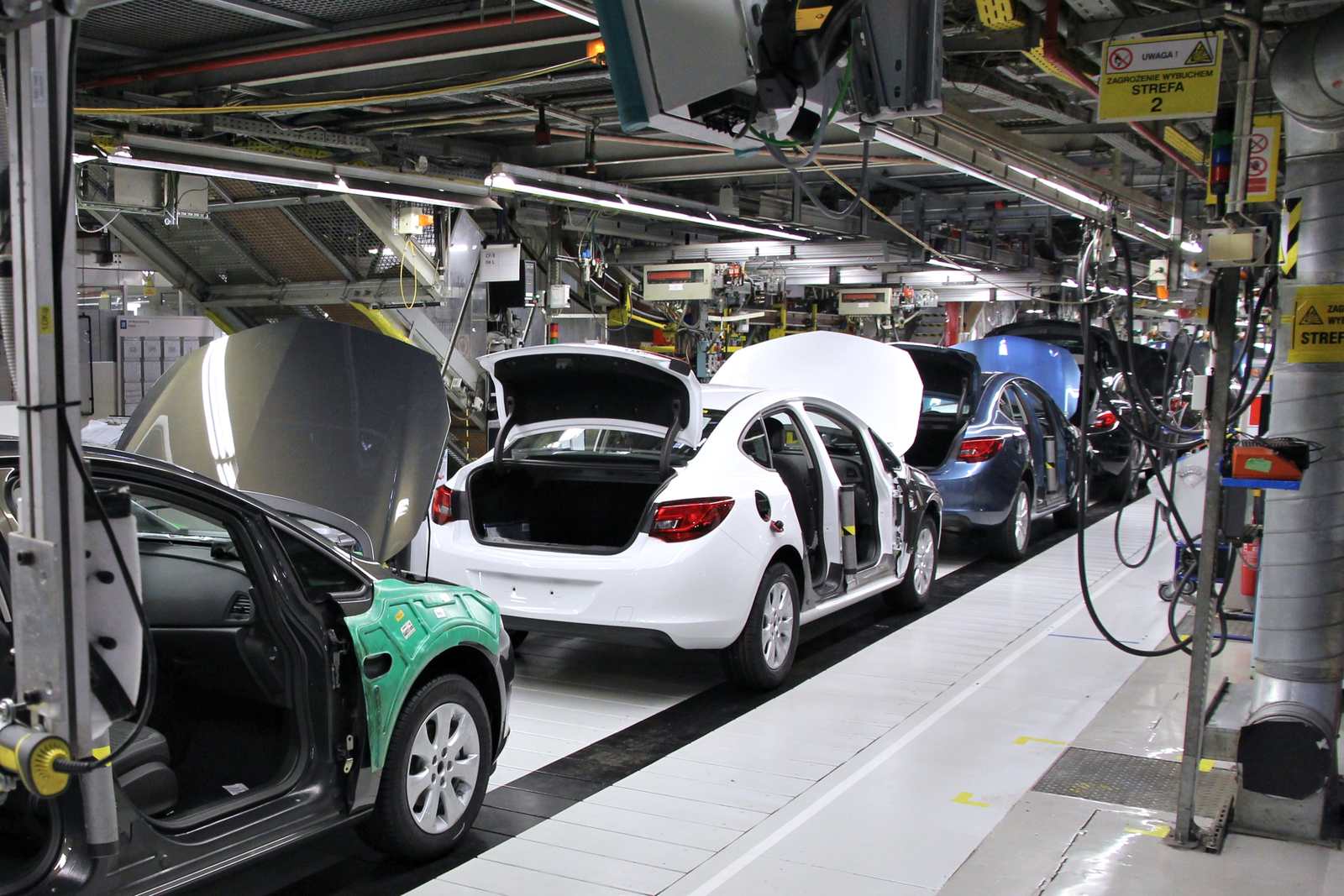
The factory order vs buying from stock decision is a trade between control and immediacy. Buying from stock means choosing a car that already exists, inspecting it, negotiating on it, and usually driving it away quickly. Ordering means having the factory build the exact trim, colour and options you want, then waiting. Neither route is automatically cheaper or smarter. The right choice depends on your requirements, your timeline, and how carefully you protect price and deposit terms in writing.
How a factory order actually works
With a conventional franchised brand, you configure the exact car with a dealer, and the dealer submits a sold order in your name against its allocation. The build then joins the factory queue. Allocation is the mechanic most buyers never hear explained: a dealer can only order what the factory grants it. Allocation limits how many cars, and often which models and trims, a dealer can have built in a period. A high-volume dealer often gets builds scheduled sooner because it receives more allocation, while a smaller dealer may queue longer for the same car.
Order banks and model-year cut-offs set another limit. Ordering closes ahead of the model-year changeover, and an unbuilt order can be cancelled or rolled to the next model year at the new year's pricing. Ask where the order bank stands before relying on an order being accepted.
A deposit is customary, though the amount varies by dealer and no amount should be treated as standard. Whether it is refundable is a written term to settle before paying, including any point after which it stops being refundable. You should also receive an order confirmation showing the exact specification. Check every line against what you asked for, and ask how build and shipping status will be updated, which you can usually track through the dealer.
Not every brand works this way
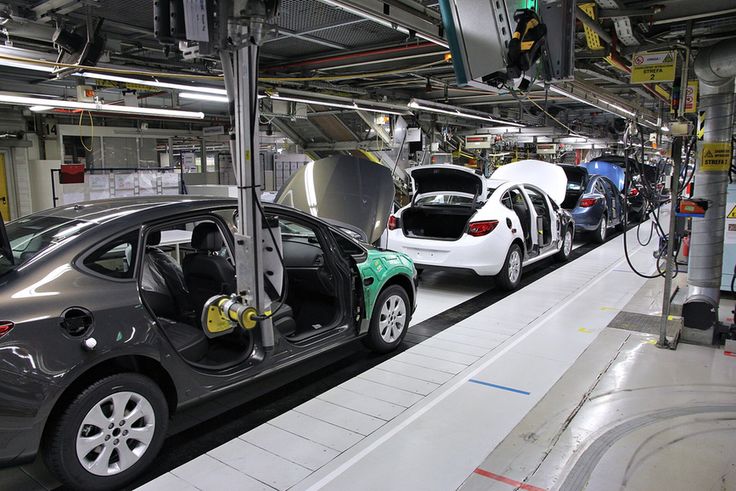
This conventional sold-order system belongs mainly to the US domestic brands and some others. It is not universal, and assuming it is will waste your time.
Many import brands allocate cars to dealers in factory-chosen specifications. There, "ordering" really means a preference request and a deposit against incoming allocation. The dealer can request your preferred trim and colour, but cannot promise the factory will build your exact specification, because that promise is not theirs to make. Treat it as a matching service, not a build order, and make sure the deposit terms reflect the difference.
Tesla and Rivian are different again: they sell direct, with online configuration instead of dealer orders. So name the pattern before you shop: a true factory build order, a preference request against allocation, or a direct online configuration. Each gives a different level of spec control and commitment.
Factory order vs buying from stock on price
Ordering does not automatically cost more. An ordered car is negotiated the same way as a stock car: price agreed up front, in writing, before the car arrives. As the Consumer Financial Protection Bureau explains, much more than the headline price can be negotiated, and that applies to orders too. Agree the figure as an out-the-door price so taxes and fees are settled in negotiation, not discovered at delivery, using guidance on how to negotiate a new car price and factory order vs buying from stock invoice pricing to judge the quote.
The real differences sit elsewhere. A stock car a dealer wants gone, such as an ageing unit or an outgoing model year car, can carry sharper discounts and current incentives, as the pattern behind model-year-end car deals shows; an ordered car is already sold in effect, so that urgency is missing. Second, this risk must be stated plainly: incentives usually apply based on the delivery date's programmes, not the order date's. An order placed in a strong incentive month may land in a weaker one, with a smaller incentive or none. The Federal Trade Commission advises getting the out-the-door price in writing, reviewing paperwork before signing, and noting incentives are limited to certain cars and terms. Finally, an ordered spec avoids paying for unwanted options bundled onto stock cars, a saving of a different kind: not a bigger discount, but a smaller, cleaner purchase.
Wait time: what to expect, honestly
As wide, clearly illustrative ranges only, a wait is often a matter of weeks for mainstream models, stretching to several months for constrained or low-volume models. Those ranges are not tracked lead-time data and are not a promise for any brand or model. Whether you choose factory order or buying from stock, actual times vary by brand, model, allocation and parts constraints, and can change after you order. The dealer's current allocation picture is the only real answer, so ask how many orders are ahead of yours. If you can wait, get an estimated window in writing, and decide in advance what happens to your deposit if the car slips badly.
Spec control: the whole point of ordering
The case for ordering is exactness: your trim, your colour, your options, and no dealer add-ons you did not choose. For buyers who keep a car a long time, need a specific towing or work configuration, or refuse to compromise on colour, that can outweigh the wait and any lost stock discount.
The mirror-image risk is factory constraint. If an option is placed on hold, your build can slip, or you may be offered a specification change instead. Any change must come back to you for re-approval in writing. Do not accept a verbal "basically the same car" at delivery, and compare the delivered car against your order confirmation before signing anything.
Factory order vs buying from stock: the head-to-head
| Factor | Factory order | Buying from stock |
|---|---|---|
| Price negotiation | Negotiated up front like a stock car; less pressure from a car the dealer needs to move | Sharper discounts possible, especially on ageing or outgoing-year cars |
| Wait time | Weeks to several months, illustrative only; set by allocation and factory scheduling | Usually available immediately or within days once a deal is agreed |
| Spec/colour control | Exact trim, colour and options, with no add-ons you did not choose | Limited to cars that exist; you may compromise or pay for bundled options |
| Incentives eligibility | Usually based on programmes in force at delivery, not at ordering | Current programmes can be used when you buy and take delivery |
| Deposit/commitment | Deposit customary, amount varies; refund terms must be in writing | Smaller commitment until you choose a specific car and sign |
| Best for | Buyers with a non-negotiable spec who can wait | Buyers who need a car soon or value a discount over exact spec |
Who should order, and who should buy from stock
Order when your specification is non-negotiable, you are not in a hurry, and no stock car matches after a genuine search. Buy from stock when you need the car soon, the right car already exists on a lot, or outgoing-year stock discounts beat the value of your exact specification. Search widely first, including buying a car from another state, which can turn an apparent order-only spec into a car you can buy this week; check the implications for your state if you do, since tax varies by state.
Whichever route you choose, order deposits and price terms must be in writing before money changes hands: the exact specification, the agreed price, the incentive treatment at delivery, and the deposit refund terms, on documents you keep. A dealer who will not write those terms down is telling you something important.
Frequently asked questions
Is a factory order deposit refundable if I change my mind?
It depends entirely on the written terms agreed before paying. Some dealers make a deposit refundable until a defined stage, such as build scheduling, and others do not. Read the condition, keep the document, and do not rely on a verbal promise.
Can the price of my ordered car change before delivery?
It can if your agreement allows it, for example if an unbuilt order rolls to the next model year at new pricing, or if the delivery-date incentive differs. Agree the price in writing up front, ideally as an out-the-door figure, and ask what happens if factory pricing changes.
Will I get the incentive advertised when I ordered?
Not necessarily. Incentives usually apply based on the delivery date's programmes, not the order date's, so an advertised incentive may have ended or shrunk by delivery. Decide on the agreed car price without assuming it survives, and treat any incentive still available then as a bonus.
Can I track my factory order while I wait?
Usually, yes, through the dealer. You should receive an order confirmation with your exact specification, and the dealer can normally update you as the build is scheduled, completed and shipped. Ask at ordering how updates will be given, and keep the confirmation to check the delivered car against.
Conclusion: factory order vs buying from stock
In the factory order vs buying from stock choice there is no universal winner, only a better fit for your timeline and tolerance for compromise. Order for exact specification and a cleaner purchase, accept the wait, the allocation uncertainty and the incentive risk at delivery, and protect yourself with written price and deposit terms. Buy from stock for speed, for a sharper discount on a car a dealer wants to move, and for incentives you can use when you sign. Start with a wide stock search, order only if it truly fails, and let the written paperwork, not the sales conversation, define either deal — run the total in our buying from stock vs factory order calculator.

Get the number dealers start from.
Invoice, estimated true cost, out-the-door — before any dealer hears your name.