
Buying a Demo Car: Nearly New Discounts and Warranty Traps
The demo car buying guide short version: a demo can save thousands over new, but its warranty clock may already be running — the mileage, condition and discount checks that decide whether the saving is real.
Buying a demo car can put a nearly new car on your driveway for less than a brand-new one, but only if you check what those early miles have already cost you. A demo or loaner has been driven, its warranty clock may already be running, and its condition reflects other people's habits. Price it carefully and it can be a smart shortcut. Skip the checks and you may pay a new-car price for a car that is no longer quite new.
Buying a demo car: what you are actually looking at
The label covers three different kinds of car.
A demo is driven by dealer staff or executives, or kept for customer test drives. One may have had a single regular driver, while another may have spent its life on short test routes with many drivers.
A service loaner is lent to service customers while their own cars are in the shop. These see varied drivers and varied care, often for a day or two at a time, on short local trips.
Programme or loaner-fleet cars are retired from a manufacturer's courtesy programme. They were run as part of that fleet and then released for retail sale when the programme moved them on.
The common thread when buying a demonstrator car: they are dealer-owned, used daily, and usually not yet sold to a retail customer. Ask which life the specific car has lived and what records support the answer. Mileage, paperwork and condition have to line up.
Why never-titled status matters when buying a demo car
This is the economic key, and it needs careful phrasing because exceptions exist.
Most demos and loaners have never been titled to a retail owner, and because of that they are generally still sold as "new" and typically qualify for new-car incentives and new-car financing. In most cases that is the general practice — not a guarantee for every car you will be shown.
Confirm the car's titled status and incentive eligibility for that specific car in writing before you rely on either. A car that was titled or registered to the dealership or to a programme may be treated differently by state law or by the manufacturer. If an incentive or finance offer is part of why the demo beats a used car, that benefit belongs in the written quote. If it cannot be confirmed, do not price the deal as though it will appear later.
The warranty clock: the check most buyers miss
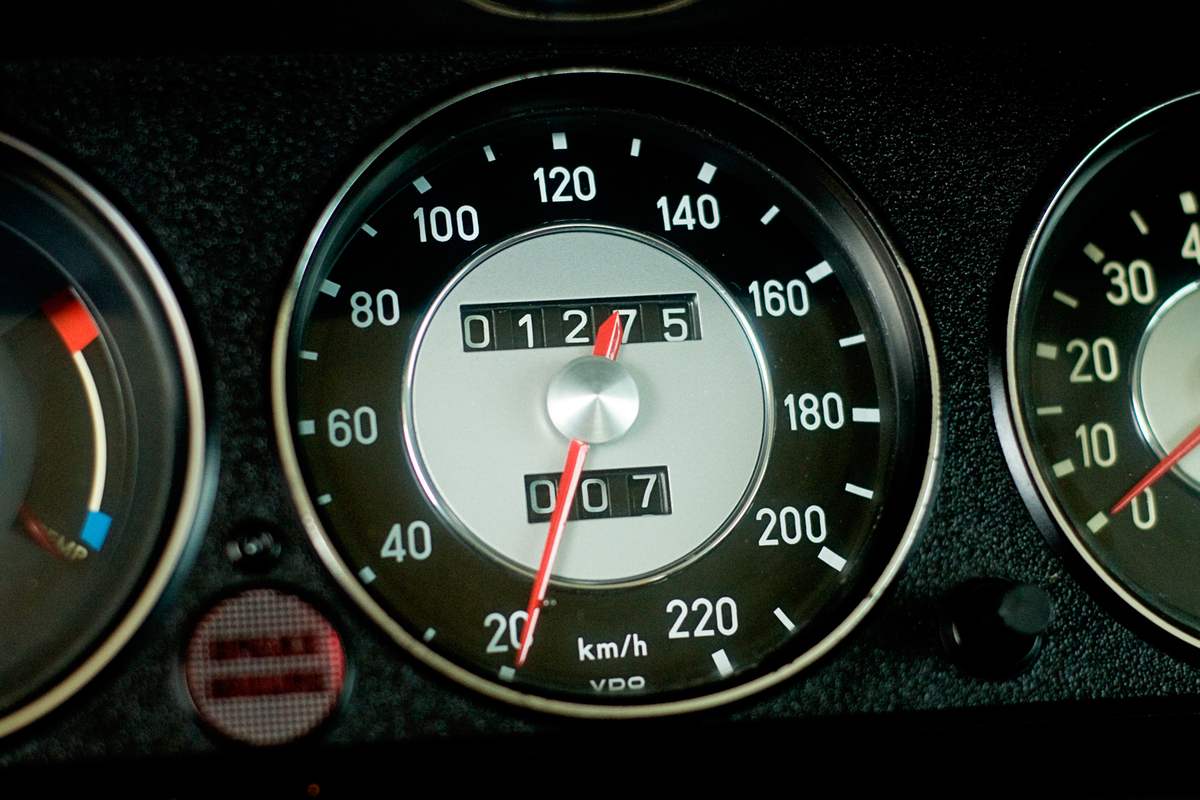
The factory warranty on many demos and loaners starts on the car's in-service date — the day the dealer put it into demo or loaner service — not the day you buy it.
A loaner in service for several months may already have that much warranty consumed, in both time and miles. Ask for the in-service date in writing and do the maths on remaining cover yourself: how much time has passed, how many miles are recorded, and how much cover will actually remain for you? Do not accept a vague assurance of "full warranty" without the date.
Also ask whether any extension applies. Some manufacturers or dealers offer warranty extensions on programme cars, but treat that only as a question — ask whether any extension applies to this car and get any answer in writing. Never treat a possible extension as a promise until it is documented.
How many miles are too many?
Demos and loaners can show anything from a few hundred to several thousand miles — a broad range, not a cap or standard. What matters is that the miles are priced in and the condition matches them. A lower-mileage executive demo should look close to new. A higher-mileage loaner should be noticeably cheaper and still present cleanly. If mileage says one thing and tyres, seat bolsters, steering wheel and paint say another, pause and ask why. Miles already driven also reduce the mileage side of your remaining warranty, just as time in service reduces the time side.
| Check | What to ask / verify | Why it matters |
|---|---|---|
| Mileage | Exact odometer reading and what role the car served | Miles must be priced in and condition must match them |
| In-service date | Date the car entered demo or loaner service, in writing | Warranty may have started then, not on your purchase date |
| Titled status | Whether it has ever been titled to a retail owner, the dealer or a programme | Status affects how it is sold and what may apply to it |
| Incentive eligibility | Whether new-car incentives and financing apply to this specific car, in writing | Eligibility is car-specific and exceptions exist |
| Condition | Paint, wheels, interior, tyres and service records from the dealer's own shop | Demo and loaner duty is hard on cosmetics and wear items |
The discount: use the per-mile heuristic, honestly labelled
As a heuristic — a working rule of thumb credited to used-car buying guides, not a market standard or a sourced figure — expect roughly $0.25–$0.40 off per mile on the clock for mass-market cars, and more per mile for luxury models, plus whatever additional negotiation the car's age in stock supports.
That is a starting heuristic for the negotiation, not what any dealer must accept. As a labelled illustrative calculation only: at 4,000 miles, that heuristic implies roughly $1,000–$1,600 for the miles alone — illustrative arithmetic, not a quote. Time in stock, condition and warranty already consumed can move the sensible discount above or below that miles-only figure.
Start wider pricing with buying a demo car invoice pricing, then use how to negotiate a new car price to keep the discussion on the car price before extras are added.
Condition checks: demo duty is hard on a car
Inspect a demo or loaner as carefully as any car you are about to own. Demo and loaner duty is hard on cosmetics, because many people use the car and none of them own it.
Walk the paint in good light for chips, scuffs and parking marks. Check every wheel for kerb rash. Inside, look for worn bolsters, grubby touch points, scuffed sills, marked trim and lingering smells. Check wear across all four tyres — uneven or heavy wear needs an explanation and a price consequence.
Ask for service records from the dealer's own shop. The dealer controlled the car, so records should exist and be easy to produce. The car should be detailed before delivery, and any wear should be rectified or priced. If a fault will be fixed, get that commitment in writing.
A demo is also a good candidate for the same disciplined process as any purchase. The written-quote and inspection discipline in how to buy a car online applies here too: get the quote in writing and verify the car against it.
Price it three ways before you decide
Compare three numbers: a brand-new identical car, the demo in front of you, and a genuinely used example of the same model.
The demo must be enough cheaper than new to beat the warranty and miles already consumed. A small saving that leaves you with less cover and several thousand miles may be worse than buying new. Against a used car, the demo typically carries new-car incentives a used car cannot — per the careful framing above, and only where eligibility is confirmed for that specific car. That advantage counts at its confirmed value, not an assumed one.
Negotiate on the itemised out-the-door total, not the monthly payment or headline discount. The out-the-door price explained guide shows why. The Federal Trade Commission advises buyers to get the out-the-door price in writing and review all paperwork before signing, including asking about add-ons. The Consumer Financial Protection Bureau likewise notes that many elements of a car deal can be negotiated — negotiate the total price, fees and add-ons as one documented package.
If the comparison still favours the demo after those checks, you have a deal worth pursuing. If it only wins before them, it does not win.
Frequently asked questions
Is a demo car sold as new or used?
In most cases, a demo or loaner that has never been titled to a retail owner is generally sold as "new," and it typically qualifies for new-car incentives and financing. That is general practice, not a rule for every car. Confirm titled status and incentive eligibility for the specific car in writing, because a car titled to the dealership or a programme may be treated differently.
When does the warranty start on a demo or loaner?
On many demos and loaners, the warranty starts on the in-service date — the day the dealer put the car into service — not the day you buy it. Ask for that date in writing, then calculate how much time and how many miles of cover remain. Also ask whether any extension applies, without assuming one does.
How much discount should I expect for the miles?
Use the labelled heuristic as a starting point only: roughly $0.25–$0.40 per mile on mass-market cars, more for luxury, credited to used-car guides as a rule of thumb rather than a standard. At 4,000 miles, that illustrative arithmetic gives roughly $1,000–$1,600 for the miles alone. Condition, warranty consumed and time in stock should shape the final negotiation.
Should I still inspect a dealer-owned demo car?
Yes. Inspect paint, wheels for kerb rash, interior wear and tyres, and ask for service records from the dealer's own shop. Many drivers have used the car, so cosmetics and wear items need close attention. Anything not rectified before delivery should be reflected in the price or written into the agreement.
Conclusion
Buying a demo car works when the discount repays you for everything no longer brand new: miles driven, warranty time and miles consumed since the in-service date, and wear from other people's use. Confirm the never-titled position and incentive eligibility in writing, price the miles with the heuristic as a starting point rather than a promise, inspect the car properly, and judge it only on its itemised out-the-door total against new and used alternatives. Should I buy a demo car? Do those checks, and the answer can be a genuine nearly new saving — check the total first with our demo car buying calculator.


Get the number dealers start from.
Invoice, estimated true cost, out-the-door — before any dealer hears your name.