
New Car Buying Guide: Step by Step From Research to Keys
The new car buying guide step by step, in short: budget first, pricing research before dealer contact, financing on your own terms, quotes in writing — the purchase run in the order that protects you at each step.

This new car buying guide walks you through the purchase in the order that protects you: budget first, pricing research before dealer contact, financing arranged on your own terms, written quotes, careful paperwork, and a proper inspection at delivery. Follow the sequence and each step gives you something concrete to bring to the next one. Skip ahead, and you end up negotiating without numbers, comparing payments instead of totals, or discovering fees after you have already committed.
How to Use This New Car Buying Guide
Work through the steps in order and do not move on until you have the item listed for that stage in hand. The Federal Trade Commission advises buyers to know the total cost, not just the monthly payment, and to get an out-the-door price in writing before visiting a dealer — advice this guide builds into the sequence from the start, in its guidance on buying a new car. Keep your notes, quotes, and approvals in one folder as you go.
| Stage | What to do | What to have in hand before moving on |
|---|---|---|
| Budget and shortlist | Set a total budget and narrow the field | A written budget and a shortlist of finalists |
| Pricing and financing | Research pricing and arrange pre-approval | Pricing notes and a written pre-approval |
| Drives and quotes | Test drive finalists and request written quotes | Itemised out-the-door quotes for the same spec |
| Deal and paperwork | Compare, negotiate, review, and sign | A contract that matches the written quote |
| Delivery | Inspect the car and collect documents | Matching VIN, correct equipment, all keys and documents |
Step 1: Set the Total Budget, Not the Monthly Payment
How to buy a new car well starts with what the car will cost you in total, not with a payment figure a seller can stretch to fit. Build your budget around total cost of ownership: the purchase price, insurance, fuel, maintenance, repairs, and taxes and fees. A low monthly payment can hide a high total cost, especially when the loan term stretches and interest adds up. Decide your ceiling for the total purchase and your comfortable running-cost range before you look at listings. Write both numbers down. That written budget becomes your test for every later decision, from shortlist to finance office.
Step 2: Build the Shortlist

Turn your budget and your real needs into a short list of candidates. Start with how you actually use a car: passenger space, cargo room, fuel use, safety equipment, and the features you need daily rather than features that sound appealing in an advert. Narrow the field to a few finalists that fit the budget from Step 1, and note the exact trim, equipment, and options you want for each one. A precise spec matters later, because quotes are only comparable when every dealer is pricing the same car. Resist adding extra candidates halfway through; a stable shortlist keeps the research manageable.
Step 3: Research invoice pricing for Each Candidate
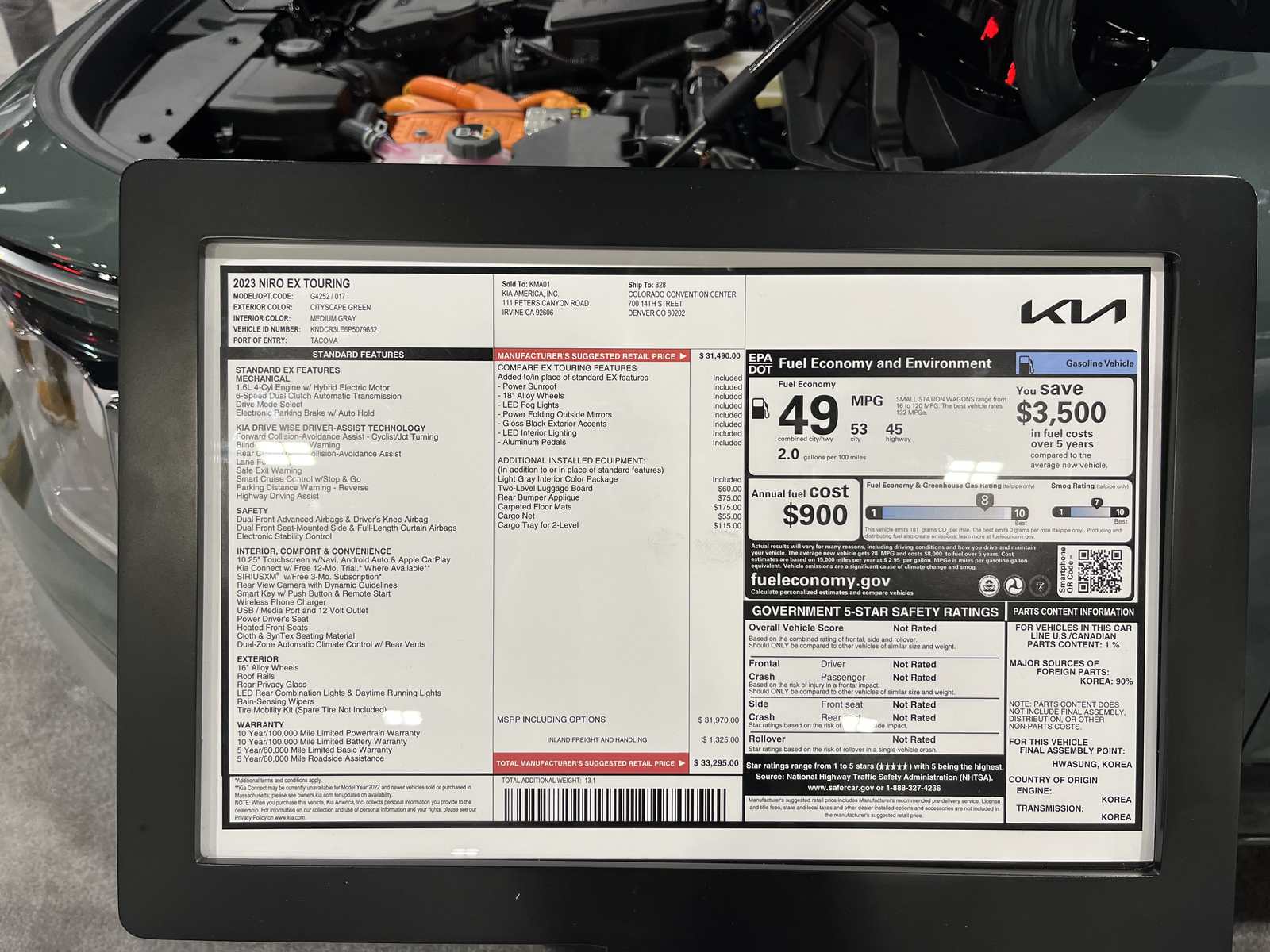
Before you ask any dealer for a price, understand how pricing is built. MSRP is the sticker figure; invoice is what the vehicle is billed at to the dealer, and true dealer cost sits below invoice once other factors are accounted for. Never negotiate from the sticker alone, because the sticker tells you nothing about the room between asking price and cost. Read our explainer on MSRP versus invoice price, then new car buying guide step by step and new car buying tips calculator. Be clear about the status of those tools: they launch with the site's licensed data, so use them to organise your pricing work as that data goes live — this guide makes no claim of live prices. Your goal is a written target range for each candidate.
Step 4: Arrange Financing and a Pre-Approval Before the Dealer
Sort financing before you negotiate price. Apply for a pre-approval from your own bank or credit union first, so you walk in holding a real rate and a real approved amount. The dealer's finance offer then has to beat a number you already have, rather than being the only number on the table. The Consumer Financial Protection Bureau notes that buyers can negotiate more than the sticker — including the price and loan terms — in its Ask CFPB guidance on what you can negotiate. Keep financing, vehicle price, and trade-in as three separate negotiations, and do not let a discussion about payments pull you away from the total price.
Step 5: Test Drive the Finalists
Drive each finalist in conditions close to your normal use. Check seating comfort, visibility, controls, noise, parking ease, and how the car handles the roads you travel most. Sit in the back, fold the seats, and test the features you listed in Step 2 rather than the features a salesperson wants to demonstrate. Our guide on how to test drive a car gives a fuller checklist. Take notes after each drive while impressions are fresh, and remove any candidate that fails on a need you cannot compromise on. A car that does not fit your life is not a bargain at any price.
Step 6: Request Itemised Out-the-Door Quotes in Writing
Now ask for prices — properly. Contact more than one dealer and request an itemised out-the-door quote in writing for the exact spec on your shortlist, in your ZIP. Out-the-door means the full amount: vehicle price, taxes, title and registration, and every dealer fee, line by line. Tax varies by state, so expect that line to differ by location, but every line should be named. Our explainer on the out-the-door price shows what a complete quote includes, and our breakdown of dealer fees helps you read each charge. Refuse to compare a bare vehicle price from one dealer against a full total from another.
Step 7: Compare Offers and Negotiate on the Total
Lay the written quotes side by side and compare totals only — same spec, same included items, same out-the-door basis. Where totals differ, ask each dealer to explain the difference line by line; unexplained gaps usually sit in fees or added items. Negotiate on the total price, not on the monthly payment, and keep your Step 3 research beside you so every counteroffer is measured against your target range. Stay polite, specific, and willing to walk away.
Step 8: Handle the Trade-In and the Finance Office Deliberately
Treat the trade-in as its own negotiation, settled after the new car price is agreed. Know what your current car is worth from your own research before a dealer values it, and do not let a generous trade-in figure disguise a weaker price on the new car, or the reverse. In the finance office, expect offers of add-ons and protection products. Each one raises the total, so judge each against your budget and decline anything you did not agree to in advance. If you use dealer financing, confirm it beats your pre-approval on total cost, not presentation.
Step 9: Review the Paperwork Line by Line Before Signing
Read every line of the contract before you sign, and match it against the written quote you accepted: vehicle price, taxes, fees, trade-in value, loan amount, rate, term, and total. The Federal Trade Commission advises reviewing paperwork carefully before signing, and that advice matters most here, where small differences become binding. Question any charge you do not recognise and any add-on you declined. Never sign a deal described as subject to final approval without understanding exactly what could change, who decides, and what happens to your deposit and trade-in if terms shift. If the paperwork does not match the quote, pause until it does.
Step 10: Take Delivery and Inspect the Car
Delivery is an inspection, not a ceremony. Check that the vehicle identification number on the car matches the paperwork, that the trim, equipment, and options match your order, and that there is no damage inside or out. Test the keys, electronics, and accessories before you leave. Collect all keys, manuals, and documents, and make sure you understand the warranty coverage and basic service requirements before driving away. Note any defect or missing item in writing with the dealer before accepting the car, rather than relying on a verbal promise.
Frequently Asked Questions
Should I negotiate on the monthly payment or the total price?
Negotiate on the total, out-the-door price. A monthly payment can be lowered by stretching the loan term while the total cost rises, so a payment-focused discussion hides what you are really paying. Settle the total first, then discuss financing against your pre-approval.
Why do I need a pre-approval if the dealer offers financing?
A pre-approval gives you a real rate to compare against, so the dealer's offer has to beat something concrete. It also separates the financing decision from the price negotiation, which keeps both clearer. You can still take dealer financing if it genuinely wins on total cost.
What should an out-the-door quote include?
It should list the vehicle price, taxes, title and registration charges, and every dealer fee, each on its own line, ending in one total. Tax varies by state, but nothing should appear as an unexplained lump sum. If a line is missing or unclear, ask for a revised written quote.
What if the contract differs from the quote I accepted?
Do not sign until the difference is explained and corrected. Match the contract line by line against the written quote, including price, fees, trade-in value, and loan terms. If a charge was not agreed, have it removed. Walking away from mismatched paperwork is safer than signing and disputing later.
Conclusion: Keep This New Car Buying Guide Close
A good purchase is mostly sequence and paperwork discipline. Used in order, this new car buying guide keeps you budgeting on total cost, researching pricing before quotes, financing on your own terms, comparing written totals, and signing only what matches what you agreed. That is the whole guide to buying a new car: bring the folder, the target range, and the pre-approval to every conversation, inspect the car properly at delivery, and the keys you collect at the end will belong to a deal you understand in full.



Get the number dealers start from.
Invoice, estimated true cost, out-the-door — before any dealer hears your name.