
How to Test Drive a Car: A 30-Minute Checklist That Works
Test drive a car, in short: thirty focused minutes on your route, in the exact car you would buy, tells you more than any specification sheet — here is how to spend them.
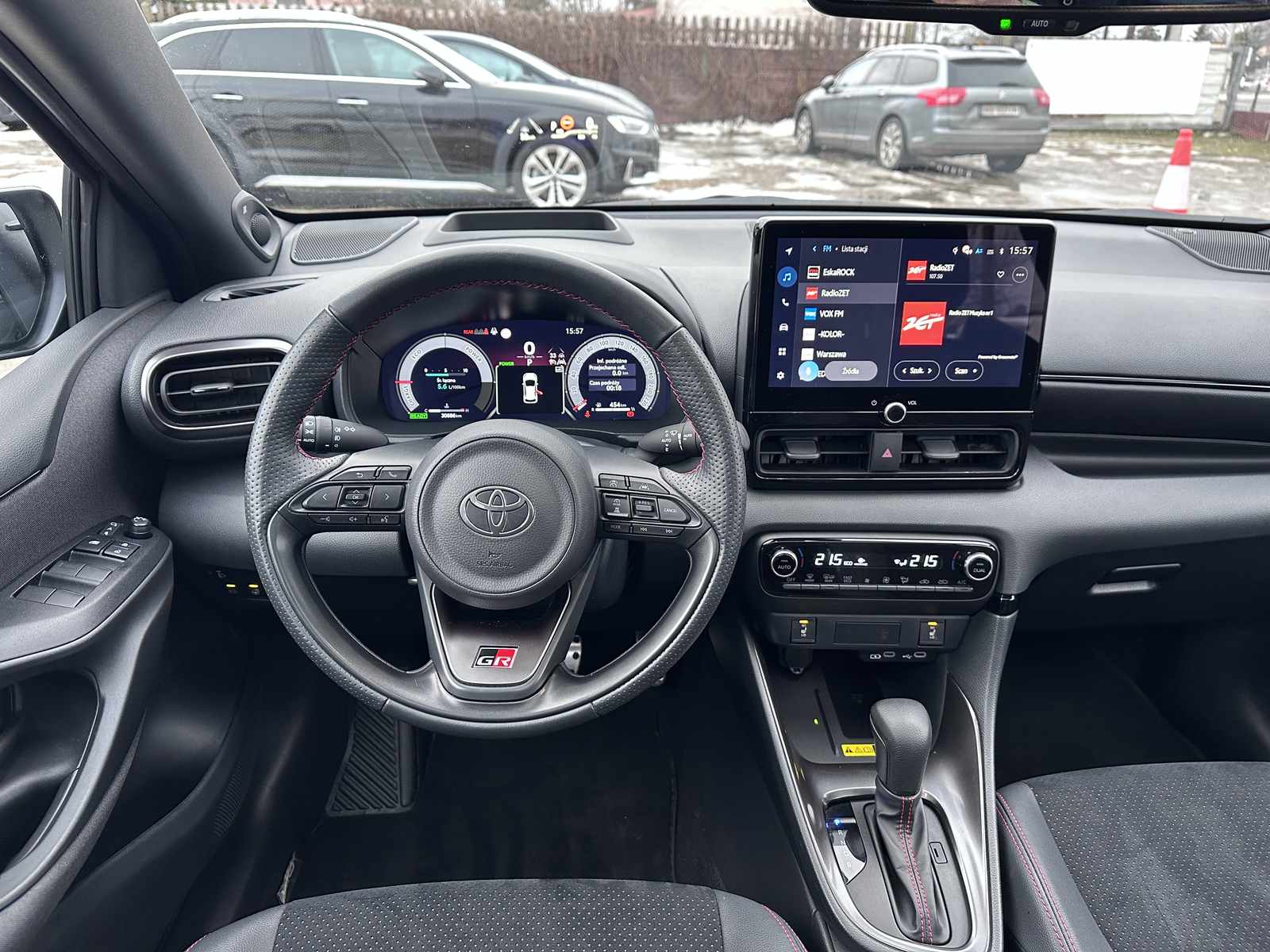
Learning how to test drive a car properly is what turns a good-looking specification sheet into a decision you can live with every day. A short lap around the block on the dealer's route tells you almost nothing about whether the car fits your commute, your family, your parking space, or your tolerance for noise on a long drive. Thirty focused minutes, on your route and in the exact car you would actually buy, tells you far more.
This checklist splits those 30 minutes into clear blocks so nothing important gets skipped. If you are still narrowing your shortlist, pair it with our new car buying guide first, then use the same test for every car so comparisons are fair.
Why Learning How to Test Drive a Car Properly Matters
A dealer's standard loop is designed to be flattering: smooth roads, light traffic, and just enough distance to impress you without revealing details. Your daily life will not look like that. You will drive in rain and low sun, reverse into tight spaces, sit in traffic, merge onto a highway, and load the boot in a hurry.
Insist on the exact trim and engine you would buy. A different engine, wheel size, or suspension setup can change acceleration, ride, and noise noticeably, and a higher trim may have different seats and screens. If the exact version is unavailable, note what differed and do not treat the test as final.
How do you test drive a car so the drive actually tells you something? Ask for your own route and enough time to use it. A good salesperson will expect this from a serious buyer. If time is cut very short, reschedule rather than judging a major purchase from a five-minute loop.
Before You Drive: Fit, Visibility, and Everyday Checks
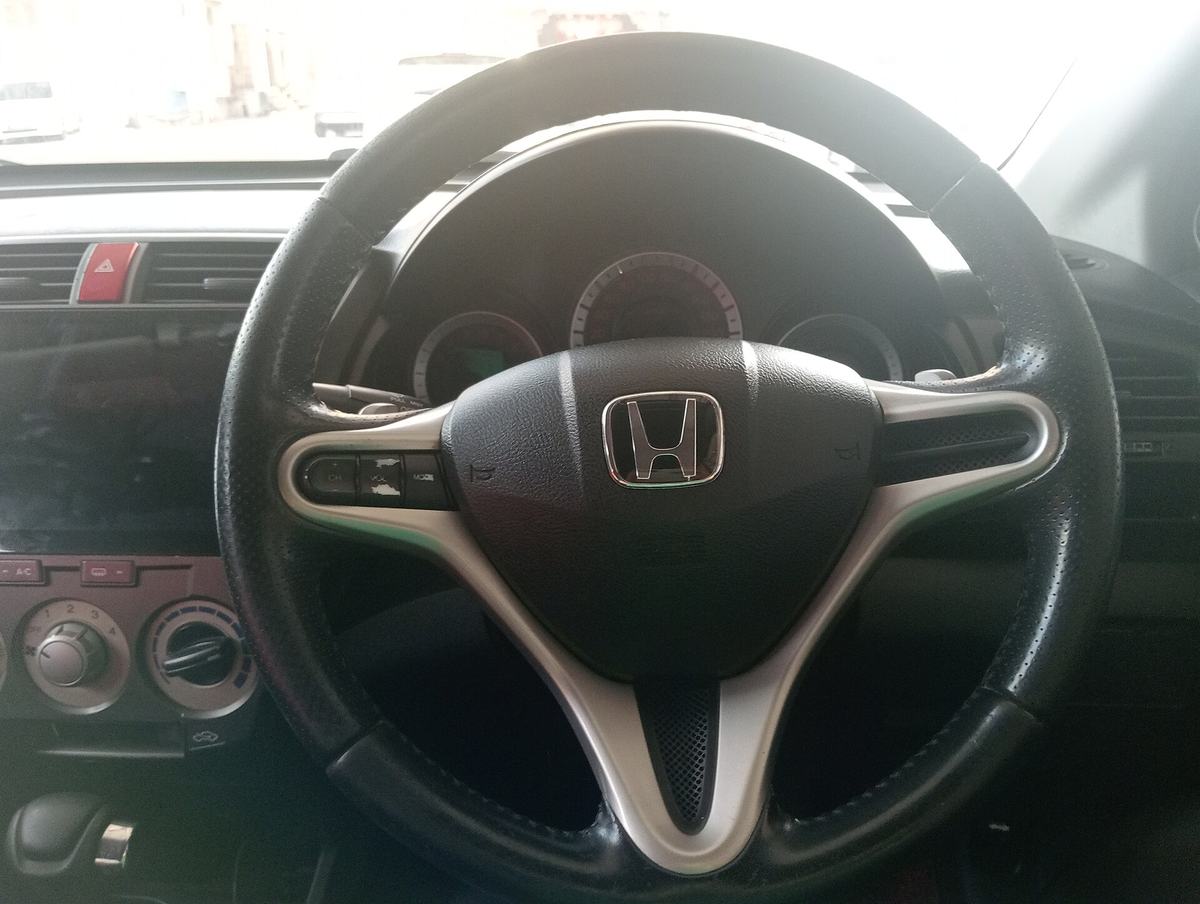
Start stationary and resist the urge to set off immediately. Adjust the seat and steering wheel to your normal position. Can you get high or low enough? Does the seat support your lower back and thighs, or does it feel flat and narrow? Check headroom, and make sure a bulky centre console does not force your legs wide.
Set the mirrors, then check visibility in every direction. Look over both shoulders for blind spots, judge how thick the front pillars feel at junctions, and see whether the rear window gives a useful view or only a narrow slot. Visibility problems rarely improve once you own the car.
Get in and out a few times, front and rear. Do you catch your head or knees? Sit in the back behind your own driving position to judge real legroom and headroom. Then test cargo space with real gear — a child seat, stroller, golf clubs, or a large suitcase. Fit the child seat if that is part of your life; awkward latches in a showroom will frustrate you every morning.
Pair your phone and try the main controls without looking down. Can you change temperature, volume, and navigation with a simple reach? Controls that confuse you while parked will distract you on the road. Our first-time car buyer guide shows how this fits the wider process.
How to Test Drive a Car on a Route That Tells the Truth
Now drive to a plan rather than wandering. This table is a simple way to use 30 minutes well.
| Minutes | What to do | What you are checking |
|---|---|---|
| 0–5 | Stationary checks, seat, mirrors, phone pairing | Fit, visibility, controls, cargo space |
| 5–10 | Quiet street at low speed | Steering feel, creaks, rattles, turning circle |
| 10–17 | Mixed roads and rough pavement | Suspension, squeaks, ride comfort, brake feel |
| 17–24 | Highway merge and steady cruising | Acceleration, passing power, wind and road noise |
| 24–30 | Parking, reversing, and a firm brake test where safe | Camera and sensors, manoeuvrability, braking stability |
Begin on a quiet street. At low speed you can hear creaks and rattles clearly, feel whether the steering is light and accurate, and judge how easy the car is to place.
Move onto rougher pavement. Patches and uneven surfaces reveal whether the suspension absorbs bumps calmly or crashes and thumps, and whether cabin trim squeaks over broken roads you will use every week.
Next, do a proper highway merge. Accelerate firmly enough to join safely, check passing power, and settle at cruising speed. Wind noise, tyre roar, and engine strain become obvious here. A car that feels lively in town may feel stretched merging uphill or overtaking.
If hills are available, include one climb and one descent. Notice whether the transmission hunts between gears, whether the car holds speed without constant throttle changes, and whether the brakes feel consistent coming down.
Finish with parking. Try a typical bay, reverse into a space, and test the camera and sensors. Then do one safe, firm brake stop from moderate speed on a clear, straight stretch — the car should slow straight and without drama.
What to Listen and Feel For
Keep the radio off for much of the drive. Listen to the engine under light and heavier acceleration: does it sound strained or boomy in normal use? Pay attention to transmission shifts — they should be timely and reasonably smooth, not jerky or constantly changing their mind.
Feel for brake pull or vibration through the pedal and steering wheel. Notice whether the steering wanders or pulls to one side. Note tyre roar and any wind whistle around mirrors or doors — you will hear them on every long trip.
Only after listening to the car itself should you test the audio. Play something familiar and, while parked, try a hands-free call.
Comfort That Has to Last Longer Than 30 Minutes
A seat that feels soft for five minutes can ache after an hour. Check lumbar support, cushion length, and whether you keep shifting to stay comfortable. Note pressure points on your back, shoulders, and thighs.
Check headroom and legroom again while moving — bumps change how spacious a cabin feels. Test climate controls front and rear. Does air reach the back seat usefully, and can you adjust it without a long look at the screen?
If visibility, glare, or lighting at different times of day matters to you, plan a second, shorter test in the evening or early morning before you commit.
Questions to Ask the Salesperson
Use your last minutes back at the dealership to ask about this exact car, not the model in general. Ask what the warranty covers in basic terms, what the service intervals are, and what routine servicing involves. Costs continue long after purchase — AAA's guidance on the real cost of owning a car is a useful reminder to look beyond the sticker at depreciation, insurance, and maintenance.
Ask for this exact car's price out the door, in writing, so you can compare like with like. Our explainer on the out-the-door price shows what that figure should include. Also ask whether the same specification is available in other colours, and how long you would wait if it is not in stock. You can cross-check other brands on our makes page using the same questions.
After the Drive: Score It, Compare It, Don't Rush It
Score each car the same way, immediately, while details are fresh. Rate seat comfort, visibility, performance, noise, ride, controls, rear space, and cargo from one to five. Add one line for what you liked most and one for what would annoy you most in a year.
Drive finalists back-to-back if you can, ideally the same day on the same route. Differences in noise, steering, and seats that seemed minor in isolation become clear side by side.
Never negotiate on the same visit unless you are genuinely ready. The Federal Trade Commission advises buyers to know the total cost and compare offers in writing before buying, and that pause protects you. Go home, compare scores and written prices, and return ready — or walk away if the car and the numbers do not both work.
Frequently Asked Questions
How long should a test drive last?
About 30 minutes is enough for stationary checks, mixed roads, a highway merge, and parking if you follow a plan. If a dealer only offers a short loop, ask for a longer slot or a second visit.
Should I test drive the exact car I might buy?
Yes, wherever possible test the exact trim and engine you would buy, ideally the actual car. Different engines, wheels, and seats can change how a model feels significantly. If you test a different version, treat your conclusions as provisional until you drive the right specification.
What should I bring to a test drive?
Bring your driving licence, your phone and cable, and the real gear you carry often, such as a child seat, stroller, or sports equipment. Bring a simple score sheet too, so every car is judged the same way.
Is it okay not to buy after a test drive?
Absolutely. A test drive is research, not a commitment. Thank the salesperson, take the written price and your notes, and compare at home. Pressure to decide on the spot is useful information about how the rest of the purchase will feel.
Conclusion: How to Test Drive a Car and Walk Away Confident
Knowing how to test drive a car well is not about being an expert driver. It is about giving yourself the same fair test every time: the right specification, your route, the radio off for part of the drive, real gear in the boot, and honest scores written down straight afterwards.
Do that for each car on your shortlist, compare your written out-the-door figures at home, and the right choice usually becomes obvious — not because a car impressed you for five minutes, but because it fitted your life for thirty. When you are ready to compare prices with our how to test drive a car invoice pricing guide and our test drive a car calculator, start at MyCarDiscount.com.



Get the number dealers start from.
Invoice, estimated true cost, out-the-door — before any dealer hears your name.