
Buying a Car From Another State: Taxes, Title and Transport
Buying a car out of state, in short: a better price or a scarce trim can be worth crossing a state line for — provided the tax, title and transport steps run as a checklist, in writing, first.

Buying a car from another state can unlock a better price, a scarce trim, or the exact car your local dealers do not stock. It also adds steps a local purchase hides: tax for a different state, title paperwork crossing a border, and a car that still has to get home. That is no reason to avoid an out-of-state deal — it is a reason to run it as a checklist, in writing, before you travel or pay a deposit.
Buying a Car From Another State: The Tax Rule That Matters Most
Start by killing the most common myth. State, and often local, vehicle sales tax is generally charged based on where the car will be registered and titled — your home state — not where the selling dealership sits. Buying in a state with a lower rate does not reduce your tax if the car is registered at home, and buying in a state with no sales tax saves nothing on tax for a car you register in a taxing state.
That rule changes the maths of every quote. A price that looks cheaper across the border may only look cheaper because the quote shows the wrong state's tax, or no tax at all. Compare like with like: same car, same spec, tax for your registration address. Our guide to the out-the-door price explained shows how to insist on that single, itemised total.
How Tax Collection Usually Works When Buying a Car From Another State
How the tax gets collected varies by dealer and state, so treat what follows as common patterns, not guarantees. Confirm which pattern applies before you travel.
First, many dealers — especially larger groups and stores near state borders — collect the buyer's home-state tax and remit it, handling home-state title and registration through a titling service. This is usually the smoothest route, but you still need paperwork showing what was collected.
Second, some dealers collect their own state's tax, and the buyer settles any difference with their home state at registration. Your home state may give credit for tax already paid elsewhere, so you pay the difference rather than the full amount twice — but credit is a pattern to verify, not a promise.
Third, some dealers collect no tax, and the buyer pays the full amount due at their home DMV when titling and registering. That is not a saving. It is the same tax, paid by you, later, possibly in one lump sum outside your finance agreement.
Many states do credit sales tax already paid to another state against the tax due at home, but the mechanics vary. Keep the itemised buyer's order showing tax paid, because you may need that proof to claim any credit. In all cases, get in writing exactly which taxes and fees the dealer collected and what remains your responsibility, and confirm the process with your home-state DMV before travelling. The Federal Trade Commission makes the same point: get the out-the-door price in writing and review paperwork before signing — see its guidance on buying a new car.
Title and Registration: What Happens After You Sign
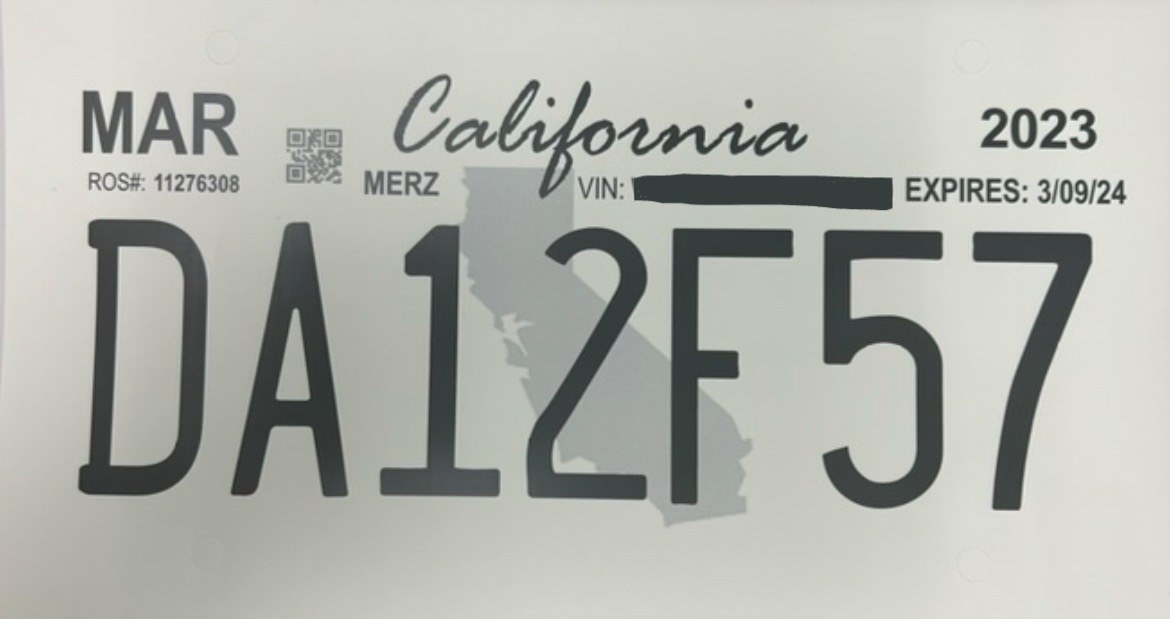
Out of state, you need to know who does title and registration, and when. Typically, the dealer issues temporary tags so you can drive home legally. Check that the temporary tag is valid in your home state, and for how long.
For title, the dealer completes or forwards the paperwork — for a new car, that includes the manufacturer's statement of origin — to your home state or a titling service. Plates and registration then follow by mail or via your own DMV. Ask for the timeline in writing, and what to do if plates have not arrived before the tag expires.
One extra check applies to new cars. Some states have additional emissions certification requirements beyond federal standards. Before you buy, check the car's emissions certification matches your state's requirements, and ask the dealer to confirm it for the specific car.
Transport: Drive It, Ship It, or Have It Delivered
Driving the car home is usually cheapest in cash terms, but it adds miles, fuel, possibly a night's stay, and your time. Your temporary tag and insurance must both be in force before you drive away — not arranged afterwards from home.
Shipping avoids the miles and travel. An open carrier is the common, lower-cost pattern; an enclosed carrier costs more and offers more protection. Inspect the car on delivery, note any damage before signing, and only sign once it matches its condition at pick-up.
Dealer delivery, where offered, can combine shipping's convenience with a single point of responsibility. If you are considering a largely remote purchase, our guide to how to buy a car online covers the remote process and delivery inspection in detail. Whichever option you pick, insurance must be bound before the car moves under your ownership.
When an Out-of-State Deal Is Worth It — and When It Isn't
It is worth it when the out-the-door saving on the same spec beats travel or transport plus your time by a clear margin — not by a sliver one surprise fee would erase. It is also worth it when the car is scarce locally, or when a distant high-volume store prices keener. The fastest test is to make stores compete on the same written spec, as in how to get dealers to compete, checking the underlying pricing on our buying a car from another state invoice pricing hub first.
It is not worth it when the saving is small, when it depends on a tax advantage that does not exist, or when the dealer will not put tax and title handling in writing. Warranty work can be done at any franchised dealer of the brand, so you are not tied to the selling store for covered repairs — but dealer-specific goodwill is local, and that store is far away.
Quote discipline still applies across a state line: same spec, itemised out-the-door price in writing, tax shown for your registration ZIP, not the dealer's. The Consumer Financial Protection Bureau notes that buyers can negotiate more than the vehicle price alone — see its Ask CFPB guidance — so negotiate the total deal, and sanity-check it with our buying a car out of state calculator before committing to the trip.
The Checklist Before You Travel or Pay
| Step | Who handles it | What to confirm in writing |
|---|---|---|
| Out-the-door quote | Selling dealer | Same spec, itemised total, tax shown for your registration ZIP |
| Sales tax | Dealer, titling service, or you at your DMV | Which state's tax was collected, how much, and what remains due at home |
| Tax credit check | You, with your home-state DMV | Whether tax paid elsewhere is credited, and what proof is required |
| Title paperwork | Dealer or titling service | Where it goes, the expected timeline, and who to contact if it stalls |
| Temporary tags | Selling dealer | That the tag is valid in your home state, and the exact date it expires |
| Emissions certification | Dealer, confirmed by you | That the specific car's certification matches your state's requirements |
| Insurance | You | That cover is bound before the car moves under your ownership |
| Transport | You, a carrier, or the dealer | Cost, timing, and an inspection on delivery before you sign |
If a dealer cannot fill in a row clearly, that is information about the deal.
Frequently Asked Questions
Do I really pay my home state's tax if the dealer is in a lower-tax state?
Generally, yes. Tax follows where the car will be registered and titled, normally your home state, rather than where the dealership sits. The dealer might collect your home-state tax, their own state's tax for you to reconcile later, or none at all — but the underlying liability is your home state's.
Will I be taxed twice if the dealer collects their state's tax?
Often not in full, because many states credit tax already paid to another state against the tax due at home, so you pay the difference. The credit's mechanics are not universal, though, and you will usually need itemised proof of what was paid. Keep the buyer's order and verify the process with your home-state DMV before you buy.
Can I drive the car home on temporary tags?
That is the usual arrangement: the dealer issues temporary tags to cover the drive home and the wait for registration. Check the tag is valid in your home state, note when it expires, and make sure insurance is already in force. If plates will take longer than the tag allows, agree the solution in advance.
Is shipping a car I have not seen in person risky?
It adds a step, which is why inspection discipline matters: photos before loading, a condition record at pick-up, and a careful inspection on delivery before you sign anything. Many buyers reduce the risk by collecting in person, or by buying only from a dealer who has put the full price and delivery terms in writing.
Conclusion: Buying a Car From Another State, Done Safely
Buying a car from another state is not a tax loophole or a gamble — it is a normal purchase with extra paperwork. Remember the order: confirm tax follows your registration state, verify collection and credit with your home-state DMV, get title, tag and transport in writing, and bind insurance before the car moves — handled in that order, buying a car in a different state stays routine. Then compare the full out-the-door total against the same car at home. If the saving survives by a clear margin, travel with confidence. If not, you learned that cheaply — before the trip. Start at MyCarDiscount.com.



Get the number dealers start from.
Invoice, estimated true cost, out-the-door — before any dealer hears your name.