
Model Year End Car Deals: Brand-New Bargains, One Year Older
End of model year car deals, in short: for a few weeks two model years share one lot — the outgoing car can be a brand-new bargain, provided it saves you enough to pay for being a year older on paper.
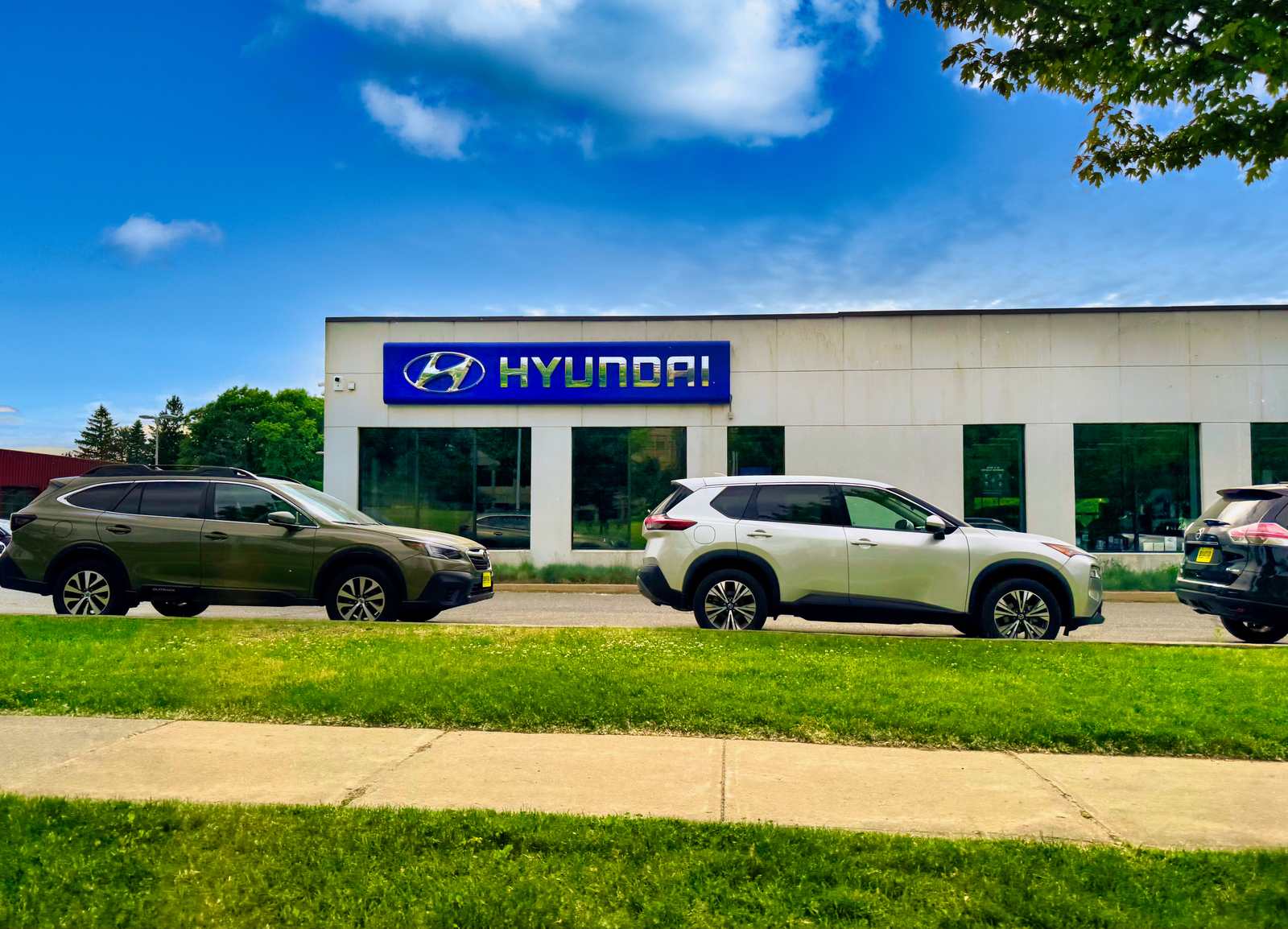
For a short overlap each year, two model years sit on the same lot: incoming cars at full price, and outgoing cars the dealer still needs to move. That overlap is where model year end car deals come from. Done well, buying last year's model gets you a brand-new car with a full warranty for noticeably less than the newer version. Done badly, you overpay for a car already a model year older on paper, in a colour and specification you never wanted. The difference is understanding how leftover pricing works, and how much extra the older car must save you.
How the model-year changeover creates leftovers
When are model year end car deals born? At the changeover — new model-year stock does not arrive on a single national day. Timing varies by brand and model, but incoming cars commonly land in late summer and autumn, while dealers still hold unsold stock from the year before. For a while both years are available new, often in the same trims, sometimes with no visible difference.
Once the new year is on sale, the outgoing cars become "leftovers." They are not used, damaged, or defective — simply last year's version of a car the showroom now presents in its newest form. If you are still deciding when to shop, our guide to the best time to buy a new car covers other windows worth knowing, but the changeover is different: the discount attaches to a specific, shrinking pool of cars, not a sales event.
How model year end car deals are priced
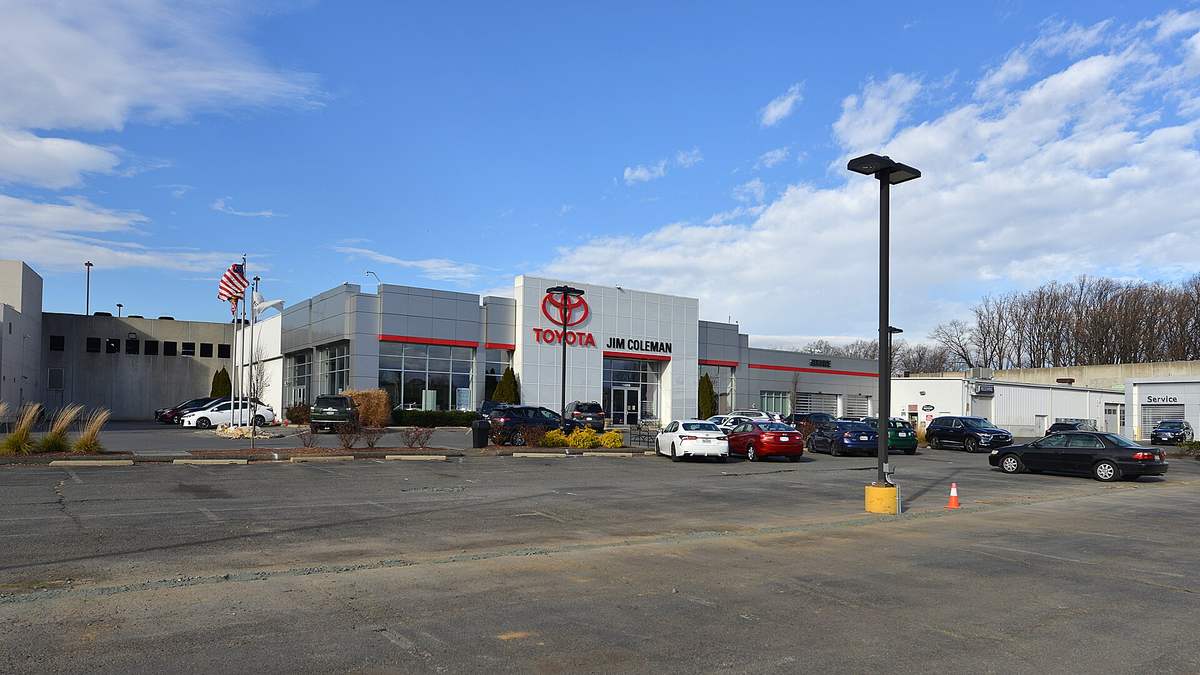
Leftover pricing is not one discount. It is two sources of money arriving at the same car, and seeing them separately helps you negotiate both.
First, the dealer carries a cost. Unsold cars tie up floorplan financing, insurance, and lot space, so a leftover that sits is an expense, not a free asset. Clearing it frees space and capital for incoming stock, and moving units helps toward volume targets. That pressure grows the longer a car sits.
Second, the factory adds money. Manufacturers support outgoing-year stock with incentives, typically a cash allowance or a subvented finance rate — often one or the other, not both. So the real saving depends on which you choose and how long you borrow for. The Federal Trade Commission notes that manufacturer incentives may be limited to certain cars, and advises getting answers in writing, in its guide to financing or leasing a car. An advertised incentive may not apply to the exact leftover in front of you.
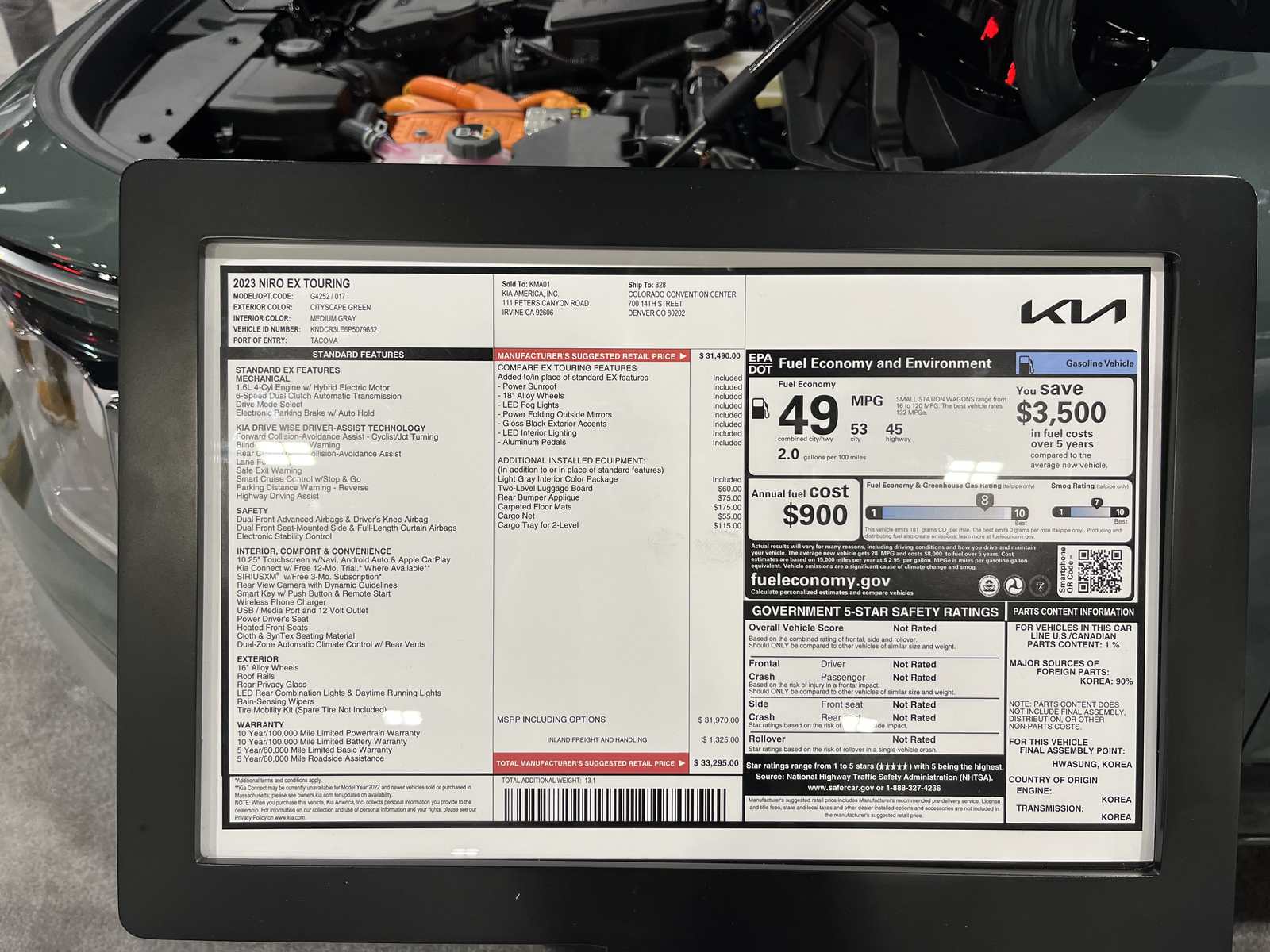
What does not change is the invoice. The dealer paid the same invoice for that car as for an identical one sold months earlier. The saving comes from a thinner dealer margin plus factory money on top. So negotiate from invoice as usual — our explainer on MSRP vs invoice price sets out that gap.
| Factor | Outgoing model year (leftover) | New model year |
|---|---|---|
| Price position | Lower negotiated price plus factory support | Firmer pricing, especially after launch |
| Incentives | Cash or subvented finance commonly offered, often one or the other | Fewer or smaller incentives at first |
| Specification and colour choice | Whatever is left; popular combinations go first | Full range, including ordering to your preference |
| Resale position | Values as a year older from the day you buy it | Carries the newer model-year designation |
| Warranty clock | Starts at purchase, so normally a full term ahead | Starts at purchase, full term ahead |
How much extra a leftover needs to save you
There is no honest universal figure for how much a leftover should save, and any tidy average quoted without naming the cars compared should be treated with suspicion. The right test is specific to the two cars in front of you.
Price the same trim and equipment in both model years, and compare the full out-the-door figure, not the sticker or a monthly payment — our breakdown of the out-the-door price shows what belongs in that number. Then apply one rule: the leftover must be cheaper by more than the resale gap it creates. If the saving only matches what the older designation will cost you at trade-in, you have accepted the compromises for no net gain.
Here is a labelled illustrative example, not market data. Imagine the new model-year car at an out-the-door price of $38,500, and the identical outgoing-year trim at $35,900 — a difference of $2,600. If the older designation will be worth roughly $1,500 less when you sell, the leftover leaves you about $1,100 ahead, before any specification compromise. If it were only $1,200 cheaper, the arithmetic would run the other way.
Also compare like with like on finance: a subvented rate can beat a larger cash discount if you borrow longer, and lose if you pay cash. Treat price and finance as separate decisions — the Consumer Financial Protection Bureau explains what things you can negotiate when shopping for a car or auto loan. You can model both versions from our invoice pricing hub.
The honest risks of buying last year's model
Choice is the first cost, paid in flexibility rather than cash. Popular colours, engines, and option packs sell first. What remains tends to be the extremes: very basic cars, heavily optioned cars, and the colour nobody ordered. You may find exactly what you wanted — or a car missing the one feature you cared about.
Resale is the second. A leftover is a model year older on paper the day you buy it, and will be valued that way at trade-in even with low miles, because buyers work from the model year, not how long you owned it. This matters most if you sell within about three to four years. Keep it long-term and the effect fades, as neighbouring model years converge in value.
Changes to the new model year are the third risk. Sometimes the incoming car is identical, and the leftover buyer loses nothing. Other times the new year brings a refresh, added equipment, or updated safety technology — then the leftover is genuinely missing something, which the discount must also reflect.
Two feared risks are smaller than they look. Your warranty starts at purchase, on the in-service date, not when the car was manufactured, so a leftover does not normally arrive with a shortened warranty. And it is still a new car: as our new car vs used car guide explains, you get new-car warranty cover, finance eligibility, and no previous owner.
Leasing is the exception. Lease pricing leans on predicted residual value, and residuals on an outgoing year can be weaker because the car is already a year older on paper. Manufacturers sometimes support leftover leases, but leftovers usually suit buyers better than lessees.
Tactics for shopping both model years side by side
Shop when both model years sit on the same lot. That overlap is your leverage: ask for two real quotes on two real cars, and let each discipline the other.
Ask for the outgoing-year incentive stack in writing: which cash allowances apply to that exact car, what finance rate is the alternative, and whether the two combine. Negotiate from invoice as usual — the logic of model year closeout car deals changes how motivated the seller is, not how a sound deal is built: agree the selling price first, then apply incentives, then examine fees and finance.
Widen your search radius as stock thins: one store may be sold out of your trim while another, an hour away, has three. And do not wait for the perfect specification — the discount is the specification compromise. Holding out usually means the car sells to someone else, or you buy the new model year anyway, at new model-year money.
Frequently asked questions
Is a leftover car still a new car?
Yes. A leftover is an unsold, unregistered car from the outgoing model year, sold as new, with warranty cover starting when you buy it. It may have delivery mileage and months on the lot behind it, but no previous owner. Check its condition carefully, since it has been stored and moved.
Should I take the cash incentive or the low finance rate?
It depends on how much you borrow and for how long. A low rate saves more as amount and term grow, while cash helps every buyer, including cash buyers. Ask for the total cost both ways, in writing, and compare the full amount repaid, not the monthly payment.
How long do leftovers stay available?
There is no fixed window. Timing varies by brand, model, and how much outgoing stock a dealer holds; popular models sell through quickly while slower lines linger. Once a store's stock in your trim is gone, it is gone — factories do not build more of last year's car.
Does buying a leftover hurt if I keep the car for a long time?
Much less than if you sell early. The gap costs most at trade-in in the first few years. Keep the car long-term and the two model years converge in value, while the money saved at purchase stays saved.
Conclusion: when model year end car deals make sense
The best model year end deals on cars reward a particular buyer: flexible on colour and specification, disciplined about comparing out-the-door prices across both years, and planning to keep the car long enough for the resale gap to shrink. For that buyer, a leftover is a genuine bargain — a new car, fully warranted from purchase, paid for partly by a dealer's need for space and partly by the factory's need to clear a year.
They reward the picky buyer and short-term owner far less, and no discount fixes the wrong specification or a resale penalty met in two years. Run the comparison honestly, require the saving to beat the gap, and let the arithmetic decide — check the leftover price with our model year end car deals invoice pricing guide, then run the payment in our car deals at model year end calculator.




Get the number dealers start from.
Invoice, estimated true cost, out-the-door — before any dealer hears your name.