
Best Time to Buy a New Car: Months, Days and Quota Ends
The best month to buy a car is not a folk answer — it is the month when sales targets, expiring incentives and model-year changeover cluster, creating the moments when a dealer needs your sale more than you need the car.

Ask ten buyers when to shop and you will hear ten calendar answers. The useful answer is mechanical, not folkloric: the best time to buy a new car is when the dealer needs your sale more than you need their car. That need is created by sales targets, expiring factory incentives, and model-year changeover — in that order. Months matter only because those forces cluster in them. Learn to spot the forces, and you can find leverage in almost any month.
The best time to buy a new car starts with dealer quotas, not the calendar
Dealers do not simply sell cars one at a time and keep whatever margin each sale leaves. Behind the store sits a manufacturer relationship built on volume: monthly sales targets, often with quarterly and annual ones layered on top, and volume bonuses tied to hitting them. Those bonuses can make the last few sales before a threshold worth far more than their sticker margin.
That structure creates a predictable rhythm. Early in a fresh period, a dealer comfortably on pace has little reason to give away margin. Late in the period, the arithmetic flips for a store still short of its number: each sale carries two values — the profit on that car, and its contribution towards a bonus that pays across many cars. A price impossible on day three can become rational on the final weekend, not because the car changed, but because the dealer's deadline arrived.
Two cautions keep this honest. First, you cannot see a dealer's target or progress, so treat quota pressure as a reason to shop near period ends, not a guarantee — a store that has already hit its number has no extra reason to discount, whatever the date says. Second, pressure helps most on cars the dealer wants to move: targets are usually counted in units, so mainstream stock benefits more than a scarce model. Use month-end and quarter-end as your default window, then confirm the leverage with competing quotes.
Incentive cycles: the right car inside the right window
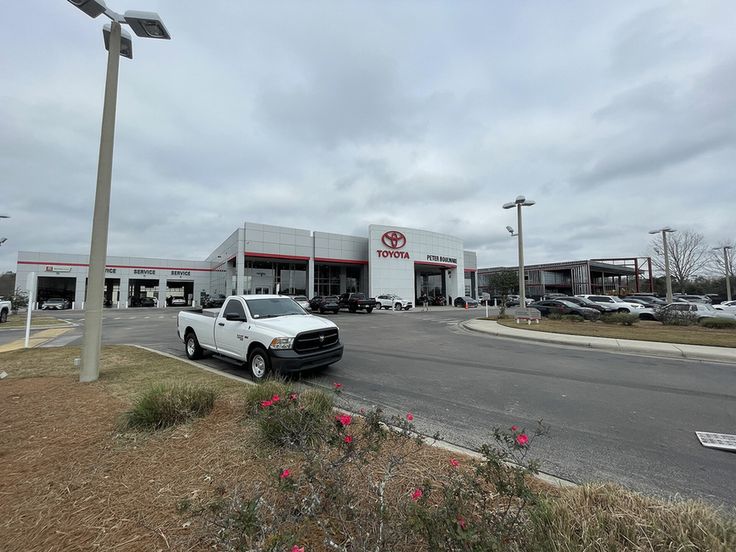
The second timing lever belongs to the manufacturer. Factory incentives — customer rebates, subvented low-rate finance, and similar programmes — are published monthly, apply to specific models and trims, and expire or renew on the manufacturer's schedule. A generous programme this month may shrink, shift trim, or disappear next month.
This is why timing advice that ignores the specific car misleads. The strongest deals usually happen where quota pressure and an incentive window overlap on the same vehicle: the dealer needs units, and the factory is funding part of the discount. Incentives commonly force a choice — a cash rebate or a special finance rate, rather than both — and the better option depends on how much you borrow and for how long. The Federal Trade Commission, in its guide to financing or leasing a car, notes that manufacturer incentives are limited to certain cars and terms, and advises getting the answers in writing. Treat an advertised incentive as a claim to verify against your trim, finance route, and eligibility. Incentives also sit on top of the gap between sticker and invoice, so start from the pricing itself — our invoice pricing hub shows how those numbers are laid out. The Consumer Financial Protection Bureau's guidance on what things you can negotiate when shopping for a car or auto loan confirms that the car's price and loan terms are negotiable.
The best month to buy a car only pays if the invoice leaves room, so check the pricing on your target car first.
The timing levers at a glance
| Timing lever | When it bites | Why it works | Who it suits |
|---|---|---|---|
| Quota end | Final days of a month, quarter, or year | A store short of its target values the next sale more, because volume bonuses ride on it | Buyers who are ready to transact immediately |
| Model-year changeover | As new-year stock lands, concentrated September to November | Outgoing-year cars must clear to free space and capital for incoming stock | Flexible buyers who will accept leftover colours and specifications |
| Incentive windows | Within a monthly factory programme, before it expires or renews | The manufacturer funds part of the discount on specific models and trims | Buyers whose target car carries a strong programme they qualify for |
| December and July | Year-end and mid-year points in the calendar | December stacks year-end targets with holiday programmes; July has historically been a strong month for buyers | Prepared buyers who still verify the individual store needs the sale |
Model-year changeover and the calendar, kept in proportion
Once a year, the stock itself creates the pressure. New model-year arrivals are concentrated in September through November, and that is when outgoing-year clearance pressure peaks: the showroom presents the new version while the old one still occupies lot space, floorplan financing, and sales attention. Dealers price leftovers to clear, often with factory support alongside. Our deep dive on model-year-end car deals works through leftover pricing and the resale trade-off.
December and July have historically been strong months for buyers. December combines the changeover tail with year-end targets and holiday programmes — several levers pointing the same way. July sits mid-year, when stock is plentiful and the next model year is close enough to soften pricing. Present both honestly, though: historically strong is a tendency, not a promise, and it stays subordinate to the quota mechanism — a December deal at a store that has already hit its number is no deal at all.
The changeover carries one built-in cost: waiting shrinks choice, as popular colours, engines, and option combinations sell first.
Readiness beats the calendar: the best time to buy a new car is when you are prepared
Here is the counterweight: the best time for a specific buyer is when that buyer is ready. Ready means financing pre-arranged, a target car researched down to trim and options, a realistic view of its invoice-level pricing, and competing out-the-door quotes in hand.
A prepared buyer in a supposedly weak week will usually beat an unprepared buyer in a supposedly strong month, and the reason is leverage. Leverage comes from doing two things at once: transacting immediately, what a quota-chasing dealer wants, and walking away credibly, which is what makes a dealer sharpen a price rather than wait for someone softer. An unprepared buyer can do neither — they need the car, the finance, and the decision all at once. Timing multiplies preparation; it does not replace it. If a strong window is approaching and you are not ready, use the wait to get ready. Our new car buying guide sets out the sequence.
Fix your best time to buy a new car only after your totals are run through the out-the-door calculator.
What timing cannot do
Timing is a multiplier on a sound deal, not a rescue for a bad one. It does not change a car's invoice — the dealer's cost is the same in a strong month as a weak one; what moves is margin and factory money. It creates no inventory: no date produces the colour and specification that has already sold, and waiting narrows your choice. Nor does it fix deal structure — fees, unwanted add-ons, and finance padding survive every timing trick, so judge every quote on one number: the full out-the-door price, itemised.
Frequently asked questions
Is the end of the month really better for buying a car?
It can be, for a mechanical reason: dealers work to monthly sales targets backed by manufacturer volume bonuses, so a store short near the end of the month has an extra reason to agree a sharper price. It is a tendency, not a rule — a store that has already reached its target gains nothing extra from your sale. Shop the window, but prove the leverage with competing quotes.
Which month is best for new car deals?
December and July have historically been strong months for buyers — December because year-end targets and holiday programmes stack on top of outgoing-year clearance, July as a well-stocked mid-year point before the new model year lands. But month alone guarantees nothing: a ready buyer facing a store that still needs sales will do better in an ordinary month than an unprepared buyer will in December.
Should I wait for the new model year to arrive before buying?
Only if you are flexible about specification. When new model-year stock lands, concentrated in September to November, outgoing-year cars are priced to clear, which can mean a genuinely cheaper new car. The trade-off is choice: leftovers are what remains, and the older designation can cost you at resale. If the exact car you want is available now at a strong price, waiting for a clearance that may not include it is a gamble.
Is it better to take a cash rebate or low-rate finance?
It depends on the amount borrowed and the term, because programmes commonly make you choose one or the other rather than take both. A large rebate usually wins for cash buyers and short loans; a subvented rate can win on a larger balance held longer. Run both versions to the same out-the-door total and total cost of borrowing, and get the eligibility terms in writing.
Conclusion: the best time to buy a new car is when leverage meets readiness
Strip away the folklore and the best time to buy a new car comes down to three questions. Does this dealer still need sales before a deadline? Is this car inside a strong incentive window? And am I ready to buy today and walk away tomorrow? When the answers align — most often near a period end, around the September to November changeover, or in historically strong December and July — timing works in your favour. In practice, what is the best time to buy a new car is not a date but an alignment — and when they do not align, no date will save an unprepared buyer. Get ready first, then let the cycles do their work.



Get the number dealers start from.
Invoice, estimated true cost, out-the-door — before any dealer hears your name.