
EV Range Loss in Winter: How Much Goes and How to Keep It
EV winter range loss is real: cold batteries and cabin heat can take a third of an EV's range — this guide publishes the tested loss ranges and the charging and parking habits that claw most of it back.
Key Takeaways
- Tested loss runs 12 to 41 percent: Recurrent fleet data keeps about 78% of range at 32°F and about 70% at 20°F; AAA's lab test with cabin heat on lost 41%.
- The heater, not the cold, is the main thief: AAA's cars lost 12% at 20°F with no cabin heat and 41% with it — a 29-point gap from heating alone.
- A heat pump is worth real miles: models with one retained about 83% of range at freezing against about 75% without — roughly 24 miles on a 300-mile car.
- Shop by the winter number: precondition while plugged in, heat seats instead of cabin air, and buy the car whose discounted range still covers your worst day.
One subject runs through this whole guide: EV range loss in winter. What follows explains it in plain English, with the numbers attached. Ask how much range do EVs lose in winter and the internet answers with a shrug somewhere between "a little" and "half." The tested answer is narrower, and it comes with a split personality: how much you lose depends less on the cold itself than on how you heat the cabin. This guide publishes the two best bodies of evidence — AAA's controlled dynamometer testing and Recurrent's real-world fleet data from more than 30,000 EVs — side by side, explains why they differ, and does the arithmetic on a typical 300-mile EV so a cold-state buyer can shop by winter range instead of sticker range. It closes with the habits, drawn from AAA and manufacturer guidance, that recover a meaningful share of what the cold takes.
EV Range Loss in Winter at a Glance
| Study | Conditions | What happened to range |
|---|---|---|
| Recurrent fleet data (30,000+ EVs) | 32°F, real-world driving | About 78% retained on average; about 83% with a heat pump |
| Recurrent fleet data (30,000+ EVs) | 20°F, real-world driving | About 70% retained on average |
| AAA dynamometer test (5 EVs) | 20°F, cabin heat running | 41% average loss — about 59% retained |
| AAA dynamometer test (5 EVs) | 20°F, no cabin heat | 12% average loss — about 88% retained |
Two studies, two methods, one consistent story: cold alone costs roughly a tenth to a fifth of range; heating the cabin with the battery is what turns a cold snap into a range problem.
What the Studies Actually Found
AAA's laboratory test isolates the heat. AAA ran five electric vehicles — a BMW i3s, Chevrolet Bolt, Nissan Leaf, Tesla Model S 75D and Volkswagen e-Golf — on a dynamometer in controlled temperatures. At 20°F with the cabin heat running, average range fell 41 percent against the 75°F baseline. Turn the heat off and the same cars at the same temperature lost only 12 percent. The Chevrolet Bolt shows the extreme: its tested range fell from 238 miles to 126 miles, a 47 percent loss, purely in the with-heat condition. AAA's conclusion deserves quoting in substance: the cold itself is not the main thief; warming the cabin from the battery is.
Recurrent's fleet data shows the real-world spread. Recurrent analyzes telemetry from more than 30,000 EVs across 34 models. In its winter analysis, the average EV retained about 78 percent of its ideal-temperature range at 32°F and about 70 percent at 20°F — less severe than AAA's laboratory worst case, because real drivers mix trips, park indoors sometimes, and do not always run the heat at full blast. The hardware gap is the actionable finding: models with heat pumps retained about 83 percent at freezing, versus about 75 percent for models without. The model spread at 32°F ran from 89 percent retained (Tesla Model X) down to 64 percent (Volkswagen ID.4, which US buyers get without a heat pump).
Context cuts both ways. AAA also notes, citing EPA figures, that a conventional gasoline car loses about 12 percent of its fuel economy at 20°F in short-trip city driving — winter taxes every powertrain; the EV's tax is simply bigger and lands on a smaller "tank." Plug-in hybrids split the difference: their electric miles shrink on the same curve, but the gasoline engine covers cabin heat and distance, which is why our hybrid vs plug-in hybrid guide treats PHEVs as the cold-state hedge for drivers without home charging.
Why Cold Steals Range
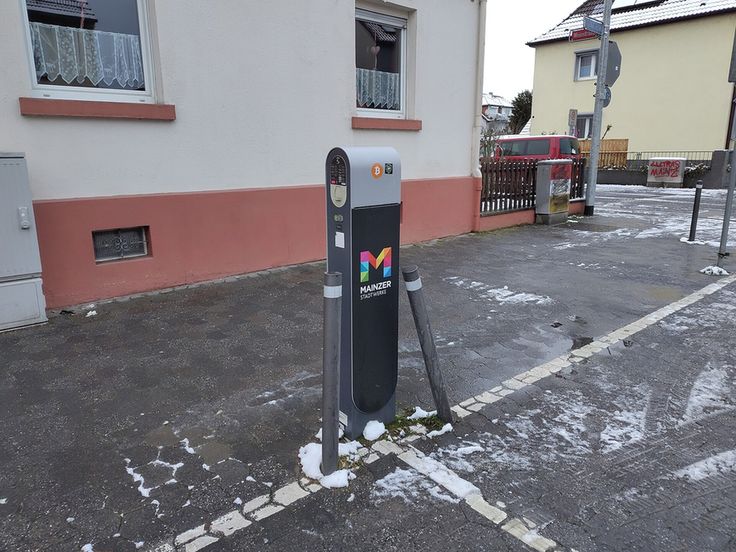
Three mechanisms stack. First, chemistry: a cold lithium-ion battery's reactions slow down, so it both delivers and accepts energy less efficiently — the car can also limit regenerative braking when the pack is cold, returning less of your braking energy. Second, heating: a gasoline car warms its cabin with waste engine heat that was free; an EV must buy every degree with battery energy, and a resistance heater draws heavily, which is exactly the gap AAA measured between its heat-on and heat-off runs. A heat pump moves heat instead of making it, using far less energy — hence Recurrent's eight-point retention advantage. Third, physics: cold air is denser, winter tires and slush add rolling resistance, and short trips repeat the most expensive part — warming a cold-soaked cabin and battery — over and over.
Do the Math on a 300-Mile EV
Take a typical new EV rated at 300 miles and apply each published figure. On Recurrent's average retention at 32°F, it delivers about 234 miles. At 20°F on Recurrent's figure, about 210 miles. Under AAA's laboratory condition — 20°F with the cabin heat running — about 177 miles. None of these numbers is "the" answer; together they bracket your planning range. The shopping rule follows directly: if your worst winter day needs 180 miles, a 300-mile EPA rating is adequate but not generous, and a 250-mile model — about 175 miles at the 70 percent figure, about 148 under the AAA condition — is not enough. Size the purchase to January, and the EPA sticker takes care of July. Our guide to how much it costs to charge an electric car helps model the other half of the winter equation, since more charging happens per mile.
Habits That Claw Range Back
The mitigations below come from AAA's recommendations and manufacturer owner guidance — practical advice rather than tested statistics, but each one attacks a mechanism named above.
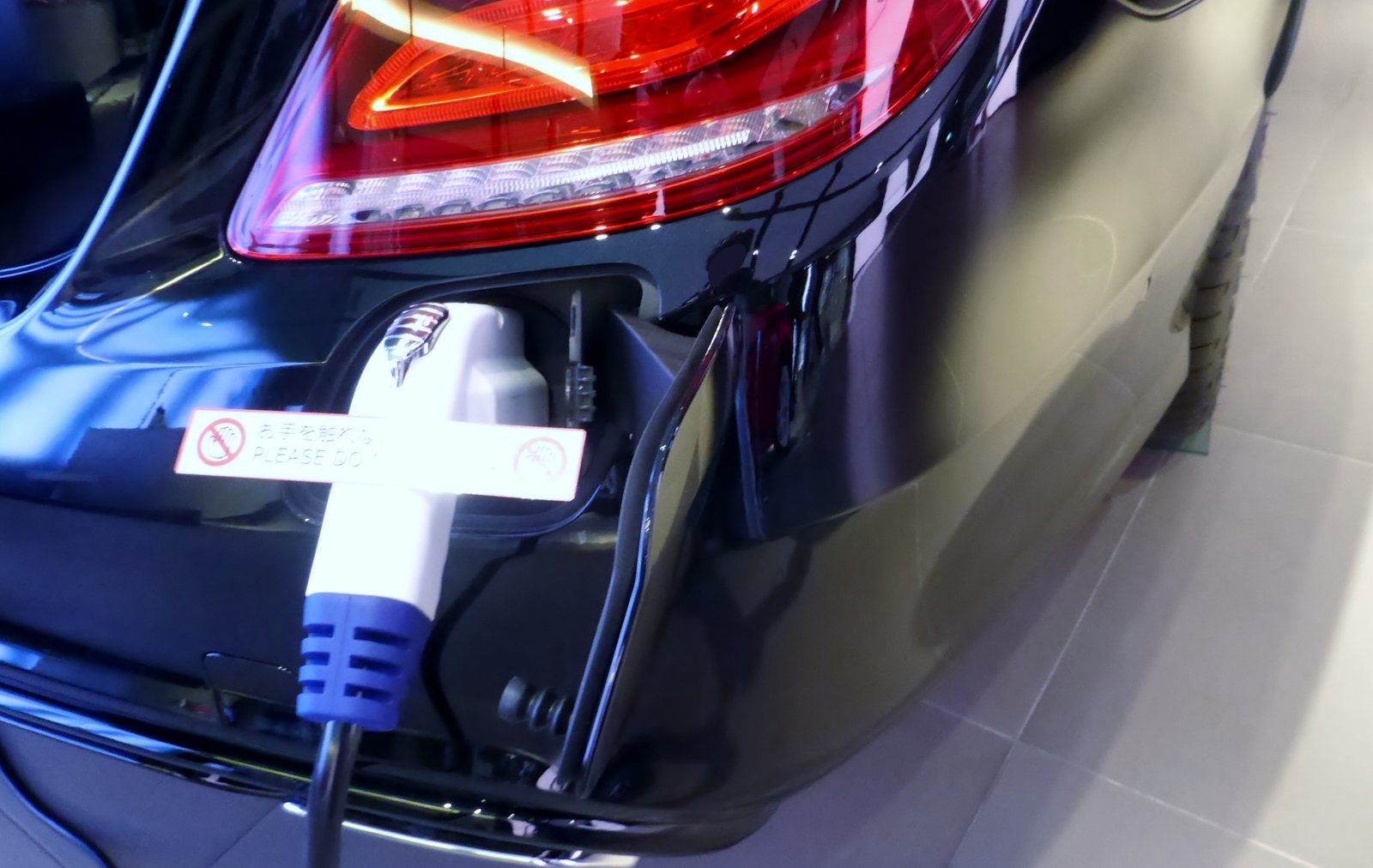
Precondition while plugged in. Warming the cabin and battery on wall power before departure moves the most expensive energy draw off the battery entirely. Nearly every EV offers scheduled departure preconditioning; using it is the single biggest winter habit, and it also restores full regenerative braking sooner.
Heat yourself, not the cabin. Heated seats and a heated steering wheel warm the occupants directly for a fraction of the energy of heating the whole cabin air volume. AAA's heat-on versus heat-off gap — 41 percent loss versus 12 — is mostly this decision, repeated daily.
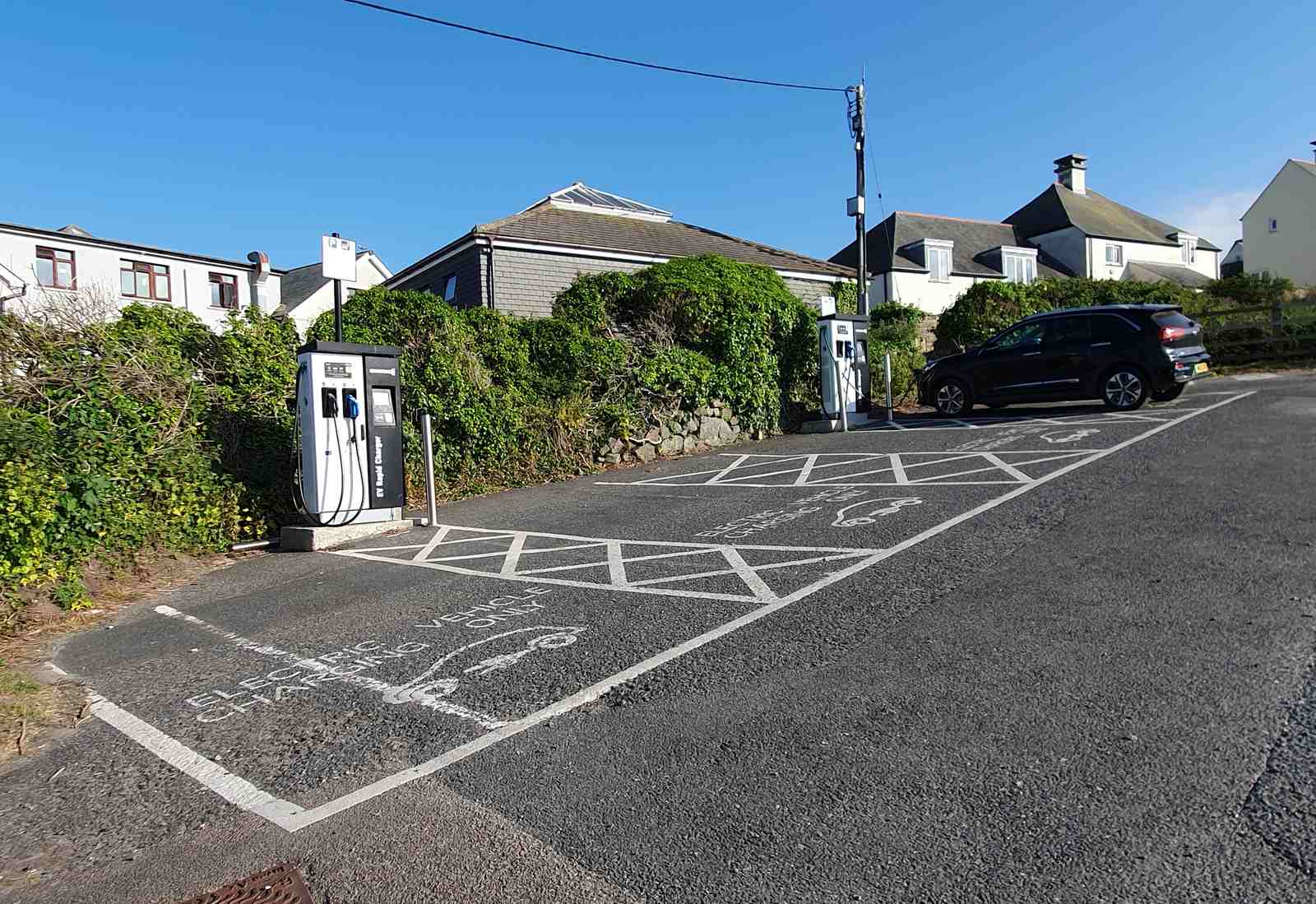
Garage, and plug in when you can. A garaged car starts the day warmer than one cold-soaked at the curb. Keeping the car plugged in during cold snaps lets it maintain battery temperature and charge level from the wall, and lets you leave with a fuller pack without a morning charging stop.
Plan winter trips on winter numbers. Recalculate charging stops using the retention figures above rather than the sticker range, keep a larger reserve than you would in summer, and expect charging to start slower on a cold battery until it warms. Drivers choosing winter-capable vehicles more broadly — tires, clearance, drivetrain — should pair this guide with our best cars for snow ranking.
Frequently Asked Questions
How much range does an EV lose at freezing temperatures?
On Recurrent's real-world fleet data, the average EV retains about 78 percent of its ideal-temperature range at 32°F — a loss of roughly a fifth. At 20°F retention falls to about 70 percent. AAA's laboratory test found a larger worst case, a 41 percent average loss at 20°F, when cabin heat runs continuously. Plan around the range between those figures, not a single number.
Why does cabin heat cost so much range?
Because an EV has no free heat. A gasoline engine throws off more waste heat than the cabin needs, so heating costs nothing extra. An EV must spend battery energy on every degree, and a resistance heater spends a lot. AAA measured the difference directly: at 20°F its test cars lost 12 percent of range with no cabin heat and 41 percent with heat — the 29-point gap is the heater.
Does a heat pump make a real difference in winter?
Yes, measurably. In Recurrent's winter analysis, EVs with heat pumps retained about 83 percent of their range at freezing, versus about 75 percent for EVs without — an eight-point advantage on every cold day, worth roughly 24 miles on a 300-mile car. For cold-state buyers, a standard or optional heat pump belongs on the must-have list alongside the charging speed figures. (Check our EV maintenance costs vs gas cars guide for the longer-term ownership picture.)
Should I shop by winter range instead of the EPA rating?
If you live where winters are real, yes. Take the EPA figure and multiply: by 0.78 for typical freezing conditions, by 0.70 for deep cold, and treat anything near the AAA with-heat outcome — about 0.59 — as the worst-case planning floor. Buy the car whose discounted number still covers your worst regular day with reserve, and state incentives can soften the price of stepping up a range tier — our state EV incentives guide tracks what remains available.
The Bottom Line on EV Range Loss in Winter
The tested truth on EV range loss in winter sits between the shrugs: expect to keep about 78 percent of rated range at freezing and about 70 percent at 20°F in real driving, with a laboratory worst case near 59 percent when the heater runs hard — and know that heated seats, preconditioning on wall power and a heat pump recover much of the gap. That is how much range EVs lose in winter in tested terms — shop by the winter number, not the sticker, and the coldest month stops being a surprise. That is the complete picture on EV winter range loss — know it before you negotiate, and the rest of the deal gets easier. Start at MyCarDiscount.com.
Get the number dealers start from.
Invoice, estimated true cost, out-the-door — before any dealer hears your name.