
Trade-In vs Selling Privately: Which Pays More After Tax
Selling privately vs trade in, in short: the dealer offers less money and zero effort; the private market offers more money and all of it — which side wins depends on your state's tax rules, your car's value and your time.
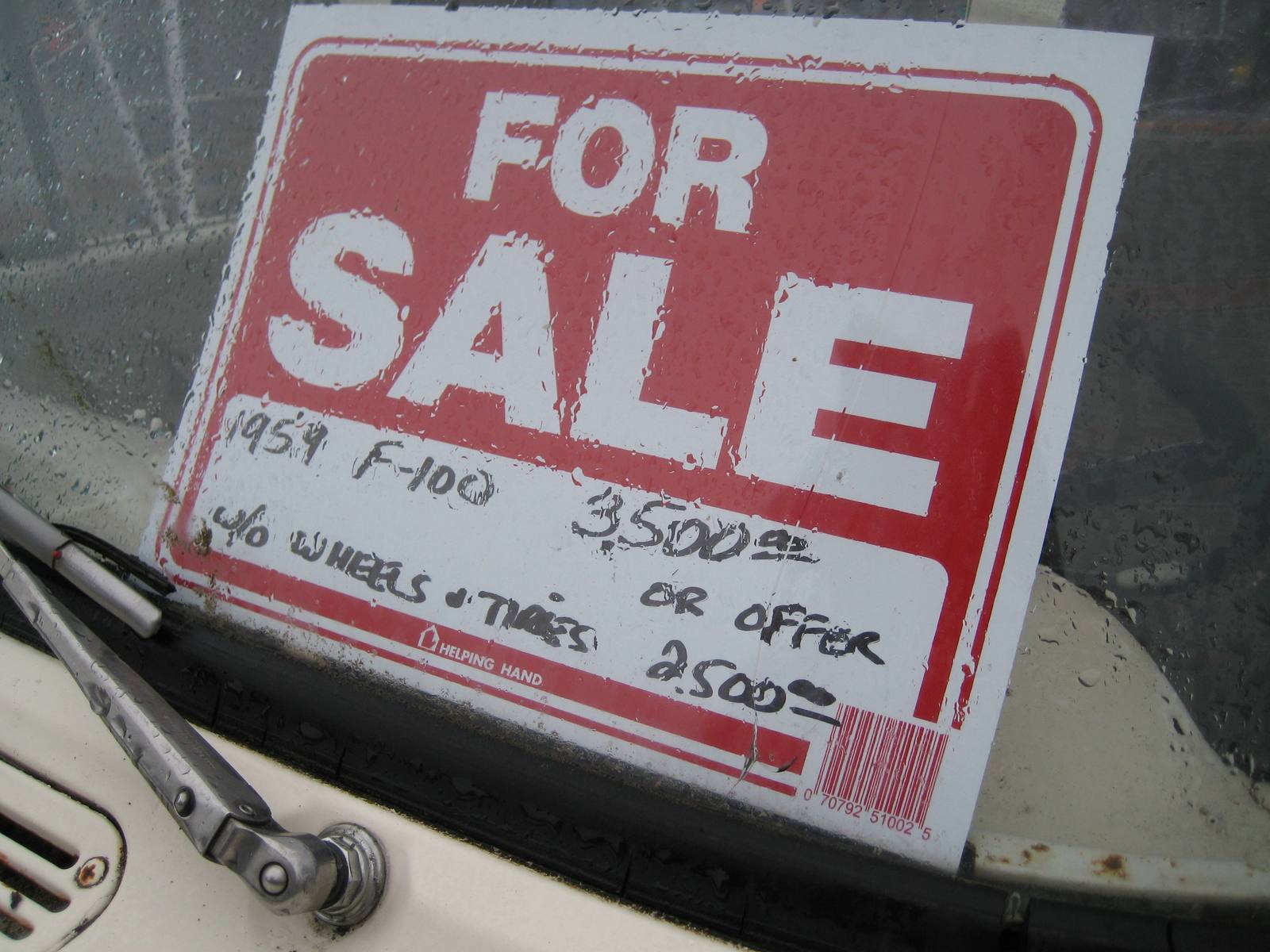
Trade-in vs selling privately is the classic end-of-ownership trade-off: the dealer offers less money and zero effort, the private market offers more money and all the effort. Which side wins is not a fixed answer — it depends on your state's tax rules, your car's value, how much time you have, and whether you still owe money on the car. This guide compares the two routes honestly on price, tax, time, paperwork and risk, so you can run the comparison on your own numbers instead of guessing.
Trade-In vs Selling Privately at a Glance
| Factor | Trading in | Selling privately |
|---|---|---|
| Price | Wholesale-based offer, minus reconditioning | Retail-level price, if you find the buyer |
| Sales tax effect | Trade value reduces taxable price in most states | No tax benefit on your next purchase |
| Time | Done the day you buy | Days to weeks of listings, messages and viewings |
| Paperwork | Dealer handles title and lien payoff | You handle title transfer, bill of sale and lien release |
| Risk | Minimal — one transaction with a licensed dealer | Strangers, test drives, payment fraud, title mistakes |
| If you owe on the car | Dealer pays off the lien inside the deal | Payoff and title release must be arranged around the sale |
Trade-in vs selling privately: the price gap and why it exists
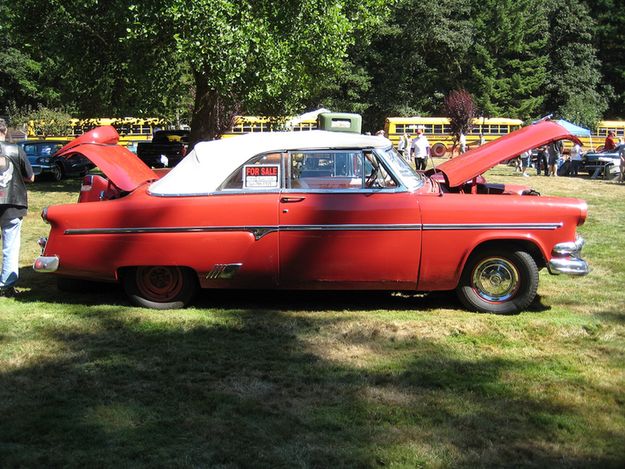
The private-sale price advantage is real, and it has a simple cause. When you trade in, the dealer buys at a wholesale-based figure, spends money reconditioning the car, and resells it at retail — our guide to how much is my trade-in worth explains that appraisal in detail. When you sell privately, you do the reconditioning, marketing and waiting yourself, and you keep the spread the dealer would have earned.
So the question is never "which price is bigger?" — privately, it usually is. The question is "how much bigger, after tax, time and costs?" A car worth a modest amount leaves a modest spread to chase. A car with strong private demand and a big wholesale-to-retail gap leaves real money on the table if you trade it in casually.
The tax effect that shrinks the gap
In most states, trading in reduces the sales tax on your next car, because tax is charged on the price minus your trade value. Selling privately gives you no equivalent benefit. Our full explainer on the trade-in tax credit covers which states allow it and which do not — treatment varies by state, and a few states tax the full price regardless.
This labeled illustrative example shows why the tax line matters. Suppose a dealer offers $10,000 for your trade, and a private buyer would pay $11,300. The headline gap is $1,300. In a state with a full trade-in credit and an illustrative 6 percent tax rate, trading in also saves 6 percent of $10,000 — $600 — in tax on the new car. The private route's true advantage is now $1,300 − $600 = $700, before you count your time, listing costs and any reconditioning you pay for yourself. Still ahead, but by half the headline figure. In a state with no trade-in credit, the full $1,300 survives. Your state's rule is not a detail; it is half the calculation.
Time, paperwork and risk: what the private route really involves
Selling privately means being a seller. You photograph and list the car, field messages, host viewings and test drives, and negotiate with strangers. When a buyer commits, the paperwork is yours: the title transfer, a bill of sale, odometer disclosure, and — if you still owe on the car — coordinating the lien payoff and title release with your lender, which can take days and makes some buyers walk away.
Risk is manageable but real. Meet in public places, verify payment before releasing the car and title — a cleared bank payment, not a promise — and never hand over the car against a personal check. The FTC's guidance on selling a car stresses exactly these fraud and paperwork basics. None of this is a reason to avoid a private sale; it is the honest price of the extra money, and for some sellers it is simply not worth paying.
The middle routes
Between the two poles sit options worth pricing before you decide. Instant-offer and car-buying services will quote a firm figure for your car without you buying anything — effectively a trade-in price without the trade-in, no tax benefit, but no private-sale work either. A dealer may also buy your car outright for stock. And if your car is desirable, asking the dealer you are buying from to match a firm outside offer costs you one phone call. Price all of them against the private-sale estimate, then decide with real numbers, the same discipline the CFPB recommends for the purchase itself.
Trade-in vs selling privately: which pays more for you
Run this sequence. First, get two or three real trade offers and one or two firm buy-out offers. Second, estimate a realistic private price from comparable listings — realistic, not the highest asking price you can find. Third, apply your state's tax treatment to the trade figure. Fourth, subtract your honest costs of selling privately: reconditioning, listing, and the weeks of your time. The route still ahead after that arithmetic is your answer. If you owe more than the car is worth, read negative equity car trade-in first — a private sale with a lien is possible, but the gap must be covered in cash at the sale.
Frequently asked questions
How much more can I really get selling privately?
It varies by car and market, which is why this guide refuses to quote a standard gap. The spread between wholesale and retail is widest on popular, easy-to-sell cars and thinnest on slow sellers. Compare your real trade offers against realistic private asking prices for identical cars near you.
Do I still get the tax credit if I sell privately and buy later?
Generally, no. The trade-in tax credit in states that offer it applies when the trade is part of the purchase transaction at a dealer. Selling your car privately in a separate transaction does not reduce the tax on a later purchase. State rules control, so confirm with your dealer or state revenue department.
Is it safe to let a private buyer test-drive my car?
It can be, with precautions: meet in a public place, see their license and insurance, keep your documents with you, and ride along or hold something of value. If anything about the arrangement feels off, end it. No sale is worth a safety risk.
What if my car needs work — trade it or sell it as-is?
A dealer prices needed work as a reconditioning deduction, which is predictable and effortless. Private buyers discount harder for faults and some will not consider a car needing work at all. If the work is cheap, doing it before either route usually pays; our guide to preparing a car for trade-in covers which fixes are worth it.
Conclusion: trade-in vs selling privately, settled by arithmetic
Trade-in vs selling privately is not a loyalty question; it is a net-outcome calculation. The private route usually wins on price and loses on time, tax and risk; the trade-in wins on everything except the headline figure. Put your own offers, your state's tax rule and your honest selling costs into the comparison, and the winner for your car will be obvious. Price the replacement car first with our trade-in vs selling privately invoice pricing guide, then run both routes through our selling privately vs trade in calculator. Start at MyCarDiscount.com.



Get the number dealers start from.
Invoice, estimated true cost, out-the-door — before any dealer hears your name.