
Can You Trade In a Leased Car? Rules, Equity and Timing
To trade in a leased car is really a purchase — the dealer buys the car at its buyout price and credits you the difference — and the lessor restrictions are where people get caught.
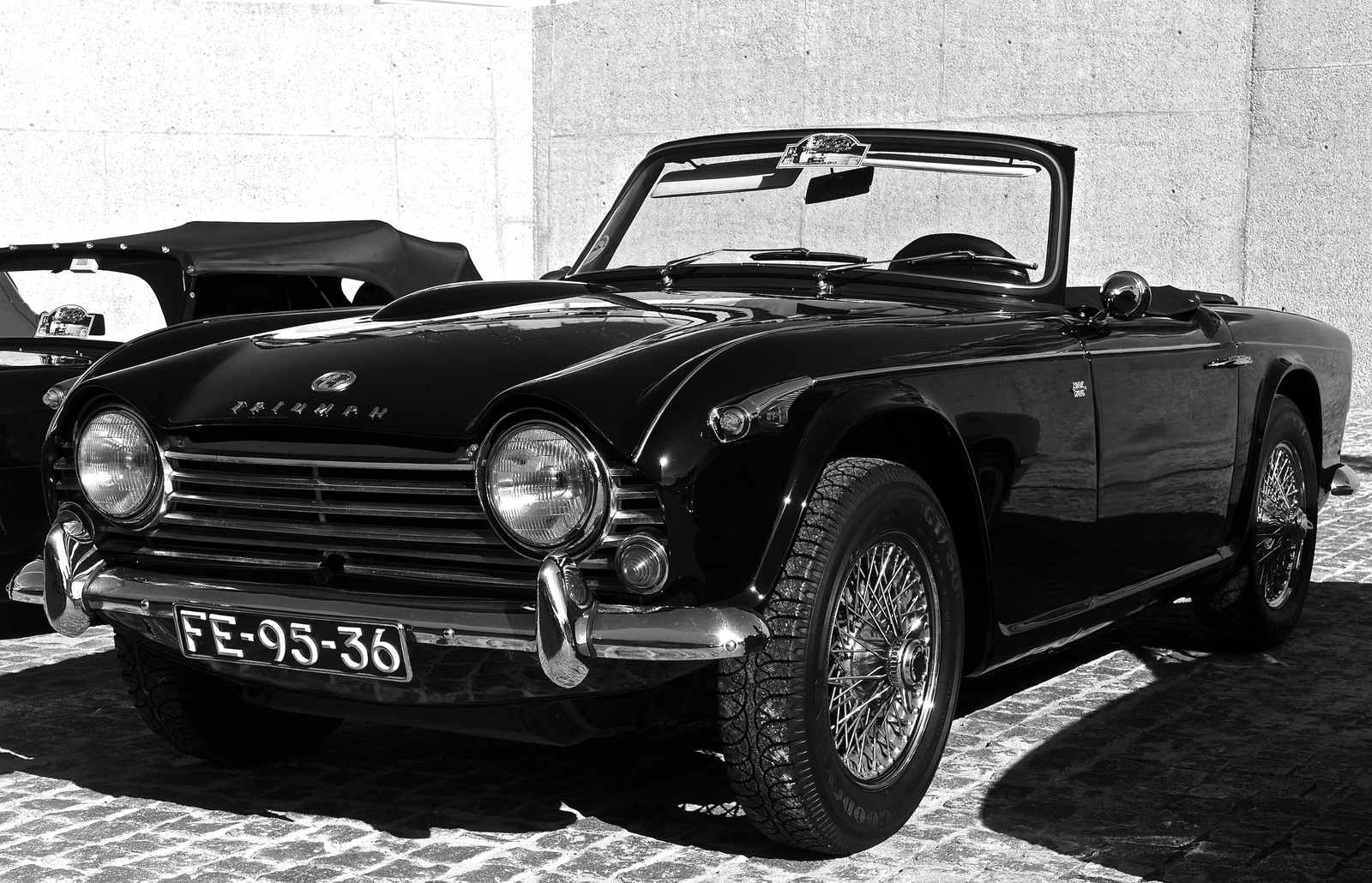
Can you trade in a leased car? Yes — in most cases you can, at almost any point in the lease, because what actually happens is a purchase: the dealer buys the car from the leasing company at its buyout price and credits you the difference between that price and what the car is worth. If the car is worth more than the buyout, you have equity to put toward your next vehicle. If it is worth less, trading in means paying the gap or rolling it into new financing. This guide has can you trade in a leased car explained in full: the buyout math, the lessor restrictions that catch people out, and how timing changes the answer.
This guide is educational only: it explains how car financing works in general, is not personalized financial advice, and no rate, tier or approval is promised or guaranteed.
Your Routes Out of a Lease
| Route | How it works | Best when |
|---|---|---|
| Trade it in at a dealer | The dealer pays the lessor the buyout and credits or charges you the difference versus the car's value | The car's market value is at or above the buyout |
| Buy the car yourself, then keep, trade or sell it | You pay the buyout (plus any state tax and fees due), take title, then decide | Third-party buyouts are restricted, or a private sale beats dealer offers |
| Return it at lease end | Hand the car back under the contract, paying any mileage, wear or disposition charges | The car is worth less than the buyout and the lease is nearly over |
| Wait, then decide | Stay in the lease while the buyout falls toward the car's value | You are early in the term and the gap is large |
Can you trade in a leased car? How the buyout works
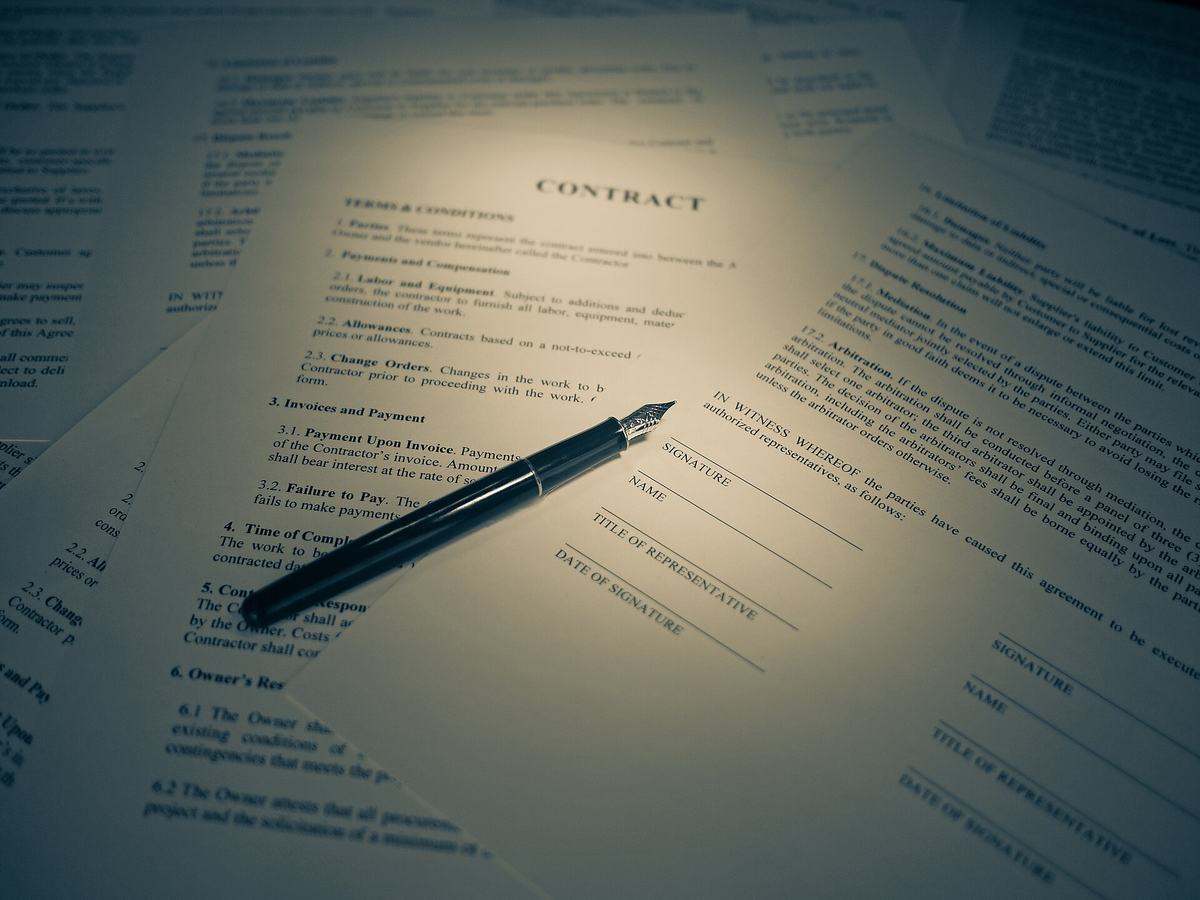
You do not own a leased car, so you cannot simply sell it. What you hold is a contract with a purchase option. The buyout amount is set by that contract: typically the residual value, plus any remaining payments if you exit early, plus a purchase fee, and in some contracts calculated differently for a dealer than for you. The exact figure lives in your lessor account or is available from the lessor by phone — and it, not the dealer's estimate, is the number every calculation must use.
The trade itself is two transactions. The dealer agrees a value for the car, pays the lessor the buyout, and applies the difference: positive, it becomes credit toward your next car; negative, it becomes cash you owe or an amount added to new financing — the mechanics our negative equity car trade-in explainer covers in detail. The FTC's leasing guidance is the baseline here: your options and charges are whatever your contract says, so read its purchase-option and early-termination clauses before you shop.
The equity math, with a labeled example
This example is illustrative only, with invented round numbers. Your lessor quotes a buyout of $21,400. Two dealers value the car at $23,900. Your equity is $23,900 − $21,400 = $2,500, which the trading dealer can apply to your next purchase — subject, in states that tax a trade-in credit, to that state's rules on how a lease trade is treated, covered in our trade-in tax credit guide.
Reverse the numbers and the lesson flips: a buyout of $24,000 against offers of $22,000 leaves a $2,000 gap. Paying it in cash can still be rational if you must exit; rolling it into the next loan should be a last resort, for the interest reasons the negative equity guide sets out. Either way, notice what produced the answer: a real buyout quote and real offers. A lease trade negotiated without both is guesswork.
The restriction that catches people out: third-party buyouts
A leased car can only be bought by whoever the lessor allows. Some leasing companies restrict buyouts to you, the lessee, or to dealers of the same brand; others quote a higher buyout to third-party dealers than to you. These policies vary by lessor, have changed over time, and are enforced through the buyout quote itself — the dealer who wants your trade may simply be quoted a figure that kills the deal.
So the first step of any lease trade is a call or login to your own lessor: request your buyout, and ask directly whether a dealer of another brand can purchase the car, and at what figure. If third-party buyouts are blocked or priced punitively, the fallback is to buy the car yourself — which can trigger sales tax on the buyout and a wait for the title — and then trade or sell it as its owner. That route can still capture the equity; it just adds tax, time and paperwork, which belong in your comparison.
Can you trade in a leased car early? Timing and alternatives
Timing governs the gap. Early in a lease, the buyout usually sits well above market value, because the car has taken its steepest depreciation while the contract's numbers have barely moved. As the term runs, the buyout steps down toward the residual while depreciation flattens, so the final year is where equity most often appears. Trading in the first year is occasionally justified — a car that no longer fits your life has real costs too — but go in expecting a gap, not equity.
Before trading, price the alternatives honestly. Buying the car at lease end and keeping it is often the cheapest exit of all if you like it. Returning it and paying the end-of-lease charges is the clean exit when there is no equity. A private sale after a self-buyout can beat dealer offers, as our comparison of trade-in vs selling privately explains. And if you plan to lease again, our guide to leasing vs buying a car is worth reading before the cycle resets.
Frequently asked questions
Do I need the lessor's permission to trade in a leased car?
Effectively, yes — the transaction is the lessor selling the car, so their buyout quote and their rules on who may buy set the terms. Most mainstream leases allow a dealer buyout; some restrict third parties or price their buyout differently. Confirm with your lessor before you rely on a dealer's plan.
Can I trade in a leased car to a different brand's dealer?
Often, yes, if your lessor permits third-party buyouts. The other brand's dealer simply buys the car from the lessor like any trade. Where the lessor restricts buyouts to its own brand's dealers, or quotes them a higher figure, the workable route is buying the car yourself first, then trading it as the owner.
What happens to my equity if I trade in a leased car?
Positive equity is real money in the deal: it can reduce what you pay for the next car, reduce the amount you finance, or in some arrangements be returned to you. Make sure it appears as a line in the deal paperwork at the figure you calculated — equity that is only mentioned verbally has a way of shrinking.
Is it better to trade a leased car in or return it at the end?
If real offers beat the buyout, trading (or buying and selling) captures value that returning the car hands to the lessor for free. If offers are below the buyout, returning the car at term — paying only the contract's mileage, wear and disposition charges — is usually the cheaper exit. The buyout quote and two offers tell you which case you are in.
Conclusion: can you trade in a leased car — the two-number answer
Can you trade in a leased car? Almost always — but whether you should depends on exactly two numbers: your lessor's buyout quote and the market's real offers for the car. Get both, check the lessor's third-party rules, and the right route — trade, buy out, or hand back — chooses itself. Price the next car with our trading in a leased car calculator before you sign.

Get the number dealers start from.
Invoice, estimated true cost, out-the-door — before any dealer hears your name.