
How Much Is My Trade-In Worth? How Dealers Value Your Car
What is my trade in worth, in short: your car does not have one value — it has three, and the one that matters is specific to the dealer in front of you, on that day, with that used-car lot to fill.

How much is my trade-in worth is the question that decides whether a deal feels fair, and it has an uncomfortable answer: your car does not have one value. It has a retail value to the next private buyer, a wholesale value to the dealer network, and an appraised value specific to the dealer standing in front of you, on that day, with that used-car lot to fill. This guide explains how dealers actually arrive at their number — the appraisal, the market data, the reconditioning deduction — so you can judge an offer on method rather than on hope.
What the Appraiser Weighs
| Appraisal input | How it moves the offer |
|---|---|
| Year, make, model and trim | Sets the starting market range for the car |
| Mileage | High miles for the year push the offer down; unusually low miles lift it |
| Mechanical and cosmetic condition | Faults are priced as reconditioning cost, deducted from value |
| Accident and service history | A clean, documented history supports the top of the range |
| Options and equipment | Desirable factory options help; aftermarket additions usually add nothing |
| Local market and season | A dealer who can sell it quickly, nearby, bids more than one who must ship it to auction |
How much is my trade-in worth is decided at appraisal, not by a website
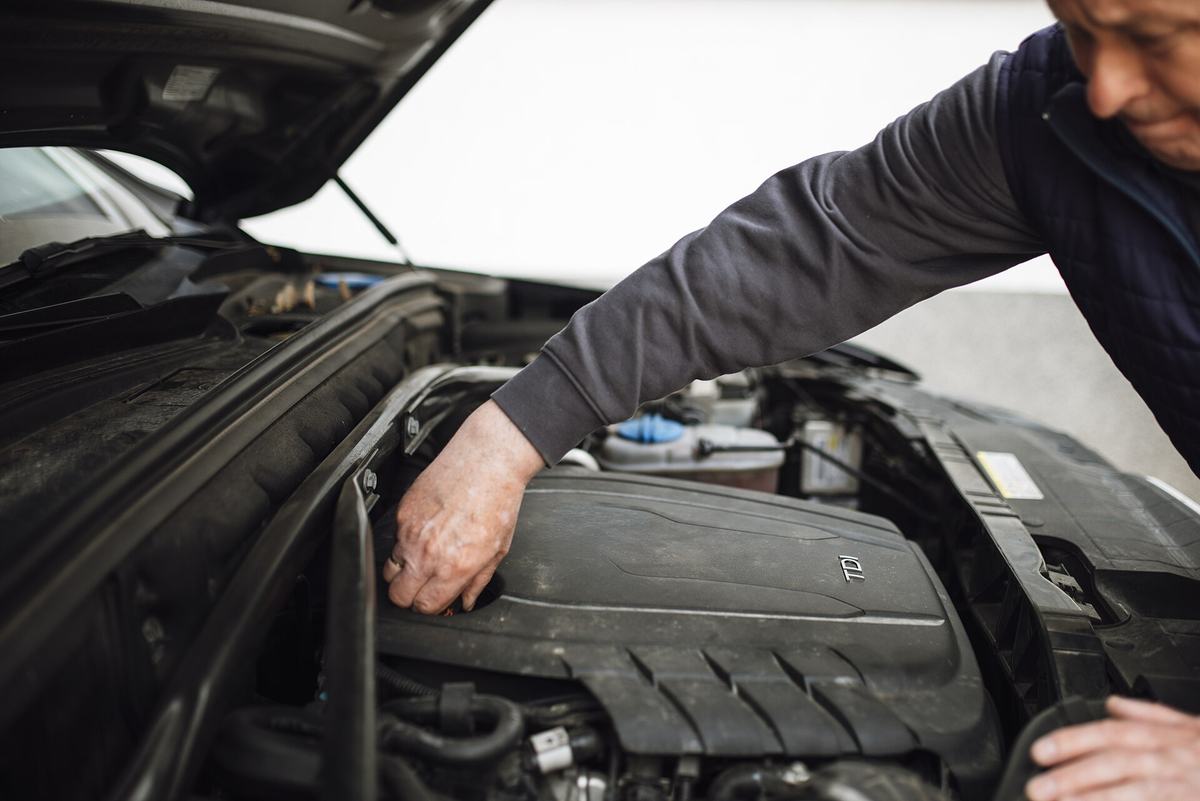
The dealer's process is physical. A used-car manager or appraiser walks around the car, checks panel condition, tires and glass, starts it, often drives it briefly, and scans for warning lights, accident repairs and smoke or odor problems. They pull the vehicle history report and the odometer record. Then they price what it costs to make your car front-line ready: tires, brakes, a detail, minor bodywork, any mechanical faults. That reconditioning estimate comes straight off the value they can pay.
The starting point for that value is wholesale — what the car would fetch between dealers or at auction — not the retail prices you see advertised. The gap between the two is not dealer greed; it is the recon cost, the time the car sits, the warranty many dealers include on resale, and the risk the market moves. Understanding this is why the FTC advises knowing your car's value before you negotiate, and why our guide to how to prepare your car for trade-in focuses on the cheap items appraisers actually deduct for.
Actual cash value versus the allowance on your deal
Two numbers appear in trade-in deals, and confusing them is expensive. The actual cash value (ACV) is what the dealer believes the car is worth to them. The allowance is the figure written into your purchase deal. They are often the same — but a dealer can quote an allowance above ACV, called an overallowance, by quietly holding the new car's price higher than it could have been.
This labeled illustrative example shows the mechanism with invented round numbers. Dealer A offers a $10,000 allowance on your trade and a $34,000 price on the new car: you pay the $24,000 difference. Dealer B offers a $12,000 allowance but holds the new car at $36,000: you pay the same $24,000 difference. The bigger allowance felt better and was worth nothing. This is why the CFPB advises negotiating the trade and the purchase as separate numbers and comparing the total, and why we compare every deal on the out-the-door price rather than on any single line.
Why online estimates for the same car disagree
Online valuation tools are useful starting points, but no two ask the same questions. One grades condition generously, another assumes auction pricing, a third is working from asking prices rather than completed sales. Most cannot see your car's actual condition — the appraised variable that matters most. Treat a spread of online estimates as a range to test against reality, not as a verdict.
The reality test is real offers. A dealer appraisal in person, an instant-offer buyer, and a second dealer in a different part of town will give you three genuine numbers for your car, this week, in your market. If they cluster, that cluster is your car's honest trade value. If one is far above the others, read the full deal for an overallowance before celebrating.
How much is my trade-in worth: how to lift the number
You cannot change your car's age or mileage, but the offer is not fixed. Preparation moves it: a clean, documented car appraises faster and deducts less — see how to prepare car for trade-in for the full checklist. Timing moves it: a dealer short of used stock, or one who already has a buyer for your model, bids stronger. Competition moves it most: the FTC and CFPB both point the same way — get more than one offer, keep the trade negotiation separate from the new car's price, and be ready to sell the car elsewhere if the numbers justify it, which our comparison of trade-in vs selling privately works through.
One honest warning: if you owe more than the car is worth, no appraisal technique fixes that. Read our explainer on negative equity car trade-in before you let a dealer roll the shortfall into your next loan.
Frequently asked questions
Why is the dealer's offer lower than the prices I see advertised for the same car?
Advertised prices are retail asking prices for reconditioned cars, often with a dealer warranty included. Your trade is valued at wholesale, minus the cost of the reconditioning needed to reach that advertised state. The two numbers describe the same car at different stages of the process.
Should I tell the dealer what I owe on the car?
You do not have to, and there is a case for appraising the car first. The payoff figure matters for structuring the deal, but the car's value is the car's value. Get the appraisal and the new-car price settled as separate numbers before financing is discussed.
Does cleaning the car really change the appraisal?
Cleaning does not change the car's market value, but it changes the appraiser's deductions. A clean car signals careful ownership, photographs better for the dealer's own records, and avoids the reflexive condition discount a neglected-looking car attracts. The full preparation checklist is in our trade-in preparation guide.
Can I negotiate a trade-in offer?
Yes. The FTC is explicit that trade-in value is negotiable. The strongest negotiating tool is a competing real offer on the same car. Ask the dealer to match it, or to explain in numbers why their appraisal differs — recon items can be challenged if you have records showing the work was already done.
Conclusion: how much is my trade-in worth, answered honestly
So, how much is my trade-in worth? Whatever the strongest real offer says it is, after a proper appraisal, in your market, this week — reduced by what it costs to make the car saleable, and never improved by an allowance that is quietly repaid in the new car's price. Get three offers, negotiate the trade separately from the purchase, and judge the deal on the total difference — check the new car’s price with our how much is my trade in worth invoice pricing guide, then run the financed total in our what is my trade in worth calculator. Start at MyCarDiscount.com.



Get the number dealers start from.
Invoice, estimated true cost, out-the-door — before any dealer hears your name.