
Best Cars for Snow and Winter Driving: AWD and Control
Best cars for snow compared: ground clearance and all-wheel drive get the headlines; winter tires do the work — this ranking weighs both and names the current models that earn a snow-belt shortlist.
Key Takeaways
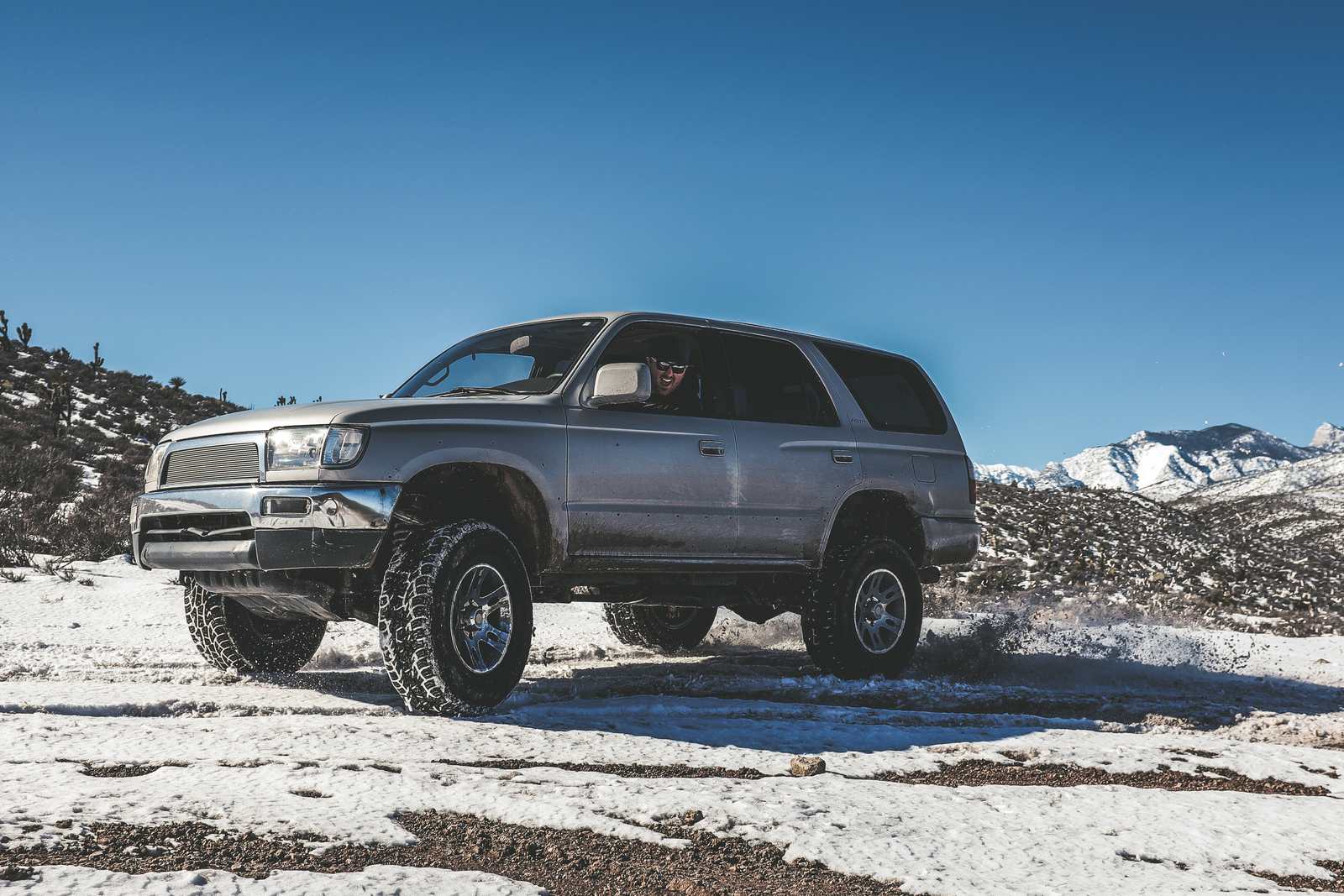
- Winter tires outrank drivetrain: in Tire Rack testing they stopped from 25 mph in 56.1 feet on snow against 81 to 82 feet for all-seasons — about two car lengths.
- AWD helps a car go; it does nothing for braking or cornering grip, so if the budget forces a choice between AWD and winter tires, choose the tires.
- The Subaru Forester is the default answer: standard AWD, 8.7 inches of ground clearance and a Top Safety Pick+ rating, from $29,995.
- Clearance only binds on unplowed roads: 7 to 8 inches suffices on plowed routes, while a sedan's 5.4 inches is a hard limit once snow passes the bumper.
Finding the best cars for snow means weighing space, safety, running costs and price together — this guide ranks the contenders on exactly those terms. Every winter-car ranking starts with all-wheel drive and ground clearance, because those are the numbers on the window sticker. They matter — but they are not what stops your car on a packed-snow descent or pulls it straight on black ice. That job belongs to the four patches of rubber touching the road, and the test data on this page shows the gap is not small. So this ranking weighs both halves of the equation: it shortlists current models with standard or available AWD and real clearance, and it is honest about the tire each one wears, because the best cars for snow are the ones that arrive ready — or one tire swap away from ready.
Best Cars for Snow at a Glance
| Model | Starting MSRP | Ground clearance | Drive | Why it makes the list |
|---|---|---|---|---|
| Subaru Forester | $29,995 | 8.7 in | AWD standard | The value pick: clearance, AWD and a Top Safety Pick+ rating |
| Toyota RAV4 AWD | $33,300 | 8.5 in (Woodland) | AWD, hybrid only | Woodland trim adds all-terrain tires and 38 mpg combined |
| Mazda CX-50 | $33,150 (Meridian) | 8.6 in | AWD standard | Meridian Edition ships on all-terrain tires |
| Subaru Outback | $34,995 | 8.7 in (9.5 in Wilderness) | AWD standard | Wagon loading height, SUV clearance, X-Mode standard |
| Ford Bronco Sport | $31,845 | Up to 8.8 in | 4x4 standard | Real 4x4 hardware and a Slippery mode on every trim |
| Honda CR-V AWD | $32,420 | 7.8 in (8.2 TrailSport) | AWD available | The honest low-clearance pick — tires matter most here |
Prices are starting MSRPs before destination unless noted; the full sourcing for every figure sits in this draft's header record.
Winter Tires Do the Work
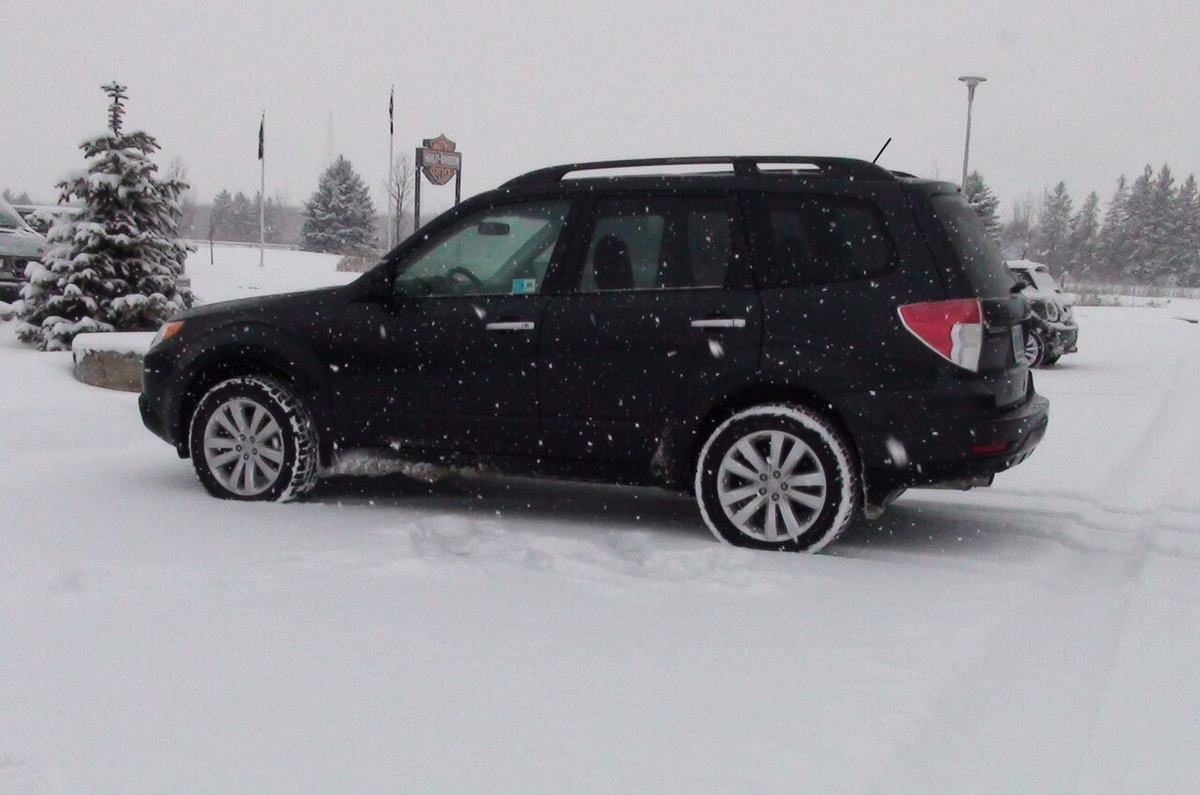
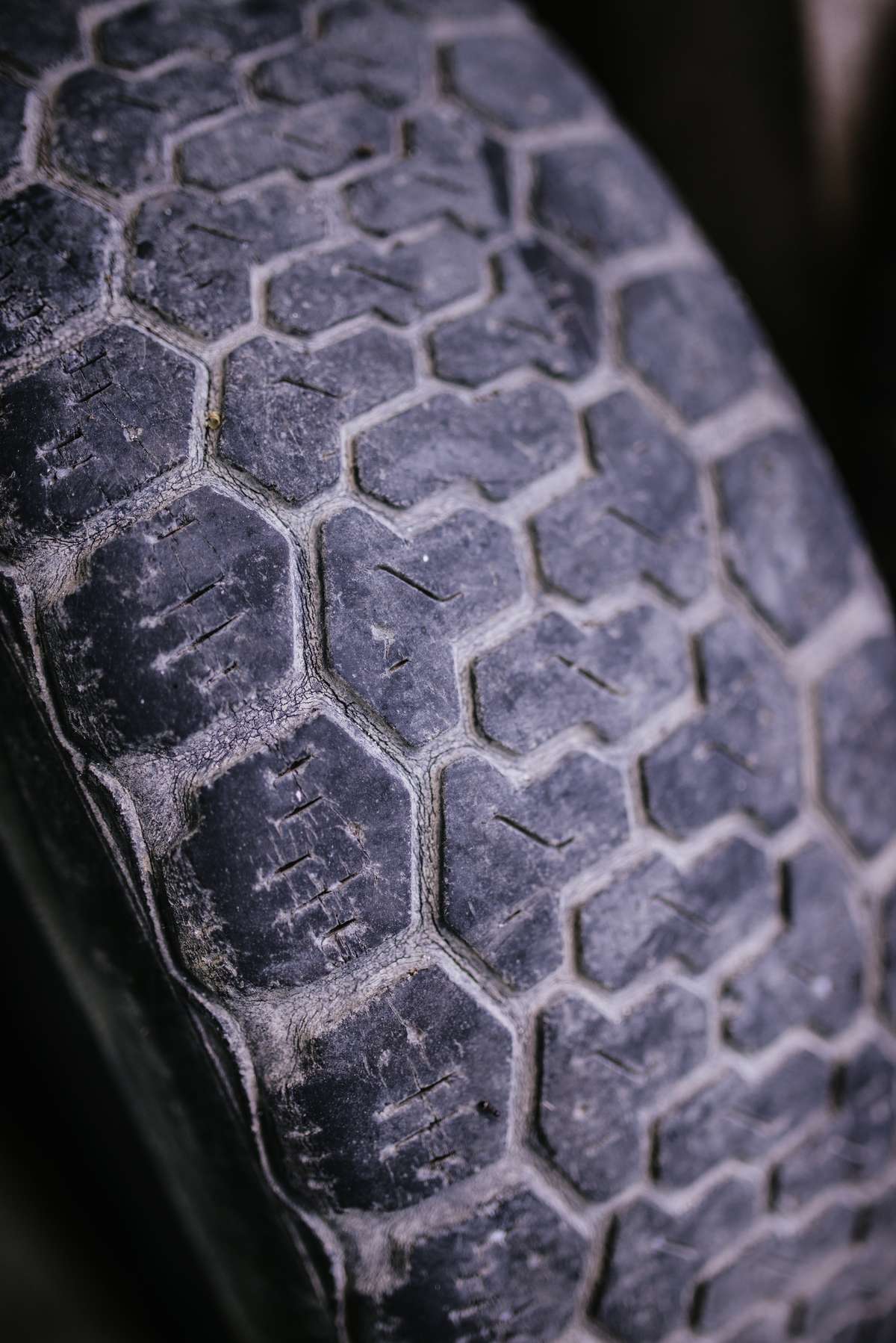
Tire Rack's instrumented testing makes the point better than any drivetrain brochure. In its snow braking test from 25 mph, a car on the Michelin X-Ice Snow — a dedicated winter tire — stopped in 56.1 feet. The same test on mainstream all-season tires took 81.1 and 82 feet. That is roughly 26 extra feet, about two car lengths, at neighborhood speed. On ice from 12 mph, the winter-tire car stopped in 38.7 feet against 55.0 to 57.7 feet for the all-seasons. All-wheel drive cannot close a gap like that, because AWD helps a car go; tires are what help it stop and turn, and winter is mostly a stopping and turning problem.
Two refinements keep this honest. First, the three-peak mountain snowflake badge (3PMSF) is a floor, not a ranking: it appears on dedicated winter tires and on all-weather tires, and in the same Tire Rack test two 3PMSF all-weather tires finished 14 feet apart on snow. Second, a good all-weather tire is a legitimate middle path for drivers who face occasional snow rather than a snow-belt winter — it beat the plain all-seasons clearly in testing. But if your roads stay white for months, a dedicated winter set on inexpensive steel or alloy wheels, swapped each season, is the single highest-value winter upgrade any car on this list can get. Our guide to how long new car tires last covers the wear side of that rotation.
The Shortlist
Subaru Forester — the default answer. AWD is standard, clearance is 8.7 inches, and the starting price of $29,995 undercuts everything else here with this much hardware. The Wilderness trim ($36,995) adds clearance to 9.3 inches and all-terrain tires for drivers whose "road" is sometimes a drifted township lane. It is also an IIHS Top Safety Pick+, which matters when the weather turns a routine drive into the risky one.
Subaru Outback — the wagon that out-clears SUVs. The Outback matches the Forester's 8.7 inches and standard AWD, then the Wilderness version ($44,995) climbs to 9.5 inches — more than most crossovers at any price — on all-terrain tires. The lower roof and cargo floor are genuine winter virtues: you load skis, dogs and groceries without climbing, and crosswinds push a wagon around less than a tall box.
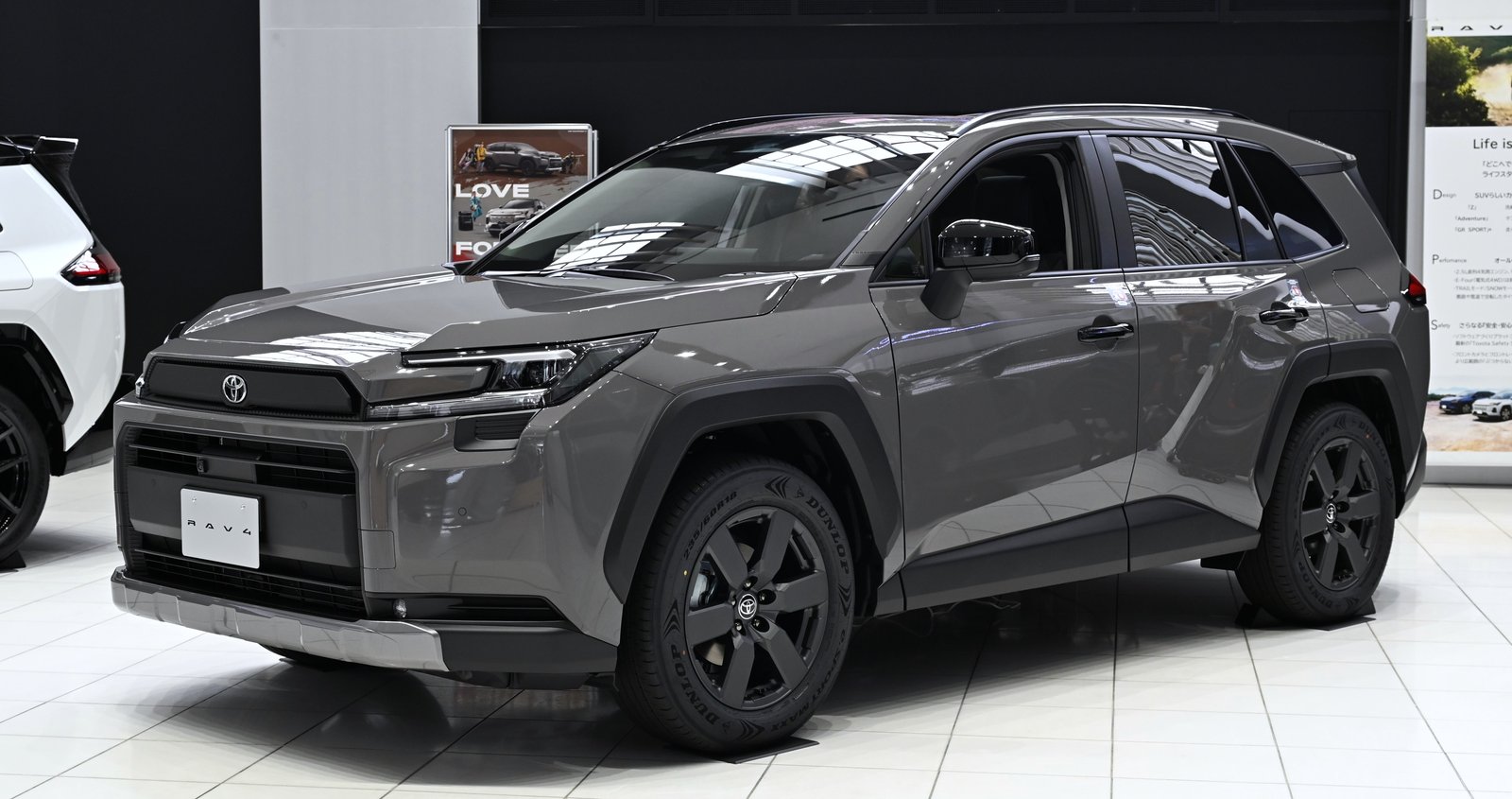
Toyota RAV4 — the hybrid-only pick. Every 2026 RAV4 is a hybrid, and AWD models start at $33,300. The one to spec for snow is the Woodland ($39,900): standard AWD, 8.5 inches of clearance, all-terrain tires fitted at the factory and 38 mpg combined for the other three seasons. It is the rare case where the outdoorsy trim is also the winter-rational one.
Mazda CX-50 — standard AWD, real clearance. Mazda fits AWD to every CX-50 and gives it 8.6 inches of clearance, numbers that shame several rivals' optional systems. The Meridian Edition ($33,150) is the snow spec, adding all-terrain tires. Drivers cross-shopping the two-row class should also read our best midsize SUVs ranking — the CX-50's winter case is stronger than its size suggests.
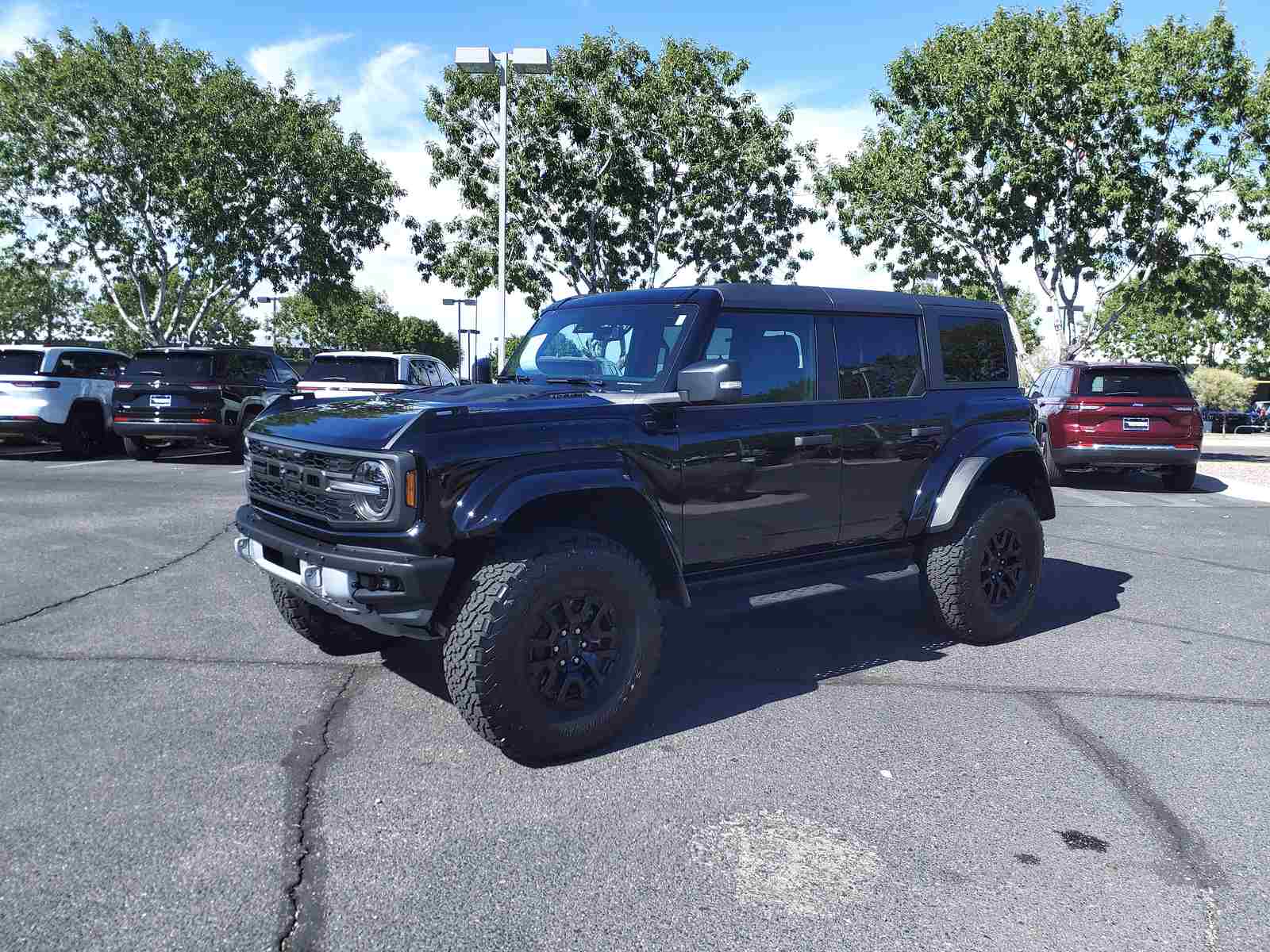
Ford Bronco Sport — the hardware pick. Every Bronco Sport is a 4x4, and the Big Bend starts at $31,845 including destination. Ford quotes up to 8.8 inches of clearance with available all-terrain tires. Step to the Badlands ($40,265) and you get a twin-clutch rear drive unit that can shuffle torque side to side, plus seven drive modes including Slippery. Our Ford Bronco trim levels guide covers the bigger Bronco; the Sport is the one that fits a normal garage and budget.
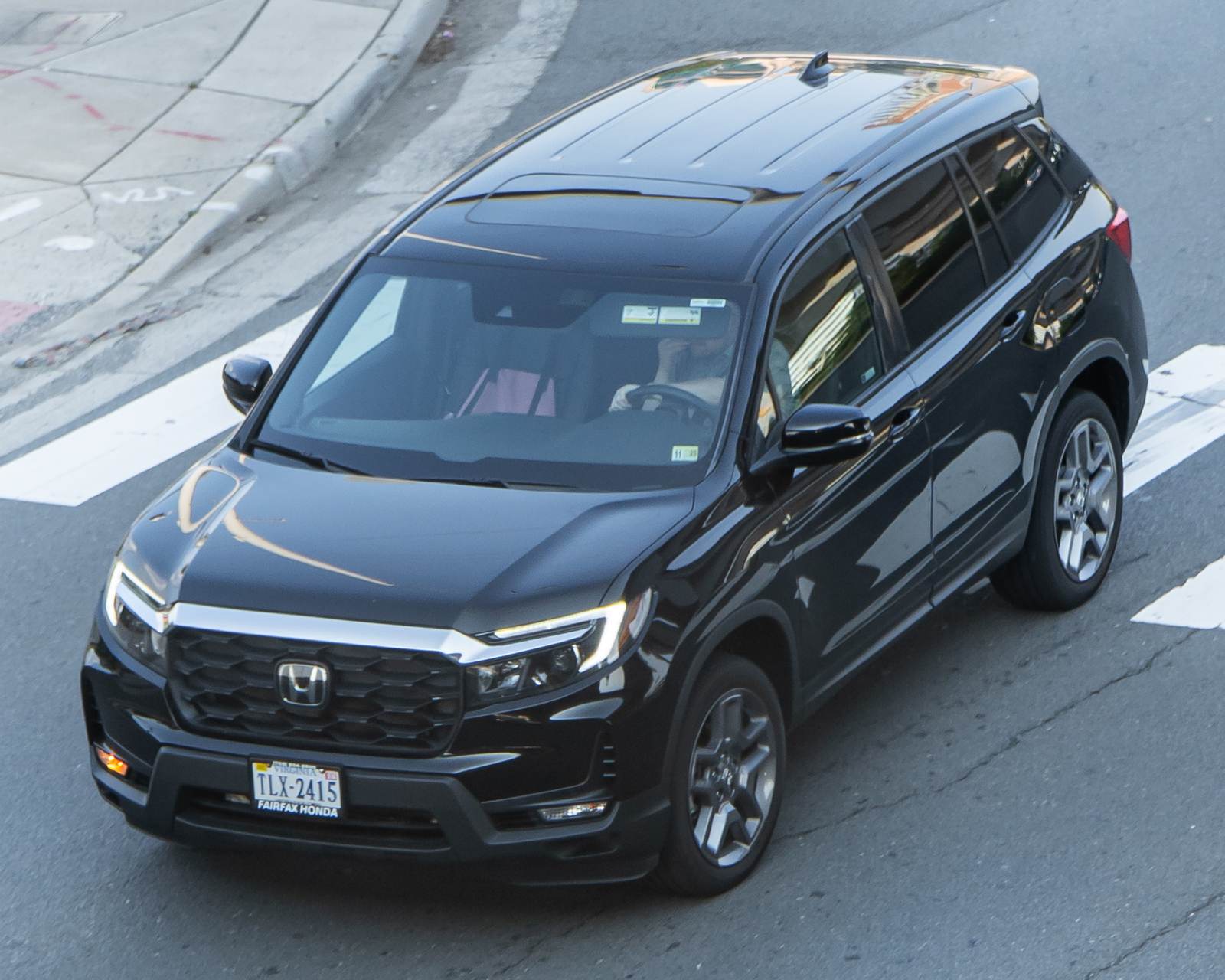
Honda CR-V — the honest counterpoint. The CR-V's AWD clearance, 7.8 inches, is the lowest here, and this ranking includes it anyway — deliberately. For plowed-suburb winters, clearance is rarely the binding constraint; the TrailSport Hybrid ($38,800) raises it to 8.2 inches and fits all-terrain tires. An AWD CR-V on winter tires will out-stop and out-handle several taller rivals on all-seasons, which is the entire thesis of this page in one model.
The Sedan Reality Check
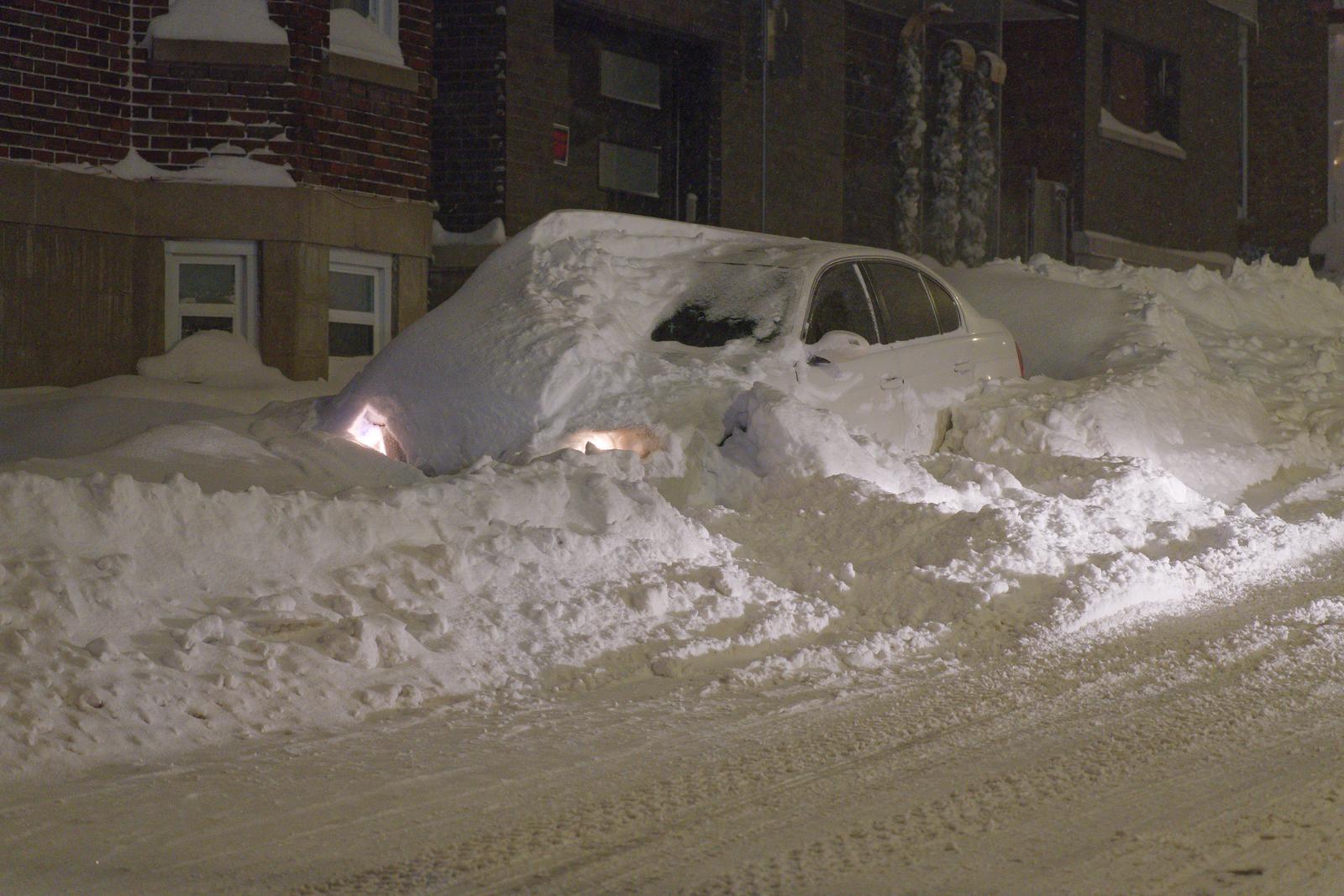
Sedans are not banned from snow country. A Toyota Camry with its available all-wheel drive starts at $29,600 and, on winter tires, handles packed snow and ice with complete composure — driven wheels were never its problem. Its 5.4 inches of ground clearance is. The sedan's winter ends at unplowed depth: once snow passes the front bumper's clearance, the car becomes a plow, then a sled. If your route is plowed before your commute, an AWD sedan on winter tires is a rational, cheaper answer. If it is not, buy the clearance. Electric-car shoppers should add one more variable — cold costs range as well as grip, which our guide to EV range loss in winter quantifies from published testing.
Frequently Asked Questions
Is all-wheel drive or winter tires more important for snow?
Winter tires, and it is not close. In Tire Rack's testing, winter tires cut snow stopping distances by roughly 26 feet from 25 mph versus all-season tires. AWD helps a car accelerate and climb on slippery surfaces, but it does nothing for braking or cornering grip — those are set entirely by the tires. The ideal is both; if the budget forces a choice, choose tires.
How much ground clearance do you actually need for snow?
For plowed streets and highways, 7 to 8 inches is plenty — the constraint is tire grip, not depth. Clearance starts to matter on unplowed residential streets, rural lanes and rutted ice, where 8.5 inches or more (the Outback Wilderness reaches 9.5) keeps the underbody off the snowpack. Below about 6 inches, as on most sedans, deep unplowed snow is a hard limit rather than an inconvenience.
Are all-weather tires enough, or do I need dedicated winter tires?
All-weather tires carrying the three-peak mountain snowflake badge are a real step up from all-seasons and suit drivers who see occasional snow. But testing shows wide spread even among badged tires, and the best dedicated winter tires still stop meaningfully shorter on snow and ice. Snow-belt drivers who cannot swap seasonally often run all-weathers as a compromise; drivers with harsh, long winters should budget for a dedicated winter set.
Is an EV a bad choice for winter driving?
No — instant torque control and a low, battery-centered weight distribution can make EVs composed on slippery roads. The real winter cost is range: published fleet and laboratory testing shows EVs keeping roughly 70 to 78 percent of their ideal-temperature range around freezing, and less with heavy cabin heat. That is a planning issue, not a disqualification, and it is covered in depth in our winter EV range guide.
The Bottom Line on the Best Cars for Snow
Rank the tire first, the clearance second and the drivetrain third, and the shortlist builds itself: the Forester and Outback for standard AWD and honest clearance at fair prices, the RAV4 Woodland and CX-50 Meridian for factory all-terrain rubber, the Bronco Sport for real 4x4 hardware, and the CR-V as proof that a lower car on the right tires beats a tall one on the wrong ones. Whatever you pick, price a winter wheel-and-tire set into the deal before the first storm, then compare the cars themselves side by side. The best cars for snow compared in this guide are the ones that fit your life and your budget together — shortlist from the top cars for snow here, then drive your finalists back to back. Start at MyCarDiscount.com.
Get the number dealers start from.
Invoice, estimated true cost, out-the-door — before any dealer hears your name.