
EV Maintenance Costs vs Gas Cars: The Per-Mile Numbers
EV vs gas maintenance costs: no oil, no plugs, no exhaust — but heavier tires and pricier repairs. This comparison uses the federal per-mile data to price EV upkeep against a gas car honestly.

Key Takeaways
- Federal Argonne data prices scheduled maintenance at 6.1 cents a mile for an EV against 10.1 for a gas car — about 40% less, $4,800 over 120,000 miles.
- The saving is a missing parts list: no oil, spark plugs, timing belt, exhaust system or multi-speed transmission for an EV to service.
- Tires are the main give-back: EV weight and instant torque wear them faster, and out-of-warranty repairs and parts can price above gasoline equivalents.
- Hybrids sit near gasoline on upkeep at 9.4 cents a mile, since they keep the engine's full service schedule; their economic case rests on fuel.
This EV maintenance costs vs gas comparison is decided on the numbers and the ownership costs, not the badge — here is how the two stack up. The maintenance argument for electric cars is usually made with slogans — "no oil changes!" — when it deserves arithmetic. The U.S. Department of Energy's Argonne National Laboratory did that arithmetic in its comprehensive total-cost-of-ownership study, pricing the scheduled maintenance in each powertrain's service book, mile by mile. This comparison builds on those federal numbers, extends them over five and ten years of typical driving, and then spends equal time on the other side of the ledger — because an honest accounting includes the places where EVs cost more. For the fuel side of the comparison, see our guide to what it costs to charge an electric car; this page covers upkeep only.
EV Maintenance Costs vs Gas at a Glance
| Powertrain | Scheduled maintenance per mile (Argonne/DOE) | Over 60,000 miles | Over 120,000 miles |
|---|---|---|---|
| Battery-electric | $0.061 | $3,660 | $7,320 |
| Plug-in hybrid | $0.090 | $5,400 | $10,800 |
| Hybrid | $0.094 | $5,640 | $11,280 |
| Gasoline | $0.101 | $6,060 | $12,120 |
Argonne's headline: the battery-electric figure is about 40 percent below the gasoline figure — 6.1 cents against 10.1 cents a mile. At 12,000 miles a year, the 60,000-mile column is five years of driving and the 120,000-mile column is ten.
Where the EV Saving Comes From
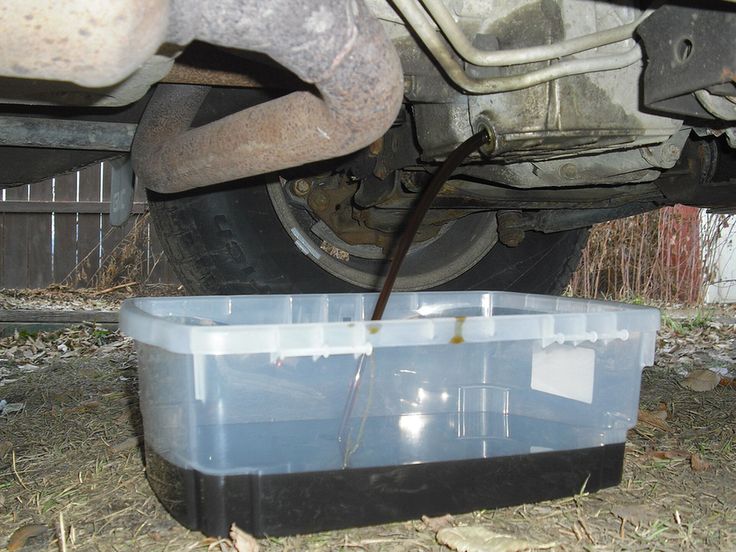
Open a gasoline car's service schedule and cross out everything an EV does not have. There is no engine oil or filter to change, no spark plugs, no timing belt, no engine air filter, no fuel filter, no exhaust system to rust, and no multi-speed automatic transmission with fluid to service. What remains on the EV's schedule is short: tire rotations, a cabin air filter, brake fluid on a long interval, coolant for the battery and motor loop on a longer one, and inspections. Brakes deserve a line of their own — regenerative braking does most of the slowing, so pads and rotors on EVs routinely outlast their gasoline counterparts, in many cases by a wide margin. That missing list, not any single item, is the 4-cents-a-mile gap: $2,400 over five years and $4,800 over ten at average mileage.
Where EVs Cost More
Three honest offsets. Tires are the big one: EVs are heavy for their size and deliver instant torque, and their tires tend to wear faster — and the low-rolling-resistance tires many EVs ship on are not the cheapest replacements. A driver who saves $480 a year on scheduled maintenance can hand a real share of it back at the tire rack; how much depends on the car and the right foot. Repairs differ from maintenance: when something does break, EV parts and the labor to fit them can price above gasoline equivalents, and fewer independent shops are equipped for high-voltage work, which affects both price and convenience — a consideration our dealer service vs independent mechanic guide explores for all powertrains. Shared consumables still exist: the 12-volt battery, wiper blades, cabin filters, alignments and coolant are powertrain-agnostic, and they dilute the percentage gap in real-world budgets compared with the laboratory schedule.
The Lifetime Cross-Check
Argonne prices the service book; owners pay for repairs too. Consumer Reports, analysing its members' survey data, estimated lifetime maintenance and repair spending at roughly $4,600 for battery-electric and plug-in hybrid vehicles against roughly $9,200 for gasoline cars over a 200,000-mile life — about half. The two sources measure different baskets, so their totals should not be blended; read together, they agree on the shape of the answer. Scheduled upkeep decisively favors the EV. Repairs narrow the gap without closing it, in CR's data. The wildcard no study can price for you is the out-of-warranty traction battery: failures are uncommon and every EV sold in the U.S. carries a federal minimum 8-year/100,000-mile battery warranty, but a replacement after that window is the one four-figure-to-five-figure event that can rewrite a single car's ledger — our hybrid battery replacement cost guide prices that risk for hybrids, and the same logic applies.
How to Use These Numbers When You Shop
The per-mile rates turn into a shopping tool with one multiplication: your annual mileage, times the years you keep cars, times the rate for each powertrain you are cross-shopping. A 15,000-mile-a-year driver keeping a car eight years covers 120,000 miles — the full ten-year column above — and banks the whole $4,800 scheduled gap before tires; a 7,000-mile-a-year driver keeping a car five years covers 35,000 miles and banks about $1,400 of it. Neither figure should decide a purchase alone, but both belong in the same spreadsheet as the price gap and the fuel gap, because maintenance is the one ownership cost whose direction is not in dispute. If you are comparing a specific EV against a specific gasoline model, ask each seller for the printed service schedule and price the first 60,000 miles line by line — the schedules are documents, and documents end arguments.
Hybrids: The Middle Is Real
Argonne's hybrid figure — 9.4 cents a mile — sits much closer to gasoline (10.1) than to electric (6.1), which surprises buyers who expect hybrid upkeep to halve. The logic is mechanical: a hybrid still carries the full gasoline service schedule — oil, plugs, filters — and adds electric hardware on top; its savings concentrate in brake life, thanks to regenerative braking. The plug-in hybrid, at 9.0 cents, does slightly better because a share of its miles run electric with the engine off, stretching the engine's service intervals across more odometer miles. Neither result is an argument against hybrids — their fuel savings are real and priced in other guides — but on maintenance alone, only the pure EV changes the category.
Frequently Asked Questions
How much cheaper is EV maintenance, really?
On scheduled maintenance, the federal data says about 40 percent: 6.1 cents a mile against 10.1 for a gasoline car, worth $2,400 over 60,000 miles and $4,800 over 120,000. Including repairs, Consumer Reports' owner data puts lifetime EV spending at about half the gasoline figure. Tires are the main give-back and are not in either scheduled figure.
What maintenance does an EV still need?
More than the slogans suggest: tire rotations and replacements, cabin air filters, brake fluid, coolant for the battery and power electronics on long intervals, a conventional 12-volt battery, wiper blades, and periodic inspections of brakes and suspension. Brake pads typically last far longer than on a gasoline car because regenerative braking does most of the work — but they are inspected, not immortal.
Do hybrids cost as little to maintain as EVs?
No. Argonne prices hybrid scheduled maintenance at 9.4 cents a mile and plug-in hybrids at 9.0 — both far closer to the gasoline car's 10.1 than to the EV's 6.1. A hybrid keeps the engine's entire service schedule; its maintenance edge over gasoline is mostly longer brake life. The hybrid's economic case rests on fuel, not upkeep.
Can an EV's maintenance advantage disappear?
In scheduled costs, no — the missing parts list is structural. In total upkeep, partly: faster tire wear, pricier out-of-warranty repairs, and any post-warranty battery event all push the other way, and a low-mileage driver accumulates the per-mile saving slowly. The advantage is largest for high-mileage drivers who charge at home and keep the car a long time.
The Bottom Line on EV Maintenance Costs vs Gas
On EV maintenance costs vs gas, the federal per-mile data answers the question honestly: are EVs cheaper to maintain than gas cars? On scheduled maintenance, yes — an EV's runs about 40 percent below a gasoline car's — real money over five and ten years, partly offset by tires and potentially pricier repairs, and nothing like a free pass. Put the maintenance line next to the fuel line and the purchase price before deciding; our true cost of owning a car guide assembles the whole ledger. That settles the EV vs gas maintenance costs question on the evidence: pick the one that fits your life, then negotiate as if the other one were still on the table. Start at MyCarDiscount.com.


Get the number dealers start from.
Invoice, estimated true cost, out-the-door — before any dealer hears your name.