
What Voids a Car Warranty? Myths, Mods and Real Exclusions
What voids your car warranty: a lift kit does not void your whole warranty and a missed oil change might void part of it — this guide separates the legal rule (they must prove the mod caused the failure) from dealer folklore.
Key Takeaways
- Almost nothing voids a whole warranty: federal law puts the burden on the manufacturer to prove your part, mechanic or modification caused the specific failure.
- A denial reaches only the affected system — the rest of the coverage stays in force.
- The real dangers are quieter: missing maintenance records, misuse, and salvage or branded titles.
- If a claim is denied, make them put the reason in writing.
What voids a car warranty? This guide answers it in full, in plain English. "Void" is the most abused word in the service department. It suggests a switch: touch the wrong part and the entire warranty — engine, electronics, everything — evaporates. That is almost never how coverage works. Under federal law a warranty is not a balloon that pops; it is a set of promises, claim by claim, and a manufacturer who wants to refuse one must connect your modification or your neglect to the specific failure in front of them. This guide separates the real exclusions, which exist and matter, from the car warranty void myths used to sell dealer service and frighten owners out of the aftermarket.
What Voids a Car Warranty at a Glance
| Claim you will hear | Verdict | The actual rule |
|---|---|---|
| An aftermarket part voids the warranty | Myth | Illegal to void for that alone; they must prove the part caused the failure |
| Service done outside the dealer voids it | Myth | Routine maintenance anywhere — or DIY — keeps coverage, with records |
| A lift kit or tune voids the whole car | Overstated | Related-system claims can be denied if the mod is proven to be the cause |
| Skipping maintenance has no consequences | False comfort | Claims on the neglected system can be denied for lack of upkeep |
| A salvage title leaves coverage intact | False | A branded title generally ends factory warranty coverage |
| Racing and track use are covered | Usually false | Misuse and competition use are standard published exclusions |
The full sourcing for every verdict sits in this draft's header record.
The Legal Rule: Proof Before Denial
What can void a car warranty? The Magnuson-Moss Warranty Act is the whole answer, and the FTC states it in one sentence: simply using an aftermarket or recycled part does not void your warranty. The Act makes it illegal for a manufacturer to void a warranty, or deny a claim, merely because an aftermarket part was installed or because someone other than the dealer did the work. If the manufacturer believes a part or an improper repair caused a failure, it may deny that claim — but it must be able to show the part or the work caused the need for the repair. The burden of proof is theirs, not yours. And a denial is surgical, not general: a claim refused on the suspension does not touch your coverage on the infotainment screen, the air conditioning or anything else the modification could not plausibly affect.
This is also why "your warranty is void" said out loud at a service counter means so little. Denials that matter arrive as claim decisions, and a manufacturer defending one has to produce the causation argument. Our guide to dealer service vs independent mechanic covers the maintenance side of the same law, including the records that make your position unassailable.
Mods, Honestly: What a Tune or a Lift Can and Cannot Do
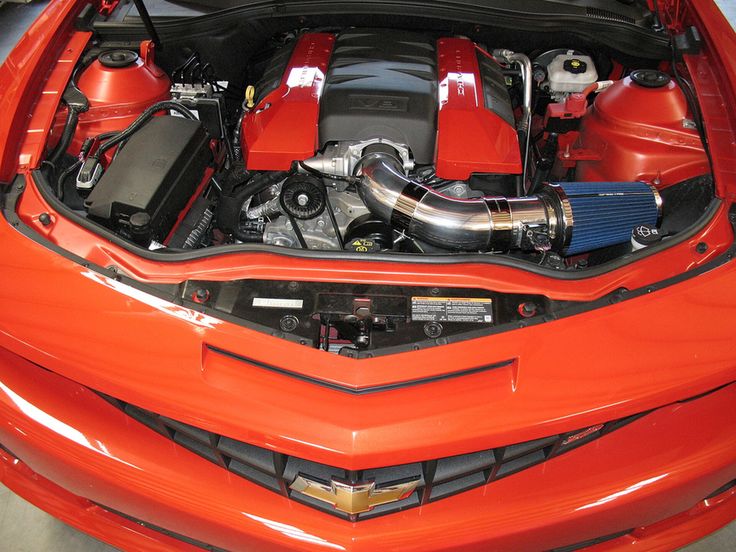
Modifications are where the law meets reality, and the honest answer is narrower than both the folklore and the optimists suggest. Install a cold-air intake and your power window motor fails: the intake cannot cause that failure, the claim is covered, and any dealer who says otherwise is wrong in law. Fit oversized tires and a lift, then ask for a worn-out wheel bearing or a strained transfer case to be covered: now the modification loads exactly the parts that failed, the manufacturer has a genuine causation case, and a denial on those components is defensible. Engine tunes sit at the sharp end — a tune that raises boost and output is directly connected to the engine and driveline behind it, and owners should assume claims on those systems will be contested, while the rest of the car's coverage survives.
The practical approach is sequencing and honesty. Keep stock parts if you may need to reverse a change, keep every receipt, and know that the closer a mod sits to a failure, the weaker your position. None of this is a reason to leave a car stock forever; it is a reason to modify with your eyes open about what voids your car warranty, especially while the expensive systems are still under factory coverage.
The Real Exclusions Nobody Warns You About
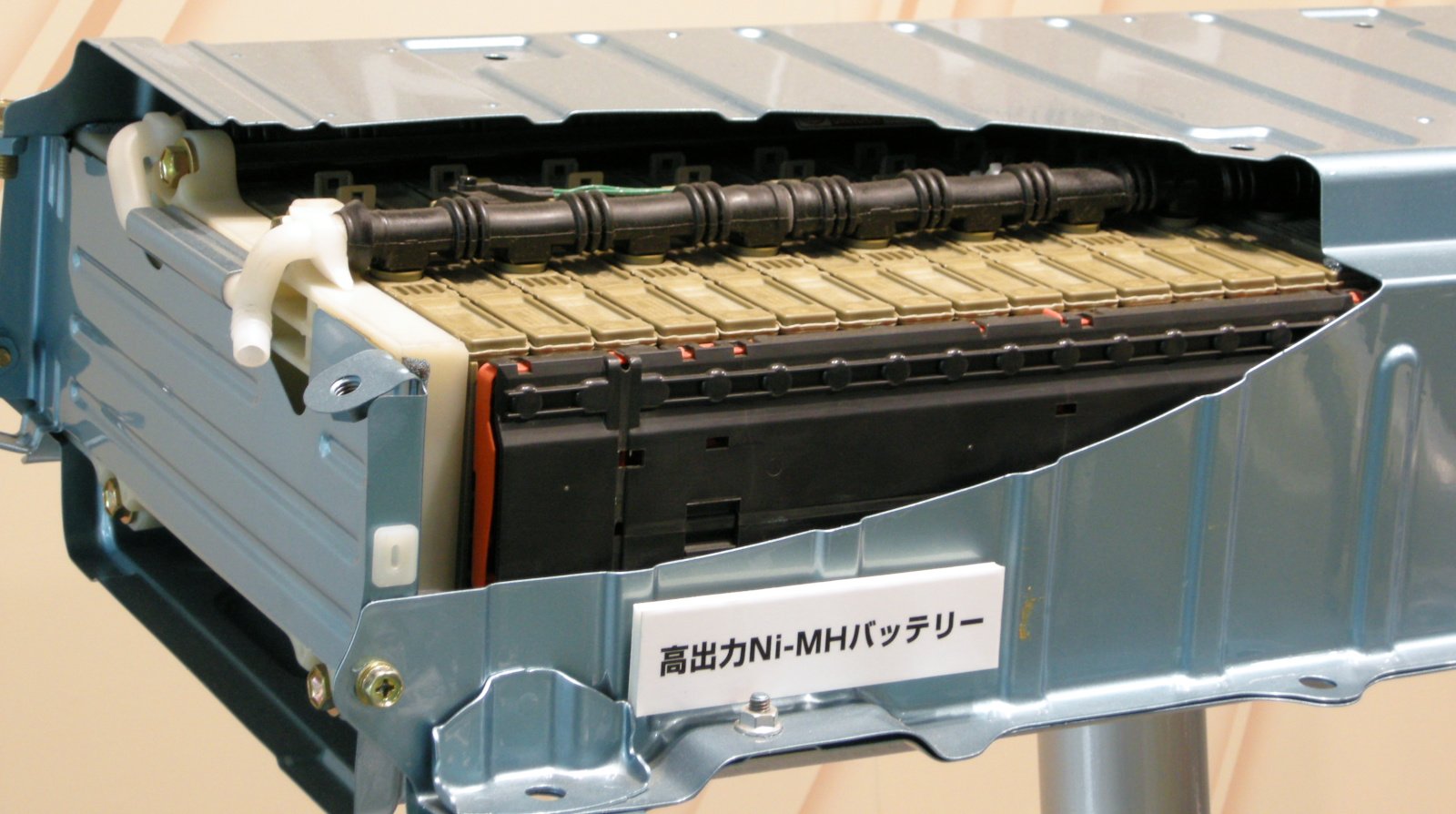
The claims that genuinely die are rarely about parts. Lack of maintenance is the biggest: an engine destroyed at 40,000 miles with no evidence of an oil change is a claim the manufacturer can refuse for the engine, because the neglect plausibly caused the failure — which is why the maintenance schedule and a folder of receipts matter more than any other paperwork you own. Misuse and competition use are standard exclusions in published warranty terms: racing, overloading beyond rated capacity and off-roading a vehicle not built or sold for it can all support denials on the stressed systems. Damage from outside events — collisions, flood, fire, hail, road salt left to eat a frame — is insurance territory, not warranty territory. Odometer problems and branded titles are the true warranty-enders: a car with a salvage title generally loses factory coverage entirely, one more reason rebuilt cars are priced the way they are. And electrified parts have their own ledgers: a hybrid battery, as our hybrid battery replacement cost guide shows, runs on a separate, longer coverage clock with its own defect-versus-wear line.
If a Claim Is Denied
Get the denial in writing, with the reason stated. Ask, in writing, for the evidence connecting your part, your service history or your modification to the failure — a manufacturer asserting causation has to have it. Escalate from the dealer to the manufacturer's customer-care channel, because dealers deny claims the manufacturer itself might approve. If the position still looks unlawful, the FTC accepts complaints, your state attorney general's consumer division handles warranty disputes routinely, and the Magnuson-Moss Act itself provides for recovery of attorney's fees in successful suits, which is why consumer lawyers take good cases. Finally, know the boundary of this whole subject: none of it governs an extended warranty on a new car, which is a service contract with its own written exclusions — read those before you buy, because they, not the folklore, will decide your claims.
One distinction keeps owners out of a common dead end: a denied warranty claim is not a lemon-law case, and the two should not be confused. A denial says this failure, on this claim, is not covered — the argument is about causation and the warranty's terms. Lemon laws are a separate state remedy for a substantial defect the manufacturer cannot fix after a reasonable number of attempts, and they run on their own clocks and notice rules. Owners who write to the manufacturer early, keep every repair order and state the defect plainly are building the record either process will ask for; owners who rely on phone calls are not.
Frequently Asked Questions
Does an aftermarket exhaust or intake void my warranty?
No — not by itself. Federal law bars a manufacturer from voiding your warranty simply because an aftermarket part was used. It can deny a specific claim only if it can show the part caused the failure, and unrelated systems stay covered regardless. Exhaust and intake parts sit close to the engine, though, so claims on the engine itself are the ones most likely to be argued.
Can a dealer void my entire warranty because of one modification?
No. There is no whole-warranty voiding for a modification. Coverage decisions are made claim by claim: a modification can support a denial on systems it plausibly affected, and it has no legal effect on the rest of the car. A branded salvage title is one of the few things that genuinely ends factory coverage outright.
Does changing my own oil void the warranty?
No. You may do routine maintenance yourself, at an independent shop or at a chain store. Keep the receipts for oil and filters meeting the manufacturer's specification, and log the date and mileage. The risk is not doing it yourself — it is being unable to prove the work happened if a related claim is ever questioned.
What actually ends a new car warranty early?
Time and mileage, first — every coverage has both limits. Beyond that: a salvage or otherwise branded title generally ends factory coverage, an odometer discrepancy can do the same, and claims on neglected or misused systems can be denied for those systems. The warranty rarely dies all at once; it is almost always narrower than the folklore and hardier than the warnings.
The Bottom Line on What Voids a Car Warranty
Things that void a car warranty are rarer than service counters suggest: almost nothing "voids" one in the way the word is used there. Federal law puts the burden on the manufacturer to prove your part, your mechanic or your modification caused the specific failure — everything else stays covered. The real dangers are quieter: no maintenance records, misuse, and branded titles. Keep the receipts, modify knowing the causation line, and make anyone who says "void" put it in writing. So what voids a car warranty? By now you have the full answer — use it to judge every offer on the same terms. Start at MyCarDiscount.com.


Get the number dealers start from.
Invoice, estimated true cost, out-the-door — before any dealer hears your name.