
Tesla Prices Explained: Why Tesla Has No Invoice or Dealers
Tesla prices, in short: there is no Tesla invoice price to find, because there is no dealer — the honest version of how Tesla pricing works, and the levers that still lower what you pay.
Key Takeaways
- The price on Tesla's website is the price everyone pays — Tesla sells its cars itself instead of through dealers.
- There is no dealer invoice and no holdback, because the manufacturer-to-dealer relationship does not exist.
- Nobody at a delivery centre has authority to negotiate the price.
- Cost levers still exist outside negotiation: timing, inventory cars, incentives and configuration choices.
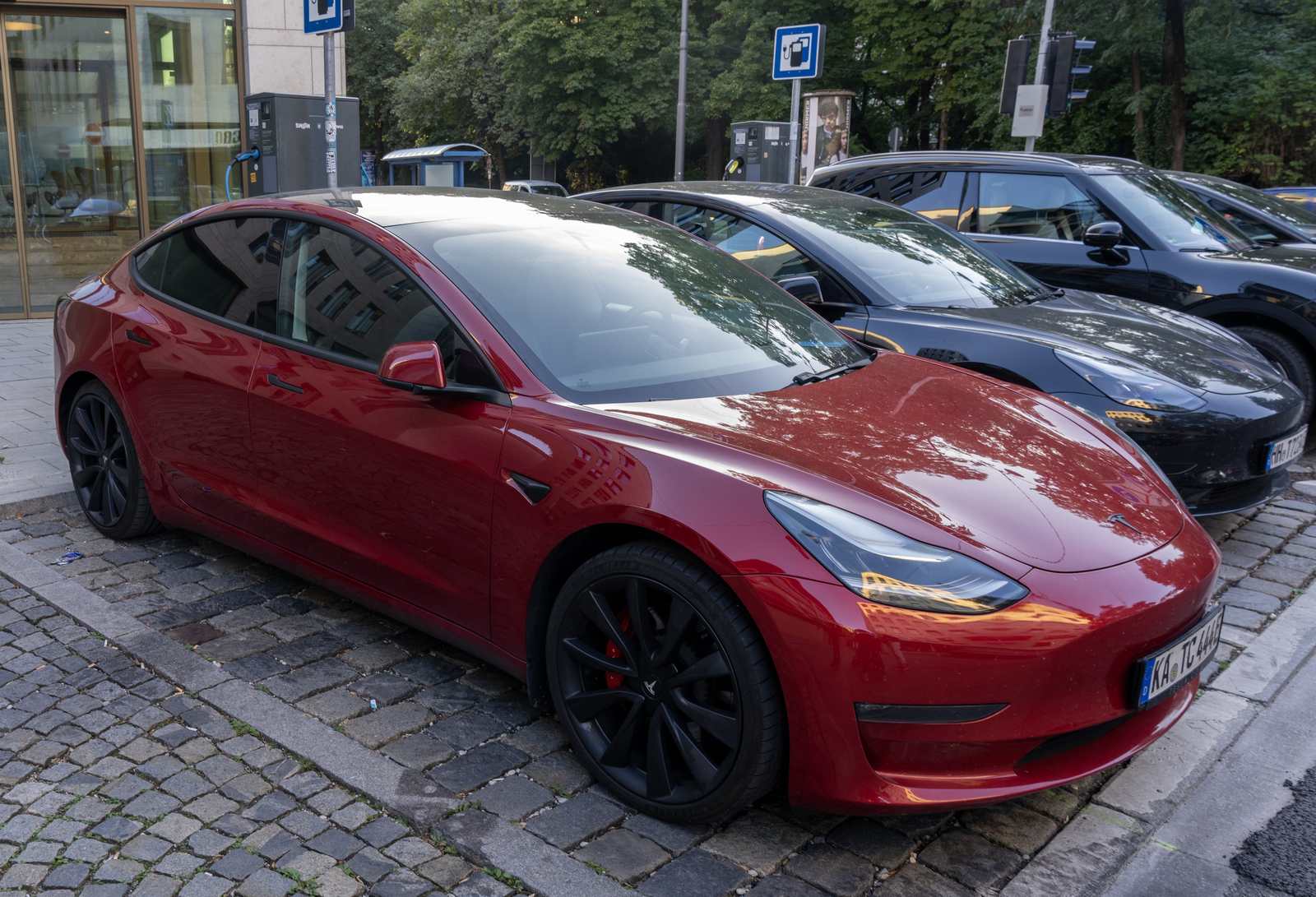
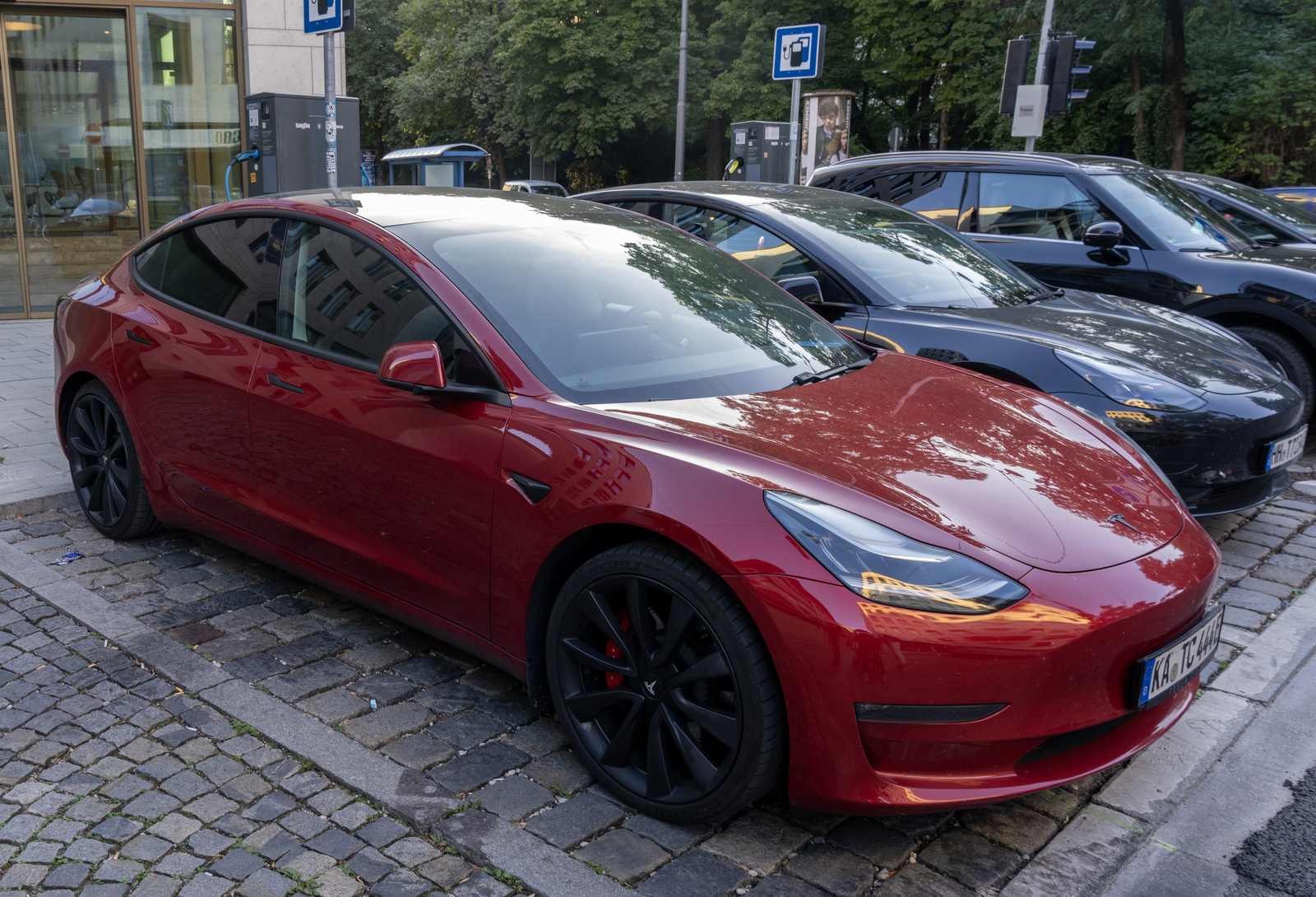
Tesla prices explained in one sentence: the price on Tesla's website is the price everyone pays, because Tesla sells its cars itself instead of selling them to dealers. That is Tesla pricing explained with no dealer layer in between. There is no dealer invoice price, because there is no dealer. There is no holdback, because holdback is a payment from a manufacturer to a dealer and that relationship does not exist. And there is no negotiation, because the person handing over the keys at the delivery centre has no authority to change the price. If you arrived here looking for the Tesla equivalent of an invoice price, this guide explains honestly why Tesla has no invoice price — and, more usefully, which levers still lower what a Tesla actually costs you.
Tesla Prices Explained at a Glance
| Item | How it works at Tesla |
|---|---|
| Invoice price | Does not exist — no dealer ever buys the car from Tesla |
| Holdback | Does not exist — holdback is a manufacturer-to-dealer payment |
| Dealers | None — Tesla sells direct through its own stores and website |
| Negotiation | None on price; the listed price is the price for every buyer |
| What changes the price | Tesla's own price adjustments, existing-inventory discounts, incentives and finance offers |
| Fees | A destination and documentation charge applies and is not negotiable |
| Best first step | Price the exact car on Tesla's site, then compare its out-the-door total with dealer-sold rivals |
Tesla Prices Explained: The Direct-Sales Model Behind Them
Every other brand in our invoice guides works through franchised dealers: the manufacturer sells the car to a dealer at the invoice price, the dealer adds margin, and the buyer negotiates somewhere between invoice and MSRP. Our explainer on whether invoice price is the dealer cost walks through that chain. Tesla simply removed the chain. Tesla designs, builds, sells and delivers the car inside one company, so the concepts our whole pricing method is built on — invoice, holdback, dealer margin, competing dealer offers — have nothing to attach to.
That is also why you will never see a Tesla entry in a holdback table, ours included. Our dealer holdback guide explains holdback as money a manufacturer holds back from a dealer's payment and returns after the sale. With no dealer, there is no payment to hold anything back from. When a pricing site claims to show you a "Tesla invoice price," what it is showing you is at best an estimate of Tesla's production cost, which is not a number Tesla publishes and not a number you can negotiate from. We would rather tell you the number does not exist than dress a guess up as data — see our methodology for how we treat figures we cannot verify.
The Levers That Still Lower What You Pay
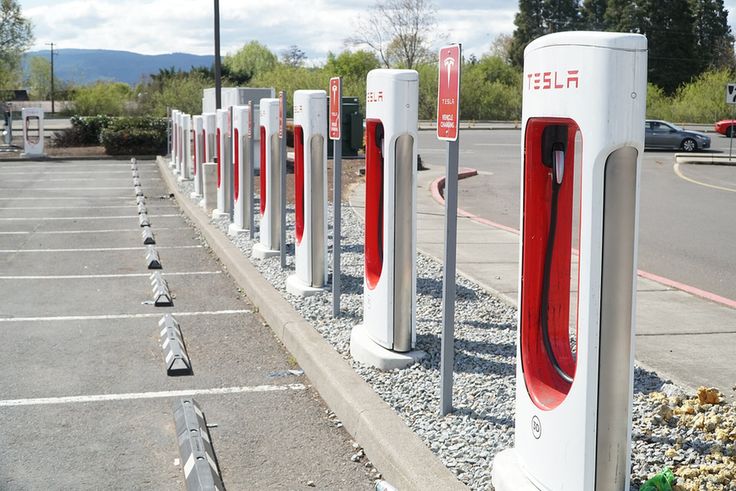
No negotiation does not mean no variation. Tesla prices move — just on Tesla's schedule, not yours. The levers that genuinely change your cost:
- Tesla's own price changes. Tesla raises and lowers list prices across the range, sometimes several times a year, usually without announcement. A buyer who can wait holds a real lever: the same Model 3 or Model Y may cost less next quarter. The risk cuts both ways — prices also rise, and popular configurations can sell out.
- Existing-inventory discounts. Tesla lists already-built cars on its website, and individual inventory vehicles are frequently discounted — display models, cars with mileage on them, and outgoing specifications most of all. This is the closest thing to a "deal" in the Tesla system, and it rewards flexibility on colour and options.
- Incentives and finance offers. Tesla periodically runs its own incentives: subsidised finance rates, lease offers, free charging periods and loyalty or referral benefits when programmes are running. These change constantly, so check the current offers on Tesla's official site on the day you order rather than relying on anything written here.
- State and local incentives. The federal clean vehicle credit ended for vehicles acquired after September 30, 2025, so do not let anyone price a Tesla for you today using a federal credit that no longer exists. Some states and utilities still offer their own EV incentives; the IRS clean vehicle credit page documents the former federal rules, and your state energy office is the source for what remains available locally.
- Your trade-in. Tesla accepts trade-ins, and the offer is a number you can compare. Getting one competing valuation before you accept costs nothing and is the one figure in a Tesla transaction you can still shop.
What You Give Up, and What You Gain
The honest trade-off deserves stating plainly. You give up the entire negotiator's toolkit: no competing dealers bidding the price down, no month-end quota pressure to exploit, no invoice figure to anchor an offer below sticker. If Tesla raises prices the week after you buy, that is the model working as designed, and if it cuts them the week after you buy, that is also the model — owners have experienced both.
What you gain is transparency of a kind the dealer system never offers. Every buyer in the country sees the same price for the same car on the same day. There is no finance-office upsell gauntlet of the traditional kind, no market-adjustment sticker, and no suspicion that the person before you paid less for the identical vehicle. The FTC's consumer guidance on buying a car exists largely to protect buyers inside the dealer system; much of it simply has nothing to protect you from at Tesla, because the pressure points it warns about are engineered out.
Comparing a Tesla With a Dealer-Sold Car
The comparison that matters is not Tesla's list price against a rival's MSRP — it is Tesla's list price against a rival's negotiated out-the-door price. A Model Y rival from a franchised brand carries an invoice price, holdback and incentives that a good negotiator converts into a selling price well below sticker. Run both cars through the same maths in our calculator: the Tesla at its fixed price plus destination, taxes and fees, and the rival at a realistic invoice-based target plus the same taxes and fees. Buyers are regularly surprised which side of that comparison wins, in either direction. For the dealer-brand method in full, start with MSRP vs invoice price, and for the opposite pricing extreme — a premium brand where the invoice exists but holdback does not — see our BMW invoice prices guide.
Frequently Asked Questions
What is Tesla's invoice price?
There is none. Invoice price is what a dealer pays the manufacturer, and Tesla has no dealers — it sells directly to you. Any site displaying a "Tesla invoice price" is showing an unofficial production-cost estimate, not a document that exists in Tesla's system.
Can you negotiate a Tesla price?
No. The price shown on Tesla's website and in its stores is fixed for every buyer, and delivery staff cannot discount it. The ways to pay less are timing a Tesla price change, choosing a discounted existing-inventory car, using an incentive Tesla is currently offering, or improving your trade-in valuation elsewhere.
Does Tesla have holdback?
No. Holdback is a manufacturer-to-dealer payment, and there is no dealer. Our guide to dealer holdback guide explains the mechanism Tesla's model removes entirely.
Why do Tesla prices change so often?
Because Tesla treats price as a direct demand lever: it adjusts list prices centrally to balance factory output against orders, instead of leaving thousands of dealers to discount individually. Prices can move up or down between the day you research and the day you order, which is why we print no Tesla prices in this guide.
The Bottom Line: Tesla Prices Explained Honestly
With Tesla prices explained as they actually work, the smart approach is patience and comparison: watch for Tesla's own price moves, check discounted inventory cars before ordering a build, confirm which incentives genuinely still apply, and always test the fixed Tesla price against the negotiated out-the-door price of a dealer-sold rival in the out-the-door calculator. Where a number exists, MyCarDiscount shows it before any form; where it does not — and Tesla is the clearest case — we say so. For the dealer-sold rivals, start with our guide to how Tesla pricing works and invoice pricing, then model the monthly in our Tesla prices calculator. Start at MyCarDiscount.com.


Get the number dealers start from.
Invoice, estimated true cost, out-the-door — before any dealer hears your name.