
BMW Invoice Prices: 3 Series, X3, X5 and i4 Compared
Every BMW invoice price tells only half the story: a BMW has an invoice price but no classic holdback underneath it — where a premium dealer's profit actually comes from is a different map entirely.
Key Takeaways
- BMW invoice price is what the dealer paid for that specific car, and it sits below MSRP like any other brand's.
- BMW has no classic holdback payment sitting underneath the invoice refunding part of the dealer's cost.
- Premium-brand invoice gaps differ from mainstream ones — the 3 Series, X3, X5 and i4 each tell a different story.
- Know where BMW dealer profit actually comes from before you frame an offer.
BMW invoice prices work differently from the invoice prices on a Ford or a Toyota, and understanding that difference is worth real money before you negotiate for a 3 Series, X3, X5 or i4. A BMW still has an invoice price — the amount the dealer paid BMW for that specific car — and it still sits below the MSRP on the window sticker. What BMW does not have is the classic holdback payment sitting underneath the invoice, quietly refunding part of the dealer's cost after the sale. This guide explains how BMW invoice prices are structured, where a BMW dealer's profit actually comes from, and how to use the invoice figure correctly on a premium brand.
Start with the makes index to find the BMW you want, then run any quote through the calculator before you talk numbers with a dealer.
BMW Invoice Prices at a Glance
| Item | What BMW buyers should know |
|---|---|
| Invoice price | What the dealer paid BMW for the vehicle as configured, including destination |
| Holdback | None — BMW runs no classic holdback programme (published charts agree; one dealer blog disagrees, see below) |
| Where dealer profit sits | In the MSRP-to-invoice spread itself, plus volume and customer-satisfaction bonus money |
| Margin character | Percentage spread is broadly comparable to mainstream brands, but the dollars are larger because prices are higher |
| Destination charge | Set by BMW, identical at every dealer on the same model, included in both MSRP and invoice |
| Best first step | Pull the invoice for your exact build, then compare out-the-door quotes from more than one BMW centre |
How BMW Invoice Prices Work
Every new BMW arrives at the dealership with a factory invoice listing the base invoice for the trim, the invoice cost of each factory option and package, and the destination charge. The window sticker is built from the same car at retail prices, so the spread between the two totals is the dealer's gross margin on the vehicle itself — before any bonus money, finance income or trade-in profit.
That structure sounds familiar, but one layer is missing compared with most brands. On a typical domestic or Japanese model, the dealer who sells at invoice still receives holdback afterwards, which is why dealer holdback matters so much in those negotiations. BMW does not pay a classic percentage holdback. Published holdback charts — AutoCheatSheet's current list and Autoblog's long-standing explainer alike — list BMW as a no-holdback brand, and BMW has historically structured dealer compensation around the margin built into the price list itself, supplemented by performance-based bonus programmes tied to sales volume and customer-satisfaction scores. The practical consequence: on a BMW, the printed invoice is much closer to the dealer's real vehicle cost than it is on brands where 2–3% of the price comes back later. Our pillar guide on whether invoice price is the dealer cost explains why that distinction changes how hard you can push.
In the interest of showing our work: one recent dealer blog (The Vantage Group Auto) describes BMW holdback as "varies, typically around 2%." That claim appears in no chart source we could find and conflicts with both of the guides above, so we do not use it. If a BMW-specific primary document ever surfaces, we will update this page — our methodology sets out how we handle figures we cannot corroborate.
BMW Invoice Prices by Model: 3 Series, X3, X5 and i4
BMW's US volume concentrates in four nameplates, and each behaves a little differently at the negotiating table:
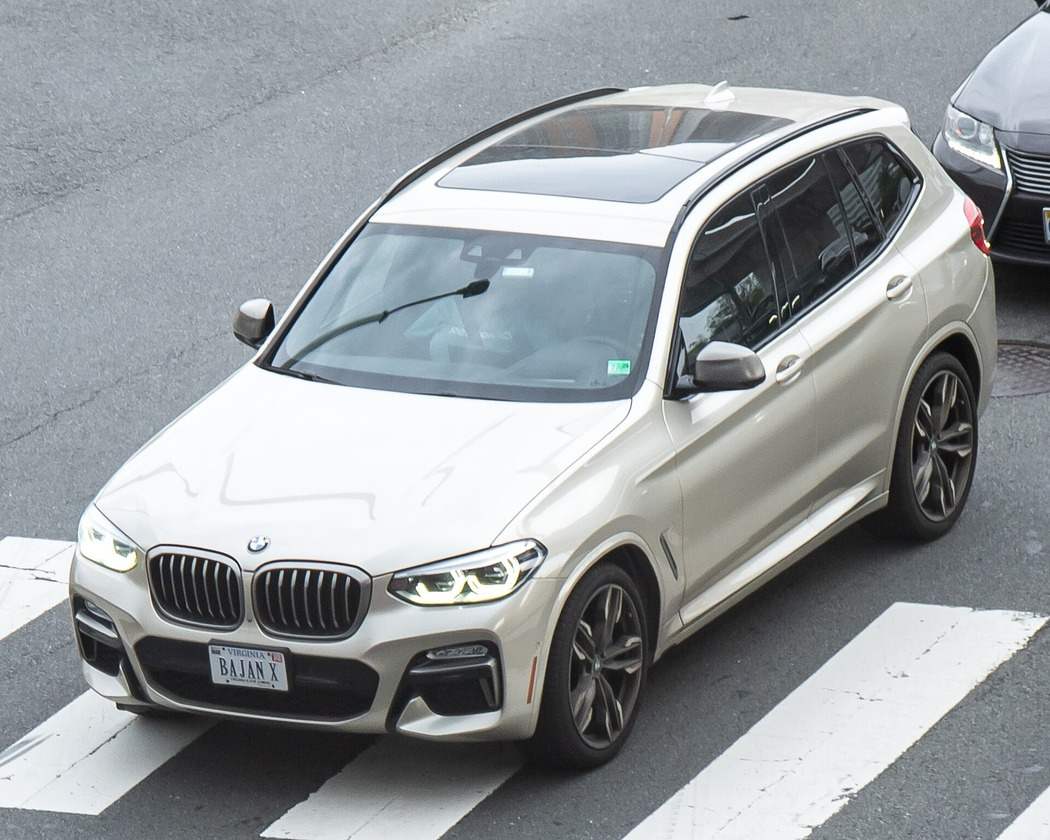
- 3 Series — the benchmark sports sedan (330i and M340i are the volume trims). Sedan demand is softer than SUV demand across the industry, and the 3 Series is where BMW dealers most often have room to move toward invoice.
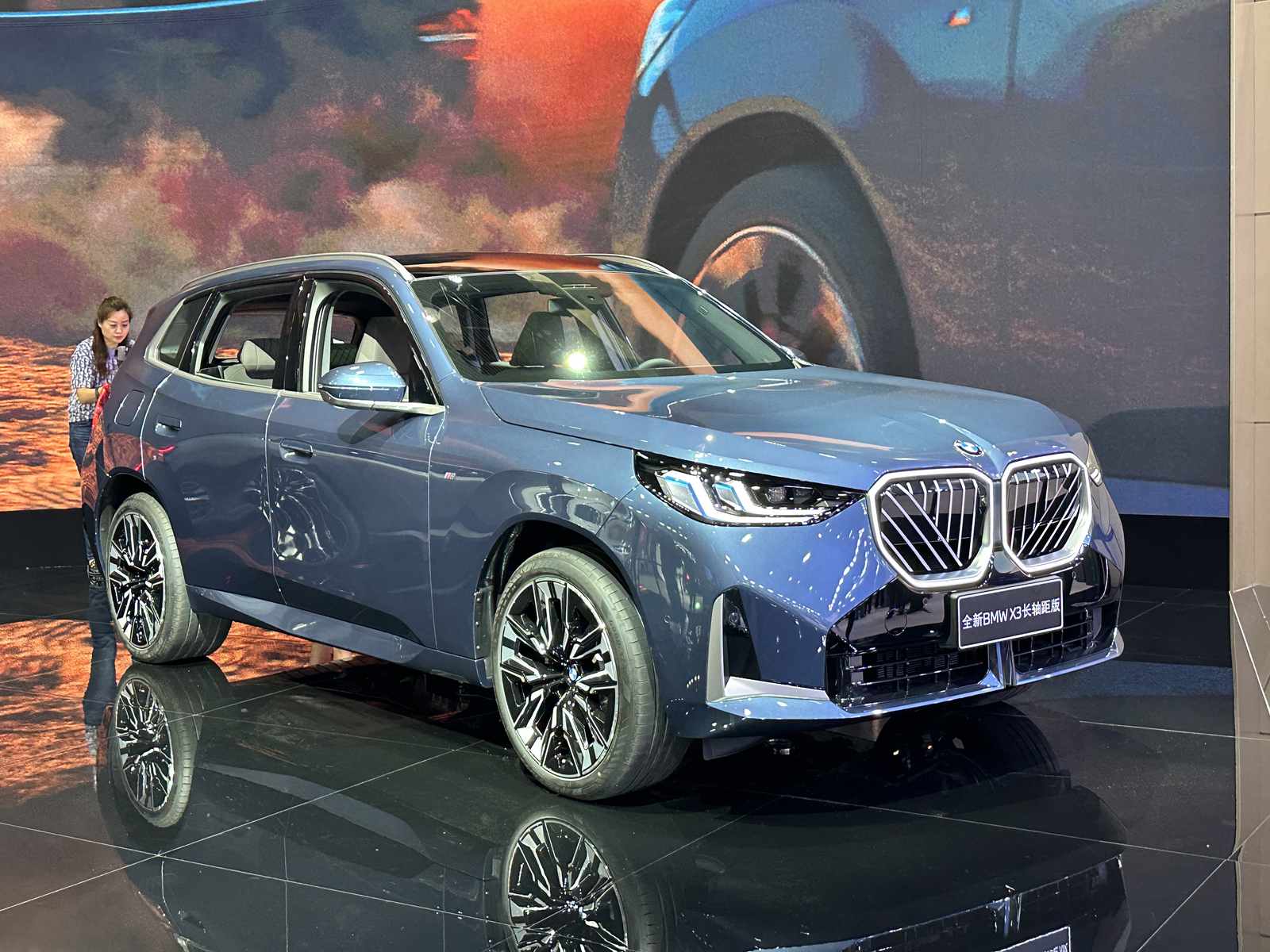
- X3 — BMW's best-selling SUV, redesigned recently, so early-run examples hold firmer pricing while outgoing model-year stock is where the flexibility appears.
- X5 — the profit centre of the range, including the xDrive50e plug-in hybrid. Higher prices and heavy option loads mean the largest dollar spreads between MSRP and invoice in the mainstream BMW line.
- i4 — the electric Gran Coupe (eDrive40 and M50). Electric models across the industry have seen the most aggressive factory support in recent years, so on the i4 the incentive layer often matters more than the invoice spread itself.
We publish the live figure for each model and trim on the invoice pricing page once our licensed data feed is live, rather than printing static dollar amounts here — BMW revises prices and option packaging during the model year, and a stale printed number would mislead you. If you are still learning the method, how to find invoice price on a car walks through the process step by step, and our overview of MSRP vs invoice price covers the underlying concepts.
Illustrative example — not a live price: take a hypothetical BMW with a total MSRP of $60,000. A mainstream brand paying 3% holdback would return $1,800 of that price to the dealer after the sale, on top of the invoice spread. BMW pays $0 in holdback on the same sticker — so a BMW dealer asked to match a "holdback-funded" discount is being asked to give up money that, on this brand, does not exist. The discount has to come out of the spread or out of bonus money the dealer expects to earn, which is exactly why BMW deals are negotiated differently.
Where BMW Dealer Profit Actually Comes From
If there is no holdback, how does a BMW centre make money on the car itself? Three places, and knowing them tells you where your leverage is:
- The spread. The gap between MSRP and invoice is the dealer's built-in margin on the vehicle. It is real money, and it is the first place a discount comes from.
- Performance bonuses. BMW pays dealers bonuses tied to monthly and quarterly sales targets and to customer-satisfaction results. A dealer one sale short of a target at month-end may rationally sell a car at or even below invoice to unlock bonus money worth far more than the loss on that unit. This is the premium-brand equivalent of holdback: invisible on the invoice, decisive in the negotiation.
- Factory incentives. BMW supports models with lease offers, finance rates and loyalty or conquest cash that change monthly and vary by model. Check the current manufacturer offers on BMW USA's official site before assuming any incentive exists on the car you want, and never let a dealer present a standard factory programme as a personal favour.
Negotiating a BMW With the Invoice in Hand
Because BMW invoice prices sit close to true vehicle cost, the method from our guide to negotiating from invoice price needs one adjustment: your target is a fair slice of the spread plus whatever factory support exists, timed to the dealer's bonus calendar. Work from the BMW invoice pricing on your build, and ask for the out-the-door figure in writing, compare at least two BMW centres on the identical build, and let the end of the month work for you. For a contrast in how a direct-sale brand handles pricing entirely differently, see our companion guide where Tesla prices are explained — no invoice, no dealers, no negotiation at all.
Frequently Asked Questions
Does BMW have dealer holdback?
No classic holdback programme. Published holdback charts list BMW as a no-holdback brand; the dealer's margin is built into the MSRP-to-invoice spread, with additional performance-based bonus money on top. One dealer blog claims a figure around 2%, but it is uncorroborated and conflicts with the chart sources, so we do not use it.
How much lower is the BMW invoice price than MSRP?
It varies by model, trim and option load, and BMW does not publish the figures. The honest answer is that the spread is meaningful in dollars on higher-priced models like the X5, and the only figure worth negotiating from is the live invoice for your exact build — which is why we show it per trim on our invoice pricing page rather than quoting a rule of thumb.
Can you buy a BMW below invoice?
Yes, it happens — most often on slower-selling sedans, outgoing model-year stock, or at month-end when a dealer is chasing a volume bonus that outweighs the loss on one car. It is the exception rather than the pattern, because without holdback there is less hidden money below invoice than on most mainstream brands.
Do BMW invoice prices include destination?
Yes. BMW sets the destination charge for each model, it is the same at every dealer, and it is built into both the MSRP and the invoice totals. It is not part of the dealer's margin, so negotiate the selling price and dealer-added items instead.
The Bottom Line on BMW Invoice Prices
BMW invoice prices are a cleaner number than most: with no holdback underneath, the invoice is close to the dealer's true vehicle cost, and the negotiation is about the visible spread, factory support and the dealer's bonus calendar. Pull the live BMW invoice price for your exact 3 Series, X3, X5 or i4 build on MyCarDiscount, build the out-the-door total, and make BMW centres compete on a number you already understand. Start at MyCarDiscount.com.
Get the number dealers start from.
Invoice, estimated true cost, out-the-door — before any dealer hears your name.