
Electric Car Buying Guide: Range, Charging and Total Cost
The ev buying guide short version: three questions decide whether an EV purchase feels ordinary or goes wrong: how much range your life actually needs, where the car will charge, and what it costs across the years you keep it.

Key Takeaways
- Answer three questions first: how much range your real week needs, where the car will charge, and the total cost over the years you will keep it.
- Range should be sized to your actual driving, not your longest imaginable trip.
- Charging is the question that decides everything — home charging makes EV ownership ordinary.
- Incentives in 2026 are narrower than they were — check what is actually still available.
This electric car buying guide is written for the buyer the EV market used to frighten off: someone who likes the idea of an electric car and wants the purchase to feel ordinary. It can. The technology is settled, the model choice is now wide, and the buyers who struggle with EVs are almost always the ones who bought before answering three questions — how much range their life actually needs, where the car will charge, and what the whole thing costs over the years they will keep it. Answer those first, with the facts below, and the rest of the purchase works like buying any other car.
Electric Cars at a Glance
| Model family | Best for | Watch out for |
|---|---|---|
| Tesla Model 3 and Model Y | The direct-sale benchmark, with the deepest fast-charging network access | Prices move without warning; no dealer negotiation exists |
| Chevrolet Equinox EV | The value-led mainstream route into a proper electric SUV | Confirm connector and network access for your model year |
| Hyundai IONIQ 5 and Kia EV6 | Fast charging and distinctive design on a shared platform | Peak charging rates need the right charger and conditions |
| Kia EV9 | The three-row electric option for families | Size and weight mean tires are a real running cost |
| Nissan Ariya and Honda Prologue | Dealer-sold alternatives with familiar showroom support | Stock and trim choice vary more by region |
Electric Car Buying Guide: Range for Your Real Week
Range anxiety is mostly a planning error. Start with your real pattern: the daily round trip, the longest regular weekly drive, and the two or three genuine road trips a year. An EV that covers the weekly pattern on a fraction of its battery, charged at home overnight, needs its full range only on those rare long days — and there, what matters is not the headline figure but the combination of efficiency, charging speed and the fast-charging network on your actual routes.
Use the EPA figure for the exact model and configuration you are buying, from fueleconomy.gov — wheel size, drivetrain and trim move the number materially, and the figure in an advertisement is usually the best in the range. Then apply two honest discounts in your head: cold weather and sustained high-speed driving both reduce real range, so a car whose rated range only just covers your longest regular day is a car that will occasionally not. Buy margin. The mainstream field — Tesla's Model 3 and Model Y, Chevrolet's Equinox EV, Hyundai's IONIQ 5, Kia's EV6 and EV9, Nissan's Ariya and Honda's Prologue among them — spans compact cars to three-row SUVs, so there is no longer a body-style excuse. Shoppers weighing a part-electric step instead should read our plug-in hybrid guide, and those comparing running costs our hybrid vs gas car breakdown.
Charging: The Question That Decides Everything
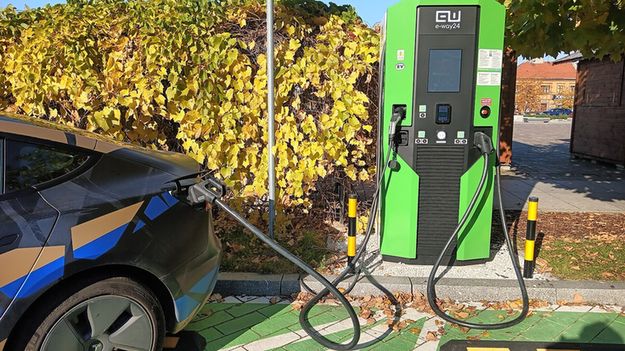
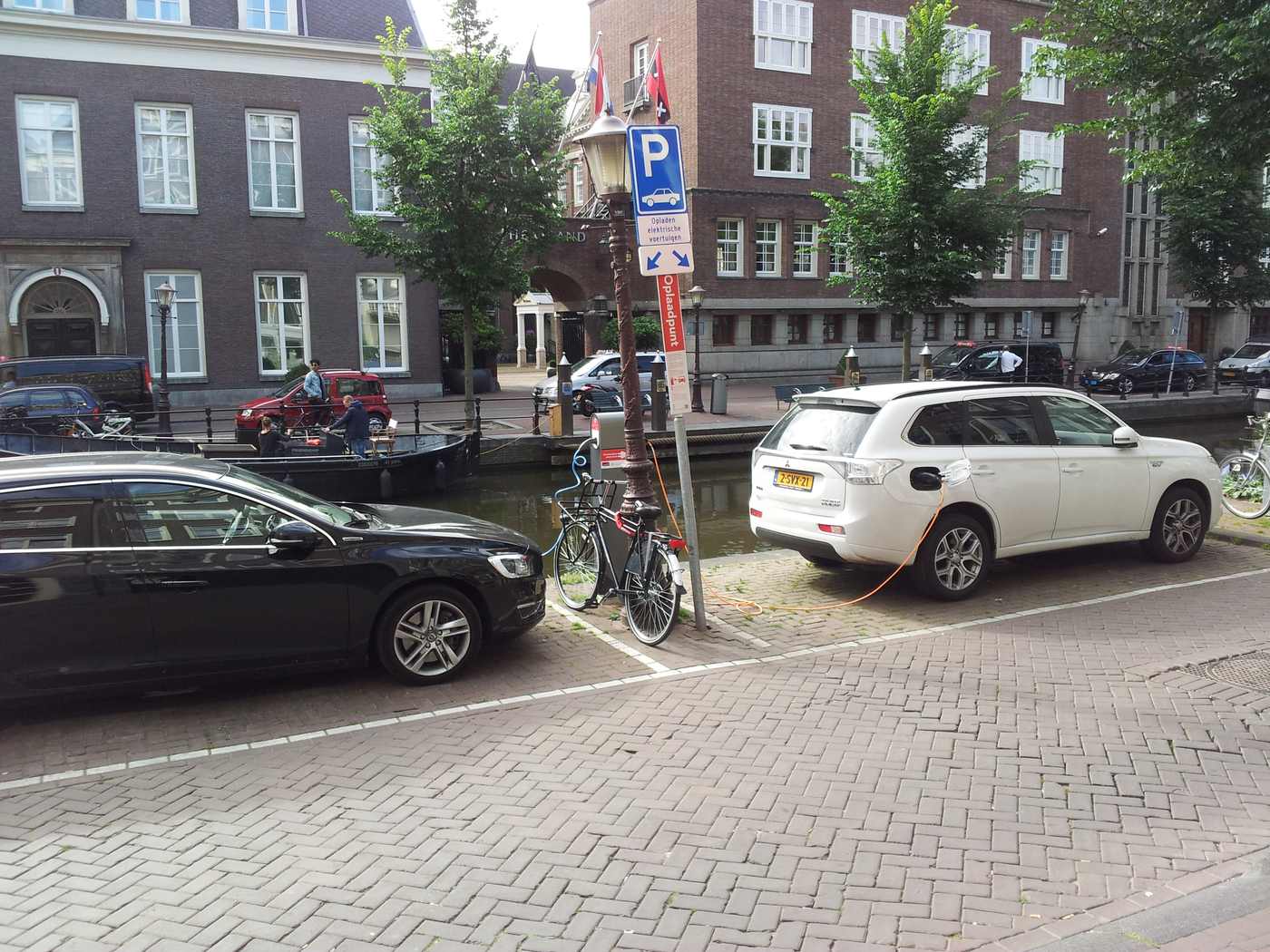
Where the car charges is the single best predictor of whether an owner loves an EV. If you have a driveway or garage, home charging on a Level 2 circuit turns fueling into a non-event — the car leaves full every morning and public charging becomes a road-trip-only topic. Our home EV charging guide covers installation, panel capacity and realistic costs in full. If you rent, or park on the street, the answer can still work — workplace charging, a reliable public fast charger on your routes — but it has to be a specific, verified answer, not a hope. Test it before you buy: drive your weekly pattern and use the chargers you would depend on.
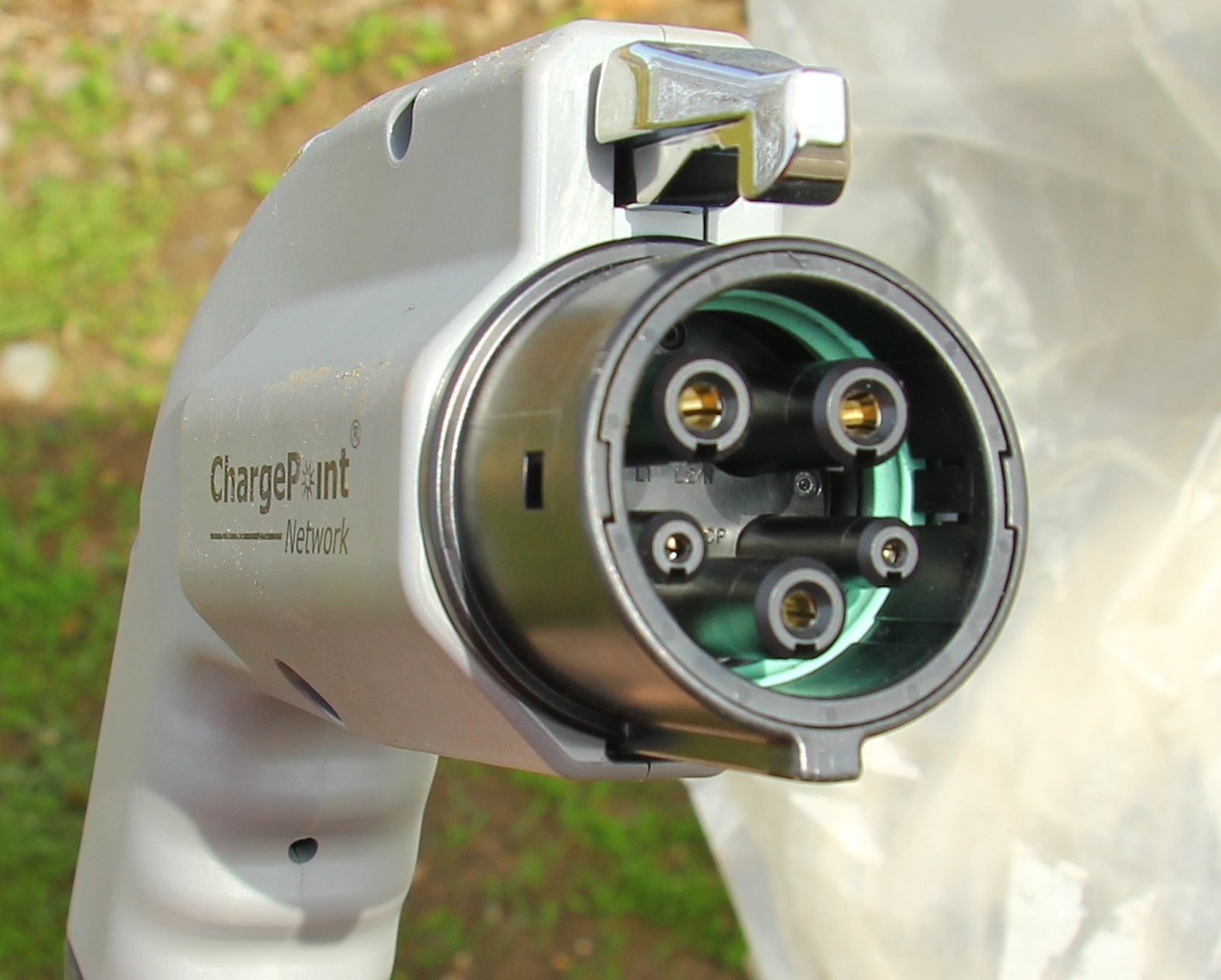
Two compatibility points belong on every shortlist. First, the connector transition: most new EVs sold in the US now use or are adopting the Tesla-style NACS connector, while earlier models use CCS — confirm what your car uses and which networks it can access, including whether an adapter is supplied. Second, charging speed is a specification with the same trap as range: the peak rate in the brochure is a best case, reached briefly under ideal conditions. What matters on a trip is how much range the car adds in a typical twenty-minute stop, and reviewers' charging tests of the exact model are a better guide than the headline number.
Electric Car Buying Guide: Total Cost and Battery Life
An EV's purchase price is only the opening line of its cost story. Energy per mile on home electricity usually undercuts gasoline substantially; maintenance sheds oil changes, belts and most brake wear (regenerative braking does the stopping), and adds tire wear as the main consumable — EVs are heavy and torquey, and tires are where the maintenance saving partly returns. Our true cost of owning a car framework applies unchanged; run the EV through it with your electricity price, not a national average.
Battery life, the fear that lingers longest, has the strongest formal protection of any component on the car: federal rules require the battery to be warranted for at least 8 years or 100,000 miles, and many makers cover more. What that warranty does and does not promise about capacity loss is worth understanding precisely, and our EV battery warranty explained post goes through it line by line. The everyday habits that protect a pack are simple — avoid living at a full charge or an empty one, and treat fast charging as a trip tool rather than a daily routine — and they are covered in the guide to home EV charging as well.
Incentives in 2026: What Is Actually Still Available
Be precise here, because stale incentive claims are the most common way EV buyers get misled. The federal clean vehicle credit ended for vehicles acquired after September 30, 2025. Any advertisement, dealer quote or article that prices a car today using a federal credit is working from an expired rulebook — our Tesla prices explained post documents the change, and the full history and remaining rules are in our EV tax credit explained guide. What does remain: state and utility incentives, which vary enormously by where you live and change on their own calendars — check your state energy office and your electricity provider for the current position, and treat any incentive as a bonus on a car that already makes sense without it.
The purchase process itself splits by brand. Tesla sells direct at a posted price that changes over time; nearly every other EV is sold through franchised dealers, which means the invoice-based method on this site applies to them exactly as it does to a gasoline car — pull the live figure on the electric car buyer guide invoice pricing page, build the out-the-door total in the electric car buying tips calculator, and let dealers compete on the written number. Our minivan buying guide aside, no class rewards that discipline more: EV asking prices moved around a great deal in the last two years, and a printed guide price — including ours — is no substitute for the live quote.
Frequently Asked Questions
How much range do I really need?
Enough to cover your longest regular day, with margin for cold weather and highway speeds, without thinking about it. Most households find their honest number is far below the largest battery on sale — and the smaller battery is cheaper, lighter and quicker to charge. Rent or borrow for the twice-a-year epic trip if the math points that way.
Can I own an EV if I cannot charge at home?
Yes, but only with a verified alternative: dependable workplace charging, or a fast charger genuinely on your routes that you have used and timed. Public-only charging costs more per mile and more time than home charging, so go in with both eyes open and the specific locations named — not a vague assurance that chargers exist.
How long does an EV battery last?
Longer than the fear suggests. The battery carries a federally required warranty of at least 8 years or 100,000 miles, degradation is gradual rather than a cliff, and the packs in modern EVs are engineered to outlast the car's typical first two owners. Read the warranty's capacity terms before you buy — they differ by brand.
Are there still tax credits for buying an EV?
Not at the federal level: the clean vehicle credit ended for vehicles acquired after September 30, 2025. Some states and utilities still run their own programs, so check your state energy office and power company for live offers — and never let a seller price a car for you using the expired federal credit.
The Bottom Line on Buying an Electric Car
A guide to buying an electric car reduces to three answers: buy range for your real week with margin to spare, know exactly where the car will charge before you sign, and run the total cost with your own energy prices and the incentives that actually exist today — which no longer include a federal credit. Do that, cross-shop the mainstream field the way a good EV buying guide should, and price your finalist with the live invoice and competing out-the-door quotes like any other car. That is this electric car buying guide in full. Start at MyCarDiscount.com.
Get the number dealers start from.
Invoice, estimated true cost, out-the-door — before any dealer hears your name.