
EV Battery Warranty Explained: Years, Miles and Degradation
EV battery warranty, in short: 'eight years, 100,000 miles' sounds like marketing; it is a legal floor — what it promises, how degradation cover works, and where brands genuinely differ beyond it.
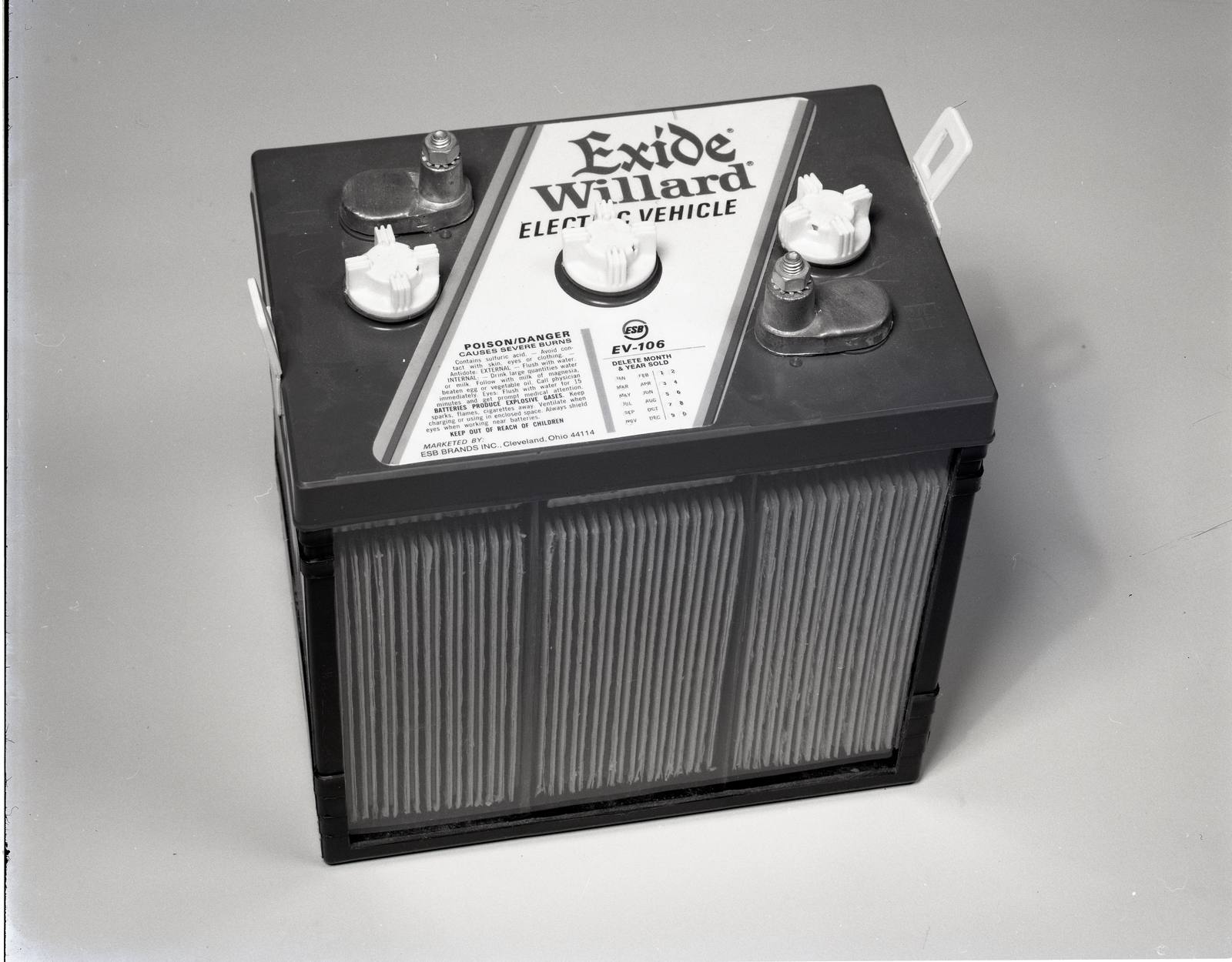
EV battery warranty explained in plain terms: the battery is the most expensive component in an electric car, so the warranty covering it matters more than any other line in the booklet. Buyers hear "8 years, 100,000 miles" so often that it starts to sound like marketing. It is not — it is a legal floor. This guide explains what that minimum actually promises, how degradation cover works in practice, where brands genuinely differ, and what the warranty does not cover, so you can compare two EVs on the protection behind the range figure.
EV Battery Warranty at a Glance
| Element | What it usually means |
|---|---|
| Minimum term | 8 years or 100,000 miles, whichever comes first — the federal floor |
| Defect cover | Manufacturing defects and failures in the pack and its components |
| Degradation cover | Many brands add a capacity promise, commonly retention of at least 70 percent |
| Remedy | Repair, replacement with a refurbished pack, or replacement — at the manufacturer's choice |
| Transferability | Cover normally follows the car to the next owner for the remaining term |
| Common exclusions | Accident damage, flooding, unauthorized modification, misuse |
EV battery warranty explained: the federal minimum
The starting point is the floor every manufacturer must meet. How long is an EV battery warranty? At the minimum, per the US Department of Energy, EV batteries must be warranted for at least 8 years or 100,000 miles. That minimum exists because regulators treat the traction battery as core emissions-related equipment: an EV whose battery fails early delivers none of its environmental benefit. Every EV on sale in the United States meets this floor, and some states and brands go beyond it.
Two details of the floor are widely misunderstood. First, years and miles are a whichever-comes-first pair: a high-mileage driver can exhaust the mileage limit in five years, and a low-mileage driver hits the year limit with miles to spare. Second, the clock starts at the car's original in-service date — the day the first owner took it — not the day you buy it used. A three-year-old EV has five years of its federal-floor cover left, whatever the seller tells you.
Defects versus degradation: two different promises
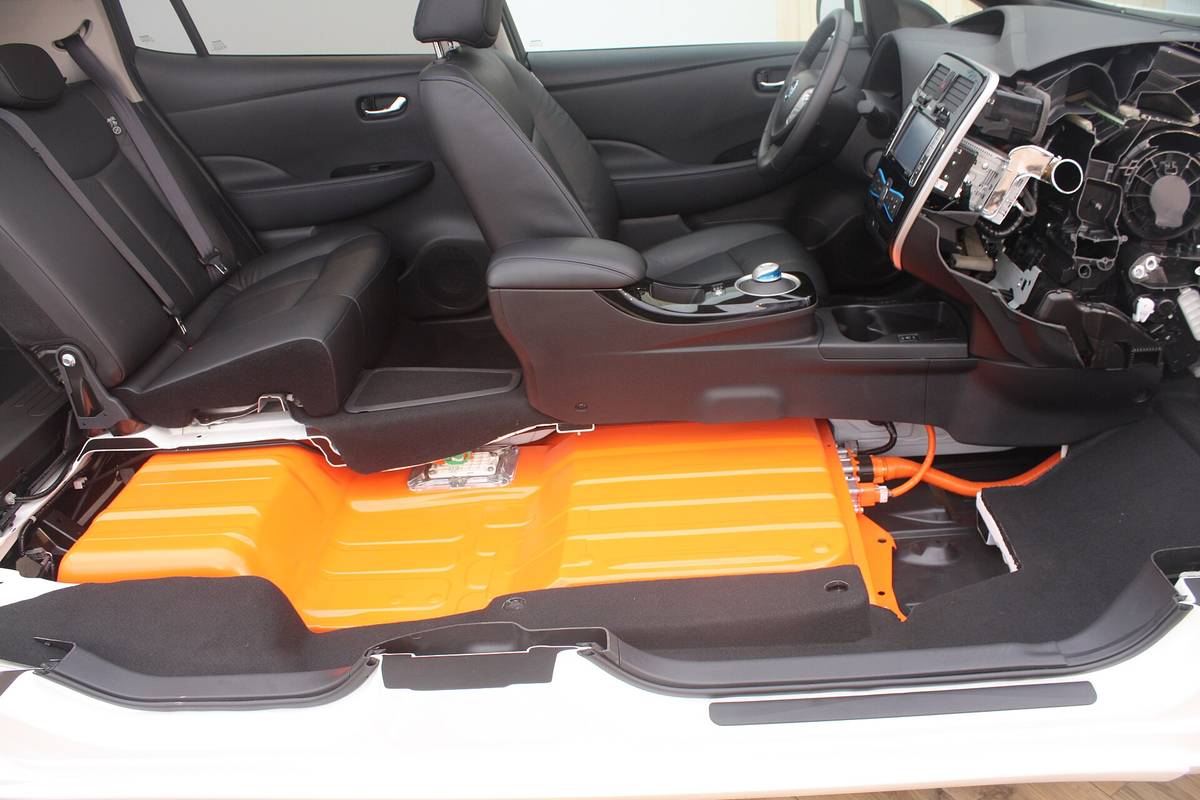
A battery warranty makes two distinct promises, and only the first is universal. The defect promise says that if cells, modules or the pack's electronics fail through a manufacturing fault, the manufacturer repairs or replaces them. That is standard and rarely disputed.
The degradation promise is narrower and brand-specific. Batteries lose capacity with age and use; the question is how much loss the warranty tolerates before it counts as a fault. Many manufacturers set that line at 70 percent of original capacity during the warranty period: fall below it and the pack is repaired or replaced; sit above it and the loss, however noticeable, is considered normal wear. Some brands publish no capacity threshold at all, covering defects only. Read the warranty booklet for the exact car — the threshold, or its absence, is one of the most meaningful differences between brands, and our home EV charging guide covers the habits that slow degradation in the first place.
Proving a degradation claim also has a practical side. Capacity is measured by the manufacturer's diagnostic process, not by the range estimate on your dashboard, which moves with weather, speed and terrain. Expect a dealer test, and expect borderline results to be argued over.
How brands differ beyond the floor
Once the floor is met, brands compete on the margins. Some offer longer battery terms on particular models. Some states with stricter emissions rules have historically required longer cover on certain components, which can extend the protection on cars first sold there. Commercial use, rideshare and delivery driving may be excluded or shortened by some brands. Plug-in hybrids carry the same style of battery cover as full EVs, scaled to their smaller packs.
The honest way to compare is a short checklist applied to the warranty booklet of each car you are serious about: the years and miles, the capacity threshold if any, whether cover transfers to a second owner in full, and any use exclusions. Our methodology page explains how we read manufacturer documents, and the same discipline applies to your own shortlist. Where a salesperson quotes a battery term from memory, ask for the booklet — the written term is the only one that exists.
What the warranty does not cover
No battery warranty covers everything. Damage from collisions, flooding or fire is an insurance matter, not a warranty claim. Capacity loss above the brand's threshold is wear, not a defect. Modifications to the battery, cooling system or charging hardware can void cover for related failures. Fast charging, heat and high states of charge accelerate ageing but do not void the warranty — they simply move you closer to the threshold the warranty tolerates.
There is also a remedy limit worth understanding. If a pack qualifies for replacement, the manufacturer chooses the remedy, and a refurbished pack meeting the warranted capacity standard is a common outcome. The promise is a working battery at or above the guaranteed level, not a brand-new pack.
If you are cross-shopping a used EV against a new one, our comparison of new car vs used car costs covers the wider trade-off, and Tesla prices explained shows how the largest direct-sale EV brand structures its cover and pricing.
Frequently asked questions
What happens if my EV battery fails just outside the warranty?
The repair bill falls to you, and pack-level work is expensive. In practice, manufacturers sometimes offer goodwill help or a refurbished-pack price rather than a new-pack price, and independent specialists are growing. This is exactly why the remaining warranty term should be priced into any used EV purchase.
Does the battery warranty transfer to a second owner?
Usually, yes. Battery cover normally follows the car for the remainder of the original term, which is part of what supports used EV values. Confirm the transfer terms in the booklet for the specific car, because a few brands attach conditions or shorten cover for later owners.
How can I check how much battery warranty is left on a used EV?
Start with the in-service date and current mileage, which any franchised dealer for the brand can confirm from the VIN. Then compare against the warranty term for that model year. A dealer health report can also show measured battery state of health before you buy.
Will fast charging void my battery warranty?
No. Using DC fast chargers does not void battery cover. It can accelerate capacity loss over years of heavy use, which matters because loss above the brand's degradation threshold is treated as wear rather than a defect — but the warranty itself remains in force.
Conclusion: EV battery warranty explained simply
EV battery warranty explained, in the end, is a short story: a federal floor of 8 years or 100,000 miles that every EV meets, a defect promise every brand makes, and a degradation promise that varies — commonly a 70 percent capacity line — and rewards the buyer who reads the booklet. Compare those four numbers on any two EVs and you know more about your long-term protection than any range figure tells you — sense-check the price against our ev battery warranty explained invoice pricing guide and run the total in our ev battery warranty calculator. Start at MyCarDiscount.com.

Get the number dealers start from.
Invoice, estimated true cost, out-the-door — before any dealer hears your name.