
Jeep Buying Guide: Wrangler, Grand Cherokee and Compass
The Jeep car buying guide short version: two brands wear one badge: icons that hold value fiercely and rarely discount, and volume SUVs moved by some of the heaviest incentive programmes in the industry.
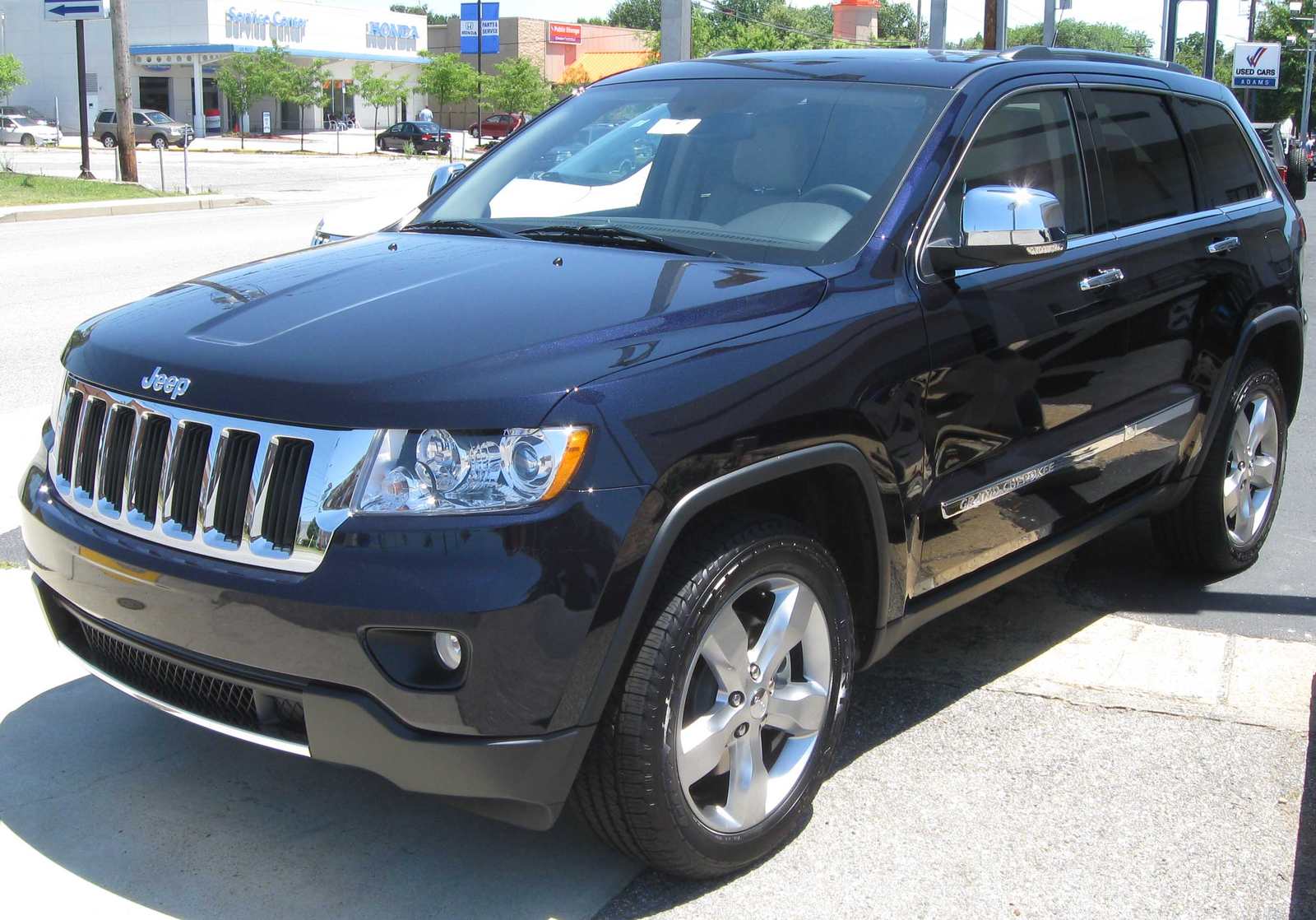
This Jeep buying guide exists because Jeep is really two brands wearing one badge. On one side sit the icons — Wrangler and its pickup sibling Gladiator — which hold their value fiercely and rarely need help selling. On the other side sit volume SUVs like Compass and Grand Cherokee, which move through some of the heaviest factory incentive programs in the industry. Which Jeep you want decides almost everything about how you should buy it.
You will find no per-model prices here, and no promised discounts. Instead, the guide maps the current lineup, explains the one dealer-cost figure we can state for Jeep, describes where discount depth actually comes from at this brand, and shows you how to verify the exact invoice on the Jeep you are considering. Whatever figure a dealer quotes you, judge it on the full out-the-door total.
Jeep buying guide: the lineup map
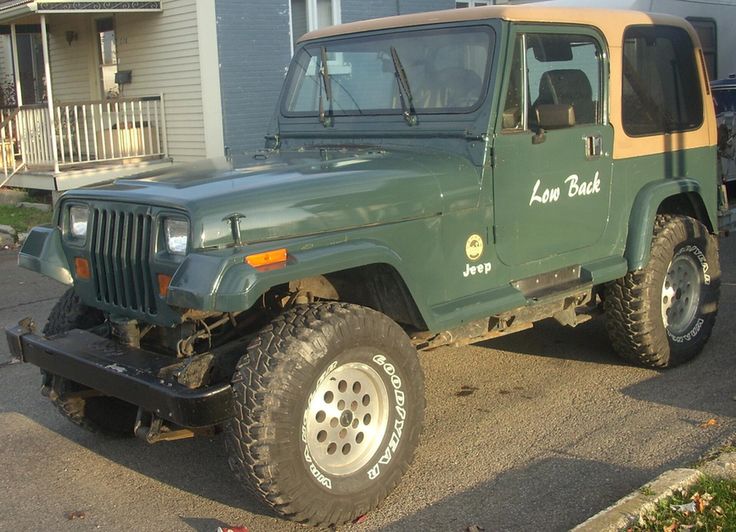
The current range sorts by job; read the table as a map of the range, not a price list.
| Segment | Key models | Who they suit | Discount character |
|---|---|---|---|
| Icons | Wrangler, Gladiator | Off-road buyers, open-air drivers, resale-focused owners | Tightest pricing in the range; scarce trims defended hardest |
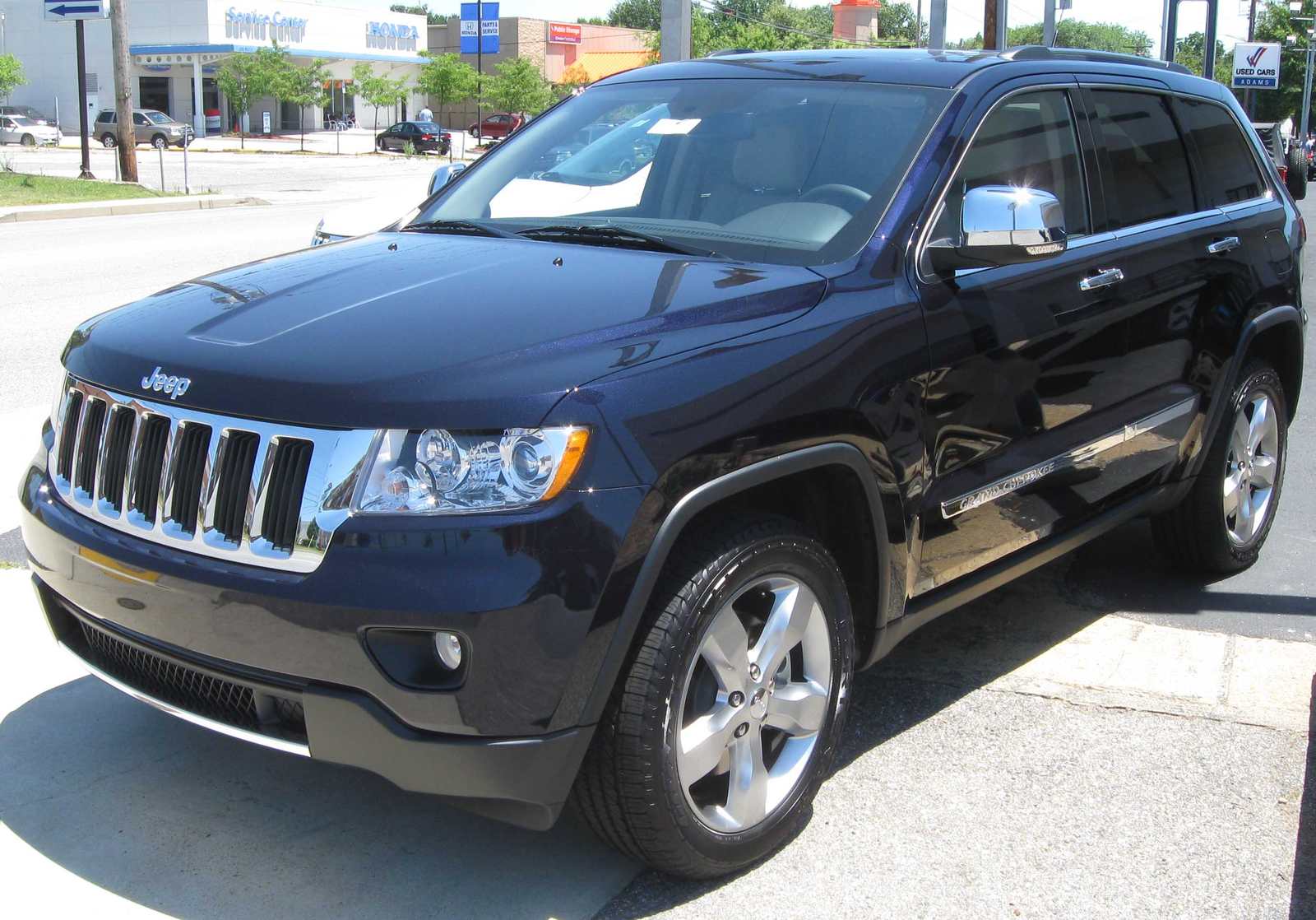
| Compact and midsize SUVs | Compass, Cherokee, Grand Cherokee, Grand Cherokee L | Daily drivers and families wanting Jeep styling with road manners | The incentive center of the brand; depth varies sharply by model year and stock age |
| Full-size SUVs | Wagoneer, Grand Wagoneer | Buyers needing three rows and towing capacity at luxury-adjacent prices | Large stickers mean large swings; supported configurations move, loaded fresh stock holds |
| Electric | Wagoneer S (Recon announced, not yet on sale) | Buyers wanting Jeep capability without gasoline, in newer low-volume nameplates | Launch-phase pricing; treat early offers cautiously and compare widely |
A few line-up notes that matter for 2025–2026 shoppers. The Cherokee nameplate returns for 2026 as a hybrid-powered SUV slotting above the Compass — the brand's one genuinely new powertrain story this year, and a useful counterweight to the 4xe's departure. The Wrangler line runs from the Sport through Willys and Sahara to the Rubicon family, with the V8 Rubicon 392 at the top. The 4xe plug-in hybrid versions of the Wrangler and Grand Cherokee ended after the 2025 model year, so any 4xe you find is leftover 2025 stock (the next section covers how to buy a Jeep on leftover terms). Grand Cherokee otherwise comes as a two-row and as the three-row Grand Cherokee L. Our Jeep invoice prices companion post covers the invoice structure behind these models in depth.
How Jeep pricing and holdback work
Every Jeep's price is built the same way: a base MSRP for the trim, factory options and packages at retail prices, and the destination charge, which Stellantis sets and which appears in both the MSRP and the invoice. The dealer's printed invoice sits below the sticker, and below the invoice sit factory-to-dealer incentives and holdback.
Holdback is the amount the manufacturer returns to the dealer after the sale. Published holdback guides put Jeep holdback at 3% of total MSRP — the total sticker including options, which is the more generous basis. One franchised Stellantis dealer's own explainer adds a caveat worth knowing: each Stellantis brand sets its own formula, typically somewhere in a 1–3% range. We use 3% of total MSRP as the published figure and disclose the range, because holdback is never published by the manufacturer for consumers. Read what is dealer holdback for how the payment works, and is invoice price the dealer cost for why invoice still is not the dealer's floor.
At Jeep, though, holdback is the smaller story. The bigger one is factory incentive money, which at this brand can swing a model's real transaction price far more than the invoice-to-MSRP gap. That is why the exact, current figures belong in a live lookup on our jeep buyer guide invoice pricing page rather than printed in a static guide.
Where discounts hide: patterns, not promises
Jeep discount depth is a pattern, and it is unusually legible once you know what drives it.
- Model-year timing. Jeep supports outgoing model-year stock hard. When the new model year lands, the previous year's Compass and Grand Cherokee inventory is where factory money concentrates.
- Days on the lot. A Jeep that has sat unsold while identical units turned over is a Jeep the dealer wants gone. Stock age is the single most reliable room-maker at volume dealers.
- Configuration. Slow colors, unpopular option loads and odd specification combinations discount; the exact build everyone wants does not.
- The icon exception. Wrangler — especially Rubicon and 392 builds — behaves like a different brand: strong resale values support firm pricing, and discount depth is thinner even when incentives exist elsewhere in the showroom.
- Big-sticker SUVs. Wagoneer and Grand Wagoneer carry the largest dollar margins in the range, so the spread between a supported offer and a full-price ask can be wide in either direction. Compare more dealers on these, not fewer.
Our Jeep Wrangler invoice price post shows how these patterns play out on the icon itself, and new car rebates and incentives explains how to check which programs apply to a specific vehicle rather than a headline ad.
The 4xe factor: leftover stock, different rules
The 4xe plug-in hybrid versions of the Wrangler and Grand Cherokee ended after the 2025 model year, when Stellantis discontinued its North American plug-in hybrid range for 2026. No new 4xe is being built; what remains on dealer lots is leftover 2025 stock — and leftover stock of a discontinued powertrain is a distinct buying situation, with its own risks and its own leverage. Two things carry over from the 4xe's time as a current model. First, 4xe stock carries its own incentive programs, which do not always mirror the gasoline versions of the same trim — a leftover 4xe can be the supported configuration in a month when the equivalent gasoline model is not, and the reverse happens too. Second, lease structures on plug-in hybrids have historically been shaped by federal clean-vehicle rules that treat leased vehicles differently from purchased ones, so the lease-versus-buy comparison on a remaining 4xe deserves its own run through the numbers rather than an assumption. One check is specific to this stock: the 4xe models were hit by a battery-fire recall and a stop-sale, so before signing for any leftover 4xe, get written confirmation that the recall remedy has been completed on that specific vehicle. Compare a leftover 4xe against the gasoline version of the same trim, on an out-the-door basis, in the calculator before you decide the hybrid premium is or is not worth paying.
Your buying playbook
- Fix the model and trim first, using the map above and the trims listed on our Jeep make page. Discount patterns differ too much by model for a brand-level negotiation to make sense.
- Pull the invoice for that exact configuration from the invoice pricing tool, then read the companion Jeep invoice prices post for the brand context.
- Check current factory programs against the specific stock near you — model year, powertrain and days on lot decide eligibility more than the headline offer does.
- Build the out-the-door total in the jeep buying tips calculator and ask up to three named dealers to compete on that figure, as how to get dealers to compete sets out.
Frequently asked questions
Which Jeeps discount deepest?
As a pattern, the volume SUVs — Compass and Grand Cherokee, especially outgoing model-year and long-sitting stock — carry the deepest factory support in the range. Wrangler discounts thinnest, because demand and resale values stay strong. Depth follows the individual vehicle's age and configuration, not a fixed amount per model.
Is a leftover 4xe worth it over the gasoline version?
It can be, if the specific car checks out. The 4xe ended after the 2025 model year, so you are buying leftover stock: electric-only running for short trips and its own incentive structure, set against a price premium when new and a battery recall whose remedy you should confirm — in writing — on the exact vehicle. Compare the leftover 4xe against the gasoline version of the same trim, out-the-door, and check whether lease or purchase treatment favors the hybrid before deciding.
Does holdback mean a Jeep dealer can always sell below invoice?
No. Holdback at Jeep is published at 3% of total MSRP, with a disclosed caveat that per-brand formulas typically sit in a 1–3% range. It is one layer below invoice, alongside whatever incentive money applies to that vehicle. It is context for a confident offer, not a sum you can demand.
What warranty does a new Jeep carry?
Jeep's standard coverage is a 3-year/36,000-mile basic limited warranty and a 5-year/60,000-mile powertrain warranty on gas models, with hybrid components on 4xe models covered under their own longer terms. Confirm the exact coverage for your model year on Jeep's site before you buy, and weigh any dealer-sold extension against the factory terms.
Conclusion: putting this Jeep buying guide to work
A Jeep car buying guide is really two guides: one for the icons, where patience and configuration choice matter more than discount hunting, and one for the volume SUVs, where timing, stock age and factory programs decide the deal. Put this Jeep buying guide to work by first working out which family your Jeep sits in, pull the live invoice for your exact trim on MyCarDiscount, and let named dealers compete on an out-the-door number you already understand. Start at MyCarDiscount.com.

Get the number dealers start from.
Invoice, estimated true cost, out-the-door — before any dealer hears your name.