
Best Affordable Electric Cars Under $40,000, Ranked by Range
Top affordable electric cars no longer need a subsidy to make sense: the tax credit is gone, so manufacturers now have to build a genuinely cheap EV instead of a subsidised one — five start under $40,000, ranked by range per dollar.
Key Takeaways
- Five models start under $40,000 on published MSRPs now that the federal credit has ended.
- Rankings here run on range per dollar first, with charging speed and warranty as the deciding context.
- Manufacturers now have to build a genuinely cheap EV instead of a subsidised one.
- Every price in this guide is a published MSRP, not a post-credit figure.
The best affordable electric cars used to be a tax-credit story: the interesting prices started after a $7,500 federal credit did its work. That credit ended for vehicles acquired after September 30, 2025, and the market that replaced it is more honest — manufacturers now have to build a genuinely cheap EV instead of a subsidized one. The result is a short, strong list. Five models start under $40,000 on their published MSRPs, and this guide ranks them the way the title promises: by range per dollar first, with charging speed and warranty coverage as the deciding context. Every price below is a starting MSRP as the manufacturer publishes it, before destination unless stated — and none of them assumes a credit that no longer exists.
Best Affordable Electric Cars, Ranked by Range per Dollar
Range per dollar is the cleanest single measure of an affordable EV: divide the EPA range by the starting MSRP and you get how much electric driving each thousand dollars buys. On the figures checked in October 2026:
| Rank | Model (entry trim) | Starting MSRP | EPA range | Miles per $1,000 | DC fast charging |
|---|---|---|---|---|---|
| 1 | 2026 Nissan LEAF S+ | $29,990 | 303 miles | About 10.1 | Up to 150 kW, native Tesla-style NACS port |
| 2 | 2027 Chevrolet Bolt | $28,995 including destination (about $27,600 before it) | 262 miles | About 9.5 | Up to 150 kW, about 10–80% in 26 minutes |
| 3 | 2026 Chevrolet Equinox EV | $34,995 | 319 miles | About 9.1 | Up to 150 kW |
| 4 | 2026 Tesla Model 3 Standard | $36,990 before fees | 321 miles | About 8.7 | Tesla Supercharger network |
| 5 | 2026 Tesla Model Y Standard | $39,990 before fees | 321 miles | About 8.0 | Tesla Supercharger network |
Two honesty notes on the table. First, the price bases differ slightly by brand — the Bolt's headline figure includes destination while the others are MSRP before it, which is why the Bolt's row shows both numbers; the ranking uses the pre-destination basis throughout so the arithmetic is consistent. Second, destination and fees move every one of these cars upward: the Model Y Standard's $39,990 becomes $41,630 once Tesla's destination and order fees are added, so on a true out-the-door basis it crosses the $40,000 line its sticker sits under. Run any of them through our top affordable electric cars calculator with your local taxes before treating the headline price as your price.
The Five Cars, Briefly and Honestly
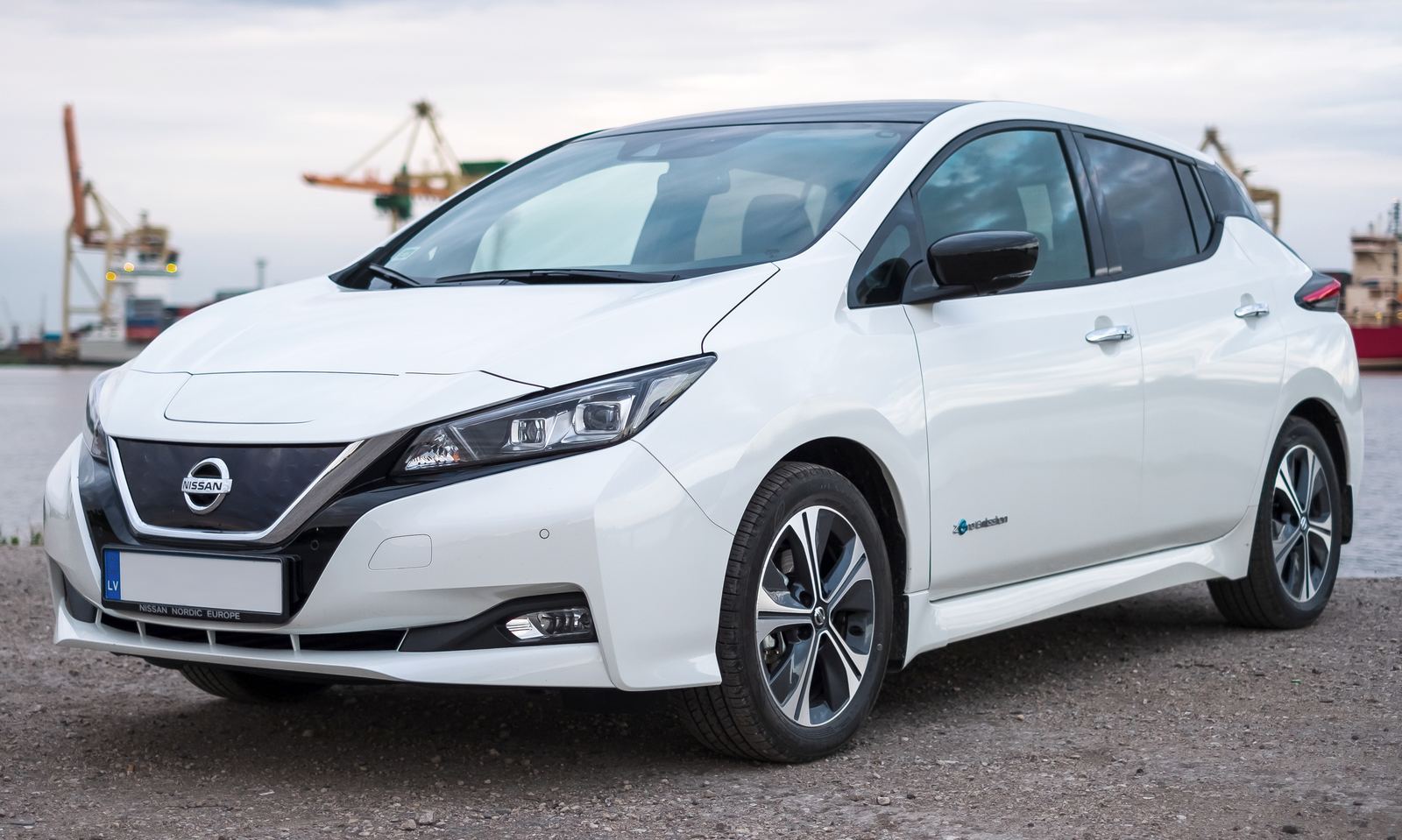
Nissan LEAF S+ — the range-per-dollar winner. The redesigned 2026 LEAF is a crossover now, and its base S+ trim is the value story of the segment: 303 miles of EPA range at the lowest MSRP on this list, a native NACS port that opens Tesla's Supercharger network, and liquid-cooled battery technology replacing the old car's air-cooled pack. Higher trims trade range for equipment, so the base car is genuinely the one to buy.
Chevrolet Bolt — the cheapest way in. The returning 2027 Bolt undercuts everything on transaction price: $28,995 including destination, 262 miles of range, and fast charging roughly three times quicker than the original Bolt's. Chevrolet describes it as a limited run, which cuts both ways — strong value while it lasts, and a reason not to assume it will be sitting there next year.
Chevrolet Equinox EV — the most range here, in a real SUV shape. At $34,995 before destination, the front-wheel-drive Equinox EV delivers 319 EPA miles in a conventional compact-SUV body with a conventional dealer network behind it. It is the pick for buyers who want one car to do everything and are willing to pay a few thousand over the Bolt for the space.
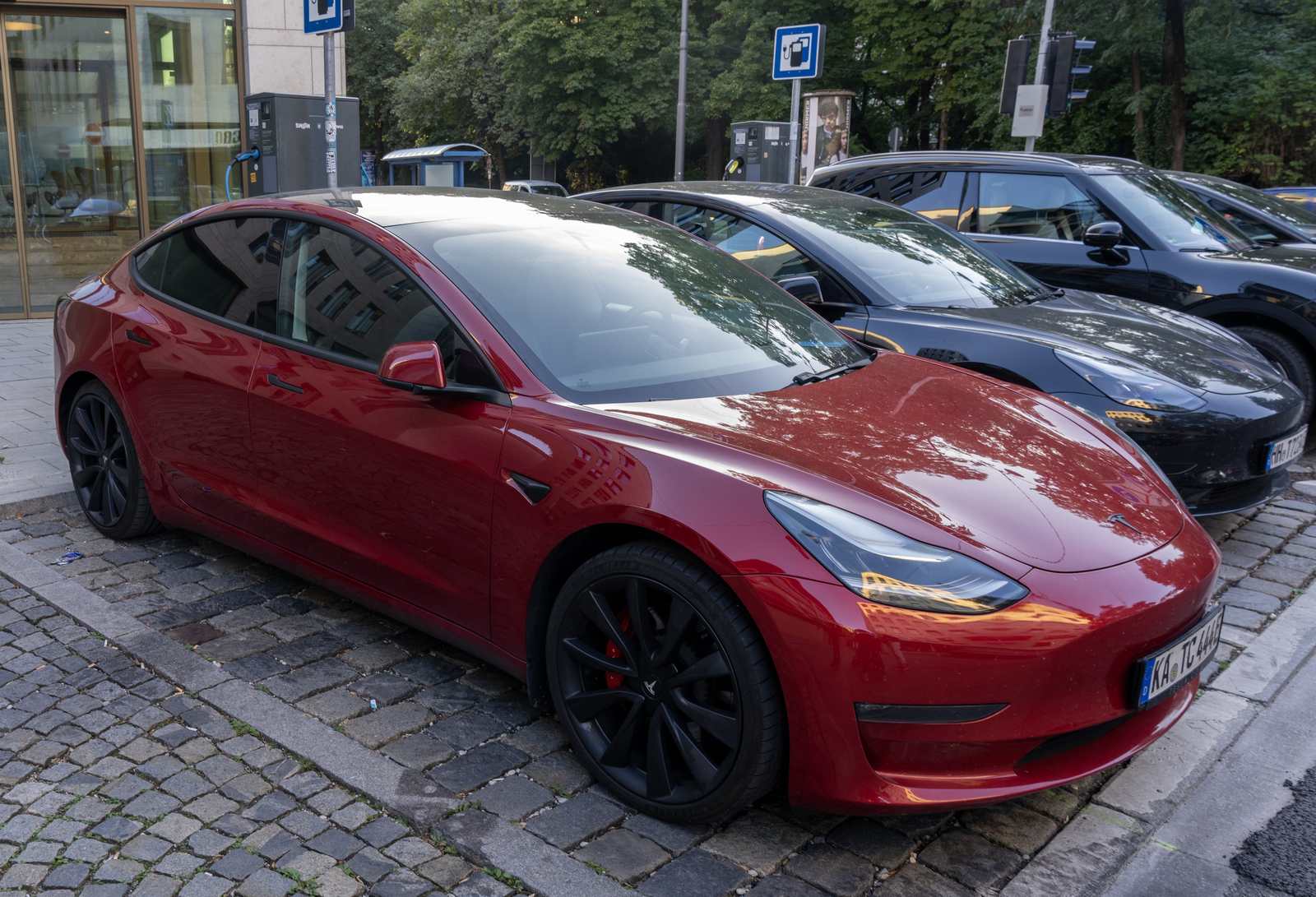
Tesla Model 3 Standard — the efficiency and network pick. The Standard trim that arrived in late 2025 brought the Model 3 back under $40,000 before fees, with 321 miles of range and the Supercharger network as standard equipment in all but name. Our Tesla buying guide covers how its fixed, no-negotiation pricing works, and Tesla prices explained covers why there is no invoice figure behind it.
Tesla Model Y Standard — the boundary case. Same 321-mile range and network as the Model 3 in the crossover body most families want — but read the fee note above before calling it a sub-$40,000 car, because with mandatory fees it is not one. It earns its place on space and resale strength, not on price purity.
Charging Speed and Warranty: The Tie-Breakers

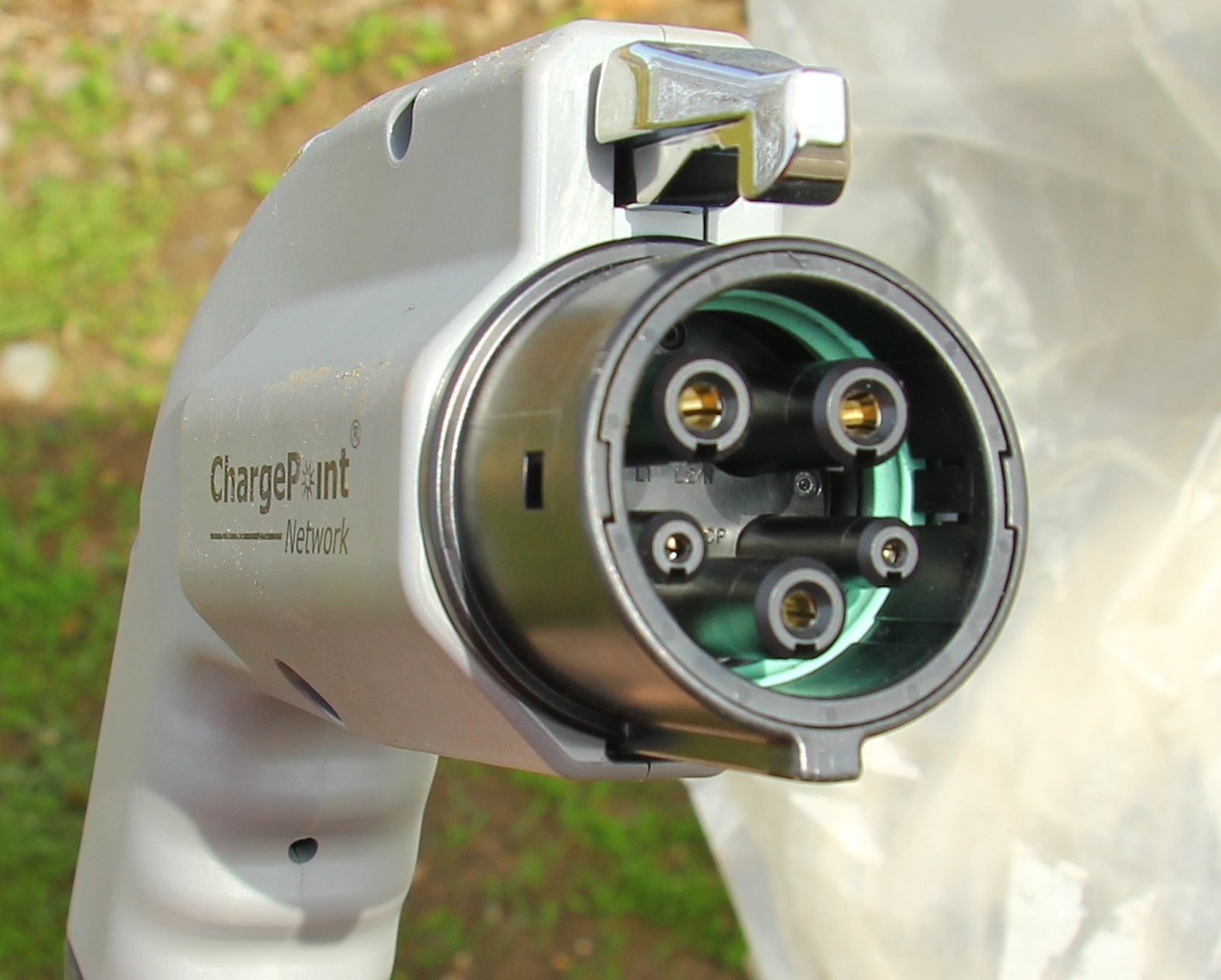
Charging separates these cars less than it used to. The LEAF, Bolt and Equinox EV all peak at up to 150 kW on a DC fast charger — enough for roughly a 10-to-80-percent charge in around half an hour under good conditions — and all three now use or accept the NACS standard that opens the Supercharger network. The Teslas charge on that network natively and remain the easiest road-trip cars here, less for peak speed than for the number and reliability of the plugs. For the 95 percent of charging that happens at home, all five are equal: a Level 2 charger refills any of them overnight, as our home EV charging guide lays out.
Warranty coverage is a genuine tie. Every model here sits on the same federal floor — a battery warranty of at least 8 years or 100,000 miles — and Nissan, GM and Tesla all publish battery terms at that level for these cars. The differences live in the degradation thresholds and the fine print, which is why our EV battery warranty explained guide is worth reading before you treat any of them as better covered than the others.
What the End of the Credit Changed — and What It Didn't
A year ago this list would have been written backwards, ranked by post-credit prices that assumed $7,500 of federal help. That era is over, and our EV tax credit explained guide documents how it ended and what, if anything, your state still offers. The useful surprise is how little the entry point moved: the LEAF and Bolt were re-engineered to be cheap without the credit, the Equinox EV was priced to lead its class before the credit vanished, and Tesla answered with the Standard trims. If you are beginning the EV decision from the top, our best affordable electric cars guide covers range, charging and total cost in one place — then come back here and spend the ranking.
Frequently Asked Questions
What is the cheapest new electric car in the US?
By transaction price, the 2027 Chevrolet Bolt: $28,995 including its destination charge, with 262 miles of EPA range. The 2026 Nissan LEAF S+ has the lower starting MSRP before destination at $29,990 and considerably more range, which is why it tops our range-per-dollar ranking.
Are any of these prices after a federal tax credit?
No. The federal clean vehicle credit ended for vehicles acquired after September 30, 2025, and no price in this guide assumes it. Some states and utilities still offer their own incentives; verify yours before you buy, but treat it as a bonus, not the basis of the comparison.
Which affordable EV has the best range?
The Tesla Model 3 and Model Y Standard trims are rated at 321 miles and the front-wheel-drive Equinox EV at 319 — effectively tied at the top. The LEAF's 303 miles is close behind and comes at the lowest price, which is the trade this ranking rewards.
Do affordable EVs still get the 8-year battery warranty?
Yes. The 8-year/100,000-mile battery warranty is a federal minimum that applies to every EV sold in the US, budget models included. What varies is the capacity-retention threshold each brand promises inside that term — our battery warranty guide explains how to compare them.
Conclusion: The Best Affordable Electric Cars Earn It Without a Credit
The best affordable electric cars of 2026 prove the segment no longer needs a subsidy to make sense: a 303-mile LEAF under $30,000 before destination, a Bolt under $29,000 with it, a 319-mile Chevrolet SUV in the mid-thirties, and two Teslas back under the line their fees then straddle. Rank the best affordable electric cars compared above by range per dollar, check the warranty fine print, and price the whole deal out the door. Start at MyCarDiscount.com.

Get the number dealers start from.
Invoice, estimated true cost, out-the-door — before any dealer hears your name.