
Toyota Buying Guide: Models, Trims and Where Discounts Hide
The Toyota car buying guide short version: start with the segment, not a single model: a lineup map of the range, how Toyota pricing really works, and where negotiation room tends to appear — and where it does not.
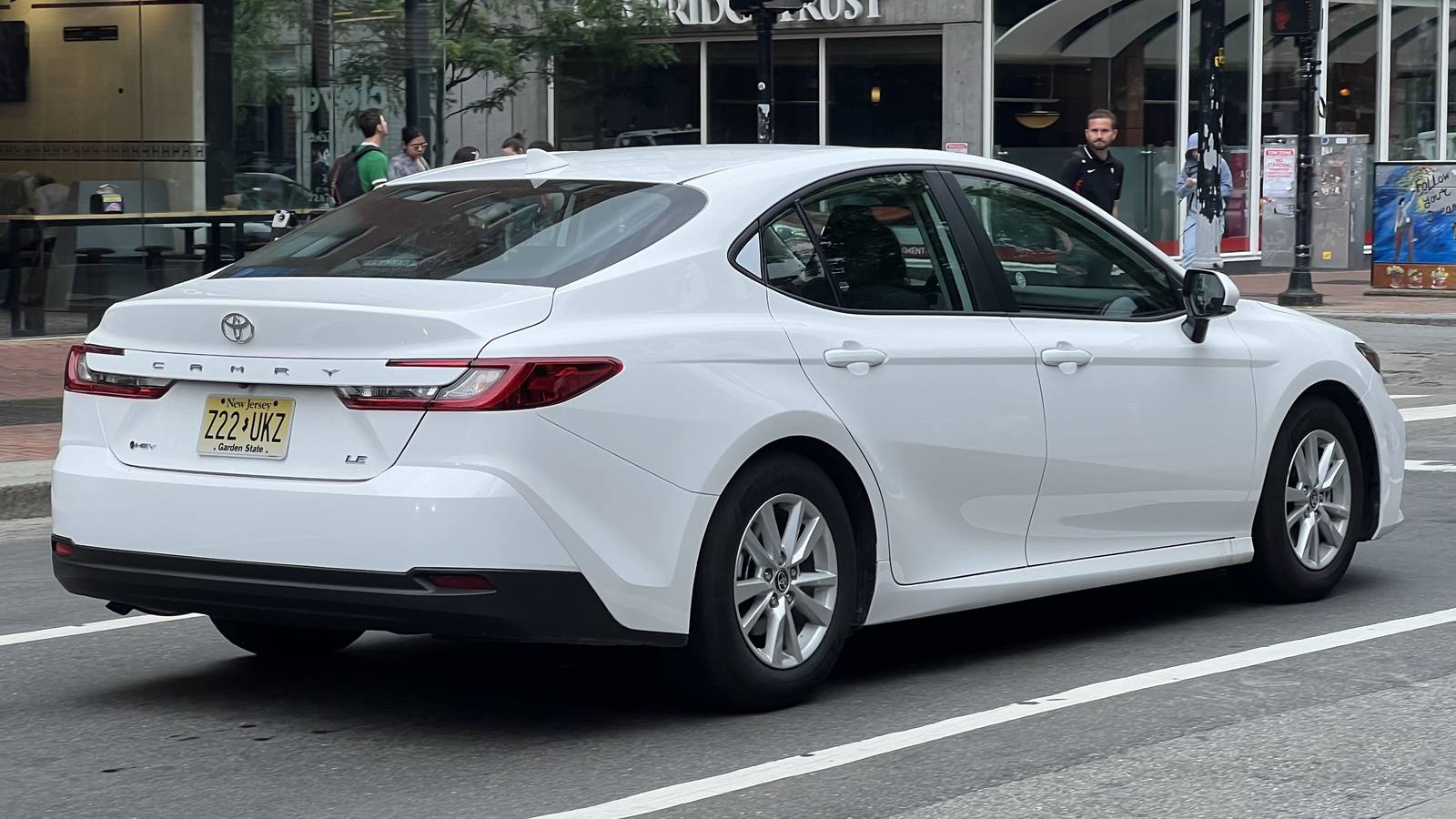
This Toyota buying guide explains the range clearly before you talk to a dealer. Toyota sells cars, crossovers, SUVs, trucks and a minivan, with hybrid power woven through much of the lineup, so the first job is narrowing the field. The second is understanding where negotiation room tends to appear — and where it typically does not — without invented prices or promised savings.
This guide carries no per-model prices and no promised discounts. It maps models and trims, explains the one dealer-cost figure we can state for Toyota, and describes the patterns that create room on a specific vehicle. Judge any quote on its full out-the-door total.
Toyota buying guide: the lineup map
The range sorts cleanly by job. This table is a map, not a price list.
| Segment | Key models | Who they suit | Discount character |
|---|---|---|---|
| Cars | Corolla, Camry, Crown, Prius | Commuters and smaller households wanting efficiency | Volume patterns on mainstream configurations; thinner on scarce variants |
| SUVs and crossovers | Corolla Cross, RAV4, Highlander, Grand Highlander, 4Runner, Sequoia | Families and buyers needing space or capability | Strongest competition on high-volume core models; thin on low-volume capability models |
| Trucks | Tacoma, Tundra | Towing, work and off-road use | Depends heavily on configuration and allocation; popular builds are typically tighter |
| Minivan and specialist | Sienna, GR86, GR Supra, Land Cruiser | Larger families and enthusiasts with a specific brief | Often allocation-led, so patience matters more than a promotion |
Cars. For anyone buying a new Toyota, the Corolla is the compact anchor for commuting, with catalogue trims from LE and SE through FX and XSE, plus Hybrid LE, Hybrid SE and Hybrid XLE. The Corolla Hatchback adds a more flexible load space. The Camry is the larger family sedan, listed as hybrid only, with LE, SE, Nightshade, XLE and XSE trims. The Crown is a higher-riding hybrid sedan. The Prius is the efficiency specialist, a hybrid hatchback with a plug-in hybrid version in the catalogue. The Mirai is a niche sedan.
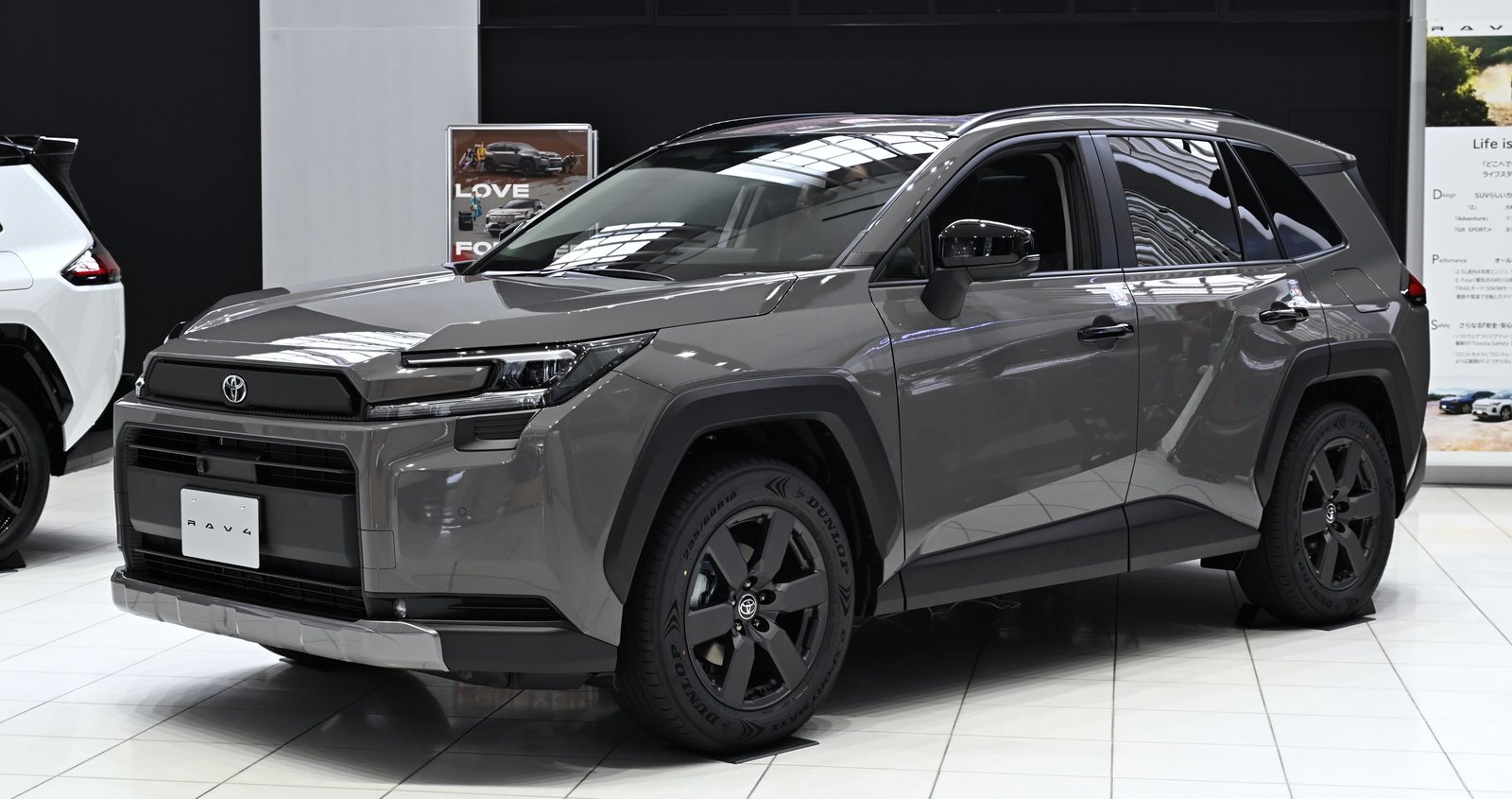
SUVs and crossovers — the volume core. The Corolla Cross is the smallest crossover, for drivers stepping up from a small car. The RAV4 is the centre of the range: its catalogue ladder includes LE, XLE, XLE Premium, Adventure, TRD Off-Road and Limited, plus Hybrid LE through Hybrid Limited and Plug-in Hybrid SE and Plug-in Hybrid XSE. That breadth is why same-spec comparison matters. The Highlander adds three-row space, with LE, XLE, XSE, Limited and Platinum, plus Hybrid LE, Hybrid XLE, Hybrid XLE Nightshade, Hybrid Limited and Hybrid Platinum. The Grand Highlander is the larger family option. The Crown Signia offers hybrid crossover space with a wagon-like character.
The 4Runner is the rugged off-road SUV, with SR5, TRD Sport, TRD Sport Premium, TRD Off-Road, TRD Off-Road Premium, Limited, Platinum, Trailhunter and TRD Pro in the catalogue. The Land Cruiser is a hybrid SUV with off-road intent. The Sequoia is the largest SUV, a hybrid for big families who also tow. The bZ4X, bZ Woodland and C-HR are listed as electric SUVs.
Trucks and the rest. The Tacoma is the midsize truck, with catalogue trims from SR and SR5 through TRD PreRunner, TRD Sport and TRD Off-Road to Limited, plus i-FORCE MAX hybrid versions, Trailhunter and TRD Pro. The Tundra is the full-size truck, with SR, SR5, Limited, Platinum and 1794 Edition, i-FORCE MAX hybrid versions of several grades, plus TRD Pro and Capstone. The Sienna is the hybrid minivan, still the most practical shape for many larger families. The GR86, GR Corolla and GR Supra are the small-volume performance corner for enthusiasts.
Where trim detail is still pending, this guide describes structure generically rather than naming grades. Always compare like with like — same model, trim and powertrain.
How Toyota pricing and holdback work
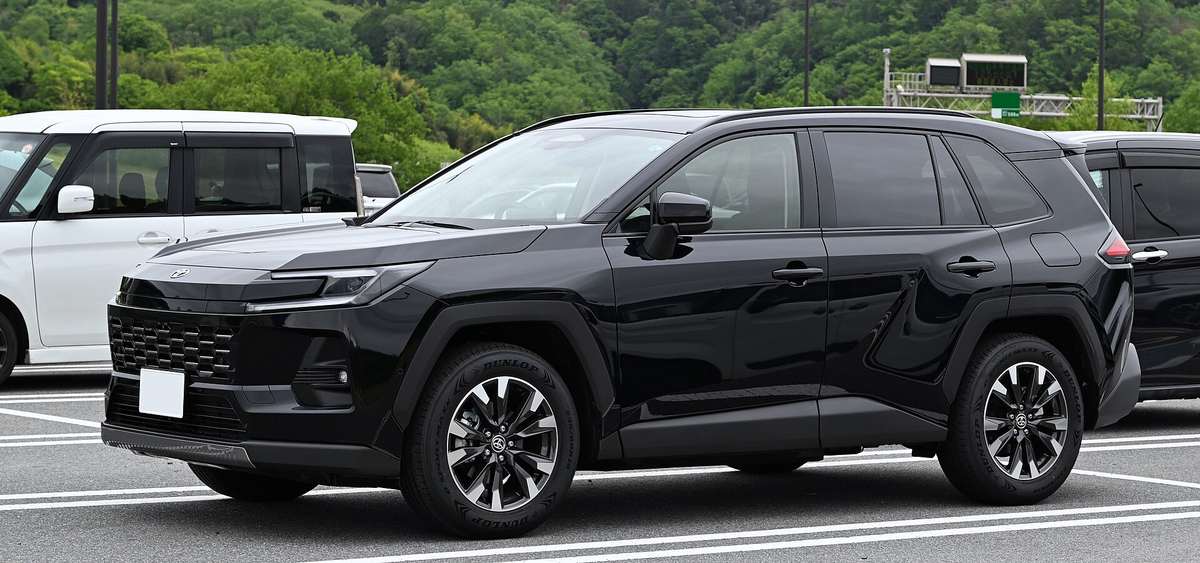
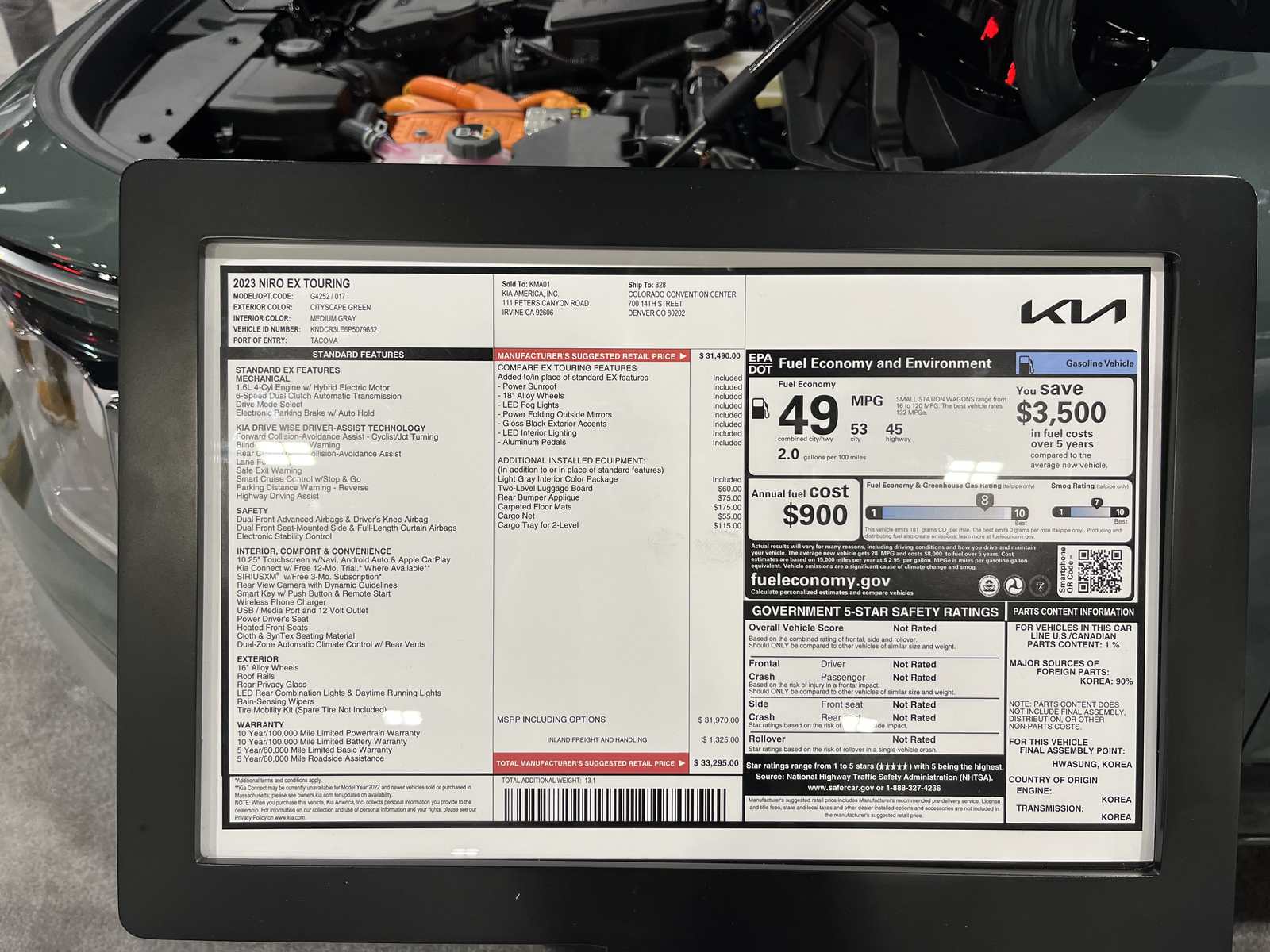
Sticker, invoice and true dealer cost are three different things. Our primer on MSRP vs invoice price explains that structure. Invoice is what the dealer is billed, but not the final cost, because manufacturers return some money later.
For Toyota, the figure in our holdback table is clear: Toyota holdback is 2% of base MSRP.
The basis matters as much as the number. Base MSRP is the base sticker before options, so holdback is calculated on that smaller figure, not on the total sticker once options and delivery are included. The same percentage on the total sticker would give a larger amount, which is why a percentage without its basis misleads. Holdback varies by brand, so cross-brand comparisons need care.
Holdback is only one component of the margin picture, alongside the sticker-to-invoice gap and any factory support on that model at that time. Knowing it helps you set a sensible target. It does not entitle anyone to that money — treat it as context for a fair out-the-door target.
Where discounts hide: patterns, not promises
There is no fixed discount on every Toyota. Room appears when a vehicle's circumstances make a dealer more motivated, and disappears when it is scarce.
Age on lot. A unit that has sat while identical fresh stock arrives is typically the one a dealer is most willing to discuss. It ties up money and a space a faster seller could use. Compare its quote against a fresh example of the same specification.
Outgoing model year. When a new model year lands, remaining previous-year vehicles need a reason for buyers to choose them. Room typically opens on outgoing stock, while the incoming year usually carries firmer pricing. Our guide to model-year-end car deals explains that timing. The trade-off is choice — the colours and configurations that remain.
Volume versus scarce allocations. Volume sellers — core crossover and sedan trims in common colours, the RAV4, Highlander, Corolla and Camry configurations many dealers stock in depth — are where dealers compete on throughput. The pattern reverses for scarce allocations: performance, halo and low-volume models such as the GR Supra, GR Corolla and Land Cruiser are typically supplied in smaller numbers, and in most markets discounts there are thin or absent. Off-road grades of the Tacoma, Tundra and 4Runner can behave the same way. If your target is scarce, flexibility on colour or timing may help more than pressing for a discount supply does not support.
Incentive cycles. Factory money does not land evenly. As the Federal Trade Commission notes in its guidance on financing or leasing a car, manufacturer incentives are model-limited, so support can apply to selected models one month and not the next. Ask what applies to your exact model and trim, and get the answer in writing.
Why Toyotas tend to hold value over a long hold
Toyota's mainstream models are widely regarded as holding value strongly over long ownership — usually credited to the brand's reliability reputation, ubiquitous parts and service, and deep used demand.
That changes the maths only on a long horizon. A thinner discount on a car that holds value well can cost less over eight to ten years than a larger discount on a fast-depreciating rival, once you count what each returns and costs to run. This is ownership-horizon logic, not a promise — condition, mileage and the wider market will shape your outcome.
Your Toyota buyer guide playbook
First, pick the model and trim that fit your use, and settle on one exact specification, including powertrain. A vague target produces incomparable quotes.
Second, check which patterns apply: Has it been sitting? Outgoing or incoming model year? High-volume or scarce? Factory support this month?
Third, get same-spec, itemised out-the-door quotes from several dealers and judge only on totals. Our guides on how to negotiate a new car price and how to get dealers to compete walk through that process.
Fourth, use pricing context properly when available. Our Toyota car buying guide tool is launching with licensed data. Until then, the pattern approach — right model, right unit, competing out-the-door quotes — is the disciplined way to buy well.
Frequently asked questions
Which Toyota should I buy first if I am choosing for a family?
Start with space. The RAV4 covers most daily family use, the Highlander adds a third row, the Grand Highlander adds more room, and the Sienna is most practical for maximum interior flexibility. Pick the smallest model that fits, then compare same-spec quotes.
Does holdback mean a dealer can always sell below invoice?
No. Holdback is one part of the dealer's economics, alongside other costs and any factory support on that model. It helps explain why some deals near invoice are possible on some units, but it does not guarantee a below-invoice price on the vehicle you want, especially if it is scarce.
When is negotiation room most likely on a Toyota?
When several patterns line up on the same unit: a vehicle in stock a while, an outgoing model year, a high-volume configuration several dealers hold, or a month when factory support applies to that model. Room is least likely on fresh, scarce or low-volume models.
Should I choose a hybrid Toyota?
For many buyers, yes, if your driving suits it. Hybrids run across mainstream models including the Corolla, RAV4, Highlander, Tacoma and Tundra, and the Camry, Crown, Sienna, Land Cruiser and Sequoia are listed with hybrid power. Compare versions on the same out-the-door basis.
Conclusion: putting this Toyota buying guide to work
A Toyota car buying guide should be honest about one thing: a good Toyota purchase is rarely about a secret discount. It is about choosing the right model and trim, understanding holdback as a modest part of the dealer's picture, and recognising which patterns create room on your specific vehicle.
Use this Toyota buyer guide that way: map first, target one exact specification, test it against the age, model-year, volume and incentive patterns, then let dealers compete on itemised out-the- door totals, and check the result with our toyota buying tips calculator. That is this Toyota buying guide in full — the lineup, the prices and the pitfalls, in one place.

Get the number dealers start from.
Invoice, estimated true cost, out-the-door — before any dealer hears your name.