
Toyota Invoice Prices: Camry, Corolla, RAV4 and Tacoma
A Toyota dealer invoice price is honest but not huge: this guide shows how the invoice is built across Camry, Corolla, RAV4 and Tacoma, and where the remaining negotiating room actually sits.
Key Takeaways
- Invoice price is what the dealer paid Toyota for that exact vehicle, and it sits below MSRP on every model.
- Toyota holdback is published at 2% of base MSRP, though sources conflict — treat any single 'true cost' figure with care.
- The destination charge is a real, non-negotiable line on every Toyota invoice.
- Each model and trim has its own invoice figure — pull the exact number for your trim before you negotiate.
Toyota invoice prices are the single most useful numbers you can have before you negotiate for a new Toyota. The Toyota invoice price is what the dealer paid Toyota for that specific vehicle, and it sits below the MSRP on the window sticker. The gap between those two numbers, plus Toyota's holdback and any current incentives, is where your deal is actually decided. This guide explains how Toyota invoice prices work, how large the margin usually is for this brand, and how to pull the exact figure for the model and trim you want.
Start with the free lookup on our Toyota make page, then run the numbers in the calculator before you talk to any dealer.
Toyota Invoice Prices at a Glance
| Item | What Toyota buyers should know |
|---|---|
| Invoice price | What the dealer paid Toyota for the vehicle as configured, including destination |
| Typical margin character | Tighter than the domestic truck brands; the dollar gap grows with trim and options |
| Holdback | Commonly published at 2% of base MSRP (sources conflict — see the holdback section) |
| Destination charge | Set by Toyota, the same for every dealer on the same model, included in both MSRP and invoice |
| Incentive pattern | APR and lease support plus targeted offers more often than large public cash rebates |
| Best first step | Pull the invoice for your exact trim, then compare out-the-door quotes |
How Toyota Invoice Pricing Works
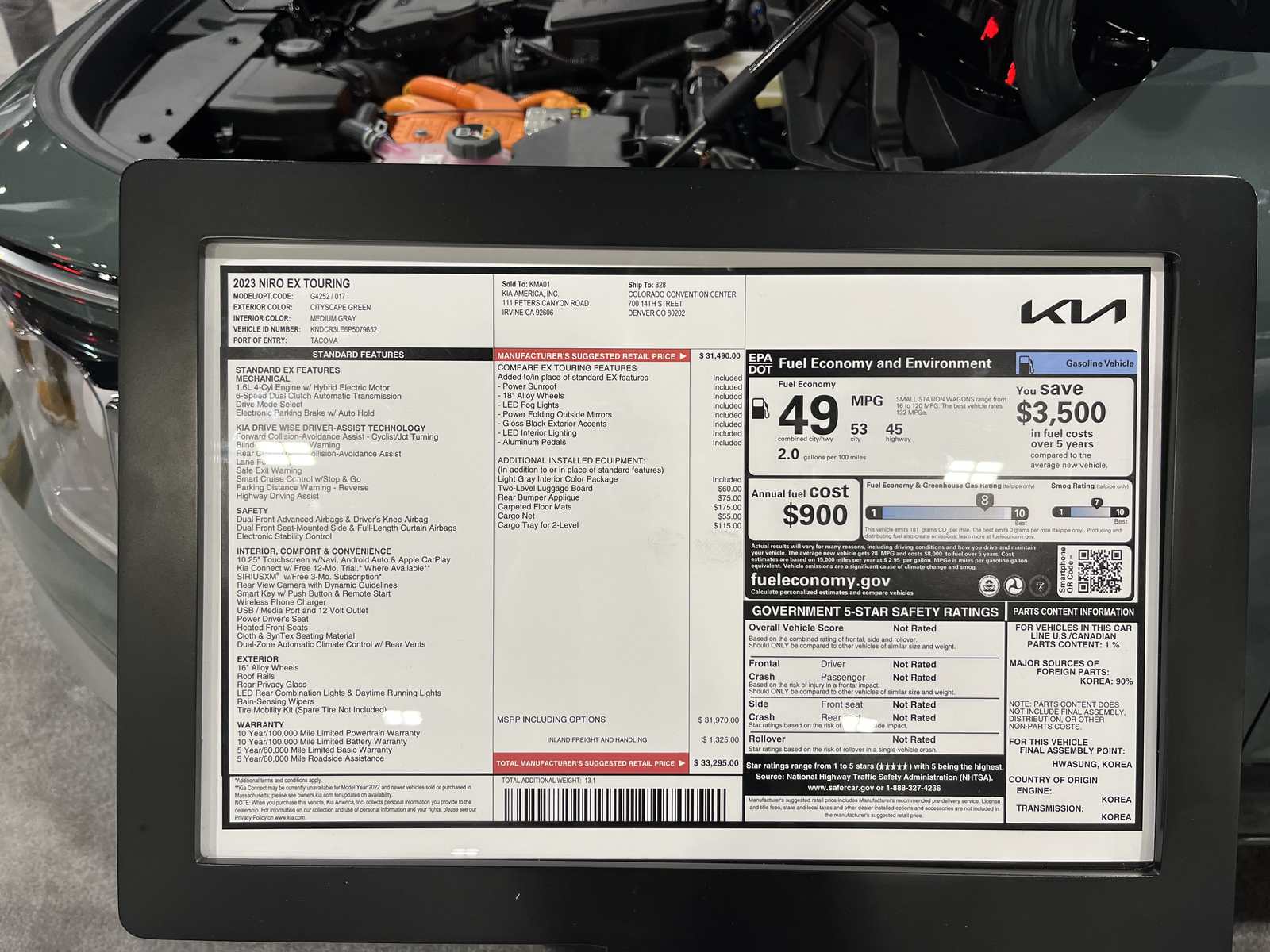
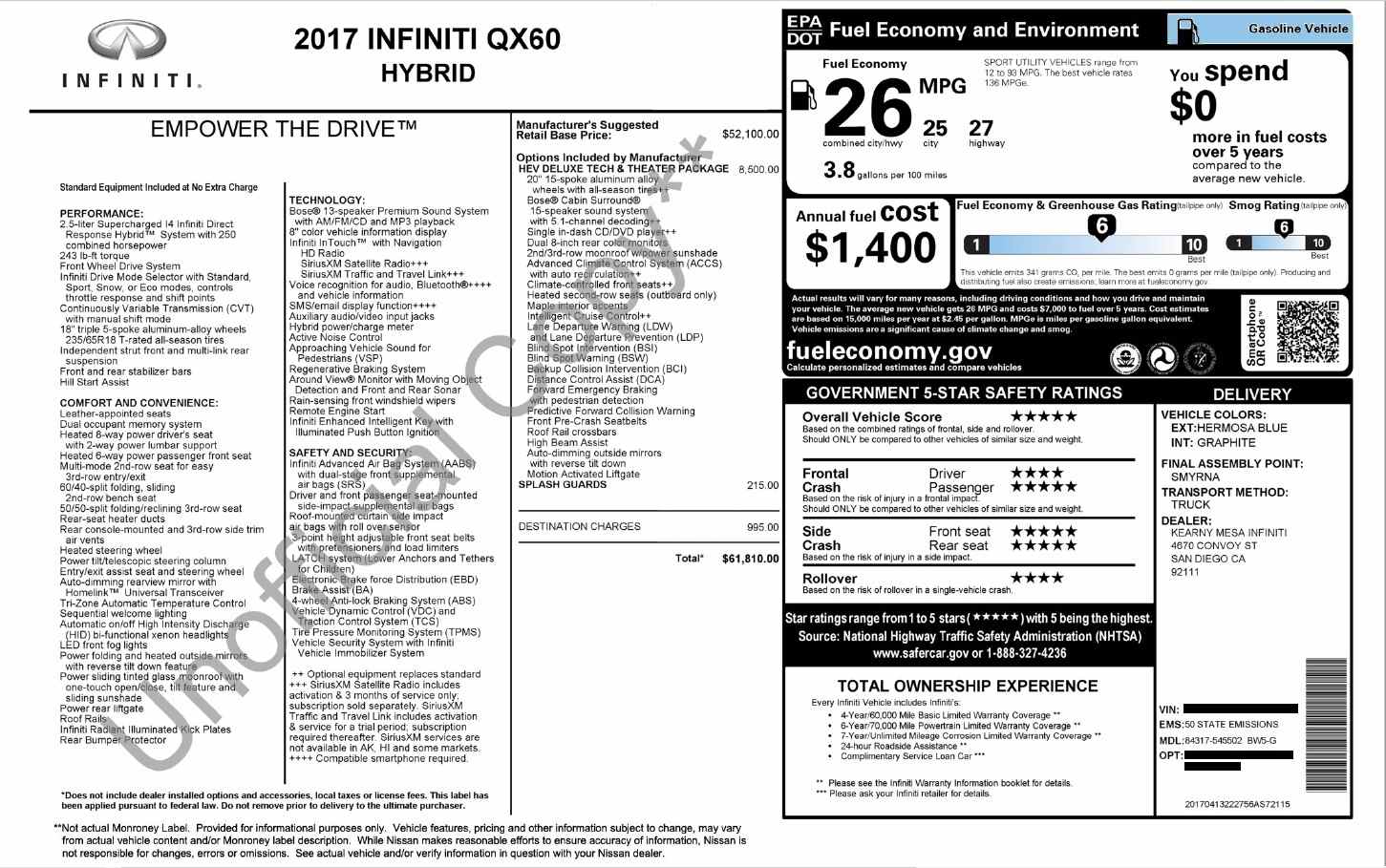
Every new Toyota arrives at the dealership with a factory invoice. That document lists the base invoice for the trim, the invoice cost of factory options and packages, and the destination charge. The MSRP on the Monroney sticker is built from the same vehicle at retail prices, which is why the two totals differ on every line.
Three things are worth knowing about how Toyota invoice prices are structured. First, invoice is not the dealer's final cost. Toyota pays the dealer a holdback amount after the sale, and factory-to-dealer incentives can lower the effective cost further. Second, Toyota is a high-demand brand with disciplined inventory, so many Toyota models transact close to MSRP even when the buyer knows the invoice. Knowing the number does not force a discount — it tells you whether the quote in front of you is fair for that model in your market. Third, in the states served by Toyota's independent distributors, Gulf States Toyota and Southeast Toyota, distributor-installed options can appear on the sticker and the invoice. Those line items are real invoice content in those regions, and they are one reason the same trim can invoice differently across state lines.
For the underlying concepts, read our pillar guides on MSRP vs invoice price and whether invoice price is the dealer cost.
How Much Lower Are Toyota Invoice Prices Than MSRP?
Toyota's MSRP-to-invoice gap is best described as moderate and trim-driven. On lower-priced models the gap is a smaller number of dollars; on upper trims and heavily optioned trucks and SUVs the gap widens in dollars even when the percentage is similar. Published pricing guides consistently describe Toyota as a brand where the base gap alone rarely explains the whole deal, because holdback and incentives add a second layer below invoice.
Use that pattern this way:
- On a high-demand hybrid or a freshly redesigned model, expect dealers to hold close to MSRP and treat invoice as a reference point, not an offer template.
- On a model Toyota is supporting with APR or lease incentives, the factory money often matters more than another few hundred dollars off the selling price.
- On outgoing model-year inventory, the gap plus incentives can stack, and invoice becomes a realistic starting point for an offer.
The exact spread for the vehicle you want belongs in a live lookup, not a static article. Run it on our invoice pricing page so the figure reflects the current model year, trim, and options.
Toyota Holdback: 2% of Base MSRP, With a Source Conflict
Holdback is the amount Toyota returns to the dealer after the vehicle sells. It is built into the invoice structure, so the dealer's true cost is lower than the printed invoice even on a deal done exactly at invoice.
Two published holdback guides, LegalClarity's dealer-pricing explainer and AutoCheatSheet's 2026 holdback list (both accessed October 2026), put Toyota holdback at 2% of base MSRP. That is the figure we use. In the interest of showing our work: a lower-quality secondary compilation syndicated through an Alibaba content site lists Toyota at 3% of invoice instead. We could not corroborate that figure in any second independent guide, and Toyota does not publish holdback percentages for consumers, so treat 2% of base MSRP as the well-supported published figure, not a factory-confirmed one. Our full explainer on dealer holdback covers how the payment timing works and why dealers defend it.
What holdback means for your negotiation is modest but real: a dealer who agrees to invoice is not selling at a loss. Holdback is context for a confident offer, not a line item you can demand be handed over.
The Destination Charge on a Toyota
The destination charge covers delivery of the vehicle from the plant or port to the dealership. Toyota sets it, it is the same at every dealer for the same model, and it is included in both the MSRP total and the invoice total. That last point matters: when you compare MSRP with invoice, destination is not part of the dealer's margin, because the dealer paid it too.
Treat destination as fixed, and negotiate the selling price and dealer-added items instead. Documentation fees and dealer-installed accessories are separate from destination and vary by dealer, which is why we compare deals on the out-the-door total in the calculator.
Toyota Invoice Prices by Popular Model
Toyota's volume concentrates in a handful of nameplates — the models where invoice research pays back fastest:
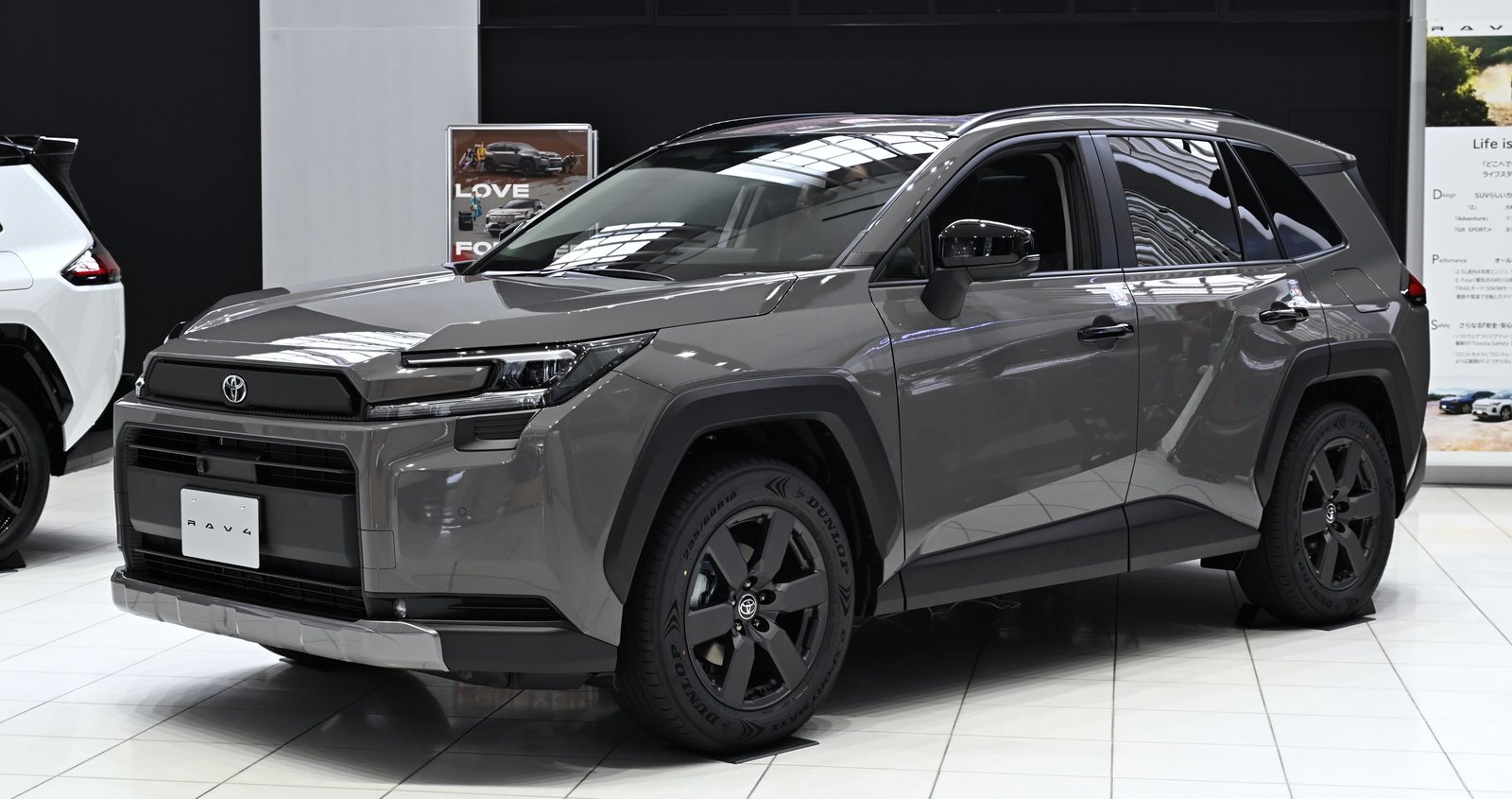
- RAV4 — Toyota's volume leader. Demand is strong, hybrid versions especially, so discounts from MSRP tend to be thinner and incentives lighter than on slower models.
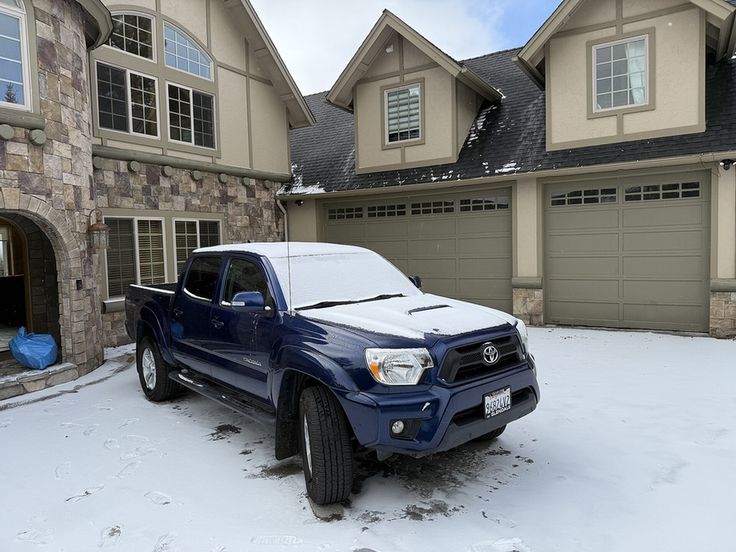
- Tacoma — the mid-size truck benchmark. Trim and option content drives the invoice spread, and redesigned models typically hold price firmly early in the run.
- Tundra — the full-size truck, where higher prices and heavier option loads create the widest dollar gaps between MSRP and invoice in the Toyota line.
- Camry and Corolla — the sedan staples, now hybrid-led. These are the Toyotas where APR support most often substitutes for cash discounts.
- Highlander and Grand Highlander — family SUVs with strong demand; availability by trim drives how close to sticker a dealer will hold.
- 4Runner — an enthusiast model with loyal demand; expect firm pricing on desirable trims.
- Prius — lower volume, so pricing is more dealer-specific; a live invoice lookup matters more than a rule of thumb.
We publish the live figure for each model and trim on the Toyota make page rather than printing static dollar amounts here, because invoice figures change with each model year, price revision, and option package, and a stale printed number would mislead you. If you are still learning the method, how to find invoice price on a car walks through the process step by step.
How to Use MyCarDiscount for a Toyota
The workflow mirrors our invoice pricing tool:
- On the makes index, choose Toyota, then your model and trim.
- See the MSRP, the invoice price, and the estimated true dealer cost range — invoice minus holdback and known incentives — before you enter any contact information.
- Open the calculator and build the out-the-door total with your local tax and fees so quotes from different dealers are comparable.
- If you want dealers to compete, request offers from up to three named dealers you select, email-first. No price is held back until after a form; the number comes first here, which is the opposite of how legacy invoice sites work.
Negotiating a Toyota With the Invoice in Hand
Toyota negotiation is usually about precision, not drama. A few brand-specific notes:
- Toyota leans on APR and lease support more than headline cash rebates, and its official offers change monthly by region. Check the current manufacturer offers on Toyota's official site before you assume a rebate exists on your model, and never let a dealer present a standard factory APR as a personal favour.
- Military, college graduate, and loyalty offers appear regularly in Toyota's programme mix. Eligibility is specific; ask for the programme name and confirm you qualify before it is written into a quote.
- On distributor-region vehicles, review the sticker for distributor-installed options. You may not remove them from a car already built, but you can shop a dealer whose inbound units carry fewer of them.
- Because Toyota margins are comparatively tight, the biggest lever is often choosing between two dealers' out-the-door quotes on the same trim rather than demanding an unrealistic figure below invoice. Our guide to negotiating from invoice price covers the offer math.
Frequently Asked Questions
How do I find Toyota invoice prices for my exact trim?
Use the lookup on our Toyota page or the main invoice pricing tool. Invoice is calculated per trim and per option load, so a model-level average is only a starting point.
Is the invoice price the dealer's real cost on a Toyota?
No. Holdback, published at 2% of base MSRP, and any factory-to-dealer incentives sit below the printed invoice. See is invoice price the dealer cost for the full breakdown.
Do Toyota invoice prices include destination?
Yes — and it is worth knowing why it cannot be negotiated away. Toyota fixes the destination charge for each model before the car ships, so the identical figure is built into both the MSRP and the invoice at every dealership. Where a Toyota passes through Gulf States Toyota or Southeast Toyota, any distributor-added items are separate line items; the factory destination charge itself does not change.
Why do two dealers quote so differently on the same Toyota?
Allocation, days in inventory, distributor options, and expected factory support all change a dealer's flexibility. Comparing out-the-door quotes on the identical trim is the cleanest way to see the difference.
The Bottom Line on Toyota Invoice Prices
Toyota invoice prices give you the reference point the whole negotiation turns on: what the dealer paid, how much holdback sits below it, and whether a quote is fair for a brand that rarely needs deep discounts to sell its cars. Pull the live Toyota invoice price for your trim on MyCarDiscount, build the out-the-door total, and let named dealers compete on a number you already understand. Start at MyCarDiscount.com.
Get the number dealers start from.
Invoice, estimated true cost, out-the-door — before any dealer hears your name.