
Honda Buying Guide: Civic, Accord, CR-V and Pilot Compared
The Honda car buying guide short version: four Hondas, more overlap than their shapes suggest — compared on structure, role and ownership character so the right one falls out of your household arithmetic.
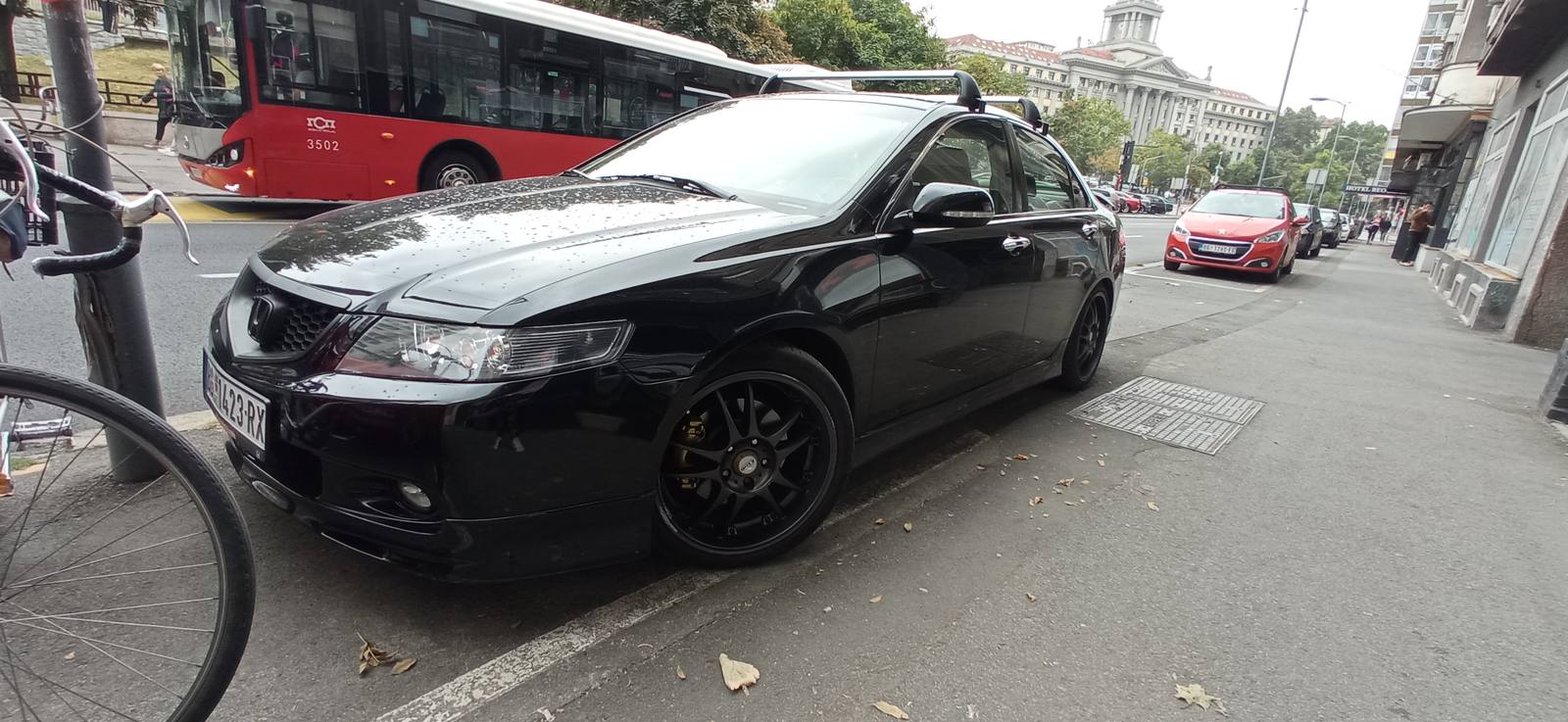
This Honda buying guide compares the four Hondas most buyers cross-shop — the Civic, Accord, CR-V and Pilot — on structure, role and ownership character, not a single headline figure. The four overlap more than their shapes suggest, so the right answer depends on household arithmetic, driving taste, and how long you plan to keep it.
Honda buying guide: the four models side by side
Start with what each model is for. The Civic is the compact car, in sedan and hatchback forms, and the efficient, lower-priced entry to the range. The Accord is the midsize sedan step up: longer, roomier and built around refinement. The CR-V is the compact crossover and volume family choice, pairing a car-like drive with a higher seating position and flexible load space. The Pilot is the three-row midsize SUV at the top of this group.
| Model | Class / role | Seats / size class | Powertrain character | Who it suits | Discount character |
|---|---|---|---|---|---|
| Civic | Compact car, sedan and hatchback | Five seats, smallest footprint here | Petrol and hybrid in the catalogue, plus performance variants | Solo drivers, commuters, small households | Sedan patterns can leave more room than hot crossovers, except scarce performance versions |
| Accord | Midsize sedan | Five seats, larger sedan cabin | Petrol and hybrid in the catalogue | Family sedan loyalists wanting room without an SUV | Mainstream sedan pattern; room tends to follow demand and time on the lot |
| CR-V | Compact crossover | Five seats, compact SUV size | Petrol, with hybrid a defining option in the catalogue | The default family all-rounder | Popular crossover demand can keep room tighter; timing and older stock matter more |
| Pilot | Three-row midsize SUV | Three rows, largest here | Petrol only in the catalogue | Larger families needing three rows | Family-SUV demand shapes room; outgoing-year and long-standing stock are the places to look |
The Civic covers two briefs. In mainstream forms it is an economical everyday car, easy to park and run, sized for one or two people plus occasional passengers. The catalogue also carries performance variants, the Si and the Type R, which make it the enthusiast corner of this range — a different buyer, not to be negotiated as an ordinary commuter car.
The Accord trades that footprint for space and calm: more rear-seat room, a larger boot and a more settled manner, for a family that still prefers a saloon shape. Where the catalogue carries them, hybrid versions sit alongside petrol cars, giving high-mileage buyers a different character without changing the sedan formula.
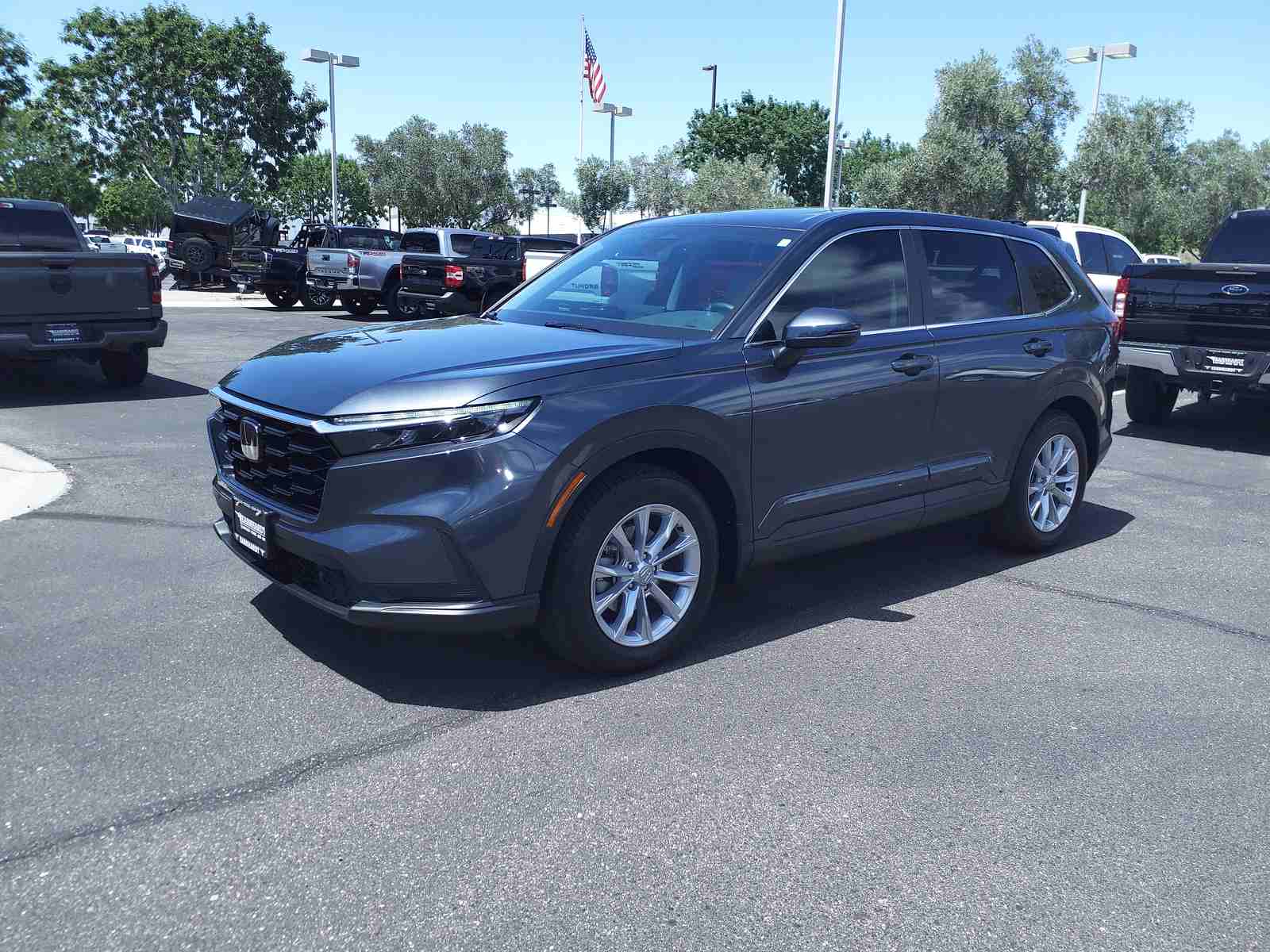
The CR-V is where most buyers land. It drives in a familiar, car-like way, seats five, and adds the raised position and upright load area that explain why crossovers dominate family buying. Hybrid availability is a defining option where the catalogue carries it, including the Sport Hybrid and Sport Touring Hybrid alongside petrol versions. For many households the question is whether they need anything larger.
The Pilot answers how many people you regularly carry. Its third row makes it a genuine people-hauler, with more luggage capacity for longer trips fully loaded. In the catalogue it is petrol only, so buyers choose space over hybrid choice — and if that row is rarely used, its size is daily bulk for an occasional benefit.
On running costs, think in character: the smaller, lighter Civic generally has the lightest profile here, the Accord sits close behind, the CR-V adds crossover practicality on a similar brief where hybrid versions are chosen, and the largest, heaviest Pilot naturally sits at the heavier end.
Honda buying guide: holdback, discounts and timing
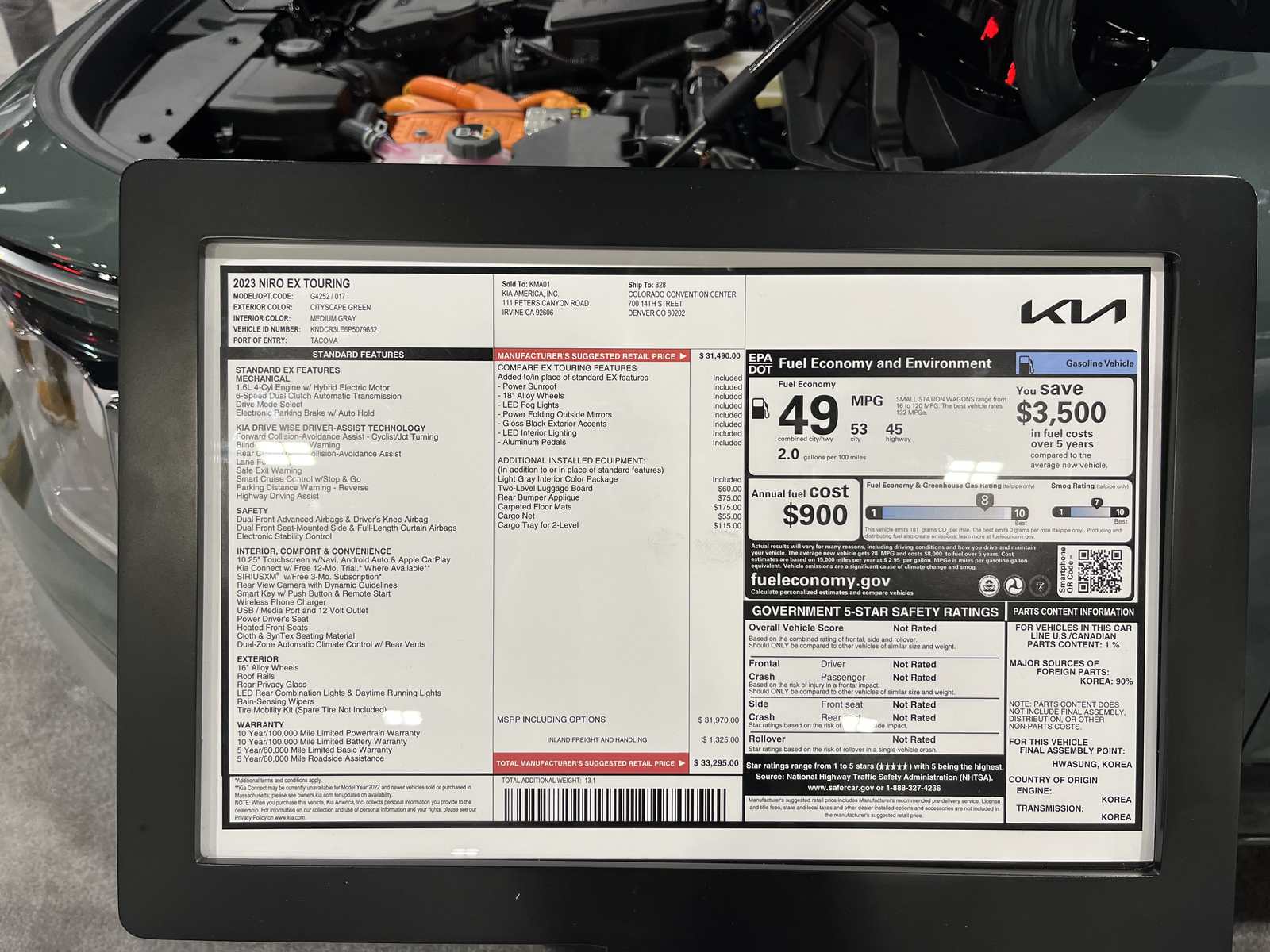
Part of a dealer's margin is the difference between the sticker and what the dealer paid, which is why it pays to read MSRP vs invoice price before you negotiate. Invoice is one component. Holdback is another: money the manufacturer returns to the dealer after a sale, to help cover the cost of holding stock.
For Honda, holdback is 2% of base MSRP, per our holdback table. The basis matters: base MSRP is the base sticker before options, so that percentage on the smaller base produces a smaller amount than it would on the total sticker. Published charts have varied over the years, so focus on the current tabled basis. Holdback informs a realistic target — a modest cushion beyond the invoice margin — but it entitles nobody to that money, and dealers still have premises, staff and stocking costs to cover.
Discounts on Hondas follow patterns, not a fixed entitlement. As a market tendency, mainstream sedans generally carry more room than hot crossovers when demand tilts toward SUVs, which is why an Accord or mainstream Civic can be easier to move on than a CR-V in strong demand. That is a tendency, hedged by local stock and demand, not a rule for any single car.
Time creates room in other ways. A car that has sat on the lot longer costs its dealer more to hold, so age-on-lot units are worth asking about. Outgoing model-year and pre-update stock can also carry more room, a pattern explored in model-year-end car deals. Manufacturer incentives apply only to selected models in selected months, not across the range. As the Federal Trade Commission advises, incentives are model-limited, so get the answers for your exact car in writing.
The reverse pattern matters too: scarce performance and enthusiast versions, such as the Civic's performance corner, and launch-window models can attract more buyers than available cars, and room shrinks accordingly. On those, timing, flexibility on specification, and patience matter more than pushing for unsupported room.
Reliability and resale: a reputation for the long hold
Honda's appeal is tied to a widely held reputation for durability and for holding value well over the long term. Treat that as reputation and ownership logic, not a ranking. Buyers often keep a Civic or CR-V for eight to ten years, spreading its cost over a long, low-drama life, and strong used demand for well-kept Hondas supports the back end when it is eventually sold. The same logic applies to an Accord kept for many years, or a Pilot kept through the years when three rows are genuinely needed.
That reputation is not a shortcut. A neglected example is a worse buy than a well-maintained one, and no model here should be declared the most reliable as fact. The CR-V's reputation for dependable service, the Civic's as a car people keep, and the Accord's for lasting well are reasons to consider them for a long hold, provided the car and deal are right.
Picking your Honda
Match the car to the household, honestly counted. Solo or as a couple, commuting daily, the Civic fits, with the hatchback adding load flexibility without an SUV. A family sedan loyalist who wants room and refinement without a raised position should choose the Accord. For one vehicle covering school runs, holidays and bulky loads with least compromise, the CR-V is the default all-rounder. Only if you regularly need three rows should you step up to the Pilot.
Two overlap traps catch buyers. Accord versus CR-V at similar money is sedan polish against crossover practicality and a more flexible load shape — decide which you value on an ordinary week. Civic hatchback versus CR-V is load flexibility in a smaller, lighter car against ride height and easier access; if parking and driving feel matter most, the hatch can be enough.
When ready, ask several dealers for itemised out-the-door quotes on exactly the same specification, so you compare complete figures. Our guides on how to negotiate a new car price and how to get dealers to compete walk through that process. Our honda buyer guide invoice pricing pages are launching with licensed data, so use them as that coverage arrives rather than relying on guessed figures.
Frequently asked questions
Which Honda should I buy first: Civic, Accord, CR-V or Pilot?
Start with the smallest model that covers your regular needs: Civic for solo and commuter use, Accord for a roomier family sedan, CR-V for the default all-rounder, and Pilot only when you regularly need three rows. Buying one size up for rare occasions means carrying extra size and cost daily.
Is a hybrid Honda worth choosing over the petrol version?
Where the catalogue carries hybrid versions, as for the Civic, Accord and CR-V, a hybrid shifts the character toward smooth, efficiency-focused everyday driving, suiting many commuters and family users. The Pilot is petrol only in the catalogue. Judge it on how you drive and how long you will keep the car.
How much negotiation room should I expect on a Honda?
Expect room to follow patterns, not a set amount. Sedans can carry more room when demand tilts toward crossovers, older and outgoing model-year stock can be more flexible, and scarce performance or launch-window versions can run thin. Incentives, where offered, apply only to selected models. Get competing itemised quotes on the same specification and let real offers set your target.
Do Hondas hold their value, and should that decide my choice?
Hondas carry a reputation for durability and strong long-term value retention, with strong used demand supporting the back end of a long ownership. That favours one if you plan to keep it for many years, but it should support your decision, not replace it: the right model, bought at a fair complete price and properly maintained, matters more.
Conclusion
This Honda buying guide starts with sizing: the best Honda is the one sized to your life, not the largest you can stretch to. This Honda car buying guide comes down to a simple order: Civic for compact, efficient everyday driving with an enthusiast corner, Accord for sedan room and refinement, CR-V for the family all-rounder most households need, and Pilot for genuine three-row duty. Pick that model first, remember that holdback is a modest part of dealer margin, look for room where the patterns create it, and compare complete quotes on the same specification. That is how to buy a Honda in the right order — then check the totals with our honda buying tips calculator.


Get the number dealers start from.
Invoice, estimated true cost, out-the-door — before any dealer hears your name.