
Honda Invoice Prices: Civic, Accord, CR-V and Pilot
The Honda invoice price is where every Honda deal really starts: Honda runs some of the leanest sticker-to-invoice margins in the business, which is exactly why knowing the number matters more here, not less.
Key Takeaways
- Honda's sticker-to-invoice gap is among the tightest of any mainstream brand, so small quoting errors cost real money.
- Honda holdback is published at 2% of base MSRP.
- Every trim of the Civic, Accord, CR-V, HR-V and Pilot carries its own invoice figure.
- Negotiate from the invoice for your exact trim, not from the sticker.
Honda invoice prices tell you what the dealer paid American Honda for the exact car you are shopping, and that number is the anchor for every negotiation that follows. Honda runs some of the leanest sticker-to-invoice margins in the industry, which makes knowing the invoice more important, not less: when the built-in gap is small, the difference between a fair quote and a padded one is easy to miss. This guide explains how Honda invoice prices work, what holdback adds below them, and how to get the live figure for your model and trim.
Begin on our Honda make page, then model the full deal in the calculator.
Honda Invoice Prices at a Glance
| Item | What Honda buyers should know |
|---|---|
| Invoice price | What the dealer paid Honda for the vehicle as configured, including destination |
| Typical margin character | Among the tightest of any mainstream brand; small dollar gaps, especially on cars |
| Holdback | Commonly published at 2% of base MSRP (one guide cites a 2–3% range — see below) |
| Destination charge | Set by Honda, identical at every dealer for the same model, in both MSRP and invoice |
| Incentive pattern | APR and lease support and loyalty/conquest offers more than large public rebates |
| Best first step | Compare the invoice on your exact trim, then shop out-the-door quotes |
How Honda Invoice Pricing Works
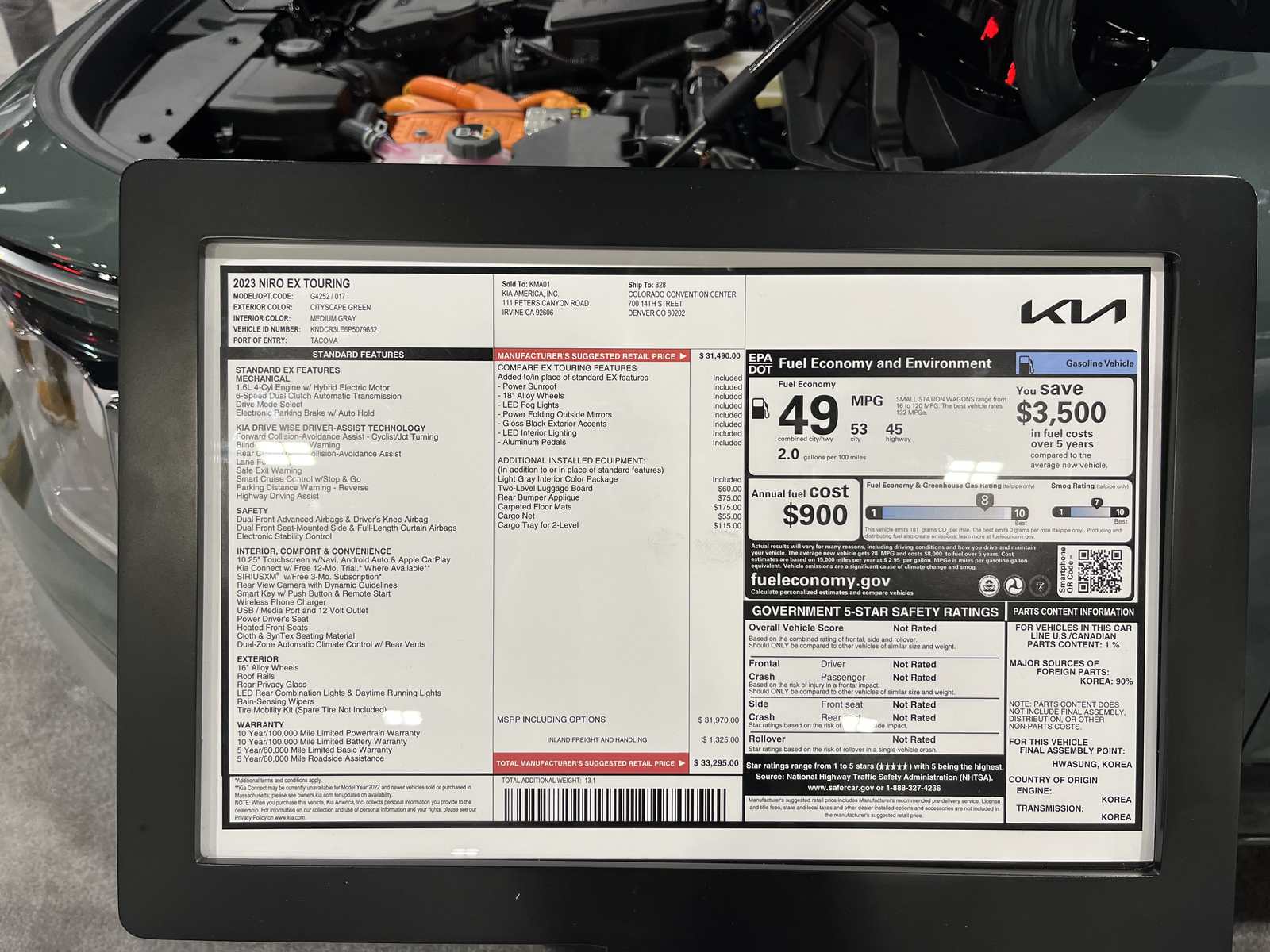
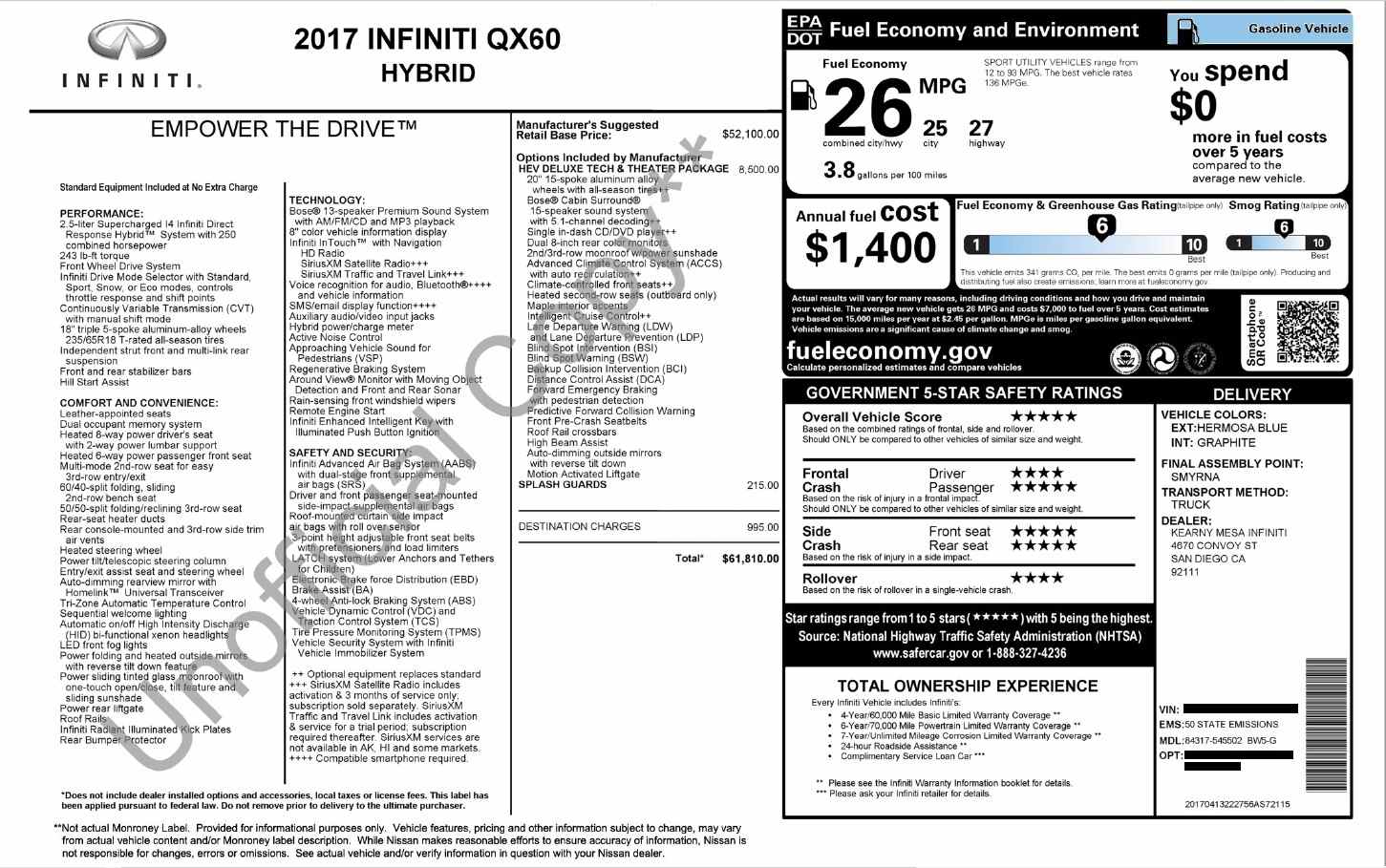
A Honda's factory invoice lists the base invoice for the trim, each factory option at its invoice cost, and the destination charge. Honda keeps its trim ladders comparatively simple, with fewer free-standing options than the domestic brands, which makes a Honda invoice easier to read: most of the difference between two cars on the lot is the trim level itself, plus accessories the dealer added after the car arrived.
That last point deserves emphasis. Honda dealers commonly fit accessories such as protection packages, wheel locks, and cargo accessories at the store. Those items are not on the factory invoice, and their prices are set by the dealer. When a quote looks high against the invoice you researched, dealer-added accessories are the first place to look.
Invoice is also not the dealer's final cost. Honda pays holdback after the sale, and unadvertised dealer incentives can apply to specific models at specific times. The concepts behind the printed number are covered in our guides to MSRP vs invoice price and dealer holdback.
How Much Lower Are Honda Invoice Prices Than MSRP?
Honda's gap between MSRP and invoice is consistently described by pricing guides as one of the smallest, in percentage terms, among mainstream brands. On Honda's cars and smaller crossovers, the gap can be a modest sum that leaves little room for the dramatic discounts buyers expect from watching truck advertisements. On the larger, more expensive models, the dollar gap grows with the sticker even though the percentage stays lean.
That pattern shapes a realistic strategy:
- Do not open by demanding a domestic-truck-style discount on a Civic or CR-V. The margin to fund it usually is not in the sticker.
- Weight factory APR, lease, and loyalty programmes heavily. On a brand with thin margins, the manufacturer's money is often the largest single saving available.
- Compare dealers against each other on the out-the-door number. With thin margins, the spread between stores is more often in fees and accessories than in the vehicle price itself.
Because the gap is model-, trim-, and model-year-specific, we show the live spread on our invoice pricing page instead of printing static per-model figures that would go stale.
Honda Holdback: Published at 2% of Base MSRP
Holdback is the payment Honda returns to the dealer after the car sells. It is one reason a Honda dealer can accept a deal at or near invoice and still cover the cost of flooring the car while it sat in inventory.
LegalClarity's dealer-pricing guides and AutoCheatSheet's 2026 holdback list (both accessed October 2026) put Honda holdback at 2% of base MSRP. Honda does not publish a consumer holdback figure itself. For completeness, one model-specific invoice guide describes Honda holdback as roughly 2 to 3% of base MSRP. We present 2% as the consistently published figure and use the range only as a reminder that the true programme detail is factory-to-dealer information, not a public specification.
Practically, holdback means the dealer's cost floor sits below the invoice you will see. It is useful context for judging whether a "we are at invoice, there is nothing left" claim is complete, and our explainer on whether invoice price is the dealer cost shows how it fits with the other credits. It is rarely productive to demand the holdback dollar-for-dollar; use it to set a confident, defensible offer instead.
The Destination Charge on a Honda
Honda sets one destination charge per model, and every dealer pays and charges the same amount for that model. It is included in both the MSRP and the invoice price, so it is not dealer profit and it is not a place where one store can undercut another.
Where buyers do get tripped up is confusing the factory destination charge with separate dealer charges on the buyer's order, such as documentation fees or accessory packages. Those vary by dealer and by state, and they are negotiable or avoidable in a way the factory destination charge is not. Comparing quotes on the out-the-door total in the calculator keeps the fixed and the flexible charges from being blended together.
Honda Invoice Prices by Popular Model
Honda sells a concentrated line-up, and each of its core models has a distinct pricing character:
- CR-V — Honda's best-selling SUV, including the hybrid versions. Strong, steady demand keeps transaction prices close to sticker, and the invoice gap is lean even by Honda standards.
- Civic — including the hybrid and the performance Si and Type R variants. Mainstream Civic trims carry some of the smallest dollar margins in the line; the performance variants are allocation-limited and rarely discounted.
- Accord — the mid-size sedan, now hybrid-led. Sedan demand is softer than SUV demand, so Accord is often where Honda's APR and lease support is most visible.
- Pilot — the three-row family SUV. Higher stickers produce larger dollar gaps than the cars, and trim choice changes the invoice spread materially.
- HR-V — the entry crossover. Pricing guides put the MSRP-to-invoice gap on small crossovers like this at the modest end of the range, so fees and accessories decide most deals.
- Ridgeline — Honda's pickup, a niche model where individual dealer inventory age can matter more than the published margin.
- Odyssey — the minivan, a low-competition segment where comparing the few dealers who stock it matters most.
Live, per-trim figures for each of these sit on the Honda make page and in the invoice pricing tool, because a model-year change or a Honda price revision makes any printed table obsolete. If you want the method first, read how to find invoice price on a car.
How to Use MyCarDiscount for a Honda
- Start from the makes index, pick Honda, then your model and trim.
- See MSRP, the invoice price, and the estimated true dealer cost range — invoice minus holdback and known incentives — up front, with no contact information required to view the number.
- Build the out-the-door total in the calculator with your tax and fees, so a quote with dealer accessories can be compared cleanly against one without.
- Optionally, ask up to three named dealers you choose to compete for the car, email-first. You see the price first on MyCarDiscount; the form is for offers, not for unlocking the number.
Negotiating a Honda With the Invoice in Hand
Honda deals are won on detail more than on theatre:
- Honda is historically restrained with public cash rebates and works through APR offers, lease support, and targeted loyalty or conquest programmes that change monthly. Verify the current programme on Honda's official site before you negotiate, and ask the dealer to name the exact programme applied to your quote.
- Scrutinise the accessory line. On a thin-margin car, a protection package can exceed the entire MSRP-to-invoice gap. Ask for a car without dealer-added accessories, or price the same trim at a store that does not fit them as standard.
- Keep the trade and the purchase as separate line items. Thin new-car margins make it easy for a generous trade allowance to be funded by a firm new-car price, and only an out-the-door comparison shows the net.
- Use month-end and model-year-changeover timing where you can. A dealer holding an outgoing-year unit has factory and flooring reasons to move it that no guide can see. For offer structure, see how to negotiate from invoice price.
Frequently Asked Questions
Why is the gap between Honda MSRP and invoice so small?
Honda prices its cars with lean built-in margins compared with the domestic truck brands, and keeps option lists short. Pricing guides consistently place Honda among the tightest-margin mainstream brands, which is why factory financing offers often matter more than haggling over the vehicle margin.
What is Honda's holdback?
Published holdback guides put it at 2% of base MSRP, with one model guide citing a 2 to 3% range. Honda does not publish the figure for consumers. It is paid to the dealer after the sale and lowers the dealer's real cost below invoice.
Do Honda invoice prices include the destination charge?
Yes. Because Honda fixes the destination charge per model at the factory, it appears in both totals — MSRP and invoice — and no Honda store can charge more or less for it than another. What does vary from store to store are dealer-side items such as documentation fees and fitted accessories, which are separate from this charge entirely.
Can I actually buy a Honda at invoice?
On slower-selling trims, outgoing model years, or cars a dealer has held a long time, deals at or near invoice do happen. On high-demand models such as hybrid CR-Vs, expect to negotiate between invoice and MSRP — and to judge the deal on the out-the-door total, not the headline discount.
The Bottom Line on Honda Invoice Prices
Honda invoice prices are the tightest, cleanest numbers in mainstream car buying: a small sticker gap, a published 2% holdback below it, and factory financing programmes doing much of the work. That makes precision the whole game. Get the liveHonda invoice price for your trim on MyCarDiscount, strip out the accessories you did not ask for, and compare out-the-door quotes from dealers you choose against the Honda dealer invoice price for the same trim. Start at MyCarDiscount.com.
Get the number dealers start from.
Invoice, estimated true cost, out-the-door — before any dealer hears your name.