
Ford Buying Guide: F-150, Bronco, Escape and Mustang Pricing
The Ford car buying guide short version: with Ford the sticker is only the opening position: manufacturer money, promotional finance and pricing events sit between it and the price you actually pay.
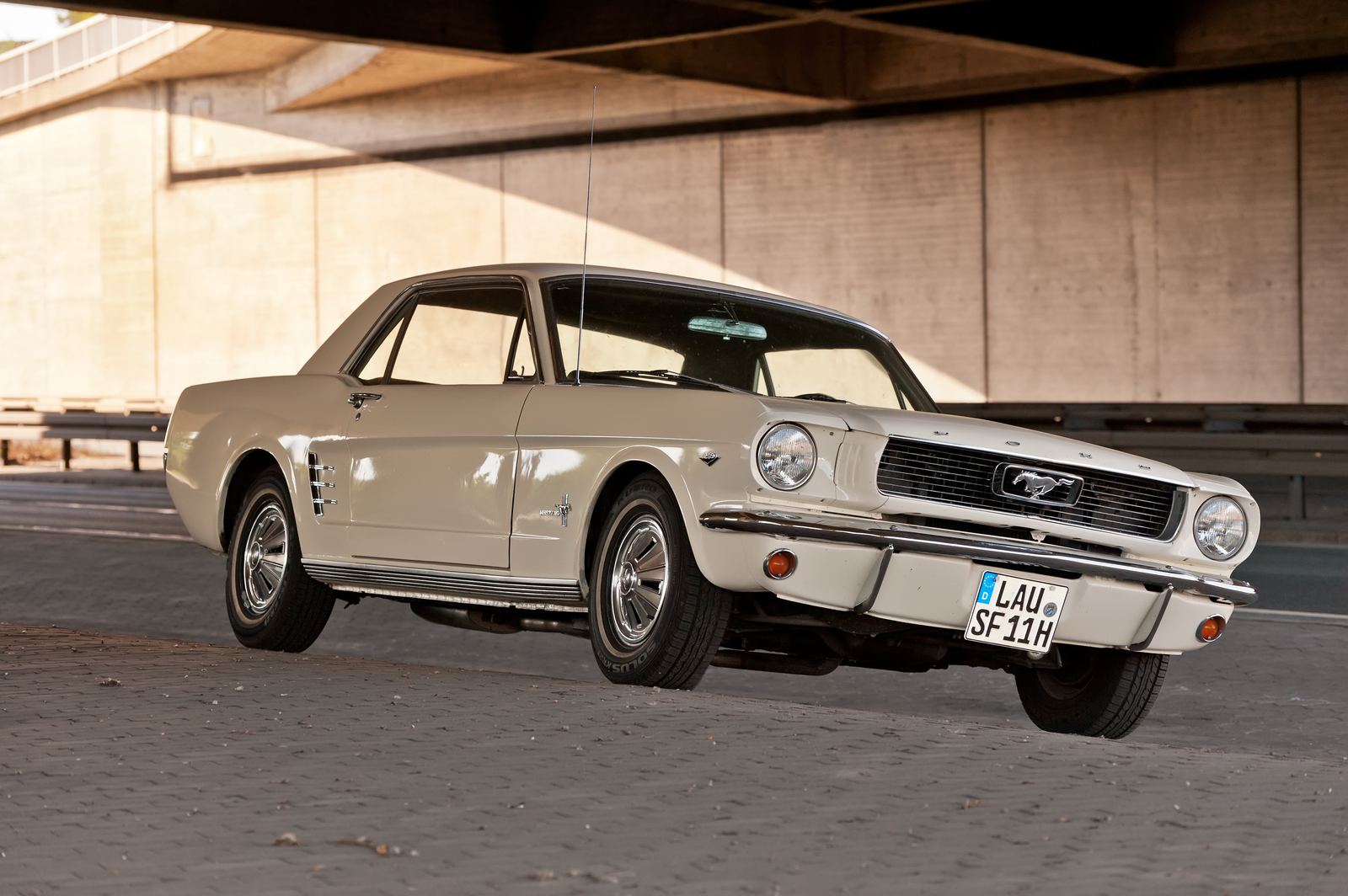
This Ford buying guide starts from a simple truth: with Ford, the sticker is only the opening position. Ford is among the most incentive-driven of the big brands in its retail pattern, so manufacturer money, promotional finance and periodic pricing events sit between the sticker and the price you actually pay — and those layers shift by model, by configuration and by month. A useful guide to buying a Ford is a map of structure, not a list of prices: how each range is built, where factory support appears, and where negotiation room lives. Below, we work through the four headline models — the F-150, Bronco, Escape and Mustang — then explain how Ford's incentive machine stacks, what holdback contributes underneath dealer margin, and the discipline that keeps your total honest. Everything here is pattern, not promise: programmes are described as they typically work, never as today's amounts.
Ford buying guide: the four headline models
F-150 — the configuration universe. The full-size F-150 is less a single vehicle than a pricing universe. Cab, bed, engine and drivetrain combinations multiply across the trim ladder — XL, STX, XLT, Lariat, Tremor, King Ranch, Platinum and Raptor in the catalogue — so the spread between the simplest work build and a loaded flagship is wider than almost any other nameplate's. "The price of an F-150" is meaningless without the exact build. The upside is competition: high-volume mainstream builds are what every dealer stocks and every rival quotes against. Our guide to the best trucks under 40000 shows how rivals frame the same territory.
Bronco — demand sets the terms. The Bronco is the enthusiast SUV of the range, carried in the catalogue as Base, Big Bend, Heritage Edition, Outer Banks, Badlands, Stroppe Edition and Raptor. Its pricing character is demand-led: popular and scarce configurations run thin on negotiation room because the next buyer is rarely far away. Bronco totals climb through loading — options, packages and accessories stack onto the build — so fix your specification before the showroom conversation starts.
Escape — the incentive-friendly family seller, in its final year. The compact Escape is the range's mainstream crossover, with Active, ST-Line, ST-Line Select, Platinum, ST-Line Elite and Plug-In Hybrid trims, spanning petrol, hybrid and plug-in hybrid powertrains. It is also a run-out model: Ford ended Escape production in December 2025, so the 2026 model year is remaining dealer stock only — not sold in CARB states, with trim and colour choice narrowing as it drains. That is exactly where factory money shows up: an outgoing model in a fiercely contested class is where Ford's incentive pattern does its heaviest lifting.
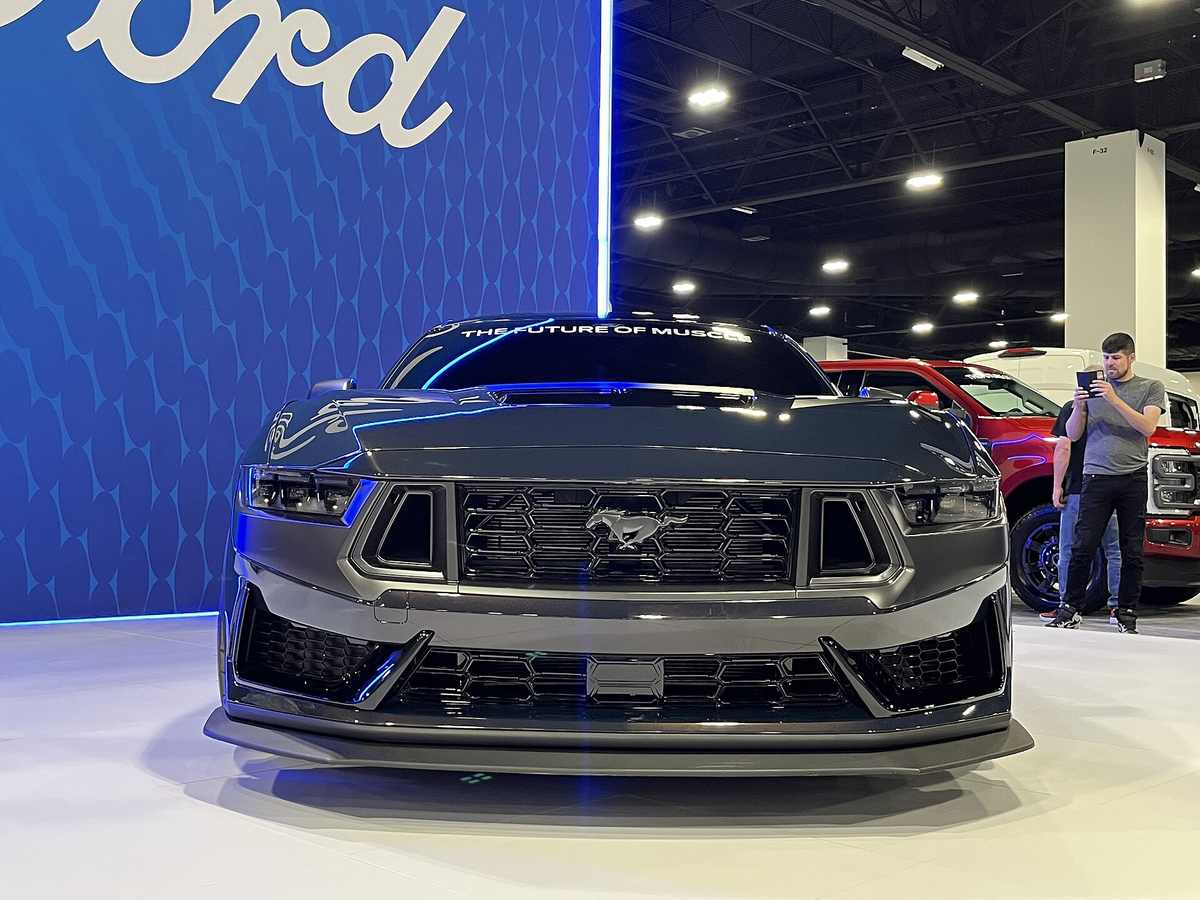
Mustang — two pricing worlds in one nameplate. The Mustang is a sports car with a split personality. The volume end of the catalogue ladder — EcoBoost, EcoBoost Premium, GT and GT Premium — behaves like normal retail: stock on the ground, dealers competing. The performance tier — Dark Horse, Dark Horse Premium, Dark Horse SC and the allocation-only GTD — behaves like the scarce enthusiast market it is: availability, not discounting, is the story.
| Model | Role in the range | Pricing character | Incentive character | Who it suits |
|---|---|---|---|---|
| F-150 | Full-size truck | Configuration-driven; widest spread in the range | Factory support common on mainstream builds | Buyers who spec one build and make dealers compete on it |
| Bronco | Enthusiast SUV | Demand-led; totals climb through options and accessories | Support least reliable on scarce configurations | Buyers who fix their specification early and control add-ons |
| Escape | Compact crossover | Mainstream and closely contested — final model year, remaining stock only | The range's most incentive-friendly model | Families who can time a purchase around factory programmes |
| Mustang | Sports car | Two-tier: volume trims retail normally, performance variants run scarce | Support concentrates at the volume end | Buyers who know which tier they are shopping |
How Ford's incentive machine works
Incentives are not an occasional Ford promotion; they are a standing feature of how the brand sells. Understanding the layers matters more than chasing any offer, because they interact.
The first layer is customer cash and bonus cash: manufacturer money applied to selected models in selected months. It is model-specific, so support on one nameplate says nothing about the vehicle beside it. The second layer is subvented finance — promotional APR programmes run through Ford's captive finance arm. Remember the either/or: a promotional rate commonly trades against cash, so taking the low rate can mean giving up the rebate. Compare full totals over the term you will actually keep, which is the trade-off our guide to zero-percent financing cars walks through.
The third layer is targeted offers. Loyalty, conquest and occupational-style programmes — first-responder, military and student-style offers — sit on top of the public layers for buyers who qualify. Treat eligibility as something to prove, not assume: the Federal Trade Commission notes such incentives are typically model-limited, may require strong credit, a larger down payment or shorter terms, and that the dealer must explain any special price — so get the answers in writing first.
The fourth layer is the promotional event. Ford periodically runs employee-pricing-style events, where a formula price is advertised to everyone for a set window. The advertised formula becomes the ceiling everyone starts from, while dealer-level room narrows to fees, accessories and your trade. An event price is not automatically the best achievable price, and every event expires. Timing a Ford purchase around this incentive calendar matters more on this brand than on most, as our guide to the best time to buy a new car explains.
Holdback and the margin underneath
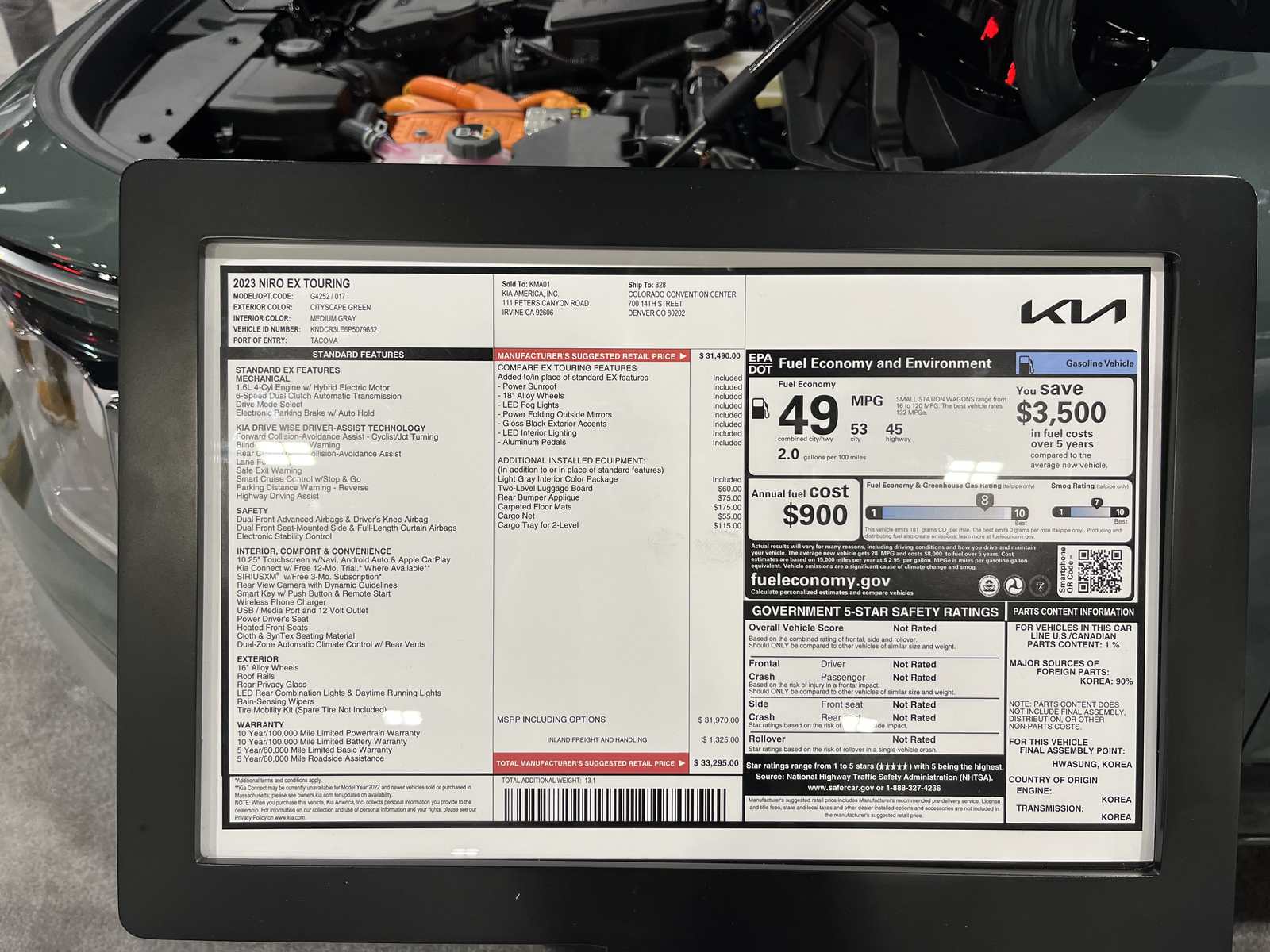
Beneath the sticker sits the dealer's margin structure, and one component is holdback: money the manufacturer returns to the dealer after the sale. Per the site's holdback table, Ford holdback is 3% of total MSRP. The basis matters as much as the rate. Because Ford calculates on the total sticker, options included, rather than on a base figure before options, the amount grows as a vehicle is optioned up — on a well-optioned F-150, a comparatively larger sum than the same rate on a leaner basis. Holdback is one component of margin alongside the gap between invoice and sticker and the incentive layers above; it explains why a dealer can sell close to invoice and still have economics in the deal, but it is background, not a target price. For the underlying concepts, see MSRP vs invoice price.
Where Ford discounts most — and where it does not
Negotiation room is not spread evenly across the Ford range; it concentrates where four conditions overlap. First, where configuration volume is highest: mainstream F-150 builds sit in deep, competing stock, and the Escape's remaining final-year stock is contested while it lasts. Second, where stock is ageing or the model year is turning over — the territory our guide to model year end car deals covers. Third, where factory money is active on that model, because manufacturer support and dealer discount stack. Fourth, in dense metro markets where several dealers quote against each other.
The room thins toward nothing at the other end: scarce enthusiast configurations — Bronco special variants and Mustang performance variants — where demand does the negotiating. There, the discipline flips: control the total by refusing add-ons and markups, not by expecting discounts.
Ford buying guide: pricing discipline before you sign
The structure above only pays off if your process matches it. Spec the exact configuration first — trim, cab, bed, powertrain and options — and refuse to compare quotes on near-enough builds. Then separate the four numbers in every quote: selling price, factory incentives applied, fees, and trade. Demand an itemised out-the-door quote so each can be challenged alone, and verify in writing which incentives you qualify for before they enter a total. With like-for-like quotes, how to negotiate a new car price becomes a short conversation, and the method in how to get dealers to compete does most of the work. Our ford buyer guide invoice pricing hub is launching with licensed data to put verified invoice figures behind this process; until then, treat any invoice number you cannot source with suspicion.
Frequently asked questions
Does Ford discount every model the same way?
No. Discounting follows volume, stock and demand, not the badge. Mainstream F-150 configurations carry the deepest competitive pressure and most regular factory support, and the final-year Escape adds run-out support while its remaining stock lasts. Scarce Bronco configurations and Mustang performance variants leave little room — demand finds those vehicles unaided.
Is a promotional APR or cash back better on a Ford?
It depends on your term and numbers, which is why the either/or pattern matters. A promotional rate trades against cash, so compare the total cost of both routes over the time you actually keep it, using itemised quotes rather than headline monthly payments.
What does an employee-pricing-style event actually change?
It changes the starting point, not the whole negotiation. The advertised formula price becomes the ceiling everyone begins from, dealer-level room may narrow to fees, accessories and the trade, and the window expires. Ageing stock outside the event can still be worth quoting separately.
How do I compare Ford quotes between dealers fairly?
Quote the identical configuration at every dealer, insist on an itemised out-the-door figure separating selling price, incentives, fees and trade, and confirm incentive eligibility in writing. Totals built on different builds, or with unverified incentives inside, cannot be compared honestly.
Conclusion: using this Ford buying guide
Ford rewards the buyer who treats price as a structure rather than a number. Use this Ford car buying guide in sequence: choose the model whose pricing character fits how you shop, spec the exact configuration, learn which incentive layers are in play and which you qualify for, and let holdback and factory money explain dealer behaviour rather than set your price. Then let this Ford buying guide earn its keep: identical itemised quotes settle the question: buyers who overpay are rarely beaten by the sticker, but by blurred totals, unverified incentives and add-ons they never chose. That is how to buy a Ford well: keep the four numbers separate, and one of the most incentive-driven brands in the business becomes one of the most navigable — and run your totals through our ford buying tips calculator.

Get the number dealers start from.
Invoice, estimated true cost, out-the-door — before any dealer hears your name.