
Mazda Buying Guide: CX-5, CX-50 and Mazda3 Compared
The Mazda car buying guide short version: a small brand that punches above its weight on driving feel and safety, with thinner dealer stock and a discount pattern you can learn before you negotiate.
Key Takeaways
- Mazda's pricing behaviour differs from Toyota or Ford — lower volumes and thinner stock change how its dealers discount.
- Mazda's holdback is 1% — thinner than most brands, which shapes what a realistic offer looks like.
- The CX-5, CX-50, CX-90 and Mazda3 serve different buyers — pick by fit before you talk price.
- Some trims are worth paying extra for; others mostly add profit for the dealer.
A good Mazda buying guide starts from an unusual fact: Mazda is a small brand that punches far above its weight on driving feel and safety, but sells in volumes low enough that its pricing behavior differs from Toyota or Ford. Mazda does not chase the sales charts, its dealers work with thinner stock, and its discounts follow a pattern you can learn. This Mazda buying guide compares the CX-5, CX-50, CX-90 and Mazda3, explains how Mazda's invoice and holdback structure shapes a realistic offer, and shows you which trims are worth paying extra for — and which ones mostly add profit for the dealer.
Start with the makes index to find the Mazda you want, then run any quote through the calculator before you talk numbers with a dealer.
Mazda Buying Guide at a Glance
| Item | What Mazda buyers should know |
|---|---|
| Invoice price | What the dealer paid Mazda for the vehicle as configured, including destination |
| Holdback | Published at 1% of base MSRP in the current chart (an older chart said 2% — see below) |
| Margin character | Thinner than the domestic brands; smaller holdback and disciplined discounting |
| Safety record | Mazda3, CX-30, CX-50, CX-70 and CX-90 all earned IIHS Top Safety Pick+ for 2025 |
| Lineup shape | Almost entirely crossovers now, plus the Mazda3 car and the MX-5 Miata |
| Best first step | Pull the invoice for your exact trim, then compare out-the-door quotes |
The Mazda Lineup: Which Model Fits Which Buyer
If you are buying a new Mazda, the US range is compact enough to learn in one sitting, and each model has a clearly defined job:
- Mazda3 — the compact car, sold as a sedan and a hatchback. It is the driver's choice in its class, with an interior that feels a segment more expensive, and it is the Mazda for buyers who still prefer a car to a crossover.
- CX-30 — the subcompact crossover, essentially a lifted Mazda3 for buyers who want the higher seating position in the smallest footprint.
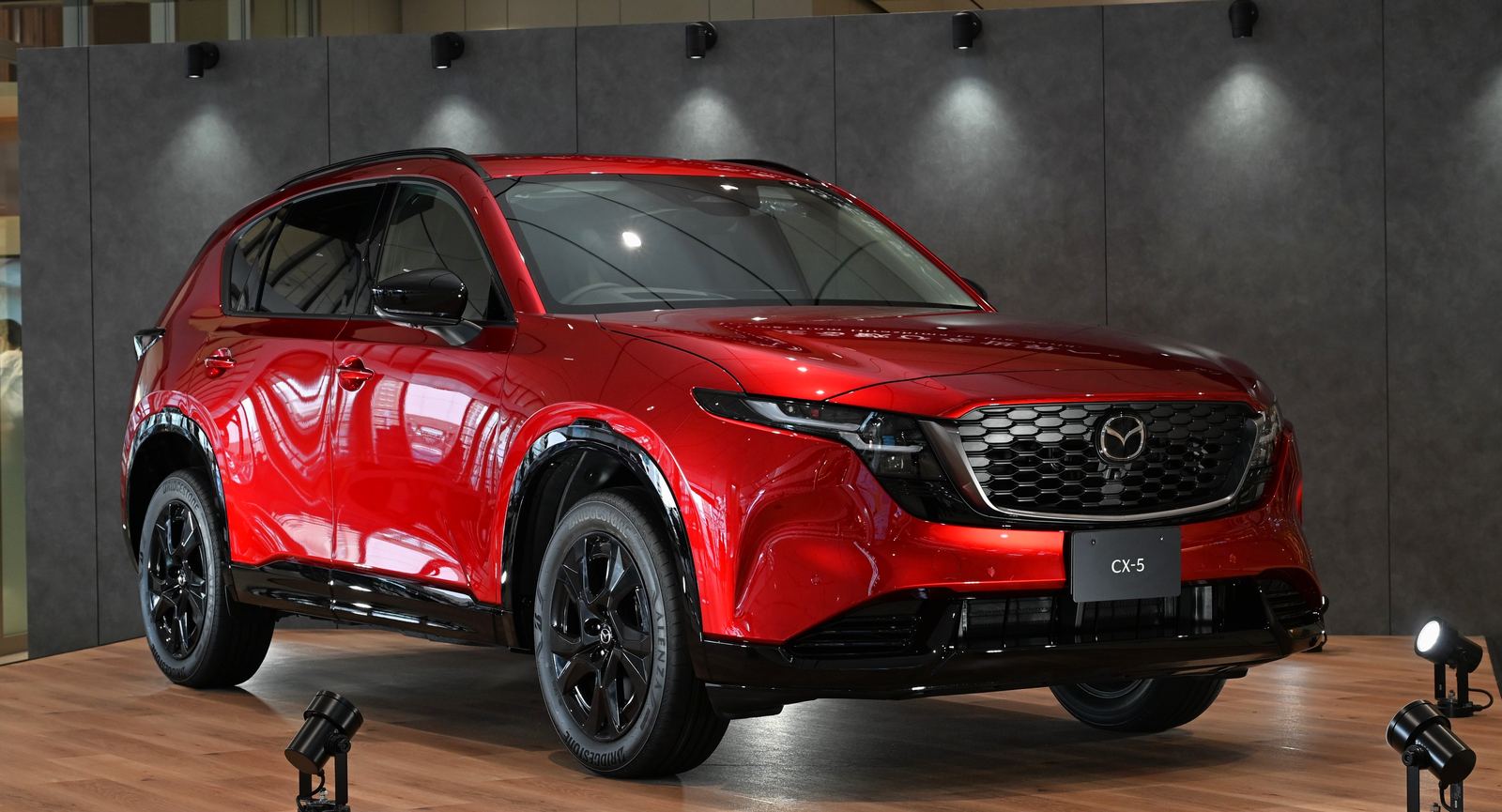
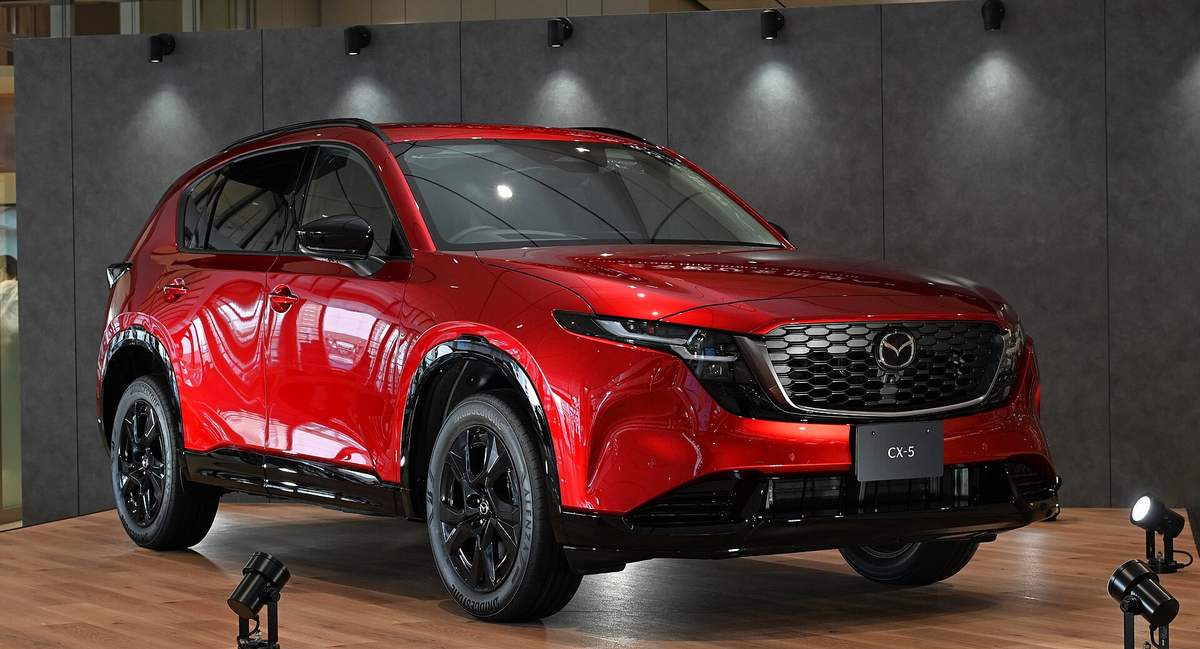
- CX-5 — the long-running compact crossover and Mazda's volume anchor. It is the safe, familiar choice, and because it has been on sale so long, dealers know exactly how it should be priced.
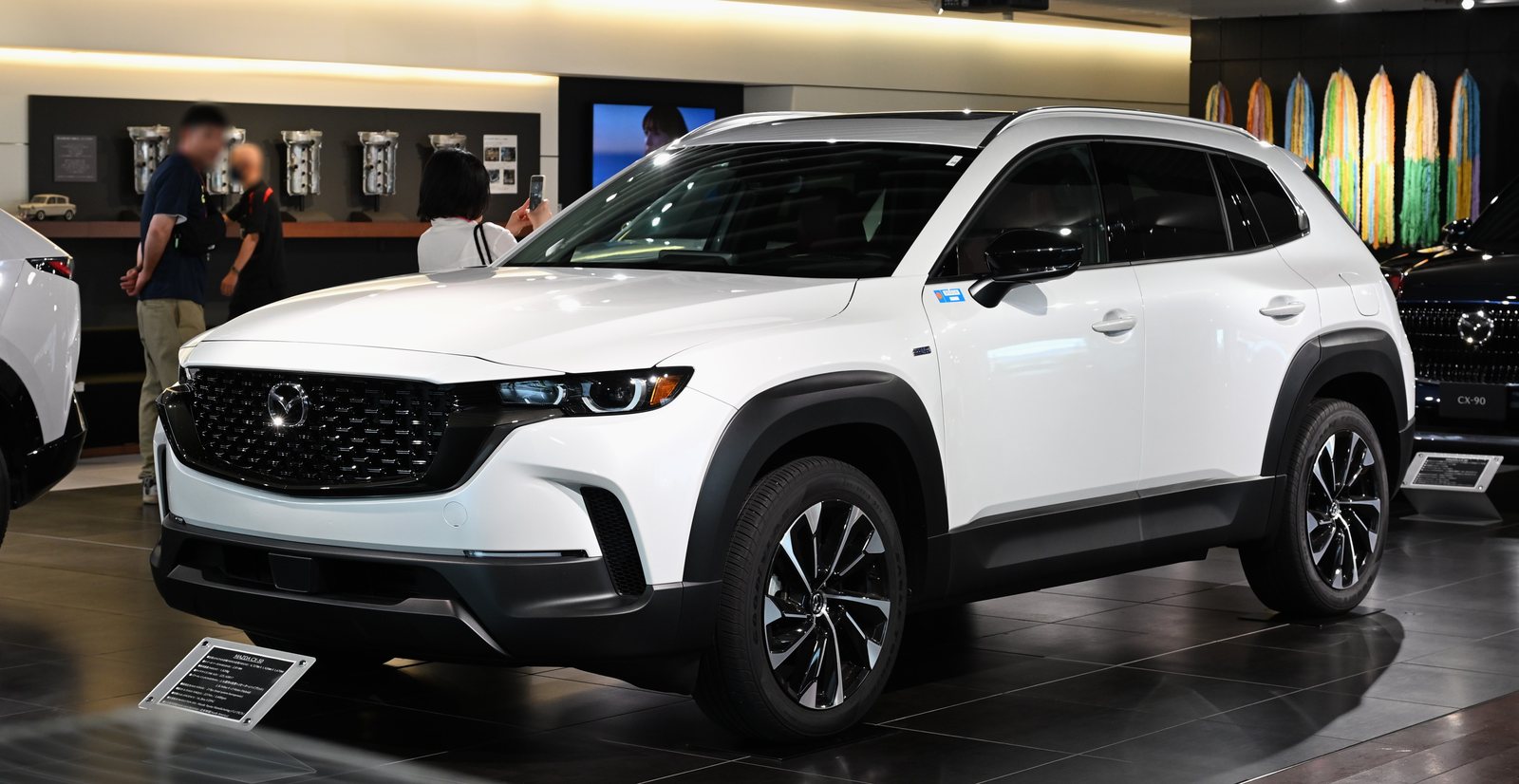
- CX-50 — the newer compact crossover, developed alongside the CX-5 rather than replacing it, with a more outdoors-flavored brief and a hybrid version in the range. If you cross-shop the CX-5, cross-shop this too — the two compete with each other as much as with rivals.
- CX-70 and CX-90 — the larger two-row and three-row crossovers on Mazda's newer rear-biased platform, with six-cylinder and plug-in hybrid power. These are Mazda's move upmarket, priced and finished to trouble premium brands.
- MX-5 Miata — the two-seat roadster. A niche buy with loyal demand; pricing logic here is about availability, not discount patterns.
Check the current range and Mazda's own offers on Mazda USA's official site before you shop — Mazda rotates modest APR and lease support by model and region, and it rarely advertises the large headline rebates the domestic brands use.
Mazda Invoice Prices and the 1% Holdback
Every Mazda arrives with a factory invoice: the base invoice for the trim, the invoice cost of options and packages, and the destination charge, with the MSRP built from the same car at retail prices. The gap between the two totals is the dealer's margin on the vehicle itself, and below the invoice sits holdback — the amount Mazda returns to the dealer after the sale, covered in depth in our guide to what dealer holdback is.
For Mazda, the current published holdback chart (AutoCheatSheet's list, last updated December 2024) puts holdback at 1% of base MSRP — the figure in our own methodology-backed holdback table. Showing our work: a historical chart from 2008 listed Mazda at 2% of base MSRP instead. We use the newer chart's 1% as the primary figure and keep the older value on record, because holdback percentages are never published by manufacturers and every public figure is a secondary-source estimate.
Illustrative example — not a live price: on a hypothetical Mazda with a base MSRP of $30,000, 1% holdback is $300. Compare that with a domestic brand at 3% of total MSRP, where the same sticker would return roughly three times as much. That is the whole Mazda negotiation in miniature: there is simply less hidden money below invoice, so a Mazda dealer's room to move is mostly the visible invoice-to-MSRP spread plus whatever factory support exists that month. Our pillar on whether invoice price is the dealer cost explains how to turn that into an estimated true-cost range rather than a single pretend-precise number.
We publish the live invoice figure for each Mazda model and trim on the mazda buyer guide invoice pricing page once our licensed data feed is live, rather than printing static dollar amounts here — prices and packaging change during the model year, and a stale number would mislead you.
Trims Worth Paying For — and How to Judge Them
Mazda's trim ladders are shorter than most rivals', which makes the decision simpler. Three rules cover most of the range:
- The step from base to mid-trim is usually the value step. It typically brings the safety and convenience equipment most buyers actually use, at the smallest price jump on the ladder.
- Turbo and premium tiers are feel purchases. Mazda prices its upper trims for buyers who value the drive and the cabin materials. Buy them because you want them, not because they will negotiate better or hold value proportionally better.
- On the CX-70 and CX-90, check the powertrain before the trim. The choice between the six-cylinder and the plug-in hybrid changes the car's character and its running costs more than any equipment package does.
Whichever trim you choose, judge it on the out-the-door total using the out-the-door calculator, not on the monthly payment a dealer offers to arrange.
Negotiating a Mazda: Where the Flexibility Is
Mazda dealers discount — just not in the pattern the big domestic brands have trained buyers to expect. Expect modest movement from MSRP toward invoice on in-stock cars, factory APR or lease support doing part of the work, and the best flexibility on outgoing model-year stock and slower-moving trims. Because holdback is thin, demanding a deep below-invoice price usually ends the conversation rather than starting one; the method in our guide to negotiating from invoice price — a fair offer built up from invoice, presented to more than one dealer — works better here than pressure tactics. Mazda also runs a loyalty pattern common to smaller brands: existing owners are frequently the audience for its targeted offers, so ask directly whether a loyalty or conquest program applies to you, and confirm the program name before it is written into a quote. Finally, end-of-month timing still matters; our explainer on how to get dealers to compete shows how to run that process by email so the quotes are comparable.
Frequently Asked Questions
Does Mazda have dealer holdback?
Yes, but it is among the smallest in the industry. The current published chart puts Mazda holdback at 1% of base MSRP; an older 2008 chart listed 2%, and we disclose both in our holdback table while using the newer figure as primary.
Which Mazda should I buy: CX-5 or CX-50?
They are close cousins aimed at slightly different buyers. The CX-5 is the established all-rounder; the CX-50 leans into a more rugged brief and offers a hybrid version. Drive both, then let the live invoice on each trim — and the out-the-door quotes — settle it.
Are Mazdas reliable and safe enough for a family?
Safety is a genuine Mazda strength: for 2025 the Mazda3, CX-30, CX-50, CX-70 and CX-90 all earned the IIHS Top Safety Pick+ award, its highest rating. Check the exact model year you are buying on the IIHS site, because awards are year-specific.
How much can I negotiate off a Mazda?
Expect less drama than on a domestic truck. With holdback at a published 1% of base MSRP, most of the achievable discount is the visible spread between MSRP and invoice plus current factory support. Pull the live invoice for your trim on MyCarDiscount and build the offer from there.
The Bottom Line on This Mazda Buying Guide
Use this Mazda car buying guide to do three things: pick the model that fits (CX-5 or CX-50 for most buyers, Mazda3 if you still want a car, CX-90 for three rows), understand that Mazda's thin 1% holdback means the visible invoice spread is most of the negotiation, and then make dealers compete on an out-the-door number you have already built — then verify it with our mazda buying tips calculator. This Mazda buying guide's last word: Mazda rewards the prepared buyer with a genuinely enjoyable car — just do not expect domestic-brand discount theater to pay for it. Start at MyCarDiscount.com.



Get the number dealers start from.
Invoice, estimated true cost, out-the-door — before any dealer hears your name.