
Mazda Invoice Prices: CX-5, CX-50, CX-90 and Mazda3
Mazda dealer invoice price, model by model: the one mainstream make with a buying guide here but no invoice page gets its numbers — every volume Mazda, priced the same way as the Toyota and Honda pages.
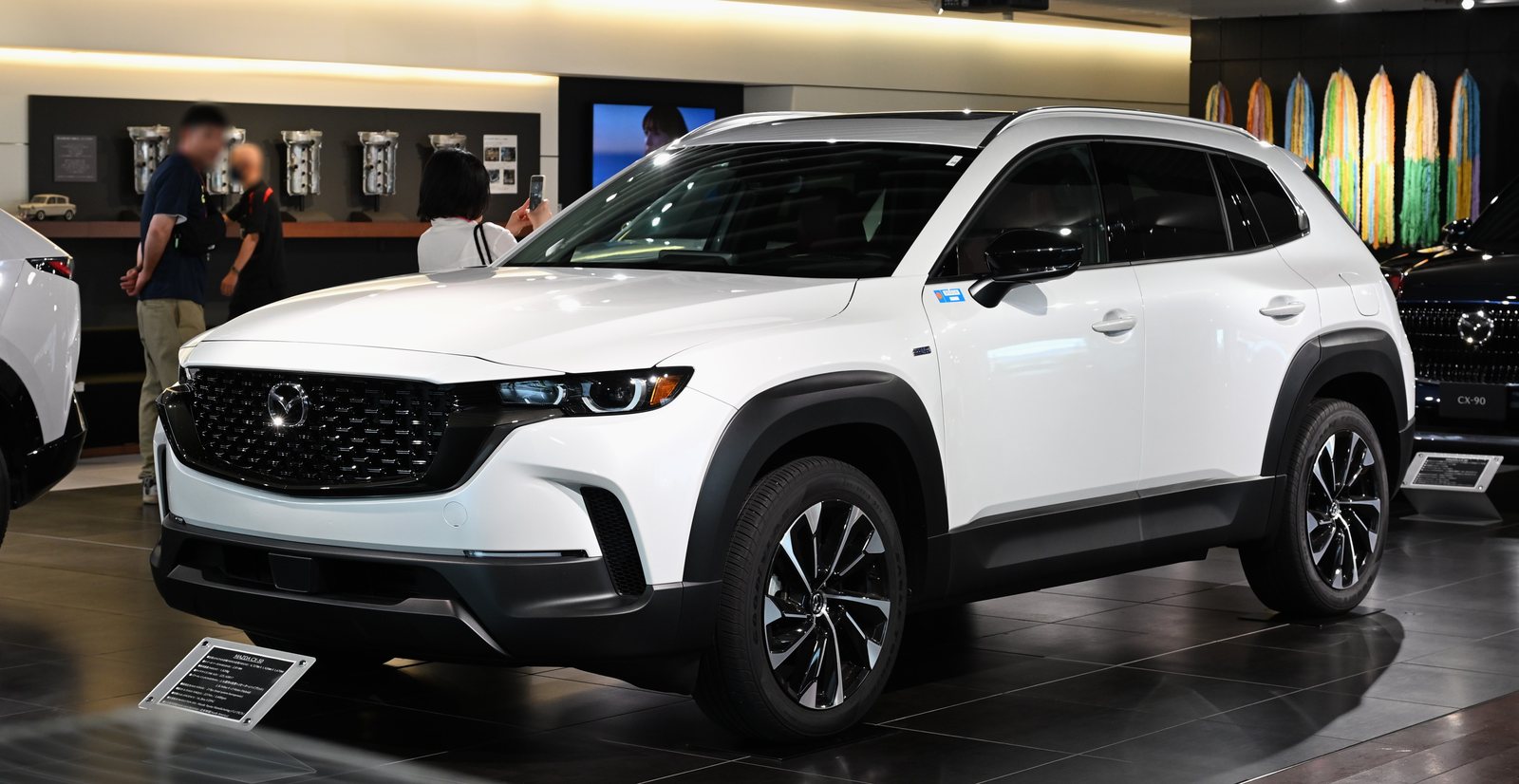
Key Takeaways
- Mazda runs the thinnest margins in the mainstream business: standard all-wheel drive and short option lists leave a smaller percentage gap than at Ford, Chevrolet or Toyota.
- Mazda holdback is disputed — published charts list 1% of base MSRP (current) and 2% (historical) — and either figure is a few hundred dollars on a typical Mazda.
- Because the spread is thin, the deal is decided on fees, dealer add-ons and financing, which can exceed the vehicle's whole negotiable spread.
- The CX-5 is usually the easiest Mazda to negotiate (volume model, deep stock); the CX-90 has the largest dollar spread per vehicle.
This guide is built around Mazda invoice prices — the figures behind the sticker, and how to use them when you negotiate. Mazda is the one mainstream make on this site with a buying guide but, until now, no invoice page — and Mazda buyers need the invoice more than most, because Mazda runs the thinnest margins in the mainstream business. The invoice price is what the dealer paid Mazda for the vehicle as configured, and at Mazda the gap between that figure and the sticker is smaller than at Ford, Chevrolet or Toyota. That changes the negotiation in both directions: there is less spread to win, and what spread exists is easier to reach if you know exactly where it sits. This guide prices the four volume Mazdas — CX-5, CX-50, CX-90 and Mazda3 — the same way our Toyota and Honda pages do, and deals honestly with the one number Mazda guides usually fudge: a holdback rate the published charts openly disagree about.
Start with our Mazda buying guide for the model-by-model picture, then pull the exact figure for your build on the invoice pricing page.
Mazda Invoice Prices at a Glance
| Item | What Mazda buyers should know |
|---|---|
| Invoice price | What the dealer paid Mazda for the vehicle as configured, including destination |
| Typical margin character | The thinnest percentage spread among mainstream brands — small dollars, reachable deals |
| Holdback | Disputed — published charts conflict: 1% vs 2% of base MSRP (see below) |
| Destination charge | Set by Mazda, the same at every dealer for the same model, in both MSRP and invoice |
| Incentive pattern | Modest cash, loyalty money and competitive APR offers; thinner than the truck brands |
| Best first step | Price the exact trim — Mazda's short option lists make the invoice unusually predictable |
Mazda Invoice Prices by Model
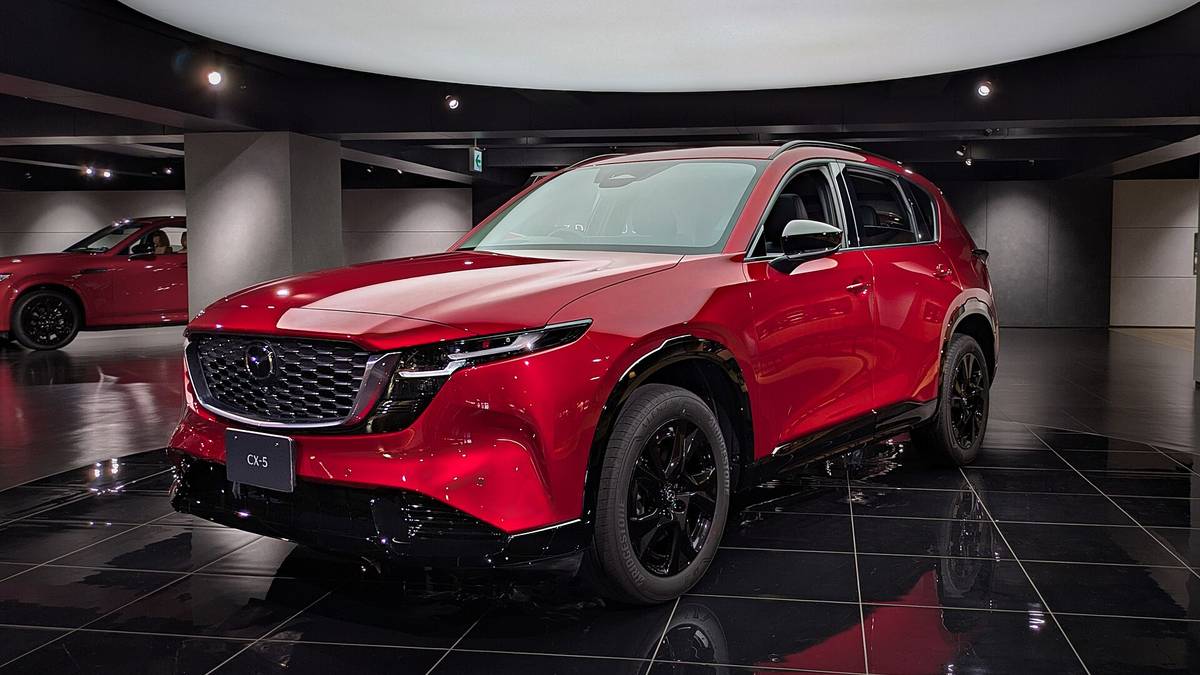
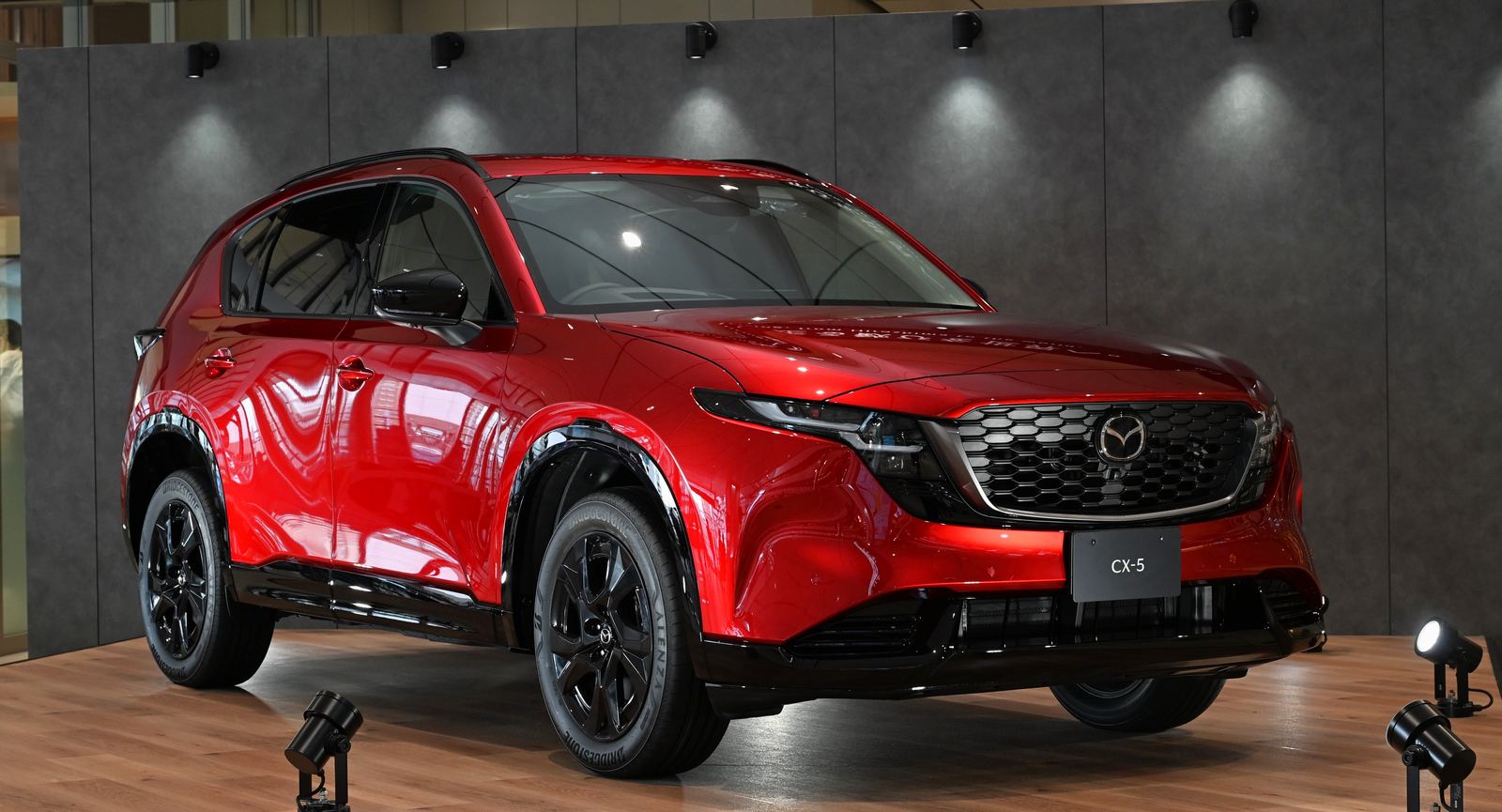
- CX-5 — Mazda's best-seller, fully redesigned for the 2026 model year with a larger body and a single 2.5L engine at launch, all-wheel drive standard, and a hybrid version announced to follow. The old turbo option is gone, which simplifies the invoice: the ladder is trim and package only. It is the volume Mazda and the one with the most competing inventory, so it is usually the easiest Mazda to negotiate. Our dedicated Mazda CX-5 invoice price guide breaks its trims down rung by rung.
- CX-50 — the rugged-styled sibling, built in Alabama alongside Toyota products and offered in gas and hybrid forms — the hybrid using a Toyota-sourced system. Two powertrain profiles mean two invoice profiles; compare quotes only against the identical powertrain, because the hybrid's premium is invoiced like the Toyota content it contains.
- CX-90 — the flagship three-row, with a turbocharged 3.3L inline-six or a plug-in hybrid. The CX-90 carries the highest stickers and the largest dollar spreads in the Mazda range, which makes it the Mazda where per-build invoice research pays back the most — and its plug-in hybrid qualifies it for a different incentive conversation than any other Mazda.
- Mazda3 — the compact car, sold as a sedan and a hatchback, with a naturally aspirated 2.5L and a turbocharged version in the hatchback. Small stickers mean small spreads; on a Mazda3 the negotiation is won on fees, add-ons and financing more than on the vehicle's margin.
Around those four sit the CX-30 crossover, the two-row CX-70 (the CX-90's powertrains in a smaller body) and the MX-5 Miata, each following the same thin-margin Mazda invoice pricing pattern described here.
Why Mazda's Spread Is the Thinnest in the Business
Three structural facts keep Mazda's invoice close to its sticker. First, Mazda prices its vehicles low against their equipment: all-wheel drive is standard across the SUV line, and equipment rivals charge for is bundled in — content that does not create an option margin for anyone. Second, Mazda's option lists are short. Where a Ford or Chevrolet sticker can be a third packages, a Mazda sticker is mostly base price and trim, and base price carries the slimmest margin on the invoice. Third, Mazda is a small brand without fleet volume to average against, so it cannot hide margin in scale. The practical consequence for buyers is counterintuitive but useful: the percentage you can negotiate off a Mazda is smaller than at the truck brands, but the effort required is also smaller, because there are fewer places for a quote to hide money. Run the exact build in the calculator and compare out-the-door totals — on a Mazda, the fee lines and dealer add-ons can exceed the vehicle's whole negotiable spread, which makes them the main event.
Mazda Holdback: The Percentage the Charts Disagree About
Holdback is the amount the manufacturer returns to the dealer after the vehicle sells, and it is where Mazda's numbers demand honesty rather than a tidy answer. Our holdback research tracks every major published chart, and on Mazda the charts conflict: the current chart lists Mazda holdback at 1% of base MSRP, while the long-circulated historical chart lists 2% of base MSRP. We have not found a third source that breaks the tie, so this page prints both and asserts neither — the full brand-by-brand picture, disputes included, is in our dealer holdback by make table.
The dispute matters less than it would at any other brand, because both candidate figures are small. Illustrative example — not a live price: on a hypothetical Mazda with a base MSRP of $30,000, holdback at 1% returns $300 to the dealer after the sale; at 2% it would return $600. Even taking the higher figure, Mazda's holdback pool is the thinnest among mainstream brands — Toyota's is calculated on the same base-MSRP basis at twice the current-chart Mazda rate. The conclusion buyers should carry is structural, not numerical: at Mazda, invoice sits unusually close to the dealer's true cost on the vehicle itself, so a deal at or near invoice is a genuinely fair deal in a way it is not at brands with 3%-of-total-MSRP holdback. The money left on a Mazda negotiation lives in incentives, financing and fees, not in a deep margin under the invoice.
Incentives and Mazda's Discounting Pattern
Mazda's incentive support is real but measured: loyalty cash for returning owners, conquest offers aimed at rival brands, and APR programs that are frequently the best value on the page. Because the vehicle's spread is thin, a current APR offer or a loyalty rebate can be worth more than everything you could negotiate off the price — check what is live on your exact model before you set a target, and run the cash-versus-APR comparison the way how to negotiate from invoice price lays out. Availability is the other Mazda lever: the brand builds fewer vehicles than the giants, so a common CX-5 trim on a large lot discounts more readily than a scarce CX-90 plug-in hybrid or a turbo Mazda3 hatchback, whatever the invoice says.
Frequently Asked Questions
What is Mazda's dealer holdback?
It is genuinely disputed. The current published chart lists 1% of base MSRP; the historical chart lists 2% of base MSRP, and no source we have found resolves the conflict. Either way it is the thinnest holdback among mainstream brands — a few hundred dollars on a typical Mazda — so this guide treats the structure (small pool, invoice close to true cost) as the reliable fact and prints both rates rather than picking one.
Are Mazda invoice prices close to MSRP?
Closer than at most mainstream brands, yes. Standard all-wheel drive, short option lists and firm base pricing leave a smaller percentage gap between sticker and invoice than at Ford, Chevrolet or Toyota. The dollar gap still grows with the sticker — a CX-90 carries more negotiable margin than a Mazda3 — but Mazda is the brand where invoice-first shopping most often ends near invoice.
Which Mazda has the most negotiation room?
The CX-5, for practical rather than structural reasons: it is the volume model, dealers stock it in depth, and competing stores hold competing units of the same trims. The CX-90 has the largest dollar spread per vehicle but thinner stock; the Mazda3's spread is small enough that fees and financing decide its deals.
Do Mazda invoice prices include destination?
Yes. Mazda sets the destination charge, it is identical at every dealer for the same model, and it appears in both the MSRP and the invoice totals. It is not dealer margin; negotiate the selling price, the add-ons and the financing instead.
The Bottom Line on Mazda Invoice Prices
Mazda completes this site's invoice coverage of the mainstream makes, and it is the brand that teaches the sharpest lesson: when margins are thin and holdback is a few hundred disputed dollars, the invoice stops being a target to beat and becomes a fairness test to apply. Pull the exact Mazda invoice price for your CX-5, CX-50, CX-90 or Mazda3 on MyCarDiscount, check the current incentives and fees against it, and negotiate the out-the-door total with the full picture in hand. With Mazda invoice prices in hand, you are no longer negotiating blind — start from the dealer's number, not the sticker. Start at MyCarDiscount.com.
Get the number dealers start from.
Invoice, estimated true cost, out-the-door — before any dealer hears your name.