
Honda Civic vs Toyota Corolla: Price, MPG and Resale
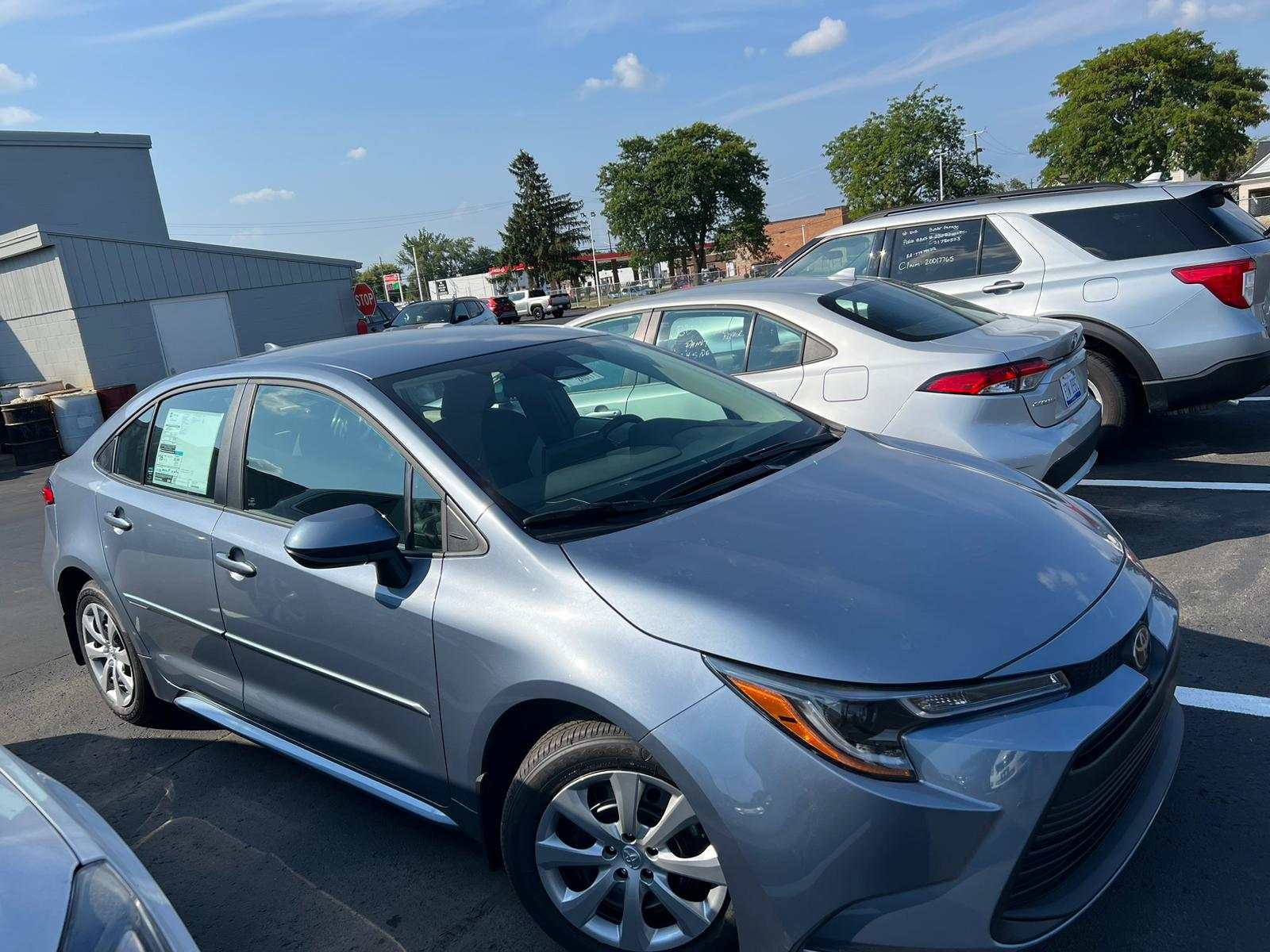
Honda Civic vs Toyota Corolla compared: the two compact cars that outlived the segment, compared the way families actually buy them: price, fuel, safety kit and what each is worth in five years.
Key Takeaways
- The Corolla is cheaper at both doors: $23,125 against $24,695 as gas cars, and its hybrid starts $4,420 below the Civic hybrid at $24,975.
- Fuel economy is effectively a tie — the gas cars rate 36 against 35 mpg combined, the hybrids 49 against 50 — so buy on price, space and resale.
- The Civic is roomier (37.4 in of rear legroom against 34.8) and holds value better: 27.9% five-year depreciation against 31.3%, about $850 on $25,000.
- Toyota covers hybrid batteries longer, 10 years/150,000 miles against Honda's 8/100,000; only the Civic hatchback offers a hybrid — Toyota's hatch is gas-only.
This Honda Civic vs Toyota Corolla comparison is decided on the numbers and the ownership costs, not the badge — here is how the two stack up. The compact sedan was supposed to die, replaced by crossovers. Instead, the Honda Civic and Toyota Corolla outlived almost every rival and remain the two default answers for a first car, a commuter car, or the car a parent buys a new driver. Both are sold as sedans and hatchbacks, both offer a hybrid, and both carry their brands' full safety suites as standard. The differences are in the details that compound over five years of ownership: a $1,570 gap at the door, a hybrid that costs $4,420 less in one showroom than the other, and a resale contest with a measurable winner. This guide costs both cars the way families actually buy them. The Honda's dealer-side pricing is in our Honda Civic invoice price guide.
Honda Civic vs Toyota Corolla at a Glance
| Item | Honda Civic (2026) | Toyota Corolla (2026) |
|---|---|---|
| Starting MSRP | $24,695 (LX sedan) | $23,125 (LE sedan) |
| Hybrid starting MSRP | $29,395 (Sport Hybrid) | $24,975 (Hybrid LE) |
| Gas powertrain | 2.0L, 150 hp; 36 mpg combined | 2.0L, 169 hp; 35 mpg combined |
| Hybrid powertrain | 200 hp; 49 mpg combined | 138 hp; 50 mpg combined, AWD available |
| Rear legroom | 37.4 in | 34.8 in |
| Trunk / hatchback cargo | 14.8 cu ft / 24.5 cu ft | 13.1 cu ft / 17.8 cu ft |
| Five-year depreciation | 27.9% | 31.3% |
Price: Toyota Undercuts at Both Doors
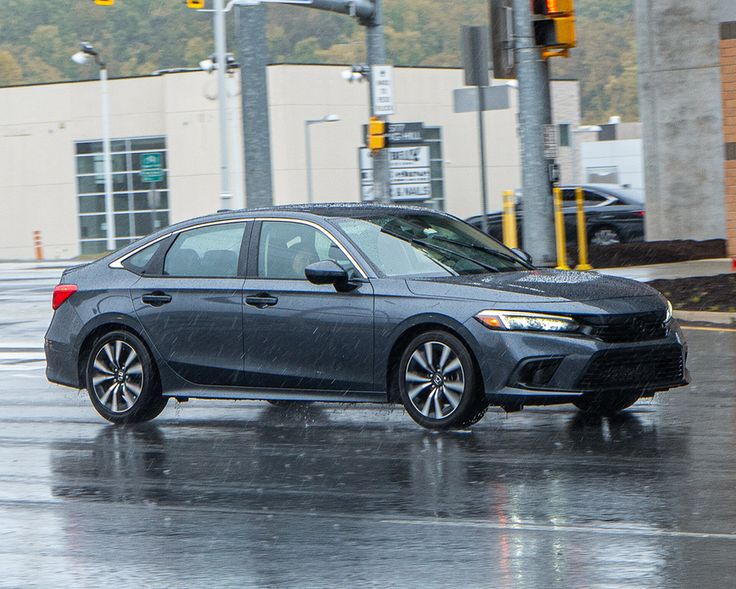
The Corolla LE starts at $23,125, undercutting the Civic LX's $24,695 by $1,570, and both cars carry the same $1,195 destination charge, so the gap is real money rather than fee accounting. The bigger story is the hybrid door. Toyota sells the Corolla Hybrid LE at $24,975 — just $1,850 over its own gas car — while Honda's hybrid Civic starts at the $29,395 Sport Hybrid, $4,420 above the Toyota. Honda partly justifies that with standard equipment (the Sport Hybrid includes a moonroof, heated seats and larger wheels the base Corolla Hybrid skips) and with a hybrid system that makes 200 hp against the Corolla hybrid's 138. But a buyer whose priority is the lowest hybrid entry price in the segment is not close: it is the Corolla, by thousands.
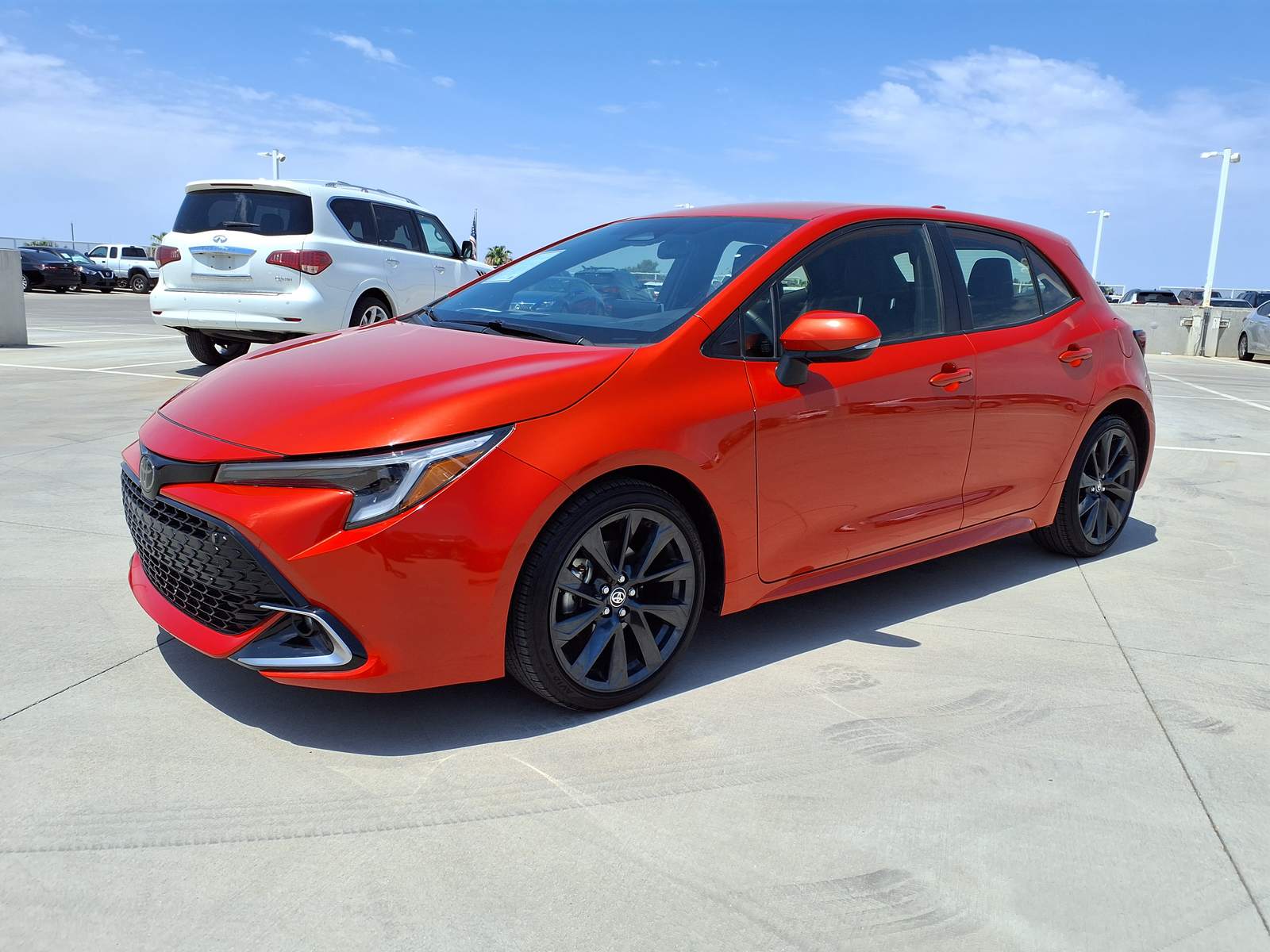
Hatchback shoppers face an asymmetry. The Civic hatchback starts at $27,895 and offers the same hybrid range as the sedan; the Corolla hatchback starts lower, at $24,580, but is gas-only in the United States — the hybrid Corolla is a sedan, full stop.
MPG and the Hybrid Payback
At the pump the gas cars are a near tie: 36 mpg combined for the Civic LX against 35 for the Corolla LE, which works out to about $1,000 a year against $1,029 at 12,000 miles and an illustrative $3.00 a gallon — a $29 annual difference nobody should buy a car over. The hybrids are equally close: 49 mpg for the Civic sedan, 50 for the Corolla, worth about $735 against $720 a year.
Where the two diverge is what the hybrid upgrade itself costs to earn back. The Corolla Hybrid's $1,850 premium over the gas LE saves roughly $309 a year in fuel at typical mileage, repaying itself in about six years. The Civic hybrid's $2,700 premium over the gas Sport saves roughly $324 a year — a figure worked against the gas Sport's own 34 mpg combined rating rather than the LX's 36 — and the Honda is quicker and thriftier in absolute terms, but the larger premium takes about eight years to repay on fuel alone. High-mileage drivers compress both timelines; everyone else should buy the hybrid for the driving experience and treat the payback as a bonus.
Space and Safety Kit: The Family Ledger
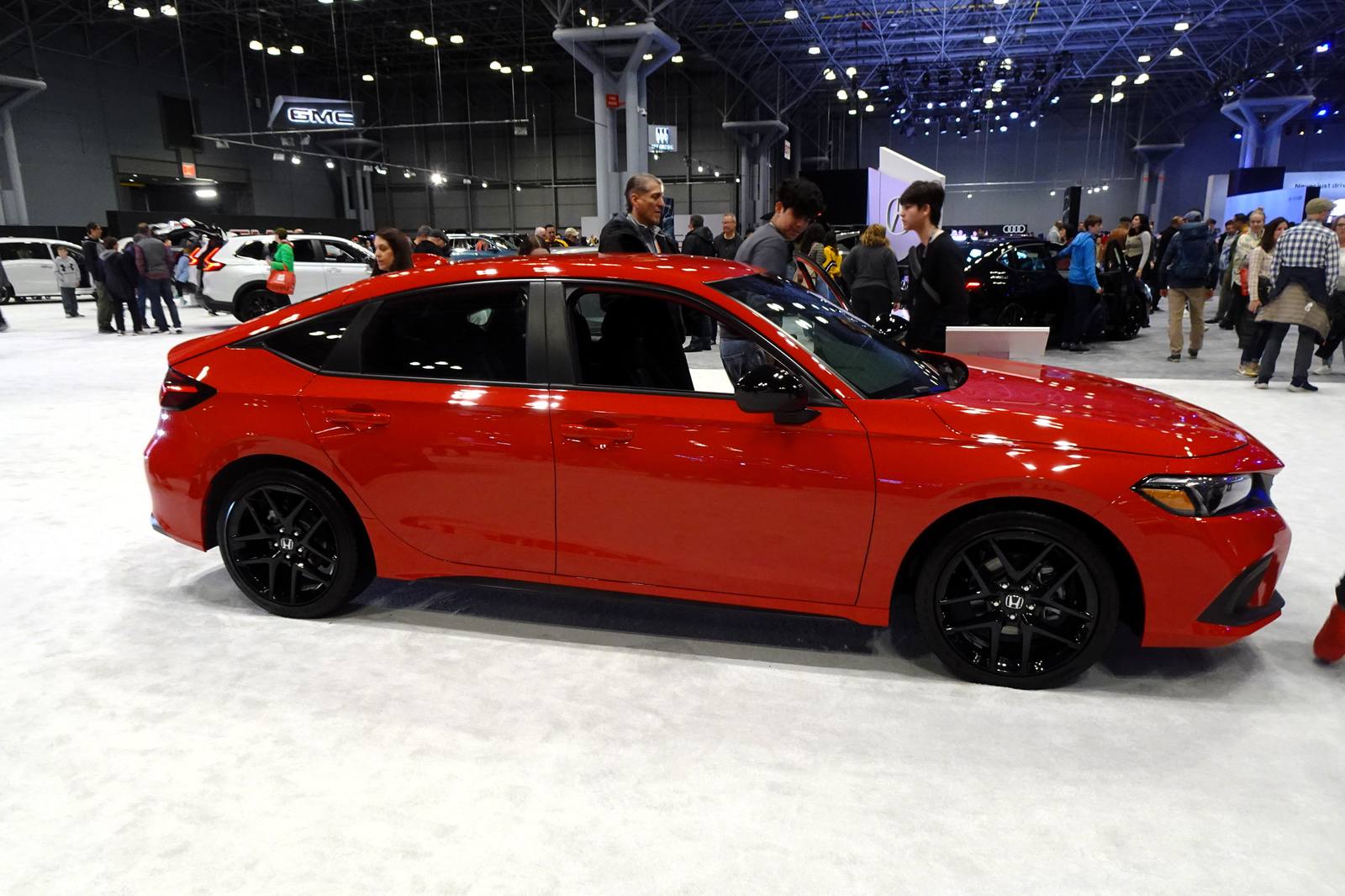
The Civic is the bigger car inside. Rear legroom measures 37.4 inches against the Corolla's 34.8 — the difference between a teenager who fits and a teenager who complains — and the Civic's trunk is larger (14.8 cubic feet against 13.1), while its hatchback swallows 24.5 cubic feet against the Corolla hatchback's 17.8. On safety kit, both brands bundle their full driver-assistance suites as standard, but read the trim ladder: Toyota includes blind-spot warning from the base LE up, while Honda reserves blind-spot monitoring for the Civic Sport and above. The Civic hatchback is a 2026 IIHS Top Safety Pick and the Civic hybrid carries a five-star NHTSA overall rating, so neither car asks a parent to compromise on crashworthiness — only on which convenience features arrive at which price.
Resale: The Civic's Quiet Advantage
Both cars hold value far better than the average new vehicle, but published five-year depreciation data separates them: the Civic loses about 27.9% of its value in five years, the Corolla about 31.3%. On a $25,000 purchase that is roughly $18,025 retained against $17,175 — about $850 more money back at trade-in time for the Honda, before counting the Civic's typically stronger demand on the used market. Warranty coverage splits the other way for hybrid buyers: Toyota's hybrid battery warranty runs 10 years or 150,000 miles against Honda's 8 years or 100,000 miles, and ToyotaCare includes two years or 25,000 miles of scheduled maintenance against Honda's one year or 12,000 miles. Families who keep a car past 100,000 miles should weigh the Toyota's coverage; families who trade at five years should weigh the Honda's resale.
Which One Should Your Money Buy?
- Buy the Corolla if the budget rules: the lowest starting price, the cheapest route into a hybrid by $4,420, available hybrid all-wheel drive, and the longer hybrid battery warranty.
- Buy the Civic if people and things ride in back, you want the hybrid with real performance (200 hp, and it feels it), or you plan to sell in five years and keep the resale edge.
- Either way, negotiate from the invoice, not the sticker, and compare out-the-door quotes on the identical trim — the framework in how to negotiate from invoice price applies to both.
Frequently Asked Questions
Which is cheaper, the Civic or the Corolla?
The Corolla, at both doors. The gas Corolla LE starts at $23,125 against the Civic LX's $24,695, and the hybrid gap is far wider: the Corolla Hybrid LE starts at $24,975, a full $4,420 below the Civic Sport Hybrid's $29,395. Both brands charge the same $1,195 destination fee.
Which gets better gas mileage, the Civic or the Corolla?
Effectively a tie. The gas cars rate 36 mpg combined (Civic) and 35 (Corolla); the hybrids rate 49 (Civic sedan) and 50 (Corolla). At 12,000 miles a year the annual fuel difference is under $30 either way — buy on price, space and resale instead.
Which holds its value better, the Civic or the Corolla?
The Civic, on published five-year depreciation data: about 27.9% lost against the Corolla's 31.3%. On a $25,000 car that is roughly $850 more retained value at the five-year mark. Both are far stronger than the industry average.
Can you get a hybrid hatchback?
From Honda, yes — the Civic hatchback offers the same 200-hp hybrid as the sedan, from $30,595. From Toyota, no: the Corolla hatchback is gas-only in the United States, and the hybrid Corolla is sold exclusively as a sedan (with available all-wheel drive).
The Bottom Line on Honda Civic vs Toyota Corolla
Read as Toyota Corolla vs Honda Civic, the split is simple: the Corolla is the value instrument: cheaper to buy as a gas car, thousands cheaper as a hybrid, and covered by the longer hybrid battery warranty. The Civic is the better car to live with: roomier, quicker as a hybrid, and worth roughly $850 more after five years. Families buying a first car should start with the Corolla's price and make the Civic justify its premium in the test drive — sometimes it will. Pull the invoice for the exact trim, and negotiate the out-the-door total. That settles the Honda Civic vs Toyota Corolla question on the evidence: pick the one that fits your life, then negotiate as if the other one were still on the table. Then price the Honda Civic or Toyota Corolla from invoice in our calculator before you sign. Start at MyCarDiscount.com.
Get the number dealers start from.
Invoice, estimated true cost, out-the-door — before any dealer hears your name.