
Best Cars for New Drivers and Teenagers on a Budget
Top cars for new drivers follow the opposite instincts to an experienced buyer's: modest power, maximum crash protection and running costs that survive a learner's mistakes — boring on purpose.
Key Takeaways
- New drivers need modest power, maximum crash protection and safety technology that compensates for inexperience.
- Motor vehicle crashes are a leading cause of death for American teenagers, with risk highest in the first months of independent driving.
- Low insurance and running costs matter — the learning years are expensive enough.
- The best choices here are boring on purpose.
The best cars for new drivers are chosen by a different logic than every other car on this site. An experienced buyer shops for the most capability their budget stretches to; a new driver needs the opposite instincts — modest power, maximum crash protection, safety technology that compensates for inexperience, and running costs that survive a learner's mistakes. The stakes justify the care: the CDC identifies motor vehicle crashes as a leading cause of death for American teenagers, with risk highest in the first months of independent driving. This guide sets out the criteria safety experts actually use, then the model types that meet them on a family budget.
Best Cars for New Drivers: The Criteria That Matter
| Criterion | Why it matters | What to look for |
|---|---|---|
| Crash protection | Inexperience makes crashes more likely; structure decides outcomes | Top ratings in IIHS and NHTSA crash tests for the exact model year |
| Standard driver assistance | Automatic emergency braking and lane warnings forgive the errors beginners make | Safety suite standard on the trim you buy, not optional on a higher one |
| Modest power | The IIHS advises against high-horsepower cars for teens — speed is the risk multiplier | Base engines; avoid performance trims entirely |
| Size and weight balance | Bigger, heavier vehicles protect their occupants better — but very large vehicles are harder to place and park | Mid-size sedan or compact SUV class rather than the smallest or largest options |
| Electronic stability control | The single most proven crash-avoidance technology; mandatory on new cars since the 2012 model year | Standard on any modern candidate — verify on older used options |
| Insurance and running costs | Young-driver premiums are high; the model choice moves them | Modest, mainstream models with cheap parts and tires; quote insurance before buying |
Notice what is not on the list: novelty, image and features for their own sake. A first car is a training environment. Every criterion above either prevents a crash, softens one, or keeps the annual cost of the learning years from distorting the family budget.
The Model Types That Fit
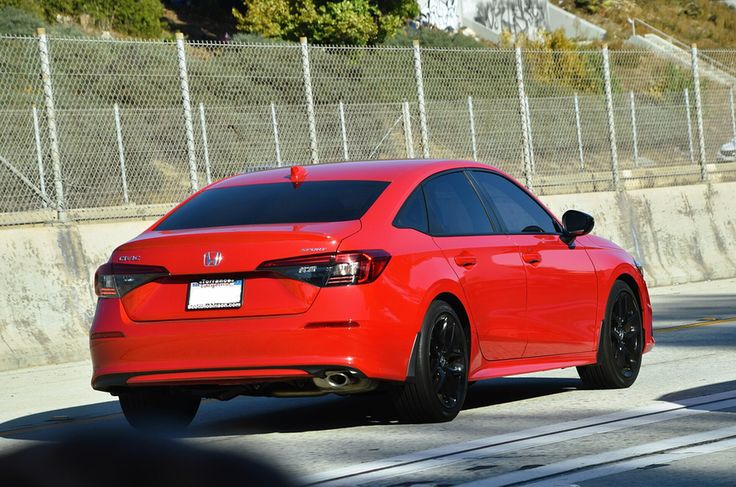
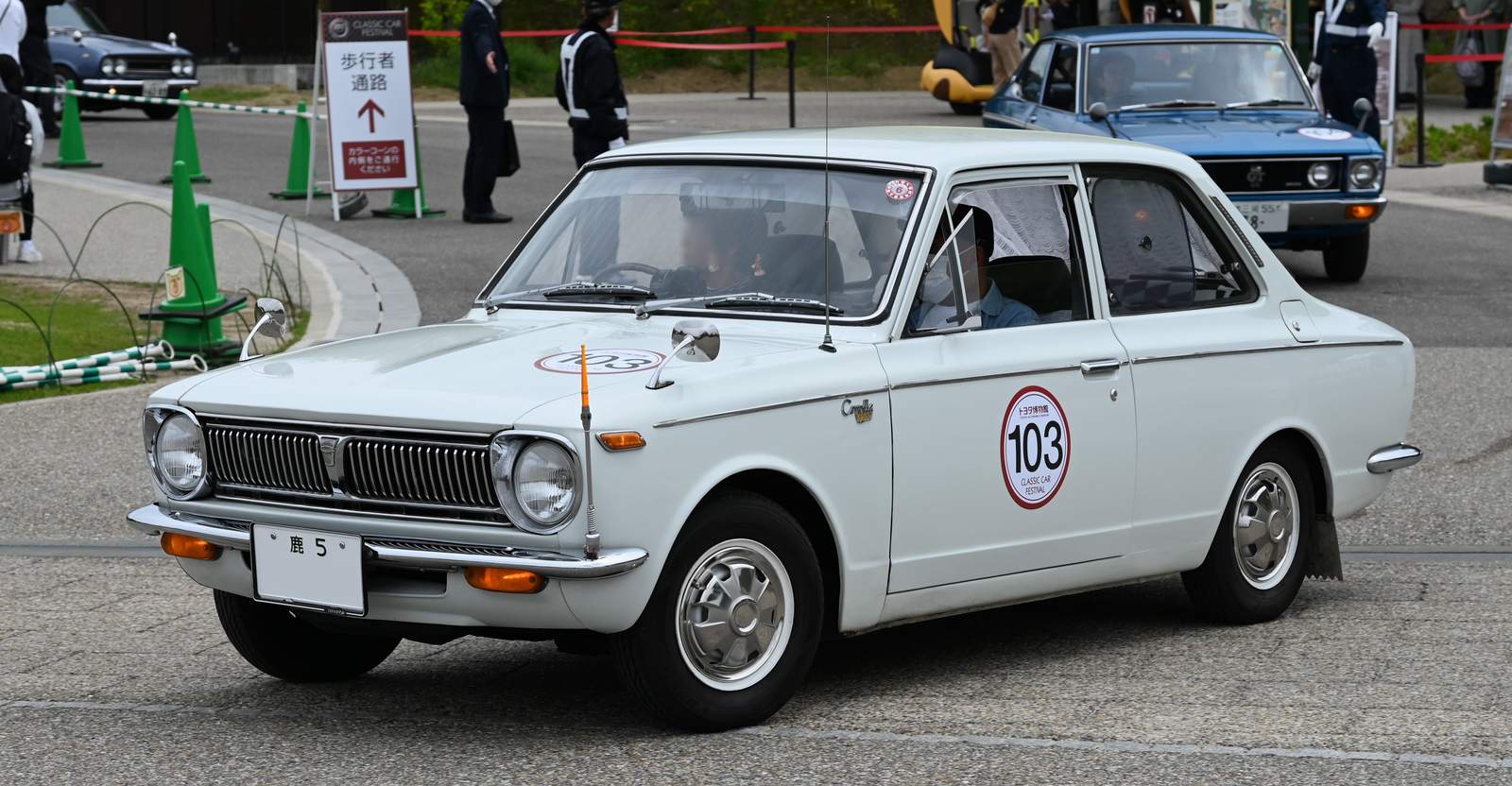
Mainstream compact and mid-size sedans are the default answer for good reason. Models in the class of the Toyota Corolla, Honda Civic and Mazda3 combine strong crash-test records, standard safety suites on current versions, modest base engines and the lowest insurance and running costs of any shape — the same economics that win our SUV vs sedan comparison for budget buyers. Their lower driving position and tidy dimensions also make them easier for a beginner to place in traffic and park without incident.
Compact SUVs suit families who need the cargo access or all-weather traction — models in the class of the Toyota RAV4, Honda CR-V and Subaru's Crosstrek and Forester bring the same standard safety technology in a taller body, with the all-wheel-drive availability that snow-belt families value. The trade-offs are higher purchase and insurance costs and a taller vehicle to maneuver while spatial judgment is still developing.
What to avoid is as important. High-performance trims of any model fail the power criterion outright. Very small cars trade away the size and weight that protect in a two-vehicle crash. Very large trucks and SUVs protect their own occupants but are unforgiving to place, expensive to insure and repair, and transfer more force to whatever they hit. Old vehicles without stability control or modern crash structures fail the criteria however cheap they are — a bargain that removes the safety net is not a bargain for a driver who needs it most.
Verify the exact trim before you commit: safety suites are standard across most current mainstream ranges, but on some models the full suite still arrives a trim above base. The window sticker and the model's IIHS page for that specific year settle it in minutes.
Budgeting the Learning Years
Insurance is the cost that shocks families. A teenage driver multiplies a policy's price, and the model choice is one of the few levers that moves it: modest mainstream cars with strong safety records sit in the kindest bands, performance and luxury models in the cruellest. Get quotes on your two or three finalists before purchase — the ranking surprises people regularly. Fuel, tires and servicing follow the pattern in our guide to the true cost of owning a car: smaller, simpler cars cost less on every line.
Two levers soften the insurance shock. First, ask about discounts before you need them: many insurers reduce premiums for good students, for completing an accredited driver-education course, or for a telematics program that prices the policy on measured driving rather than age alone — and the feedback those programs give lands in exactly the months when a new driver's habits are forming. Second, where the rules allow, list the new driver on the family's existing policy rather than a standalone one; multi-car households usually pay less in total that way than insuring the first car separately.
Buying new versus used is a genuine judgment call here. New buys the full modern safety suite, the warranty and known history, at the highest price. A few-years-old example of the same recommended models keeps most of the safety technology — stability control has been mandatory since the 2012 model year — at a much lower price, provided its crash ratings for that year check out. Our first-time car buyer guide walks the purchase process itself, and how much car you can afford frames the family budget decision honestly.
Frequently asked questions
What makes a car one of the top cars for new drivers?
The combination, not any single feature: top crash-test ratings, a standard driver-assistance suite, modest power, electronic stability control, and a size class that protects without overwhelming a beginner's judgment — in a mainstream model whose insurance and repair costs a family can carry for years.
Are the best cars for new drivers sedans or SUVs?
Usually sedans, on total cost and ease of handling — compact and mid-size sedans deliver the same safety technology as their SUV counterparts with lower purchase prices, fuel bills and insurance. Compact SUVs earn their place when the family genuinely needs the cargo access, seating height or all-wheel drive.
Should a new driver get a new car or a used one?
Either can be right. New guarantees the latest safety suite and a warranty; a used example of a recommended model from the last several years keeps the core protections — crash structure, stability control, and increasingly the assistance suite — for much less. What matters is verifying the specific model year's crash ratings and standard equipment, not the car's age alone.
How much power is too much for the best cars for new drivers?
There is no official threshold, but the principle from the IIHS is clear: avoid high-horsepower vehicles for teenagers, because power invites the speed that turns inexperience into severity. Base-engine mainstream models are the right zone — adequate for merging and hills, without surplus that encourages experimentation.
Conclusion: The Best Cars for New Drivers Are Boring on Purpose
The best cars for new drivers put the excitement in the driving, not the car. Choose by crash ratings, standard safety technology, modest power and honest running costs, quote the insurance before you buy, and a first car becomes what it should be: a protected place to build the judgment that no technology can substitute for. The best cars for new drivers compared in this guide are not a compromise — for a new driver, they are the performance that matters. Start at MyCarDiscount.com.

Get the number dealers start from.
Invoice, estimated true cost, out-the-door — before any dealer hears your name.