
Honda Civic Invoice Price: Sport, Si and Type R Compared
One nameplate spans first-car money and halo-car money — this guide prices the Civic invoice price ladder, rung by rung.
Key Takeaways
- Honda holdback is 2% of base MSRP — older charts said 3%, and negotiating from the stale figure overstates the dealer's cushion by half.
- On LX and Sport, invoice is a working negotiating anchor; on the Si and Type R, scarce allocation makes it a ruler that measures the dealer's markup instead.
- The hatchback costs more than the sedan at the same trim and carries its own invoice — never negotiate a hatchback using a sedan's figures.
- Honda incentives are thin on the Civic, with finance and loyalty offers rather than standing cash, and the Si and Type R routinely excluded.
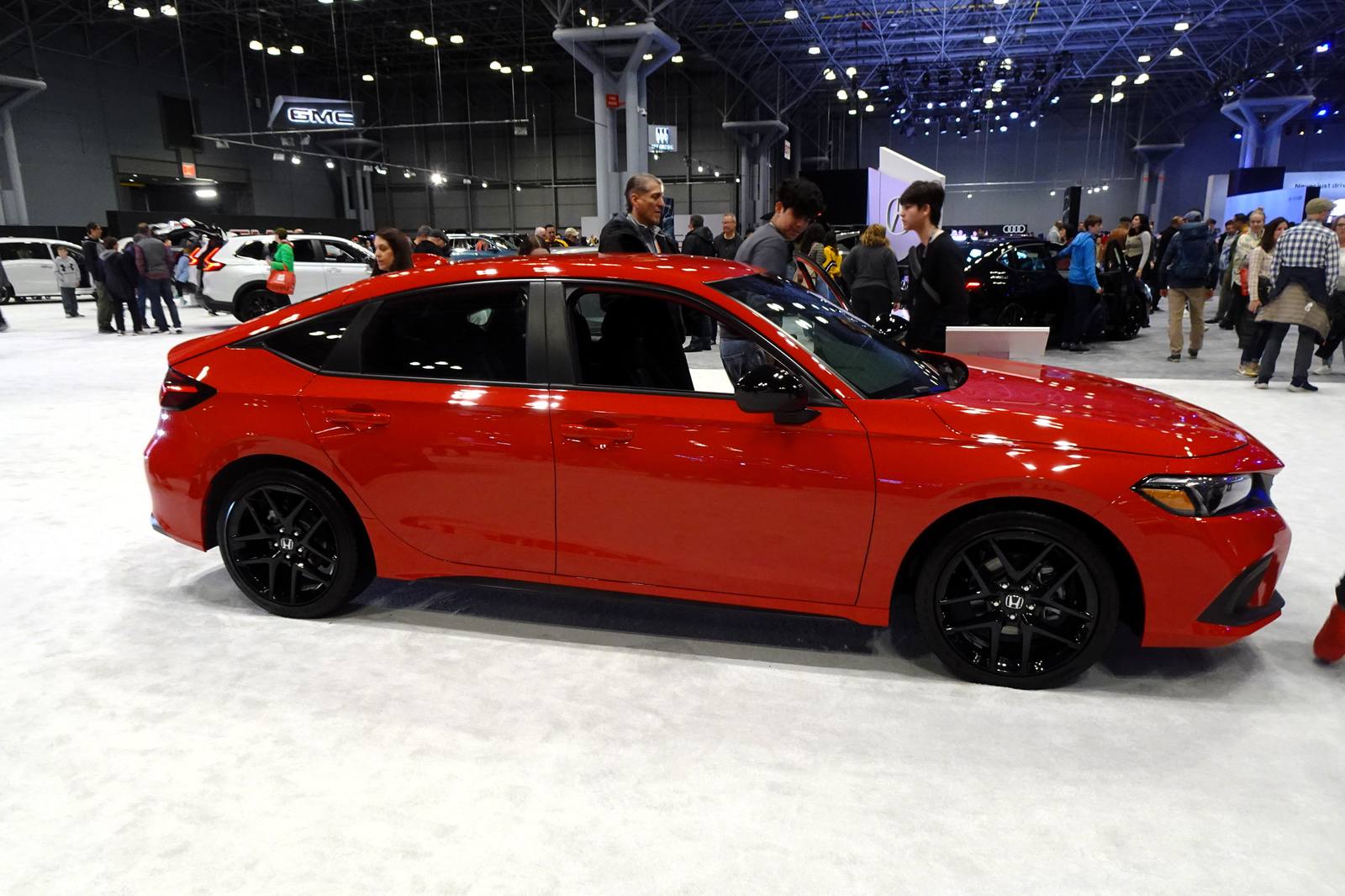
The Honda Civic invoice price covers more territory than any other single nameplate in this series. At the bottom sits a commuter sedan bought by first-time buyers watching every hundred dollars; at the top sits a limited-allocation performance hatchback that some dealers price above sticker. The invoice price is what the dealer paid Honda for that exact car, and it sits below the MSRP at every trim — but the meaning of the number changes completely along the ladder. On an LX or Sport, invoice is a negotiating anchor in a market with real supply. On a Type R, invoice is mostly a ruler: it measures how much markup a dealer is asking, because the negotiation runs the other direction. This guide prices the ladder rung by rung, explains Honda's holdback of 2% of base MSRP underneath it, and shows where the Civic's margin actually sits.
Start with our broader Honda invoice prices guide for the rest of the range, then pull the exact figure for your build on the invoice pricing page.
Honda Civic Invoice Price at a Glance
| Item | What Civic buyers should know |
|---|---|
| Invoice price | What the dealer paid Honda for the car as configured, including destination |
| Holdback | 2% of base MSRP — older charts said 3%; the newest chart says 2% |
| Where the gap widens | Hybrid trims and Sport Touring content; on Si and Type R, scarcity replaces margin as the story |
| Destination charge | Set by Honda, the same at every dealer for the same car, in both MSRP and invoice |
| Incentive pattern | Thin on Civic generally; Si and Type R routinely excluded from offers |
| Best first step | Fix the body style and trim, then pull that car's invoice before talking price |
Civic Invoice Price by Trim: From LX to Type R
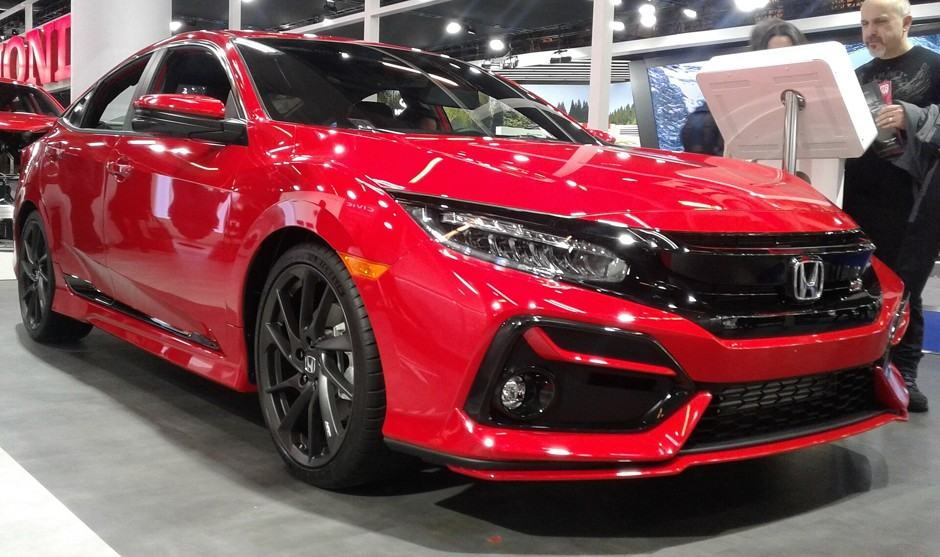
The Civic is really three lineups sharing a name — the gas commuter cars, the hybrids, and the performance pair — and each prices differently at invoice:
- LX — sedan only, and the price anchor of the range. The LX runs the 2.0L gas engine and the lightest equipment list, so its dollar gap between MSRP and invoice is the smallest on the ladder. It is also the trim where first-car buyers most need the number, because the deal is won or lost in hundreds.
- Sport — the volume trim, sold as both sedan and hatchback. The Sport adds appearance and convenience content over the LX on the same gas powertrain, and it is where most Civic negotiations in America actually happen: supply is real, and per-build invoice research pays.
- Sport Hybrid — the pivot of the current lineup. The two-motor hybrid system makes 200 horsepower — more than the gas trims — with an EPA rating around 50 mpg in the city. The hybrid hardware raises both MSRP and invoice, and strong demand keeps its discounts honest but modest.
- Sport Touring Hybrid — the top mainstream trim, sedan and hatchback, layering the premium screens, audio and driver-assistance content onto the hybrid powertrain. Its dollar spread is the widest of the regular range, because content carries margin the base car does not.
- Si — the enthusiast sedan: turbocharged power, a six-speed manual, and a limited production cadence. Si invoice matters less as a discount target — the cars move quickly — than as proof of what a fair price looks like when a dealer adds accessories or a markup.
- Type R — the halo hatchback, 315 horsepower, manual only, allocated in small numbers. Type R deals are governed by scarcity, not margin: some dealers ask over sticker, and the invoice is the baseline that tells you exactly how much over you are being asked to pay. A buyer who knows the invoice can compare markups between stores instead of comparing vibes.
Body style is the Civic's hidden pricing variable. The hatchback costs more than the sedan at the same trim, carries its own invoice, and holds value differently — never negotiate a hatchback using a sedan's figures.
Powertrains: Gas, Hybrid, and the Manual Pair
Three powertrain stories run through the ladder. The 150-horsepower 2.0L gas engine anchors the LX and Sport, and its invoice story is the simplest: low base price, thin margin, volume dealing. The hybrid system — a 2.0L engine with two electric motors, 200 horsepower combined — sits in the Sport Hybrid and Sport Touring Hybrid, and it changed the Civic's economics: the hybrid is now both the efficiency pick and the performance pick of the mainstream range, which is why its transaction prices stay firmer than the gas trims'. The Si and Type R are manual-only performance cars whose pricing is set as much by allocation as by cost; Honda builds fewer than the market wants, and every figure in their deals should be read with that in mind.
Factory options on the Civic are modest compared with truck lines — accessory packages, protection items and appearance pieces rather than thousands in bundled hardware — so the invoice spread concentrates in the trim steps themselves, especially the jump into the hybrid system and the Sport Touring content. Run your exact build in the calculator so the out-the-door math includes taxes and fees.
Honda Holdback on the Civic: 2% of Base MSRP
Holdback is the amount Honda returns to the dealer after the car sells, and it is the reason a dealer can sell at invoice and still make money on the vehicle. Our holdback research puts Honda holdback at 2% of base MSRP — and this is a make where the research discipline matters, because older published charts put Honda at 3%. Charts age; Honda's current figure in the newest chart is 2%, calculated on the base MSRP before options, and that is the figure this guide uses. A buyer working from a stale 3% assumption overstates the dealer's cushion by half again and sets targets the deal cannot reach.
Illustrative example — not a live price: take a hypothetical Civic with a base MSRP of $30,000. Holdback at 2% of base MSRP returns $600 to the dealer after the sale. That $600 never appears on the invoice, and on a compact car it is a substantial share of the total margin — which is why Civic deals at or near invoice are common on the mainstream trims, and why the last few hundred dollars of a Civic negotiation are the hardest.
Incentives: Thin by Design
Honda runs one of the industry's leaner incentive operations, and the Civic is leaner than most. Expect finance offers and occasional loyalty money rather than standing customer cash, with the Si and Type R routinely excluded from whatever is running. College-graduate and military programs exist at the brand level and are worth asking about if you qualify, because on a car with this little margin, a program rebate is real money. The practical sequence is unchanged: confirm what is live on your exact trim, pull the invoice, and negotiate the selling price — incentives stack on top of a negotiated price, not instead of one. Our method guide on how to find invoice price on a car walks the combination.
Negotiating a Civic With the Invoice in Hand
Civic negotiation splits by rung. On LX, Sport and the hybrids, the play is specification discipline: identical trim, identical body style, out-the-door quotes only, per our guide to negotiating from invoice price. Cross-shopping is unusually effective here because the Corolla is a permanent, credible alternative — our Civic vs Corolla comparison prices the rivalry directly. On the Si and Type R, invert the method: you are not negotiating down from MSRP so much as shopping the markup — get every quoting dealer's full out-the-door figure in writing, compare the premium over invoice between stores, and be willing to buy from the store whose number is smallest rather than the store that is closest. And at every rung, remember why the anchor matters: invoice is not the dealer's floor, because holdback sits below it on the mainstream trims. The full breakdown is in is invoice price the dealer cost.
Frequently Asked Questions
How do I find the Honda Civic invoice price for my exact car?
Invoice is calculated per trim, body style and option load, so look it up for the exact build on our invoice pricing page rather than relying on a model-level average. A gas Sport sedan and a Sport Touring Hybrid hatchback share a nameplate and almost nothing else in pricing.
Is the Civic invoice price the dealer's real cost?
No. Honda holdback of 2% of base MSRP and any factory-to-dealer incentives sit below the printed invoice, so the dealer's true cost is lower — the breakdown is in is invoice price the dealer cost.
Why do some websites say Honda holdback is 3%?
Older published holdback charts listed Honda at 3% of base MSRP. The newest chart puts Honda at 2%, and that is the figure to negotiate from today — working from the stale percentage overstates the dealer's hidden cushion by half.
Do Civic invoice prices include destination?
Yes. Honda sets the destination charge, it is identical at every dealer for the same car, and it appears in both the MSRP and the invoice totals. It is not dealer margin; negotiate the selling price and dealer-added items instead.
The Bottom Line on the Honda Civic Invoice Price
The Honda Civic invoice price is two stories in one nameplate: a mainstream range — LX through Sport Touring Hybrid — where thin margins, a 2%-of-base-MSRP holdback and real supply make invoice a working negotiating anchor, and a performance pair where the same number becomes the ruler that measures a markup. Body style and powertrain decide which story you are in, so the only figure worth negotiating from is the Honda Civic invoice pricing on your exact build. Pull it free on MyCarDiscount, build the out-the-door total, and let dealers compete on a car specified down to the last detail. Start at MyCarDiscount.com.
Get the number dealers start from.
Invoice, estimated true cost, out-the-door — before any dealer hears your name.