
Chevrolet Buying Guide: Silverado, Equinox and Trax Deals
The Chevrolet car buying guide short version: a full-size truck with an enormous price ladder, family crossovers and a value anchor are three different buying problems — read the range by role first.
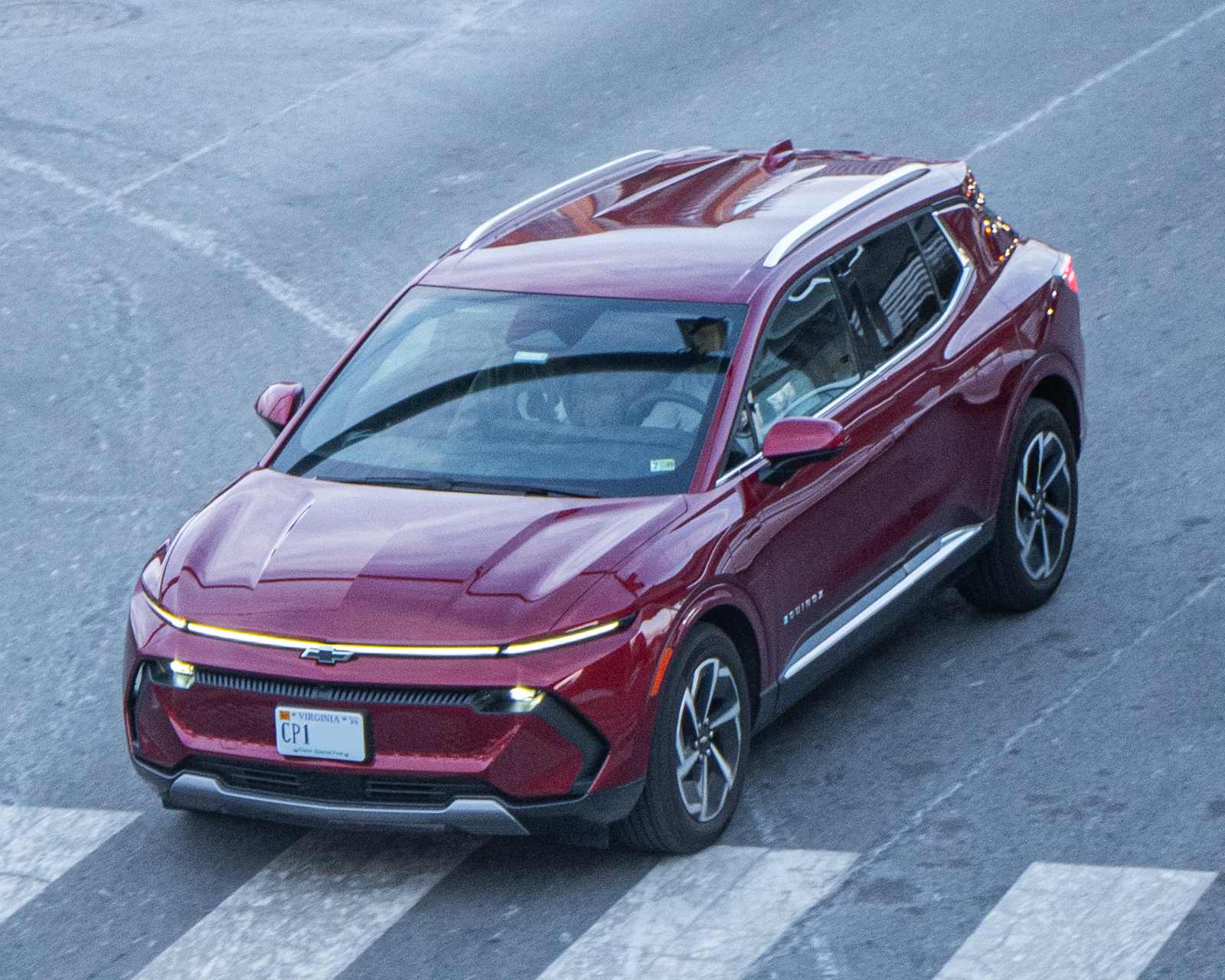
This Chevrolet buying guide is for buyers who want a clear method rather than a made-up discount promise. Chevrolet sells very different vehicles under one badge: a full-size truck with an enormous configuration ladder, family crossovers where most household demand sits, and a small crossover positioned as the value anchor for the whole brand. Those are different buying problems, and they reward different disciplines. Read the range by role first, fix the exact vehicle you need, and only then build a target you can test in writing against several dealers.
Chevrolet buying guide at a glance: choose by role
Each nameplate below is a tool for a distinct job. The table summarises the four models this guide covers.
| Model | Class and role | Trim-ladder character | Incentive character | Target-building note |
|---|---|---|---|---|
| Silverado 1500 | Full-size truck for work, towing and family duty | Very wide, from work-focused to luxury and off-road trims | Follows configuration and stock, strongest in the volume middle | Fix cab, bed, engine and drivetrain first |
| Equinox | Compact family crossover | Short ladder, mainstream to sport and active-styled trims | Competition concentrates here when stock is deep | Compare identical specifications across dealers |
| Trax | Small crossover, brand value anchor | Compact ladder with style-led steps | Positioned on sticker value, support tends thinner | Refuse add-ons, compare totals only |
| Traverse | Three-row family crossover | Mainstream through off-road-styled to premium | Three-row demand and stock shape competition | Build around the exact seating and trim need |
Silverado in this Chevrolet buying guide: master the price ladder
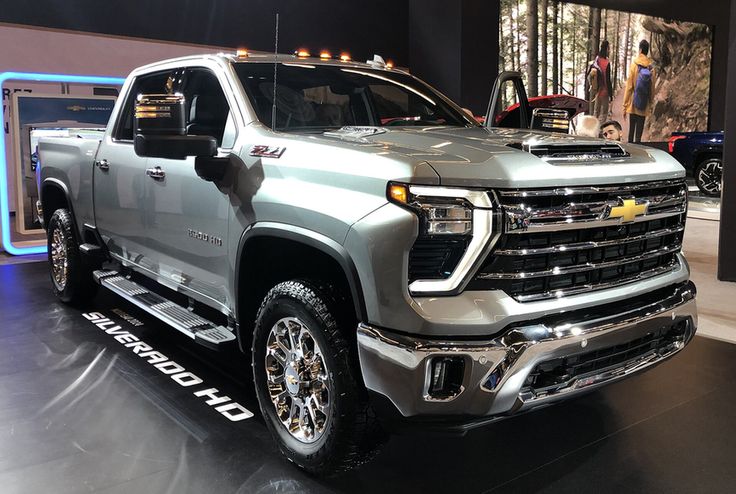
Silverado 1500 is where careless buyers lose the most ground without noticing. One nameplate spans work-truck configurations at the bottom, through mainstream crew cabs, to luxury-trim crew cabs at the top. The catalogue ladder runs from WT and Custom through LT, RST, Custom Trail Boss and LT Trail Boss to LTZ, High Country and ZR2. You climb that staircase, or slide down it, by configuration: cab, bed, engine, drivetrain and trim each move the truck into a different stock position and a different negotiation.
Two disciplines follow. First, spec discipline: decide the exact configuration you genuinely need, and write it down, before you contact a dealer. Do you need a crew cab every day, or only occasionally? Is four-wheel drive essential, or habit? Each casual step up the ladder costs more than any realistic discount on the lower configuration will recover, so negotiation cannot rescue a specification you never needed.
Second, know where competition lives. The volume middle of the ladder, the mainstream crew-cab configurations most buyers actually choose, is where stock depth and dealer competition concentrate, so identical trucks can be tested against each other in writing. The extremes behave differently: stripped work trucks can sit on thinner stock than their simple specification suggests, while halo luxury and specialist off-road trims carry a scarcity logic of their own. Do not assume a tactic that worked in the middle works unchanged at either end. For the wider truck field, see our guide to the best trucks for a set budget.
Trax: the price leader and value anchor
Chevrolet positions Trax as the brand price leader: a small crossover deliberately priced to sit at the floor of the new-car market and bring first-time and budget-conscious buyers into the brand. The catalogue carries LS, 1RS, LT, 2RS and ACTIV, a short ladder built around style and equipment rather than a change in the vehicle's basic job. Trax competes directly in the floor field covered by our roundup of the cheapest new cars.
State the buying logic plainly: at a deliberate price-leader position, there is little fat in the deal. The value case is the sticker itself, plus a new-car warranty, a known history and modern safety equipment, not a large reduction negotiated off the top. The discipline on Trax is therefore defensive. Refuse add-ons you did not ask for, question every extra line on the quote, keep the specification close to what you need, and compare out-the-door totals for the same trim from more than one dealer. If a quote quietly rebuilds the price with accessories and packages you never requested, the price-leader advantage has already been given away.
Equinox and Traverse: the family core
Equinox and Traverse carry the family's volume. Equinox is the compact crossover, carried as LT, RS and ACTIV, for households needing everyday space without three rows. Traverse is the three-row option, carried as LT, Z71, RS and High Country, for families whose seating need is real and regular rather than occasional. Most Chevrolet crossover buyers should start their shortlist here.
Because these are high-volume family crossovers, incentive support and cross-dealer competition tend to concentrate here when stock is deep and the model year turns. That does not mean every example carries support in every month. It means the conditions that create leverage, several dealers holding comparable stock with a reason to move outgoing model-year vehicles, occur most naturally in this part of the range. The guide to model-year-end car deals explains that timing in full. Be ready when it applies: same trim, same specification, written totals throughout, and no comparing one dealer's well-equipped car against another's plainer one.
The catalogue also carries Equinox EV as an electric variant in the range, and electric-vehicle incentive treatment should be checked separately and in writing, because programme rules and buyer eligibility can change and should never simply be assumed to mirror the petrol model.
Realistic discount targets: the method, never a number
A realistic target is built, not looked up, in five moves. First, start from the car's invoice position relative to its sticker price, using the structure explained in MSRP versus invoice price: the window sticker is not the dealer's cost, and invoice is not automatically the floor either. Second, account for the holdback layer set out below: one layer of the margin picture, sitting next to invoice and incentives, not a pot you can simply demand in full. Third, add only the factory incentives active on that exact model, in that month, that you actually qualify for. The Federal Trade Commission notes that manufacturer incentives are model-limited and must be explained, so get each incentive, its conditions and its end date in writing from the dealer. Fourth, adjust for stock age and model-year position: a vehicle that has sat while the year turns sits differently from a fresh arrival in short supply. Fifth, express the target as an out-the-door total and test it against written quotes from several dealers for the identical specification, using the approach in how to get dealers to compete.
Why print no number here? Because a target printed without the car's configuration, the month's incentives and local stock would be fiction. A single figure that ignored whether you meant a work-focused Silverado, a luxury crew cab, a Trax at the value floor or a three-row Traverse would mislead every reader differently. The method is the honest version of the promise: rebuilt each time from the facts of the actual car, it travels across models, months and towns in a way no borrowed figure can.
Holdback, stated exactly right. Per the site's holdback table, Chevrolet holdback is 3% of total MSRP. Total MSRP means the total sticker including options, not just the base vehicle, and the basis matters because the same rate applied to a different base describes a different amount. Holdback is a layer of dealer margin held back from the invoice side of the deal and accounted for after the sale, which is why a dealer can sometimes transact near invoice and still have margin. It does not mean the full amount is automatically available to you. Use it to understand the dealer's position, then let written out-the-door competition do the real work.
Frequently asked questions
Is Silverado or a family crossover the better Chevrolet to negotiate on?
Neither is automatically better. Silverado rewards configuration discipline because its ladder is so wide, while Equinox and Traverse reward timing and cross-dealer comparison when stock is deep. The stronger lever is an identical specification tested against several written out-the-door totals.
Should I expect a large discount on Trax?
No. Trax is positioned as the price leader, so its value sits in the sticker itself and the new-car warranty rather than in a large negotiated reduction. Protect that value by refusing unwanted add-ons, keeping the specification honest, and comparing out-the-door totals for the same trim across dealers.
How do I know if an incentive really applies to me?
Ask for it in writing, for the exact model and the current month, including who qualifies and when it ends. Incentives are model-limited, so an offer attached to one Chevrolet does not automatically apply to another, and a combined quote that hides the breakdown should be unpicked line by line before you judge it.
Why does this guide build a target instead of printing one?
Because a printed target cannot know your configuration, your month's incentives or your local stock. Building from invoice position, the holdback layer, qualifying incentives and stock age produces a target tied to a real car, and a written out-the-door total is what lets you test that target honestly.
Conclusion: your Chevrolet buying guide playbook
Follow this Chevrolet car buying guide playbook in order — how to buy a Chevrolet well is mostly sequence. Choose the model by role: Silverado 1500 for truck duty, Equinox for compact family use, Traverse when three rows are genuinely needed, and Trax when the value anchor is the whole point. Fix the exact configuration and refuse to let the ladder drift upward in the showroom. Build your target by the method, from invoice position, holdback, qualifying incentives and stock age. Collect same-specification out-the-door quotes in writing, and judge only the totals, line by line, including any add-ons that appeared without your agreement.
A Chevrolet buying guide should show properly sourced figures rather than guesses, so MyCarDiscount's chevrolet buyer guide invoice pricing section is being prepared to launch with licensed data, and no live Chevrolet invoice figure should be assumed until that licensed data is in place. Until then, a well-built target, tested in competition, will serve you better than a borrowed number ever could — and run the monthly figures through our chevrolet buying tips calculator.



Get the number dealers start from.
Invoice, estimated true cost, out-the-door — before any dealer hears your name.