
Cheapest New Cars on Sale: Lowest Price, Honest Trade-Offs
The cheapest new car deals, in short: ranked by published starting price, cheapest first — then the part most price lists skip: what the lowest price in America costs you in power, space and equipment.
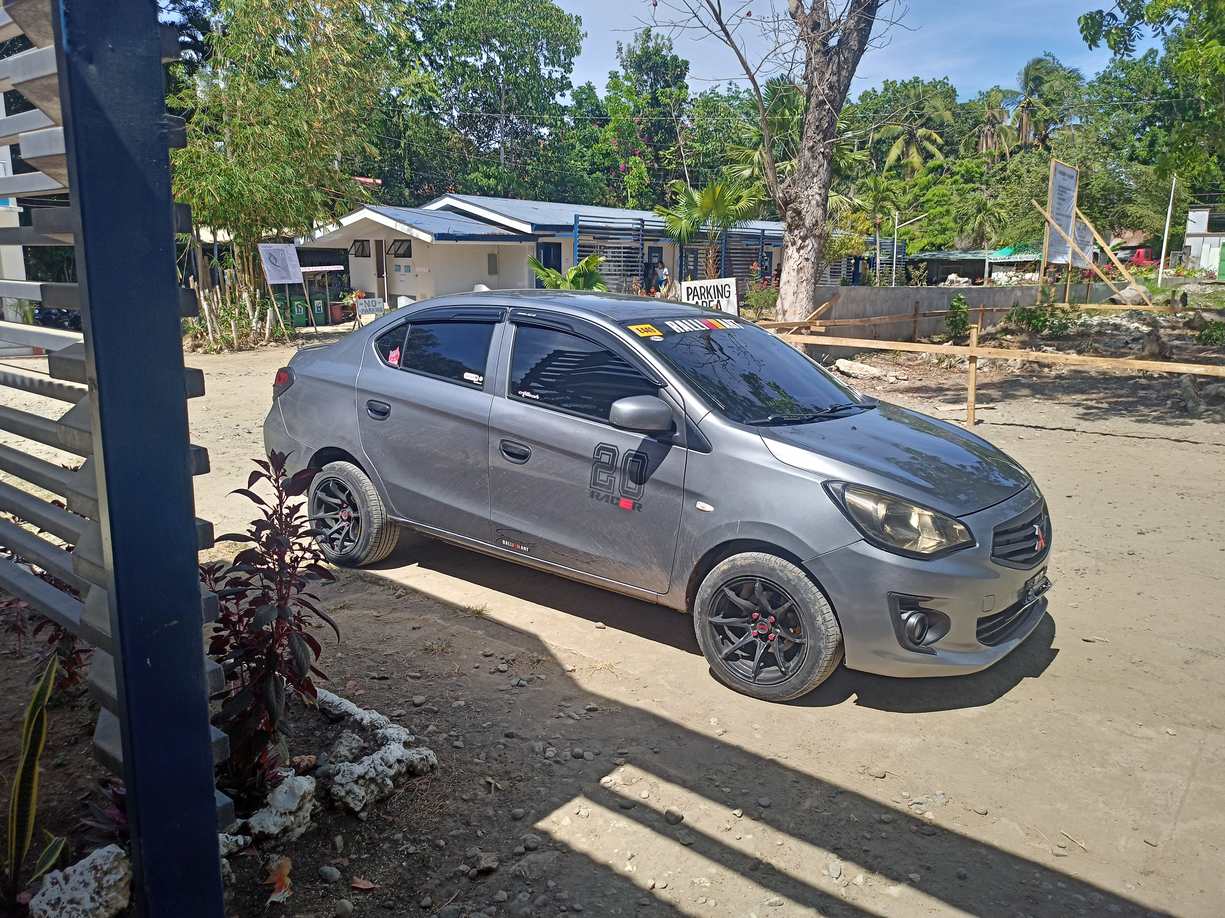
If your budget is the whole decision, start here. This guide ranks the cheapest new cars on sale in the United States by published starting MSRP, cheapest first, and then does the part most price lists skip: it tells you plainly what that low price costs you in power, space, equipment and refinement. The field at the floor of the US market is small: subcompact sedans, hatchbacks and the smallest crossovers, most starting under or near $25,000. If a car is not on this list, its starting price sits above this floor.
The cheapest new cars, ranked by starting MSRP
A note on method before the numbers. The prices below are starting MSRPs at drafting — the manufacturer's published price for the base trim, before options. Manufacturers adjust prices during the year, and a base model can be hard to find on a lot. Treat this ranking as a snapshot of the floor, to be re-checked before you shop, not as a live price feed. Our full approach is on our methodology page; for a broader value shortlist built around the same ceiling, read our companion guide to the best new cars under $25,000.
| Rank | Model | Body style | Starting MSRP | The trade-off in one phrase |
|---|---|---|---|---|
| 1 | Hyundai Venue | SUV | $20,200 | Tiny crossover footprint, tight rear seat |
| 2 | Chevrolet Trax | SUV | $20,500 | Small cargo area behind a tidy cabin |
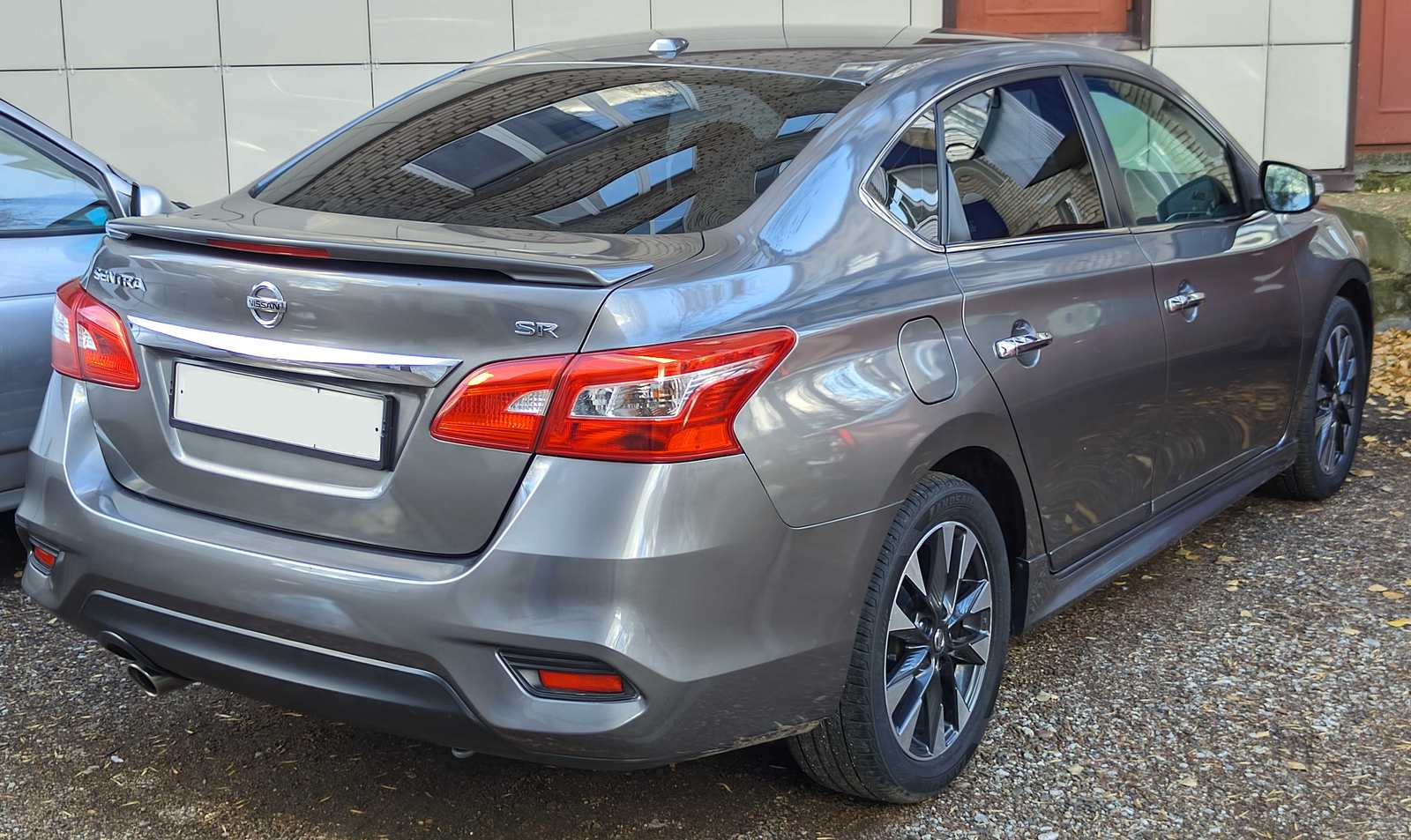
| 3 | Nissan Sentra | Sedan | $21,590 | Sedan room on a small-car budget, modest pace |
| 4 | Nissan Kicks | SUV | $21,830 | Light power for a crossover shape |
| 5 | Kia K4 | Sedan | $21,990 | Base trim keeps equipment deliberately plain |
| 6 | Hyundai Elantra | Sedan | $22,125 | Easy on fuel, easy to outgrow for families |
| 7 | Toyota Corolla | Sedan | $22,325 | Sensible everywhere, generous nowhere |
| 8 | Volkswagen Jetta | Sedan | $22,495 | Roomier cabin, still a budget-first brief |
| 9 | Chevrolet Trailblazer | SUV | $23,100 | Sharper looks than the Trax, same small-engine brief |
| 10 | Subaru Impreza | Hatchback | $23,610 | Standard all-wheel drive, small-car pace |
Read the order as a ladder, not a verdict. The Venue now holds the bottom spot the Versa occupied until its recent departure — the two exits from this floor are covered next. A few hundred dollars separates the group from the Venue through the Kicks, so the shape you need — a crossover seating position from the Trax or Kicks, hatchback practicality from the Impreza — matters more than the tiny price gaps between them. The Sentra, K4, Elantra, Corolla and Jetta form the sensible-sedan tier. The Impreza closes the list as the hatchback that includes all-wheel drive as standard, which is real value in snow country and part of why it starts higher.
Two departures from the floor
Two nameplates that used to anchor this list are gone: Nissan ended Versa production in December 2025 and Kia ended the Soul in October 2025, both with the 2025 model year, so neither is ranked above. What remains is leftover stock — final-year cars in whatever trim and colour is left. If you shop one, confirm it actually exists before travelling, ask how long it has sat, and negotiate as the outgoing model it is; the warranty still runs from the day you buy it.
The honest trade-offs of the cheapest new cars
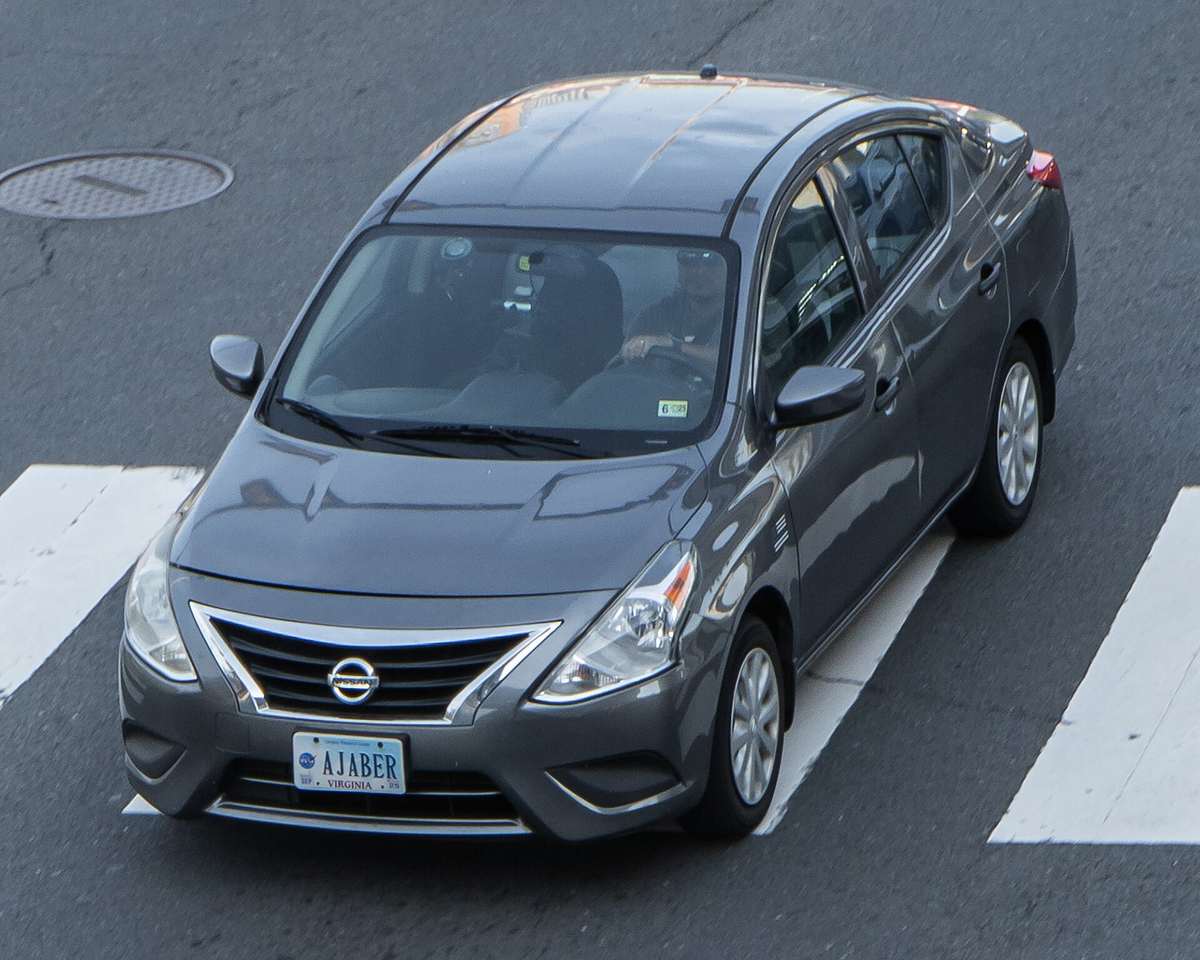
Cheap is a set of compromises, and naming them honestly is the point of this guide. Four trade-offs apply to every car above.
Power. Small engines are how these prices happen. Around town that is fine — these cars are light and easy to place. On a short highway on-ramp, a long grade, or loaded with passengers, they work hard, get loud and need planning rather than a squeeze of the pedal. If your daily drive is mostly motorway miles, feel this on a test drive before you sign.
Space. Front seats are generally fine; everything behind them is where the saving lives. Rear legroom suits children and shorter adult trips, not five adults on a long journey. Cargo areas fit a weekly shop or a couple of cabin bags — the crossovers here are tall small cars, not small family SUVs. Singles, couples and small families are the natural fit.
Equipment. Base trims can mean steel wheels, smaller touchscreens, simpler seats and fewer driver-assistance items than the trims shown in adverts. Price the trim step carefully: the trim that fixes the equipment you want often erases much of the gap to the next tier up, which is the step-up logic explored in our guide to the best new cars under $30,000.
Refinement. Expect more road and wind noise, harder interior plastics and less sound insulation than in cars a tier up. None of it makes a car bad — just honest about where the money went.
Then the balancing truth, stated just as plainly: these are new cars — a full factory warranty, modern crash structures, a current baseline of safety technology, modern fuel economy and a known history, with no previous owner's neglect to discover. For many buyers that certainty is worth more than the extra space of an older, larger used car.
Why the sticker price is not what you pay
Even the lowest sticker on this list is not the amount that leaves your account. Destination charges, dealer fees, tax and registration are added on top, and the Federal Trade Commission's advice is to get the out-the-door total in writing before you commit. That gap matters proportionally hardest at the floor: fees that are a rounding error on an expensive car are a significant percentage of a cheap one. So a buyer whose all-in ceiling is exactly the sticker figure does not, honestly, have a new car available to them — and pretending otherwise helps nobody. Our explainer on the out-the-door price walks through every line added. If the all-in number breaks your budget, the honest alternatives — a demonstrator, a leftover previous-year car, or nearly new — are covered in our guide to when new car prices are too high.
Who should buy from this list — and who should not
Buy from this list if you are a first-time buyer who wants a small, manageable loan and a warranty while you build a driving and credit history; a commuter who values low fuel costs and warranty cover over space rarely used; or a second-car household that needs reliable transport for local miles, school runs and station trips.
Look a tier up instead if you regularly carry adult passengers, drive long highway distances, haul bulky loads, or expect a growing family to fill the car within the ownership period. In those cases a slightly used larger car, or a new car from the next price tier, will serve you better than the cheapest car bought new. That is not snobbery in either direction — it is matching the car to the life it has to fit.
How to shop the floor without overpaying
Margins are thinnest at this end of the market, so set expectations accordingly: the win here is rarely a large discount off the sticker. The win is comparing out-the-door totals between dealers, refusing add-ons you did not ask for, and checking that a quoted base car actually exists rather than being a lure toward a pricier trim. Keep the comparison on the all-in figure every time, because a lower sticker with higher fees is not a cheaper car. When our licensed pricing data launches, our cheapest new cars invoice pricing hub will show how a car's pricing is built up; until then, be wary of any site quoting you a live dealer-cost figure for these models — it cannot honestly do so.
Frequently asked questions
What is the cheapest new car on this list?
The Hyundai Venue, at a starting MSRP of $20,200 at drafting — the two cheaper nameplates, the Versa and Soul, left production in late 2025 and survive only as leftover stock. Treat it as a starting sticker to verify with the manufacturer, not as an out-the-door price — fees, tax and registration are added on top.
Are the cheapest new cars safe enough for a family?
They are modern new cars with current crash structures and a current baseline of safety technology, plus a full factory warranty. The family question is usually space, not safety: rear seats and cargo areas are tight, so a small family that travels light may manage well, while regular long trips with older children will feel cramped.
Why not just buy a used car for the same money?
Sometimes you should — a used car can buy you size and equipment a new car at this price cannot. What the new car buys back is certainty: full warranty, modern fuel economy, a known history and no inherited wear. Compare the all-in cost of both, including repairs and financing, before deciding.
Can I negotiate a big discount on a cheap new car?
Expect modest movement rather than a big headline discount, because margins at the floor are thin. Your leverage is a clean comparison of out-the-door totals from more than one dealer, a firm no to unwanted add-ons, and patience. Judge every offer on the total you will actually pay.
Conclusion: the cheapest new cars, bought with open eyes
The cheapest new cars in America ask for real compromises: modest power, tight rear seats and cargo space, plain base-trim equipment and less refinement than the tiers above. In return they offer the things used cars cannot guarantee — a full warranty, modern safety and economy, and a history that starts with you. Choose the shape that fits your life from the list above, budget for the out-the-door total rather than the sticker, and compare that total between dealers, and run the total through our cheapest new car deals calculator. Bought that way, the cheapest car on sale is not a compromise you settle for. It is a sensible car you chose on purpose.

Get the number dealers start from.
Invoice, estimated true cost, out-the-door — before any dealer hears your name.