
Car Dealerships by State: Where America's Dealers Are
Car dealers by state: Washington and Kentucky top the count for a reason that has nothing to do with car sales — this post publishes our full per-state census table and explains what dealer density does to your negotiating position.
Key Takeaways
- Our census counted 18,567 rooftops nationwide — 18,559 in the 50 states and DC — each identified, deduplicated and classified store by store.
- Washington (2,279) and Kentucky (2,256) top the table because their licensed-dealer files are public, capturing small independents other sources miss.
- Texas is the census's largest known hole: its dealer file is gated, and an estimated 721 franchised rooftops are missing from its 915 counted stores.
- State totals do not set prices; same-brand franchised stores within your driving radius do — that overlap is where negotiating power comes from.
One subject runs through this whole guide: car dealerships by state. What follows explains it in plain English, with the numbers attached. Ask which state has the most car dealerships and most people guess California or Texas. Our census says Washington — with Kentucky a close second — and the reason tells you more about dealer data than about car sales. This post is the state-by-state companion to our census headline, how many car dealerships are in the United States: it publishes the full per-state table from our count of 18,567 rooftops, explains why the top of the table looks wrong until you understand how the count was built, and then turns the numbers to the question a buyer actually cares about — what dealer density in your state does to your negotiating position. You can browse the stores themselves, state by state, in our dealership directory.
Car Dealerships by State at a Glance
| State | Dealerships counted |
|---|---|
| Washington | 2,279 |
| Kentucky | 2,256 |
| New York | 1,227 |
| Texas | 915 |
| California | 874 |
| Illinois | 842 |
| Virginia | 740 |
| Florida | 701 |
| Arizona | 573 |
| Pennsylvania | 477 |
| Ohio | 473 |
| Michigan | 436 |
| Connecticut | 405 |
| North Carolina | 331 |
| New Jersey | 328 |
| Mississippi | 313 |
| Idaho | 312 |
| Georgia | 300 |
| Maryland | 278 |
| Indiana | 265 |
| Massachusetts | 264 |
| Wisconsin | 259 |
| Minnesota | 234 |
| Tennessee | 225 |
| Missouri | 222 |
| Nebraska | 221 |
| Alaska | 215 |
| Utah | 210 |
| Colorado | 189 |
| Iowa | 177 |
| South Carolina | 171 |
| Alabama | 168 |
| Arkansas | 160 |
| Oregon | 155 |
| Oklahoma | 153 |
| Louisiana | 149 |
| Kansas | 109 |
| Montana | 108 |
| Delaware | 96 |
| Vermont | 94 |
| New Hampshire | 85 |
| Rhode Island | 76 |
| Nevada | 73 |
| Maine | 70 |
| West Virginia | 65 |
| Wyoming | 60 |
| New Mexico | 53 |
| North Dakota | 52 |
| District of Columbia | 51 |
| South Dakota | 45 |
| Hawaii | 25 |
Counts are rooftops identified in the MyCarDiscount US Dealership Census (computed 2026-10-21): 18,559 in the 50 states and DC, plus 6 more in Puerto Rico, Guam and the US Virgin Islands and 2 whose source rows carry no state, for 18,567 in total. Read the section below before comparing states — the table measures source completeness as well as store counts, and we publish both.
Why Washington and Kentucky Top the Table
Washington's 2,279 rooftops and Kentucky's 2,256 are not the biggest car markets in America. They are the most completely counted. Both states publish full licensed-dealer files, so our census could ingest every licensed store in each state — including the small independent lots that most data sources never see. The class split proves it: 1,366 of Washington's rooftops are independents and only 457 are franchised stores, while Kentucky counts 1,655 independents against 297 franchised. In states where the census had to lean on manufacturer dealer locators instead, the pattern inverts — New York's 1,227 rooftops include 1,143 franchised stores, and California's 874 include 683 — because locators list franchised stores comprehensively and independents barely at all.
The same logic explains the table's most misleading row. Texas shows 915 rooftops, 720 of them franchised, which understates the second-largest car market in the country: the Texas dealer file is distributed only through a gated application, and we estimate roughly 721 franchised rooftops are missing from our count. Texas is the largest known hole in the census, and until it closes, every state ranking we publish carries that asterisk. None of this makes the table useless — it makes it honest. A per-state count is a floor, not a total, and the floor is highest where the state's own records are public.
What Density Does to Your Negotiating Position
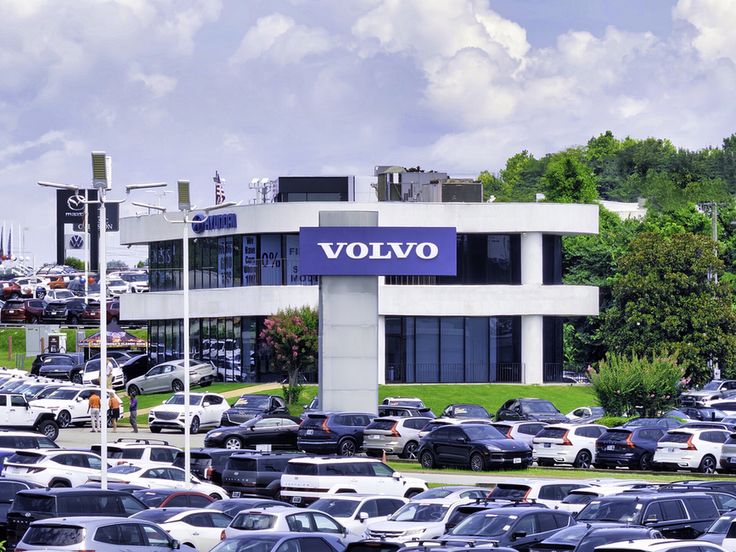
Strip away the data caveat and the buyer's question remains: does living among more dealerships get you a better price? The mechanism that matters is not the state total but same-brand proximity. Two franchised stores selling the same make within your driving radius compete for the same sale, and our guide to how to get dealers to compete shows how to run that auction deliberately. Dense metro corridors — the Northeast's short distances between New York, Connecticut and New Jersey rooftops, or the overlapping suburbs of northern Virginia and Maryland — give a buyer several same-brand stores inside an hour's drive, which is the practical form density takes.
The mix matters alongside the count. Independents dominate the licensing-list states, but independents do not sell new cars; for a new-car buyer, the franchised count in your state is the negotiating map, and it ranges from New York's 1,143 down to a few dozen in the least populous states. Where franchised stores are sparse — Hawaii's entire census count is 25 rooftops — a buyer may have one store for a brand on their island, and the leverage shifts from playing stores against each other to knowing the fee landscape cold: our average doc fee by state table and dealer fees explained cover what those stores charge on top of the price. Density also shapes supply: how dealer allocation works explains why high-volume stores in dense markets get the scarce models first.
How to Read This Table
Three rules keep the numbers honest. First, counts from licensing-list states and locator states are not directly comparable — Washington and Kentucky include small independents that other states' sources miss, so their totals run structurally higher. Second, every figure is a rooftop — a physical store — not a dealer group; 2,259 of the census's rooftops belong to an identified parent group, and the rest are single-point stores or groups we could not evidence. Third, classification is evidence-based: a store is franchised only when locator, licensing or group evidence supports it, which is why 1,354 rooftops nationally sit in an unresolved bucket rather than being guessed into one. Two more census findings are worth keeping beside the table: only 29.0 percent of rooftops have an identifiable public website, while 90.7 percent publish a phone number — the American car business still runs on the phone, and any state count built from websites alone would miss most of it.
Frequently Asked Questions
Which state has the most car dealerships?
In our census, Washington has the most counted rooftops at 2,279, followed by Kentucky at 2,256 — because both states publish complete licensed-dealer files, so their counts capture small independents that other states' sources miss. Among franchised stores specifically, New York leads our count with 1,143.
Why is Texas's dealership count so low?
Texas is the census's largest known hole. The state's dealer file is distributed only through a gated application, so our Texas count — 915 rooftops — leans on locators and other sources, and we estimate about 721 franchised rooftops are missing. The true Texas total is far higher than the table shows.
Does having more dealerships in my state mean lower prices?
Not by itself. What lowers prices is same-brand competition within your driving distance: two or more franchised stores for the same make competing for one sale. A dense state helps because it makes that overlap likely, but the negotiation still has to be run — a single store with a motivated sales desk can out-discount three complacent ones.
Where can I browse dealerships in my state?
Every state in the table has a directory page listing its counted stores — start from the dealership directory and choose your state, for example Washington dealerships, Kentucky dealerships, Texas dealerships or California dealerships.
The Bottom Line on Car Dealerships by State
The map of car dealerships by state is partly a map of American record-keeping: Washington and Kentucky lead because their licensing files are public, Texas trails because its file is gated, and everywhere the count is a floor built store by store — 18,567 rooftops, each classified on evidence. For buyers, the useful number is not how many dealerships per state exist, but the franchised stores for your brand within driving distance, because that overlap is where negotiating power comes from. Find your state's stores and put them to work. That is the complete picture on car dealers by state — know it before you negotiate, and the rest of the deal gets easier. Start at MyCarDiscount.com.


Get the number dealers start from.
Invoice, estimated true cost, out-the-door — before any dealer hears your name.