
How Dealer Allocation Works: Why the Car You Want Is Gone
Dealer allocation explained: dealers do not order what they want — manufacturers allocate what they earn. This explainer shows how that hidden system decides your price before you ever call.
Key Takeaways
- Dealers do not order what they want: allocation is earned, with future supply driven largely by past sales under the turn-and-earn system.
- Allocation manufactures local scarcity unevenly, and price follows scarcity — the same car can be marked up nearby and discounted two states away.
- High-volume stores discount because their allocation depends on velocity: keeping units turning is what keeps their supply coming.
- Shop the system, not the salesperson: search a wide radius, stay flexible on the build, and ask about incoming allocation and dealer trades.
How dealer allocation works? This guide answers it in full, in plain English. You found the exact model, trim and color you want. It exists — the manufacturer's website builds it, reviewers have driven it, other states seem to have it. Your local dealer's lot has none, the incoming list has none, and the salesperson is steering you toward a different trim in a color you did not ask for, at a price that does not move. Nothing about that experience is an accident, and it is not mainly about the dealer. It is the visible end of dealer allocation: the system by which manufacturers decide which dealerships receive which vehicles. Allocation is the least discussed force in car pricing, and it explains more about the deal you are offered — the scarcity, the firm sticker, the markup on the one hot trim — than anything the salesperson says. This explainer opens the system up: how cars are actually distributed, why your dealer cannot simply order the one you want, and how to shop inside a system designed without you in it.
How Dealer Allocation Works at a Glance
| What you are seeing | What allocation is doing |
|---|---|
| Your dealer has none of the hot model | Their sales history earned them a small share of a limited run |
| Every unit in stock is loaded with options | Higher-content builds are what the plant produced and the region received |
| A factory order takes months, vaguely | Orders queue behind allocated production; the dealer has limited order slots too |
| The dealer pushes a similar car hard | That is the unit their allocation gave them — and the one their floorplan wants moved |
| A dealer two states away has plenty | Allocation follows regional sales patterns, not national fairness |
Turn and Earn: The Basic Mechanism
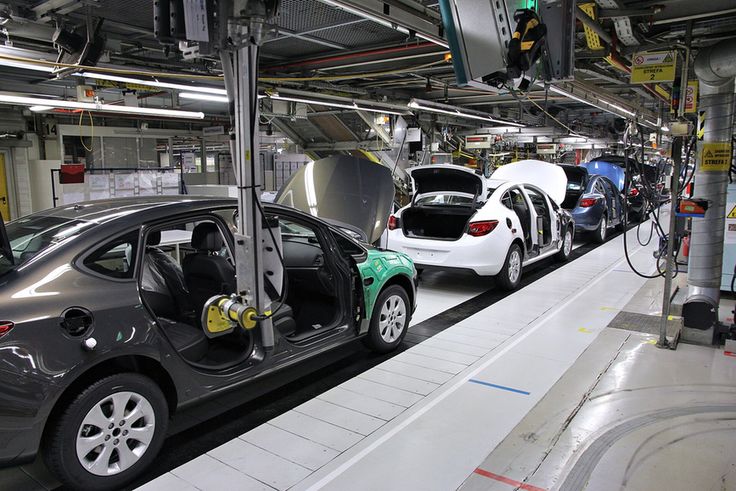
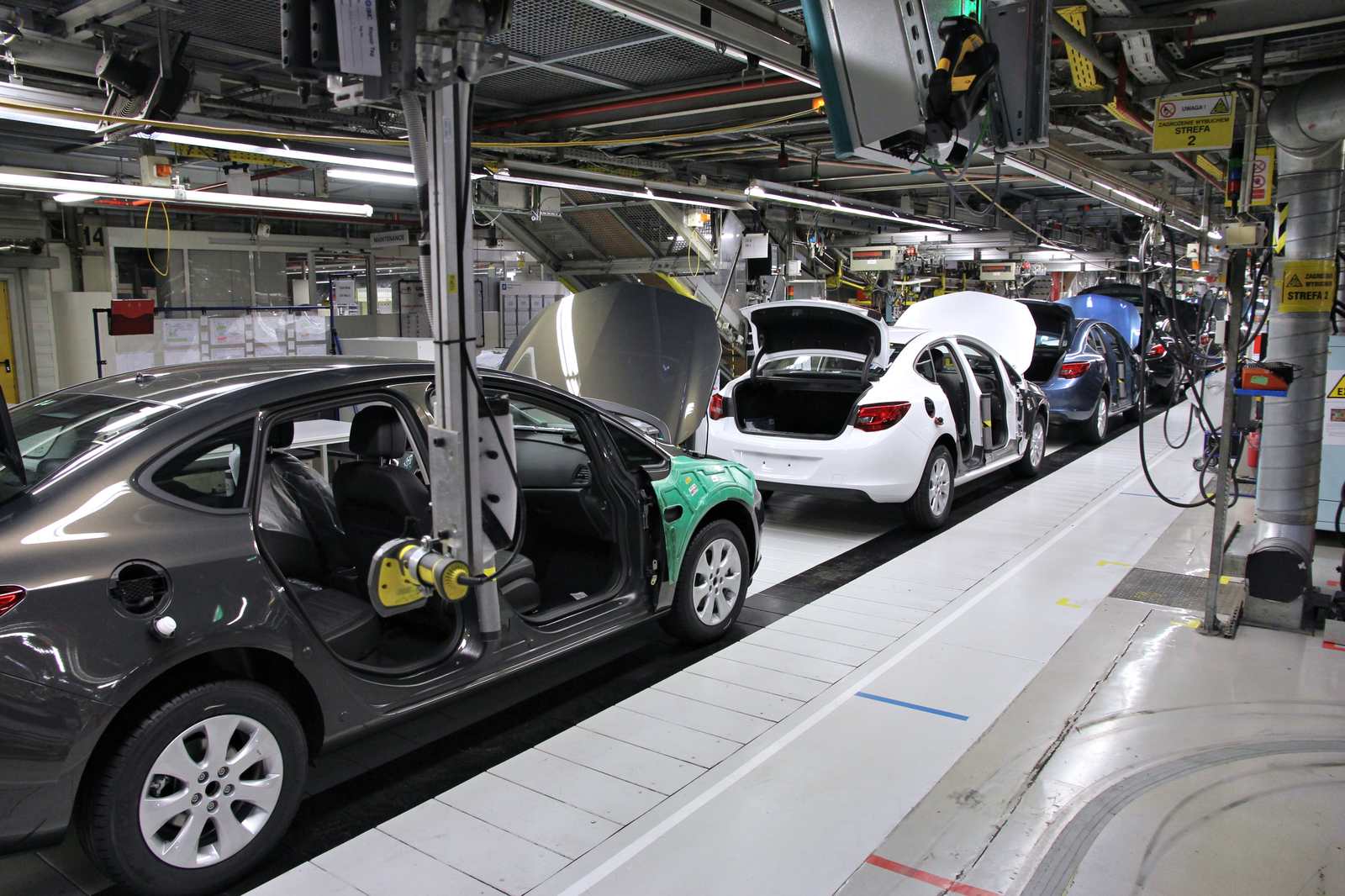
Most manufacturers distribute vehicles on some version of turn and earn: a dealer's future supply is driven largely by its past sales. Sell a model quickly and the system awards more of that model; let units sit and the next round shrinks. Allocation formulas vary by brand and are not published — they variously weigh recent sales rate, total volume, market size, seasonal patterns and the manufacturer's own production and marketing priorities — but the principle is consistent: inventory is earned, not ordered from a catalog. Layered on top is production reality. Plants build in batches, option and color mixes are planned months ahead, and constrained components ration the desirable builds. When a model's total production is limited, allocation is the rationing system, and a dealer's share of a hot trim can be a handful of units per quarter regardless of how many buyers walk in asking.
Allocation Is Not the Same as Ordering
Buyers imagine a dealer ordering cars the way a shop orders stock. For allocated models, that is not how it works. The manufacturer offers a dealer a slate of incoming vehicles — specific builds, colors and arrival windows — and the dealer's choices are which to accept, how to configure the limited order slots some brands allow, and which units to request in trade from other dealers. A dealer who declines unattractive units can find the unattractive units are the price of the attractive ones: accepting the slow colors this month is often how a store stays in line for the fast ones next month. This is also why a dealer may genuinely not know when, or whether, a specific build will arrive. Our factory order vs buying from stock guide covers the buyer's side of ordering; the allocation system is the constraint sitting behind the dealer's answers.
Why Allocation Decides Your Price Before You Call
Price follows local scarcity, and allocation manufactures local scarcity unevenly. A dealer holding the region's only units of an in-demand trim has no competitive reason to discount and may add a market adjustment — the mechanics of that markup are covered in market adjustment explained. The same car, plentiful two states away because a high-volume dealer's sales history earns it deep allocation, is discounted there to keep the turn rate — and the future allocation — alive. That is the loop buyers can exploit: high-volume stores are not cheaper because they are nicer; they are cheaper because their allocation depends on velocity, and velocity requires deals. The reverse also holds. A small store with thin allocation on a hot model is not gouging out of character — it is pricing the only two units it will see this quarter, and no amount of negotiating technique changes its supply. Knowing which situation you are in tells you whether to negotiate harder or to shop wider.
Why the Lot Is Full of Cars You Did Not Ask For
Allocation also explains configuration drift. Manufacturers build what planners forecast, dealers receive the mix their region is sent, and the result is lots weighted toward high-content builds in safe colors — the cars that historically turned fastest across the whole region, not the base trim in the unusual color one buyer wants. Base models and manual gearboxes suffer most: thin take-rates earn thin allocation, so the cheapest version of a popular car is frequently the hardest to find, and its scarcity gets quoted back to buyers as a reason to step up. Sometimes that step-up is genuinely the faster route to owning the car; sometimes the base car is sitting at a high-volume store an hour away. Allocation created both facts.
The Buyer's Playbook Inside an Allocated System
Shop the system, not the salesperson. Search inventory across a wide radius — manufacturer locators show stock and in-transit units by dealer, and the map of who has your car is a map of who earned allocation. Widen your acceptable builds: the more specific a single color-and-options combination you demand, the smaller your effective supply, and price follows. Ask about incoming allocation by name — dealers can see their inbound slate, and putting a deposit on an allocated unit before it lands is often how scarce trims are actually bought. Ask about dealer trades, where your dealer swaps a unit with another store; trades cost goodwill in the allocation economy, so expect them on accessible models, not on the scarcest ones. Time your approach to the model-year rhythm, when last-year allocations must clear and next-year scarcity has not yet bitten. And when one store's price seems immovable, test it against velocity: get competing quotes through our how to get dealers to compete approach, because a store priced for scarcity and a store priced for turnover will answer the same request with very different numbers.
Frequently Asked Questions
Can my dealer just order the exact car I want?
Sometimes — some brands run order banks where a customer order claims a production slot, and our factory-order guide covers which route fits. But on allocated models the order enters a queue shaped by the dealer's allocation, and a dealer cannot order beyond what the manufacturer will build for them. A vague delivery estimate usually reflects that queue, not evasion.
Why does another state have plenty of the car my dealer cannot get?
Because allocation follows sales patterns and regional planning, not national fairness. A model that sells heavily in one region — all-wheel drive in the snow belt, trucks in truck country — is allocated there in depth, and dealers in those regions price from abundance while yours prices from scarcity. It is the same car and the same sticker; the supply behind each dealer differs.
Does allocation affect the price I pay, or only availability?
Both, and the price effect is the larger one. Allocation sets how many competing units exist within your shopping radius, which sets each dealer's need to compete. Scarce allocation means firm prices and possible markups; deep allocation at high-volume stores means discounts offered to keep units turning. Your leverage is the ratio, not the sticker.
How can I tell if a dealer is scarce or just holding out?
Check the market yourself: count the model's units in stock and in transit across dealers within the radius you would actually drive. If everyone is thin, it is allocation — widen the search or join the incoming list. If several dealers are stocked and one is claiming scarcity, that is a sales position, and it answers well to a competing written quote.
The Bottom Line on How Dealer Allocation Works
How dealer allocation works is simple at the top: dealers receive the cars their sales history earns, in the mixes the plants build, through a rationing system no single store controls. That system decides whether your local price is a negotiation or an auction before you ever make contact. You cannot change a dealer's allocation — but you can shop where allocation is deep, stay flexible on the build, claim incoming units early, and let velocity-driven stores compete for you — that is dealer allocation explained in one paragraph. How car dealer allocation works? By now you have the full answer — use it to judge every offer on the same terms. Start at MyCarDiscount.com.


Get the number dealers start from.
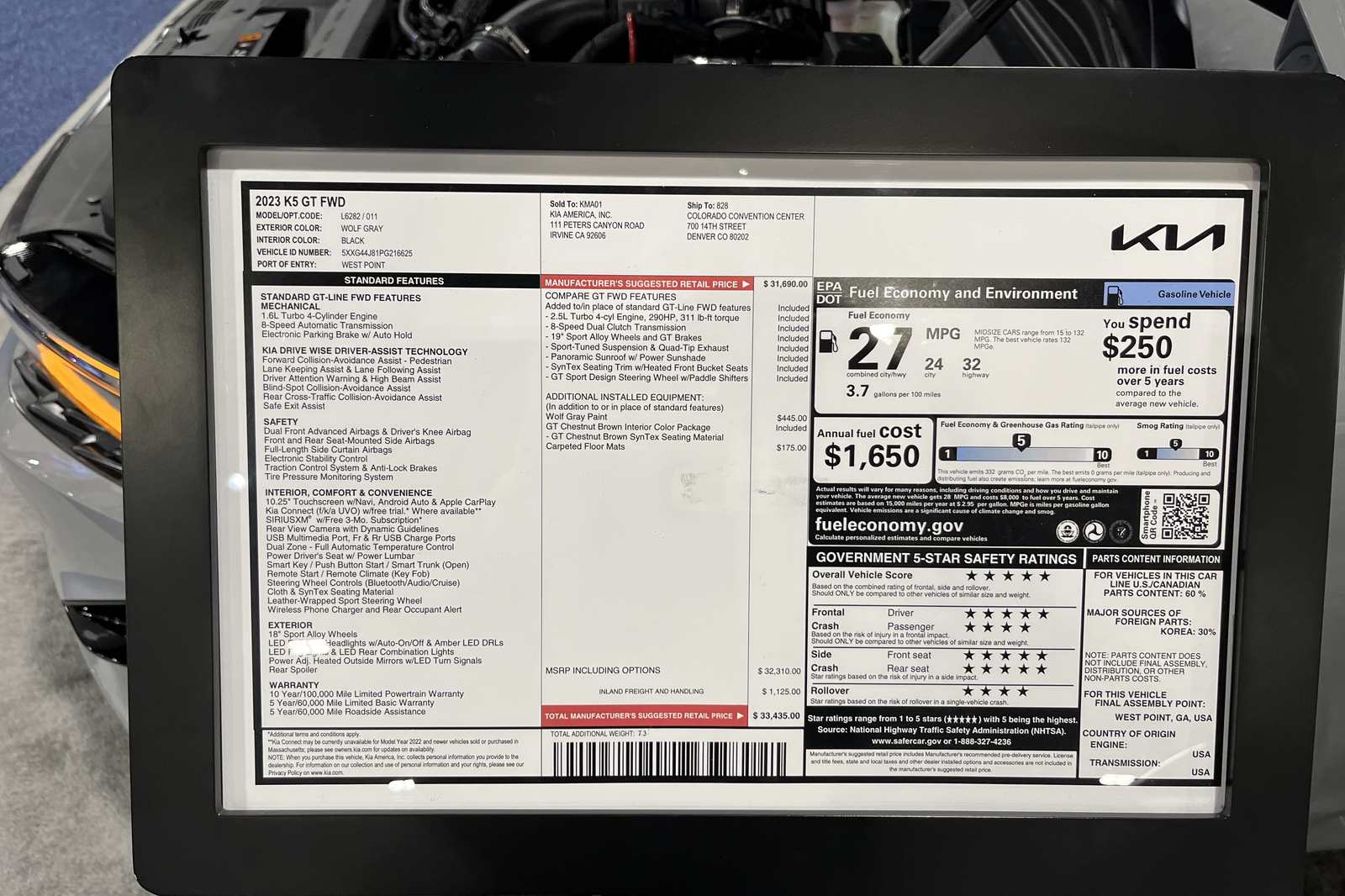
Invoice, estimated true cost, out-the-door — before any dealer hears your name.