
First Model Year Car Reliability: Risk, Reward and Timing
Buying a first model year car means first-year problems and first-year pricing power for the dealer — this guide weighs the data on new-model reliability against the deals that appear by year two.
Key Takeaways
- Consumer Reports found 45% of new and redesigned 2019 models scored below-average predicted reliability; models are typically most reliable by their final year.
- Fixes take time: automakers can need two to three years or longer to work out redesign problems, so year three is the reliability-first target, year two the compromise.
- Year one is also the worst negotiating position: launch demand and thin supply mean small discounts, with incentives usually improving by the second year.
- Screen any redesign by carryover: a new powertrain, new electronics and new structure all at once is the risky profile; proven hardware underneath is the safer bet.
One subject runs through this whole guide: first model year car reliability. What follows explains it in plain English, with the numbers attached. Most car-buying timing advice is about the calendar — month-end, model-year-end, holiday weekends. A redesign runs on a different clock. When a model is replaced by an all-new version, its first year on sale is the riskiest year of its life for reliability and the strongest year of its life for dealer pricing power, and neither fact has anything to do with what month it is. This guide prices both halves of that trade — the problems the survey data says to expect, and the money side of waiting — so you can decide whether the newest version is worth being first in line for. Our broader timing guide covers the calendar side in best time to buy a new car; this page is about the redesign cycle itself.
First Model Year Car Reliability at a Glance
| Question | What the evidence says |
|---|---|
| Are first-year cars less reliable? | Yes, as a pattern: 45% of new/redesigned 2019 models scored below-average predicted reliability in Consumer Reports' survey |
| When is a model most reliable? | By the final year of its run, typically years five to seven, after fixes accumulate |
| How long do fixes take? | Consumer Reports: automakers can take two to three years or longer to work out redesign problems |
| Are there exceptions? | Yes — the 2019 Toyota Avalon, Lexus ES and Ford Ranger scored above average in year one |
| What about price? | Launch demand and thin supply hand pricing power to the dealer; incentives usually improve by year two |
What the Survey Data Actually Says
Consumer Reports has run the same analysis for years and keeps landing in the same place. In its 2019 survey, covering more than 400,000 vehicles, nearly half — 45 percent — of new and redesigned models carried below-average predicted reliability, against 33 percent above average and 22 percent average. The pattern held in its December 2025 brand report, where Jake Fisher, CR's senior director of auto testing, put the advice bluntly: for reliability-conscious shoppers, "the best bet is to steer clear of newly introduced or newly redesigned vehicles in their initial model year, as that's when they are almost always the most problematic."
The mirror image is just as consistent: models tend to be most reliable by the final year of a model run, typically five to seven years in, after the bugs have been worked out. Between those endpoints, reliability climbs as the automaker converts owner complaints into running production changes, software updates and, where necessary, recalls. CR's estimate for that maturation is two to three years or longer — which means the second-year version of a redesign is usually better than the first, and the third-year version better still. The problems are not randomly distributed, either. Earlier CR survey coverage found the trouble concentrated in exactly the parts that change most in a redesign — new transmissions that shifted poorly, and infotainment and in-car electronics, where first-year owners reported about twice as many complaints as owners of models that had not been recently updated.
None of this makes a first-year car a guaranteed lemon. It makes it a statistical underdog — a car whose unknown problems are, by definition, still unknown. Warranty coverage softens the cost of those problems but not the inconvenience: a covered repair is still a day without the car.
The Pricing Half of the Trade
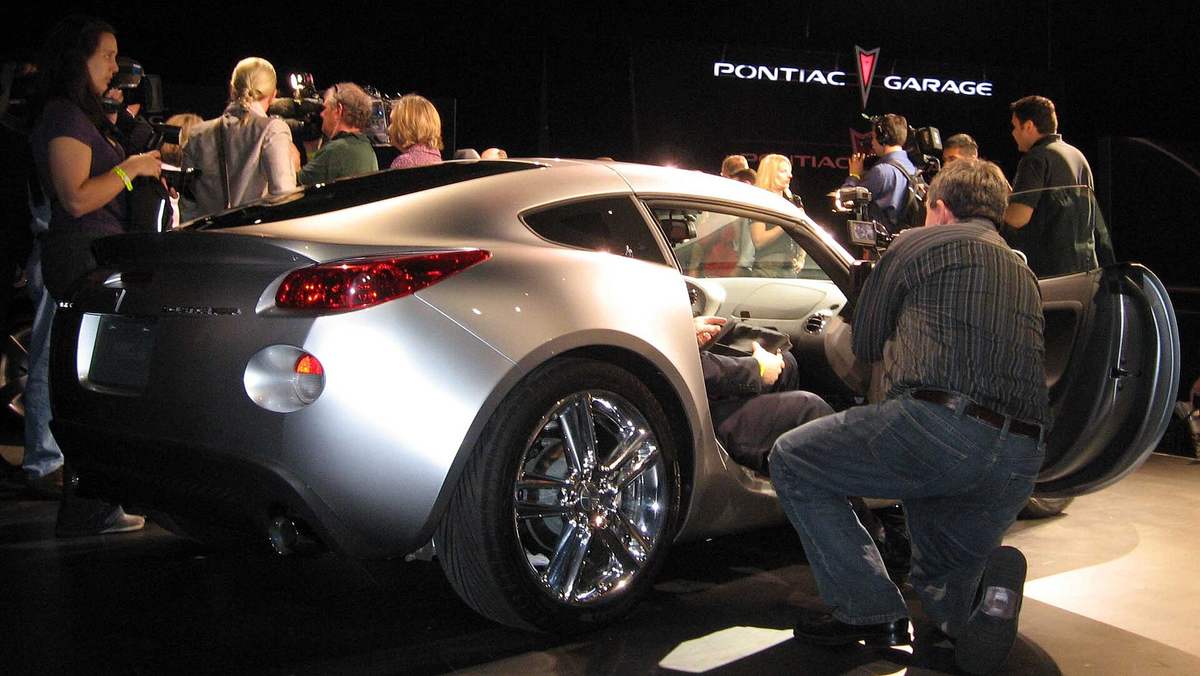
The reliability risk of year one arrives attached to the worst negotiating position of the model's life cycle. A redesign launches with publicity, waiting lists and thin inventory, while the outgoing version — the most reliable year of the old design — is being cleared out. Dealers know the early buyers are the least price-sensitive people the model will ever attract, and launch-period pricing reflects it. Discounts deepen as supply normalizes, and by the second and third years of a run, the incentives and rebates that were unthinkable at launch become routine. Our guide to new car rebates and incentives tracks how that machinery works.
There is also a quieter cost: depreciation. A first-year buyer pays launch pricing for a car that will be one redesign older when the next all-new version arrives, and the steepest depreciation of any car's life is its first years of ownership. Waiting for year two buys the same car with fewer known problems, more discount support and a longer runway before the design is replaced.
The reward side is real, though, and worth stating honestly. First-year buyers get the newest safety technology and crash structures, the current design for the longest possible time, and sometimes a feature or powertrain that the outgoing model simply does not offer. If a redesign fixes a genuine deficiency of the old car — a cramped cabin, an outdated safety suite — waiting means living with the deficiency. The trade is real in both directions; the data simply says the risk side is heavier than most launch marketing admits.
The Exceptions, and What They Prove
CR's own survey named first-year cars that broke the pattern: the redesigned 2019 Toyota Avalon and Lexus ES scored above average in their debut year, as did the returning Ford Ranger. The common thread is how much was actually new. Evolutionary redesigns — carryover or lightly revised powertrains, mature electronics platforms, changes concentrated in styling and structure — carry far less risk than clean-sheet ones. CR's 2025 report made the same point from the brand side: the slow and steady approach to redesigns pays reliability dividends, while aggressive changes and new technology cause the setbacks.
That gives buyers a usable screen. Ask three questions of any first-year model. First, is the powertrain new, or carried over from a proven application? Second, is the electronics platform new, or an update of one already in service across other models? Third, how much of the car's structure and assembly process changed? A redesign that is mostly new sheet metal over proven hardware is a modest risk. One that is new everywhere at once is the exact profile the survey data warns about — and the profile most likely to be discounted hard by year three, when its reputation is set.
A Decision Framework
If reliability is your top priority, the data supports a simple rule: buy in year three or later of a redesign, or buy the final year of the outgoing model — the strategy our model year end car deals guide prices in detail. If you want the new design, year two is the value compromise: the worst of the launch problems have usually surfaced and been addressed in production, and launch pricing has cooled. If you buy in year one anyway, buy the version with the most carryover hardware, confirm the full warranty terms, and check for technical service bulletins and recalls before delivery — and read our new car buying guide before you negotiate, because launch-period cars leave the least room for error at the desk. Buyers who factory order rather than buy from stock should know a late-build first-year car, built after the first production fixes, is a better bet than an early build of the same model year.
Frequently Asked Questions
Is it always a bad idea to buy the first model year of a redesign?
No — it is a statistical risk, not a certainty. Consumer Reports found 45 percent of new and redesigned 2019 models scored below-average predicted reliability, but 33 percent scored above average, and evolutionary redesigns with carryover powertrains are far safer bets than clean-sheet ones. The advice is to price the risk, not to refuse the car.
How long should I wait after a redesign before buying?
Consumer Reports' analysis suggests automakers can take two to three years or longer to work out a redesign's problems, and models are typically most reliable by the final year of a five-to-seven-year run. Year three of a redesign is a reasonable target for reliability-first buyers; year two is the common compromise.
Do first-year cars cost more than later years of the same model?
Usually, in effect. Launch demand and thin supply mean smaller discounts and fewer incentives in year one, while the same model typically gains rebate and financing support as the run matures. The sticker price may barely move; the transaction price does.
What can I do to reduce the risk if I buy a first-year car?
Choose the trim whose powertrain and electronics are most carried over, prefer a later production build over an early one, verify open recalls and service bulletins before delivery, and keep the warranty paperwork complete — the factory warranty is your main protection while the model's problem areas are still being discovered.
The Bottom Line on First Model Year Car Reliability
The survey record on first model year car reliability is unusually consistent: first-year redesigns are the least reliable version of a model, priced at their strongest, and the fixes take two to three years to arrive. Buying a first model year car means taking year one for the design and the technology, with open eyes and carryover hardware where you can get it — or let someone else pay launch prices to find the problems, and buy the mature version for less. Either way, compare the specific car in front of you, not the launch hype. That is the complete picture on first year of a redesign reliability — know it before you negotiate, and the rest of the deal gets easier. Start at MyCarDiscount.com.


Get the number dealers start from.
Invoice, estimated true cost, out-the-door — before any dealer hears your name.