
BMW Buying Guide: Leasing, Trims and Discount Reality
The BMW car buying guide short version: BMW pricing does not behave like mainstream pricing — no classic holdback, a lease-heavy mix and factory money that swings hard by model and month.
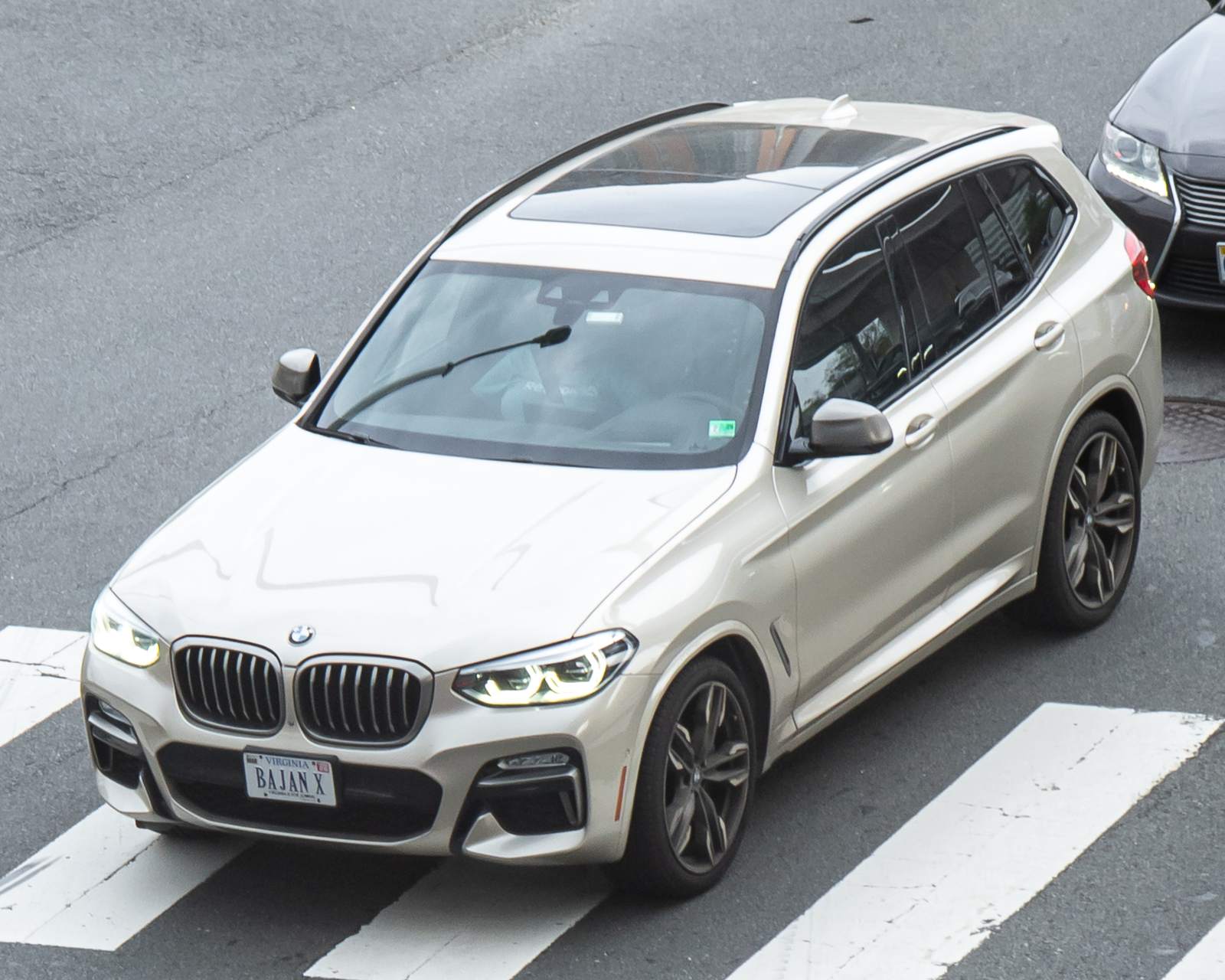
Key Takeaways
- BMW has no classic dealer holdback; dealer margin lives in the spread between invoice and sticker.
- Leasing decides most BMW deals — the money factor and residual matter as much as the negotiated price.
- BMW discounts vary hard by model and by month because factory support does.
- Negotiating a BMW like a Ford leaves money behind — the structure of the deal is different.
A useful BMW buying guide has to start with the discount reality in its title: BMW pricing does not behave like mainstream-brand pricing, and buyers who negotiate a BMW the way they would negotiate a Ford usually leave money behind — or walk away convinced a fair deal was a bad one. BMW has no classic dealer holdback, leases a far larger share of its cars than mainstream brands, and supports its models with factory money that swings hard by model and by month. This BMW car buying guide covers the 3 Series, X3, X5 and the rest of the range, explains the lease math that decides most BMW deals, and shows you where the genuine discount flexibility lives for 2026.
If you have not read it, start with our pricing companion, BMW invoice prices, then run any quote — purchase or lease — through the bmw buying tips calculator.
BMW Buying Guide at a Glance
| Item | What BMW buyers should know |
|---|---|
| Invoice price | What the dealer paid BMW for the vehicle as configured, including destination |
| Holdback | None — BMW runs no classic holdback program (published charts agree) |
| Where dealer profit sits | The MSRP-to-invoice spread itself, plus volume and customer-satisfaction bonus money |
| Lease share | Far higher than mainstream brands; lease math decides most BMW deals |
| Discount pattern | Varies sharply by model: sedans and outgoing stock flex, fresh SUVs hold firm |
| Best first step | Pull the invoice for your exact build, then compare identical builds across BMW centers |
The BMW Lineup: Where the Volume and the Value Sit
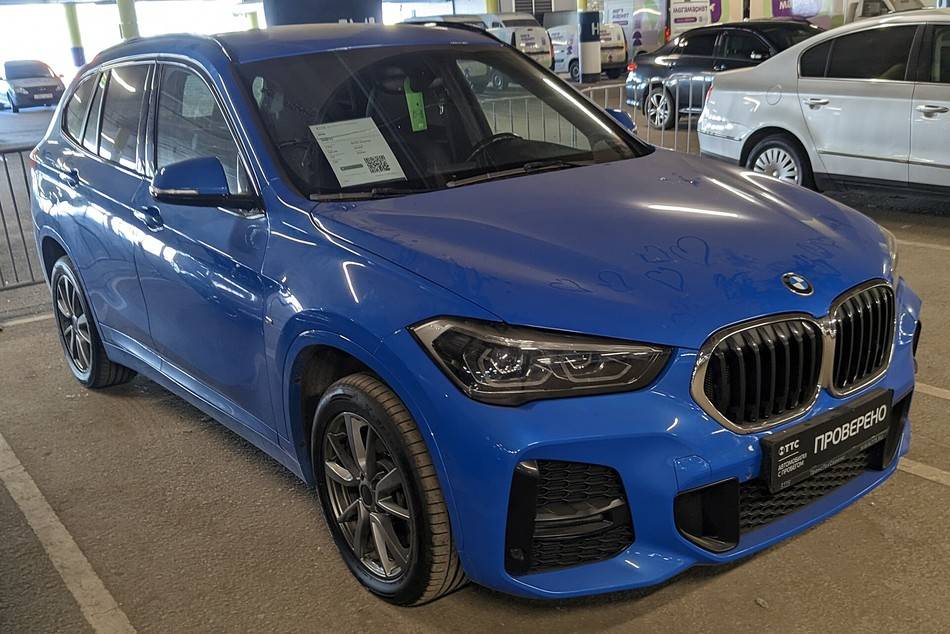
BMW's US range is wide, but four nameplates do most of the business, and this guide concentrates on them:
- 3 Series — the benchmark sports sedan, with the 330i and M340i as the volume trims. Sedans are the softest part of the market industry-wide, which makes the 3 Series the BMW where dealers most often have room to move.
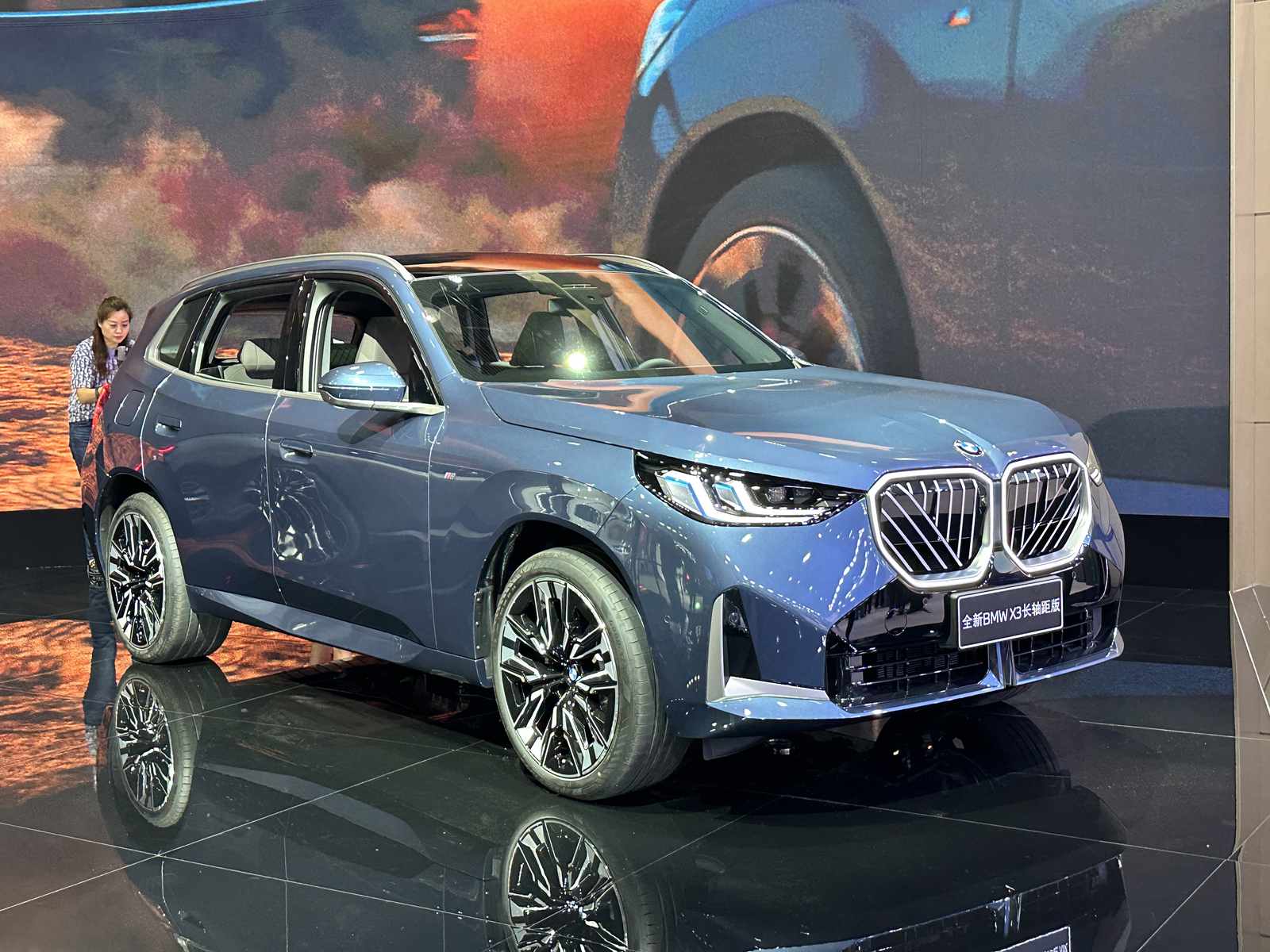
- X3 — BMW's best-selling SUV, the compact entry to the X range and the model most first-time BMW buyers cross-shop against mainstream premium rivals.
- X5 — the profit center: a midsize SUV with deep option lists, the xDrive50e plug-in hybrid in the range, and an IIHS Top Safety Pick+ award for 2025.
- i4 — BMW's electric Gran Coupe, in eDrive40 and M50 forms. Electric BMWs have drawn the strongest factory support in the range in recent years, so the first number to compare on an i4 is the incentive package on the exact car, not the invoice spread.
Around them sit the X1, X7, 5 Series, the electric iX and the M cars — lower-volume models where stock levels, not pricing guides, decide the deal. Check the current range and BMW's own offers on BMW USA's official site before you shop; BMW changes its programs monthly, and a program that existed last month may not exist on the car you want today.
BMW Pricing Reality: No Holdback, Margin in the Spread
Every BMW arrives with a factory invoice — base invoice for the trim, invoice cost of each option and package, destination charge — and the window sticker is the same car at retail prices. On most mainstream brands, a second payment sits beneath the invoice: holdback, refunded to the dealer after the sale, which is why dealer holdback matters so much in those negotiations.
No BMW dealer receives a classic percentage holdback payment. Published holdback charts, including AutoCheatSheet's current list, list BMW as a no-holdback brand; BMW has historically structured dealer compensation around the margin built into the price list itself, supplemented by performance bonuses tied to sales volume and customer-satisfaction scores. In the interest of showing our work: one recent dealer blog describes BMW holdback as "varies, typically around 2%." That claim appears in no chart source we could find, so we do not use it — our methodology explains how we handle figures we cannot corroborate.
The practical consequence, set out in full in our companion post on BMW invoice pricing guide: on a BMW, the printed invoice is much closer to the dealer's true vehicle cost than on brands where 2–3% of the price comes back later. Your discount has to come out of the visible spread, out of factory support, or out of bonus money a dealer expects to earn by hitting a target — which is exactly why timing matters more on this brand than most. Our pillar on whether invoice price is the dealer cost covers the general mechanics.
We publish the live invoice for each BMW model and trim on the bmw buyer guide invoice pricing page once our licensed data feed is live, rather than printing static dollar amounts here.
Leasing a BMW: The Math That Matters
BMW leases a much larger share of its output than mainstream brands, and many BMW discounts are delivered through the lease rather than the selling price. Four numbers decide a lease:
- Capitalized cost — the negotiated price of the car. Negotiate it exactly as you would a purchase price, from the invoice up; a "great lease deal" on an undiscounted car is not a great deal.
- Residual value — what BMW's finance arm predicts the car will be worth at lease end, set by the bank, not the dealer. A high residual lowers the payment; you cannot negotiate it, but you can choose the model and term where it is strongest.
- Money factor — the lease's interest rate in disguise. Dealers can mark it up within program rules, so ask for the base rate and compare it across centers.
- Mileage allowance — the cheapest miles are the ones bought in the contract. If you will exceed the allowance, a higher-mileage lease or a purchase is usually cheaper than the per-mile penalty.
Weigh any lease quote against buying using our guide to leasing vs buying a car, and compare the total lease cost — every payment plus everything due at signing — against the purchase route, not just the monthly figure. One BMW-specific caution: factory lease support is often strongest on the models BMW most wants to move, which may not be the model you walked in for — let the math, not the advertised payment, tell you whether the supported car is actually the better deal.
Discount Reality: Why BMW Discounts Vary So Much by Model
The meta-truth of BMW pricing is variance. The same dealership, in the same month, may hold close to sticker on a freshly arrived X5 while moving meaningfully on a 3 Series sedan or an outgoing model-year car. The drivers are consistent: days in inventory, whether the model is early or late in its design cycle, the factory support attached to it, and how close the center is to a volume bonus threshold. A dealer one sale short of a target at month-end can rationally sell at or below invoice to unlock bonus money worth far more than the loss on that unit — the premium-brand equivalent of holdback, invisible on the invoice and decisive in the negotiation. Our guide to negotiating from invoice price gives the method; on a BMW, add patience and a second center's quote, using the process in how to get dealers to compete.
Frequently Asked Questions
If there is no holdback, where does a BMW discount come from?
Out of the dealer's own margin, mostly. With no percentage paid back to the dealer after the sale, a BMW discount has to be carved from the gap between sticker and invoice, from factory support attached to that model, or from bonus money the center expects to earn for hitting a volume or satisfaction target. That is why the same car can price so differently at month-end — and why a claim that BMW pays roughly 2% holdback, which circulates on one dealer blog, does not change the math: no published chart corroborates it, so plan your lease or purchase negotiation as if it does not exist.
Is leasing or buying a BMW the better deal?
It depends on mileage, how long you keep cars, and the factory support on the specific model. BMW's lease programs are often heavily supported, but the right comparison is total cost over your actual ownership period — run both routes through the calculator and our leasing vs buying guide.
Which BMW models discount the most?
Historically the pattern, not a promise: sedans like the 3 Series and outgoing model-year stock flex most, factory-supported electric models like the i4 can carry the strongest incentives, and high-demand SUVs early in their cycle hold closest to sticker. The live invoice and a second quote tell you the truth for the car in front of you.
Can you buy a BMW below invoice?
Yes, it happens — most often on slower-selling sedans, aging stock, or at month-end when a volume bonus outweighs the loss on one car. It is the exception rather than the pattern, because without holdback there is less hidden money below invoice than on mainstream brands.
The Bottom Line on This BMW Buying Guide
If you are buying a new BMW, use this BMW buying guide to reset your expectations before you negotiate: no holdback underneath the invoice, the discount living in the visible spread, factory support and the dealer's bonus calendar, and lease math that matter as much as the price itself. Pull the live invoice for your exact 3 Series, X3, X5 or i4 build on MyCarDiscount, compare at least two BMW centers on the identical car, and time your ask to the end of the month. Start at MyCarDiscount.com.


Get the number dealers start from.
Invoice, estimated true cost, out-the-door — before any dealer hears your name.