
Toyota RAV4 vs Honda CR-V: Price, MPG and Ownership Cost
Toyota RAV4 compared to Honda CR-V on the numbers buyers actually argue about: two SUVs that each sell over 400,000 a year, set against each other on price paid, fuel, space, towing and five-year cost.
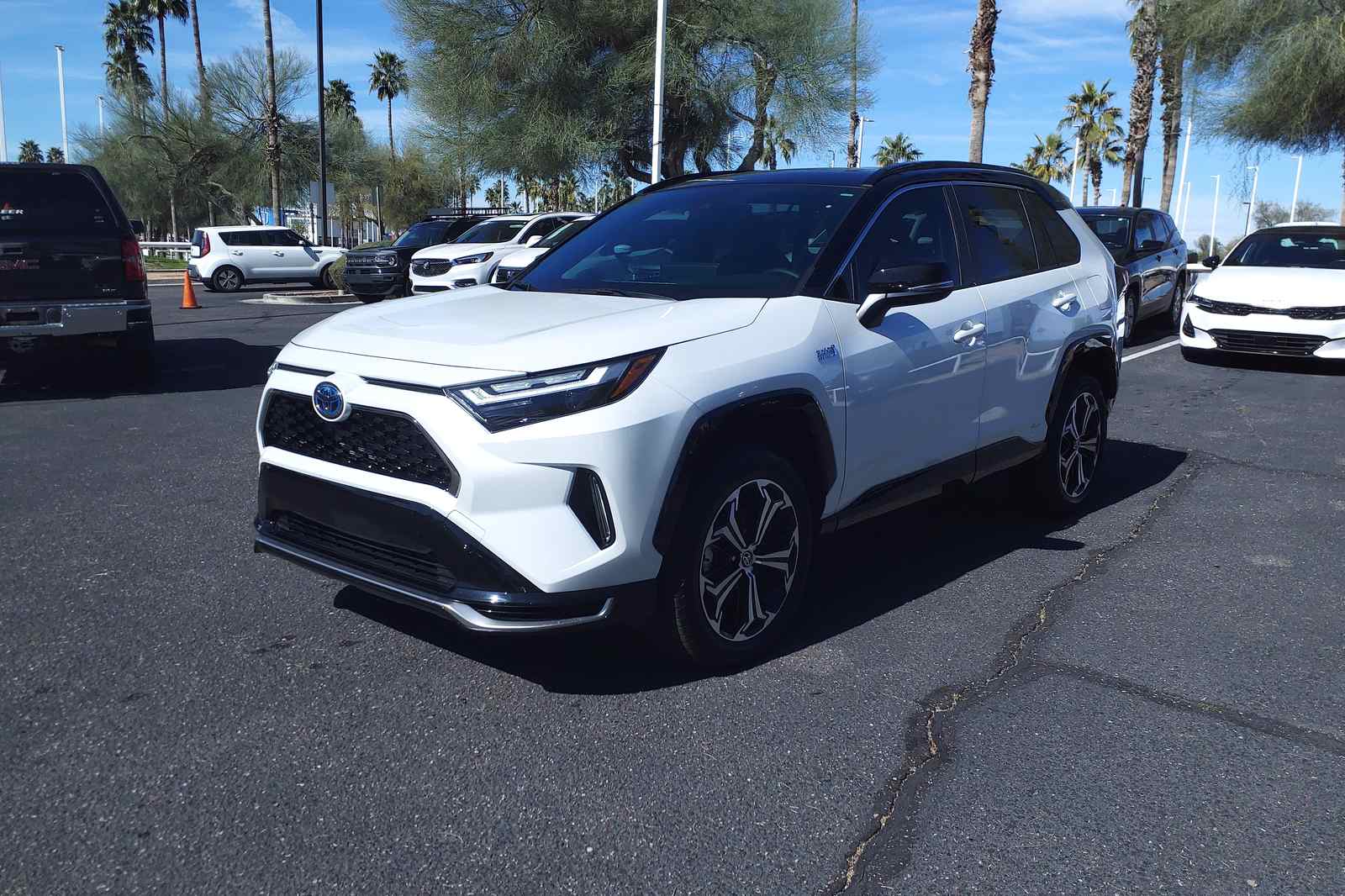
Key Takeaways
- The RAV4 is hybrid-only now, and it is the stronger powertrain value with the better fuel economy of the two.
- Towing is decisive, not a tie-breaker: up to 3,500 pounds for the all-wheel-drive RAV4 against 1,500 for the gas CR-V and 1,000 for the CR-V hybrid.
- The CR-V still wins the cabin — the roomier back seat — and offers the cheaper gas entry point.
- Judge both on the five-year bills — fuel and ownership cost — not on the sticker alone.
This Toyota RAV4 vs Honda CR-V comparison is decided on the numbers and the ownership costs, not the badge — here is how the two stack up. The Toyota RAV4 and Honda CR-V are the two best-selling SUVs in America that are not pickup trucks, and for the 2026 model year they have quietly become different kinds of vehicle. The redesigned RAV4 is now hybrid-only — every single one, from the base LE to the Limited — while the CR-V still offers a cheaper gas-only entry point alongside its hybrid. That one decision changes the comparison everywhere: in starting price, in fuel cost, in cargo space, even in towing. This guide compares the two the way buyers actually argue about them — price, mpg, space, towing and five-year cost — and names a winner for each kind of buyer.
For the negotiation side of either vehicle, our Toyota RAV4 invoice price and Honda CR-V invoice price guides price each one from the dealer's side of the desk.
Toyota RAV4 vs Honda CR-V at a Glance
| Item | Toyota RAV4 (2026) | Honda CR-V (2026) |
|---|---|---|
| Starting MSRP | $31,900 (hybrid) | $30,920 (gas); hybrid from $35,630 |
| Powertrains | Hybrid only, 226 hp FWD / 236 hp AWD | Gas 190 hp, or hybrid 204 hp |
| Best EPA combined mpg | 43 (FWD hybrid) | 40 (FWD hybrid); 30 (gas FWD) |
| Cargo behind rear seats | 37.8 cu ft | 39.3 cu ft (gas); 36.3 cu ft (hybrid) |
| Rear legroom | 37.8 in | 41.0 in |
| Maximum towing | 3,500 lb (AWD) | 1,500 lb (gas); 1,000 lb (hybrid) |
| Hybrid battery warranty | 10 years / 150,000 miles | 8 years / 100,000 miles |
Price: Two Different Doors Into the Segment
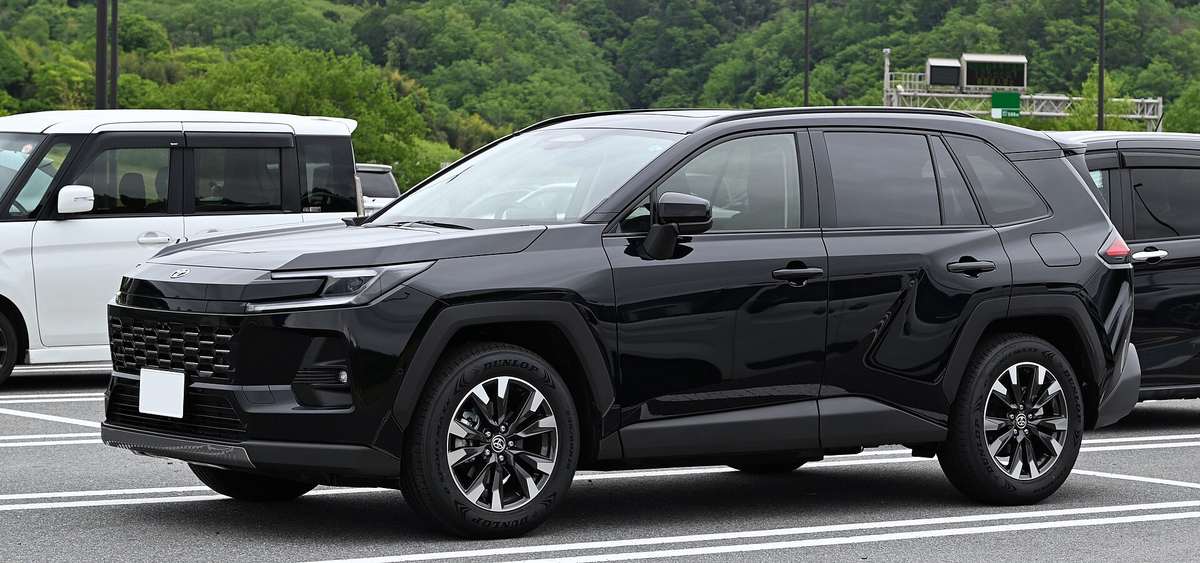
The CR-V has the lower sticker, but only because Honda still sells a gas version. The CR-V LX starts at $30,920 before its $1,450 destination charge; the RAV4 LE starts at $31,900 before a $1,450 destination charge. Compare them as most buyers actually cross-shop them — hybrid against hybrid — and the order flips hard: the RAV4 is a hybrid at $31,900, while the CR-V hybrid (Sport Hybrid) starts at $35,630. That is a gap of roughly $3,700 at the door for equivalent electrified hardware, and it is the single most important pricing fact in this comparison. The RAV4 line climbs through SE, XLE Premium and the rugged Woodland to the Limited at $43,300; the CR-V tops out in the low $40,000s with the Sport Touring Hybrid. Both brands discount more readily than their reputations suggest, but the negotiation starts from invoice, not sticker — the Toyota invoice prices and Honda invoice prices guides show how each brand's margin is built.
MPG and the Five-Year Fuel Bill
The RAV4 wins the efficiency contest at every level. Its most efficient form, the front-wheel-drive hybrid, is EPA-rated at 43 mpg combined; all-wheel-drive versions rate 42 mpg in volume trims, 41 in the plusher ones and 38 in the Woodland. The CR-V hybrid rates 40 mpg combined in front-wheel drive and 37 with all-wheel drive, and the gas CR-V rates 30 mpg combined in front-wheel drive.
Put those ratings on a typical ownership cycle — 12,000 miles a year at an illustrative $3.00 a gallon — and the all-wheel-drive hybrids, the versions most buyers take home, separate like this. The RAV4 at 42 mpg burns about 286 gallons a year, roughly $857 of fuel. The CR-V hybrid at 37 mpg burns about 324 gallons, roughly $973. Over five years the Toyota saves about $580 in fuel against its hybrid rival — real money, though not deal-breaking money. Against the gas CR-V the gap widens: at 30 mpg combined it burns 400 gallons a year, about $1,200, which is roughly $1,700 more than the RAV4 over five years. Run your own mileage and local fuel price for the Toyota RAV4 or Honda CR-V in our calculator; the ranking never changes, only the size of the prize.
Space: Honda's Back Seat vs Toyota's Box
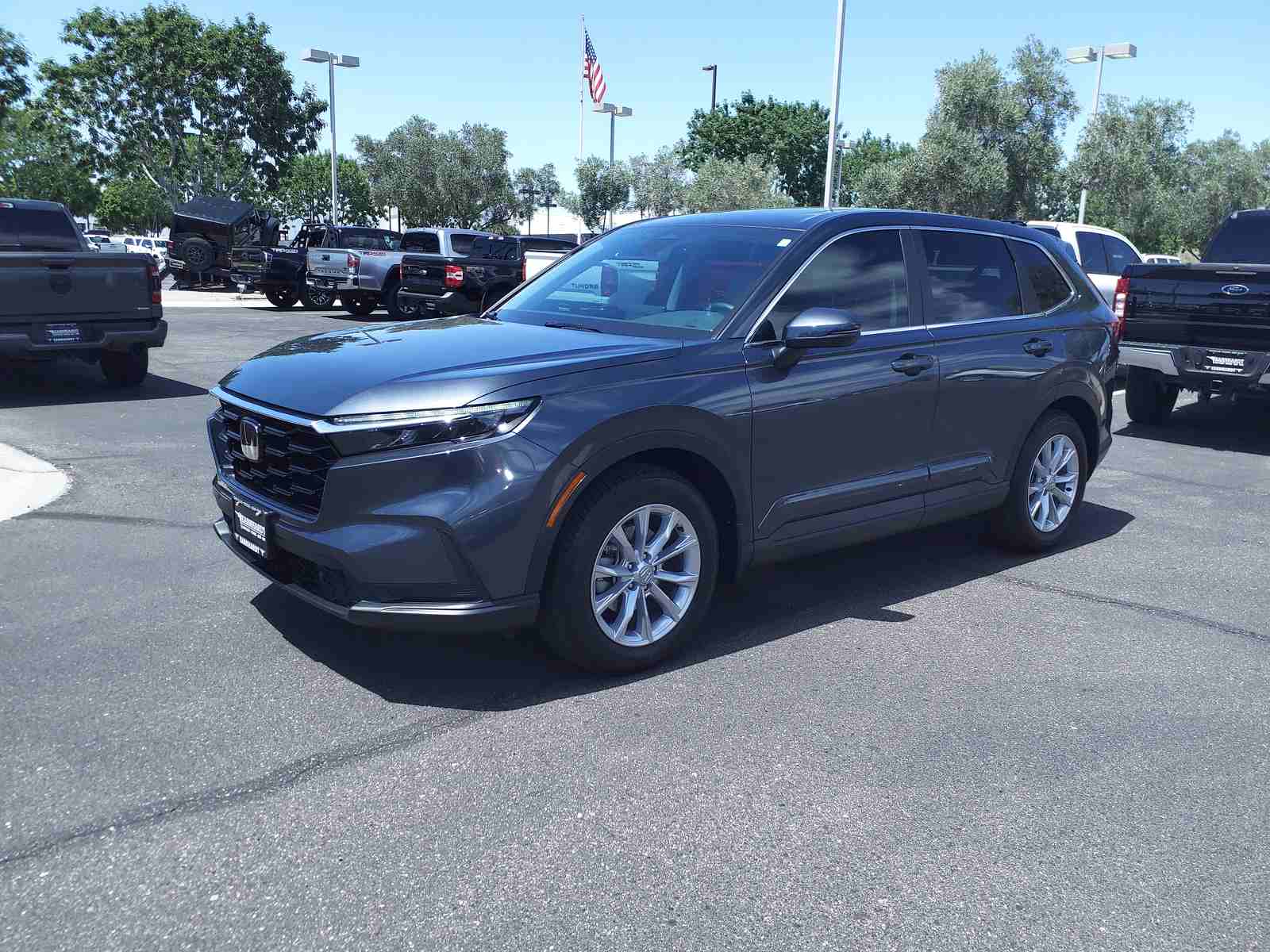
The CR-V is the people-carrier of the pair, and it is not close. Rear legroom is 41.0 inches in the Honda against 37.8 in the Toyota — a difference any adult passenger will feel on the first long drive — and the CR-V's rear seat reclines to make use of it. Cargo tells a split story. With the seats up, the gas CR-V holds 39.3 cubic feet, the RAV4 37.8, and the CR-V hybrid 36.3, its battery taking a small bite. With the seats folded the Honda pulls ahead clearly, 76.5 cubic feet against 70.4. Families who carry adults in the back or live by the folded-flat load floor should weight this section heavily; buyers who mostly carry things behind an occupied rear seat will find the two effectively tied, with the gas CR-V a nose in front.
Towing: The RAV4 Runs Away With It
If you tow anything heavier than a small utility trailer, this section ends the comparison. All-wheel-drive RAV4 models are rated to tow up to 3,500 pounds (front-wheel-drive models 1,750), and the Woodland trim arrives with a standard tow hitch receiver and all-terrain tires for exactly this buyer. The CR-V is rated at 1,500 pounds in gas form and just 1,000 pounds as a hybrid — enough for a lightweight trailer or a pair of jet skis, not enough for a small camper or a boat with margin. Capability buyers should also note the RAV4's power edge: 236 hp in all-wheel-drive form against the CR-V hybrid's 204 hp.
Ownership Cost Beyond the Fuel Bill
Both SUVs sit at the reliable, strong-resale end of the market, which is why both sell in the hundreds of thousands. The differences are in the details. Toyota's hybrid battery warranty runs 10 years or 150,000 miles against Honda's 8 years or 100,000 miles — the Toyota's coverage is the better long-ownership bet. Toyota also includes two years or 25,000 miles of complimentary scheduled maintenance against Honda's one year or 12,000 miles, worth a few hundred dollars of services in the first ownership phase. Insurance, tires and repair costs are broadly comparable between the two. Neither vehicle is a depreciation risk by segment standards, so the five-year cost contest is decided where this guide started: the RAV4 hybrid's lower purchase price and better fuel economy against the CR-V's space — with the gas CR-V's low sticker partly repaid at the pump every single month.
Which One Should Your Money Buy?
- Buy the RAV4 if you want the hybrid (at this point, wanting a RAV4 means having one), you tow, you drive high miles where the mpg edge compounds, or you keep vehicles past 100,000 miles and value the longer battery warranty.
- Buy the CR-V if rear-seat adults and folded-flat cargo space are your daily reality, or if you want the lowest possible entry price and accept the gas model's fuel bill as the trade.
- Either way, negotiate from the invoice, not the sticker, and compare out-the-door quotes on the identical trim — the framework in how to negotiate from invoice price applies to both.
Frequently Asked Questions
Which is cheaper to own over five years, the RAV4 or the CR-V?
On the figures in this guide, the RAV4 hybrid: it starts about $3,700 below the CR-V hybrid, saves roughly $580 in fuel over five years at typical mileage, carries the longer hybrid battery warranty and includes an extra year of complimentary maintenance. The gas CR-V starts cheaper still but gives much of it back in fuel.
Which has more room, the RAV4 or the CR-V?
The CR-V, for people and for folded cargo: 41.0 inches of rear legroom against 37.8, and 76.5 cubic feet with the seats down against 70.4. With the seats up it splits — the gas CR-V leads at 39.3 cubic feet, the RAV4 follows at 37.8 and the CR-V hybrid trails at 36.3.
Is the Toyota RAV4 hybrid-only now?
Yes. For the 2026 sixth-generation redesign, every RAV4 is a hybrid (with a separate plug-in hybrid line alongside). There is no gas-only RAV4 to buy at a lower price — which is why the Honda, which still offers one, holds the lower headline sticker.
Which tows more, the RAV4 or the CR-V?
The RAV4, decisively: up to 3,500 pounds for all-wheel-drive models against 1,500 pounds for the gas CR-V and 1,000 pounds for the CR-V hybrid. Buyers with a camper, boat or loaded utility trailer should treat this as a deciding, not a tie-breaking, difference.
The Bottom Line on Toyota RAV4 vs Honda CR-V
The Honda CR-V vs Toyota RAV4 contest used to be a coin flip settled by taste. The hybrid-only redesign makes it a decision: Toyota now sells the stronger powertrain value, the better fuel economy and the only real tow rating, while Honda still sells the roomier cabin and the cheaper gas entry point. Decide which of those is your life, pull the invoice for that exact trim, and negotiate the out-the-door total. That settles the Toyota RAV4 vs Honda CR-V question on the evidence: pick the one that fits your life, then negotiate as if the other one were still on the table. Start at MyCarDiscount.com.



Get the number dealers start from.
Invoice, estimated true cost, out-the-door — before any dealer hears your name.